Hidden Carbohydrates: Why a 45-Year-Old Man Who Never Ate Sweets Developed Alarming Prediabetes and Kidney Stress


The diagnosis came as a complete shock during a routine corporate health screening. A 45-year-old man, who prided himself on maintaining a clean, health-conscious lifestyle completely devoid of confectionery, sugary beverages, and desserts, was informed that his glycated hemoglobin (HbA1c) test had surged to a staggering 9.8%. Compounding this alarming finding was the unexpected detection of protein in his urine, a clinical marker that immediately raised red flags regarding potential renal stress. Convinced that the laboratory results must have been erroneous, the patient scheduled an immediate consultation with Dr. Hong Vinh Truong, a nephrologist based in China, to unravel the mystery behind his deteriorating metabolic markers.
The Paradox of Modern Diets and Hidden Sugars
In contemporary society, public health campaigns persistently target obvious culprits of metabolic syndrome, obesity, and type 2 diabetes: sodas, packaged candies, ice cream, pastries, and added table sugar. Consequently, a significant demographic of health-conscious individuals actively eliminate these items from their daily routines, mistakenly believing they are immune to metabolic disorders. However, medical literature increasingly highlights that glucose deregulation is not exclusively driven by refined sucrose or high-fructose corn syrup. Complex carbohydrates, starchy vegetables, and hidden thickeners can exert an equally profound impact on postprandial blood glucose levels, gradually exhausting pancreatic beta-cell function over prolonged periods.
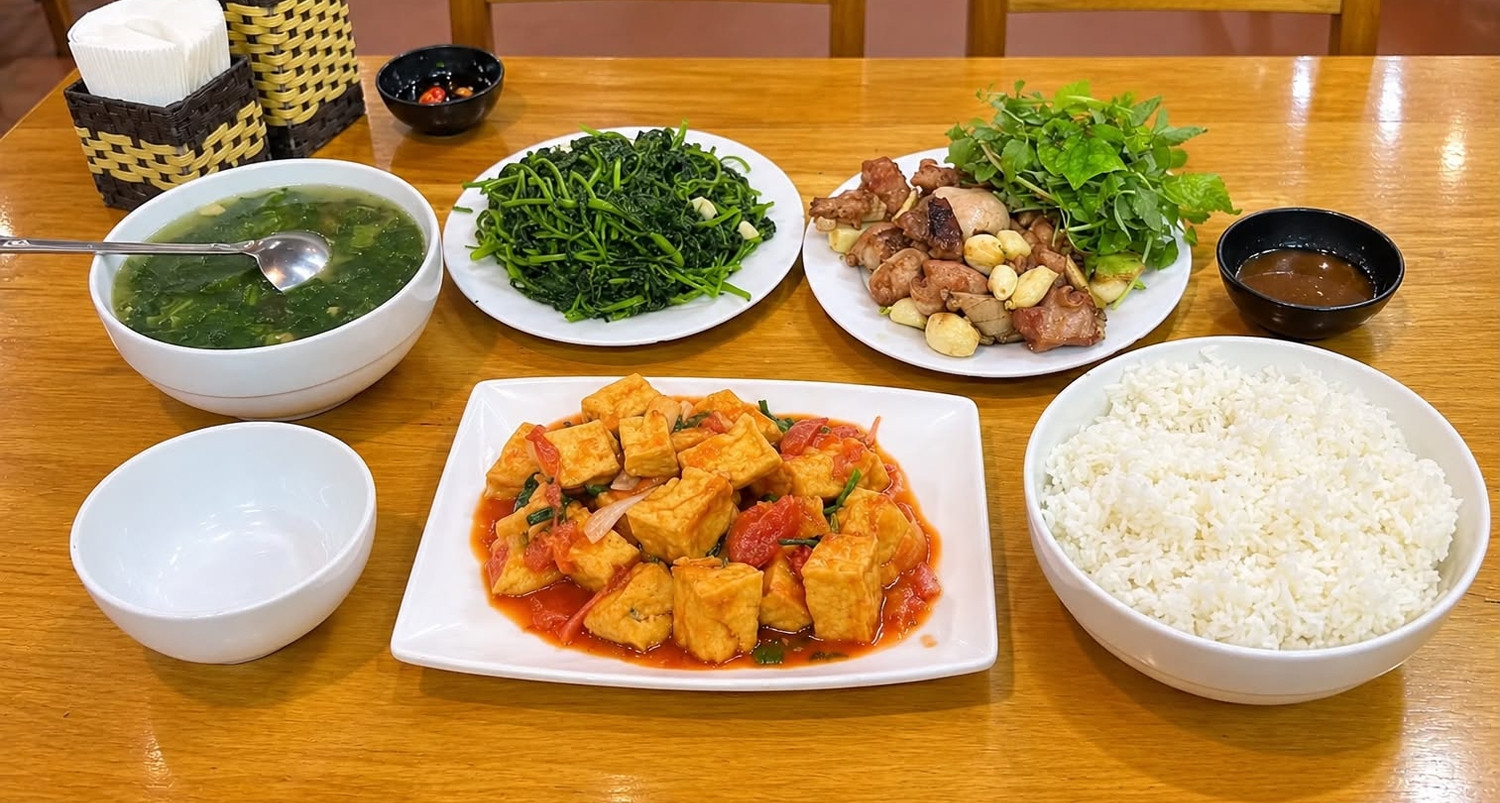
A detailed dietary audit conducted during the clinical consultation revealed a profound misalignment between the patient’s perceived healthy eating habits and his actual nutritional intake. Despite avoiding sweets entirely, the patient’s daily menu was heavily saturated with high-glycemic carbohydrates. His morning routine consisted of two heavy portions of pastries accompanied by soybean milk. Lunch featured a large bowl of noodles paired with braised pork. Dinner typically involved two large bowls of white rice consumed alongside thick, starchy soups. Furthermore, whenever hunger struck between meals, he would routinely snack on corn, pumpkins, and taro roots.
The Biochemical Impact of Starchy Staples
To understand how a diet free of refined sugar could result in an HbA1c of 9.8%—a threshold well into the diabetic range—one must examine the biochemical breakdown of carbohydrates. Foods such as sweet potatoes, regular potatoes, taro, corn, and pumpkin are widely perceived as wholesome, natural foods rich in dietary fiber and essential micronutrients. Yet, nutritionally speaking, they belong squarely to the carbohydrate-dense food group.
From a physiological perspective, consuming a single bowl of these starchy vegetables yields a carbohydrate load roughly equivalent to consuming a standard bowl of white rice. When an individual consumes excess carbohydrates consistently over months and years, the body experiences a chronic surge in postprandial glucose. To manage this continuous influx, the pancreas is forced to secrete higher volumes of insulin. Over time, peripheral cells downregulate their insulin receptors to protect themselves from continuous hyperinsulinemia, leading to cellular insulin resistance. As the pancreas attempts to compensate by overworking itself, beta-cell exhaustion sets in, pancreatic function declines, and clinical type 2 diabetes manifests.
Compounding the problem in this patient’s case was his regular consumption of thickened soups. Culinary preparations that utilize tapioca starch, potato starch, or cornstarch to achieve a velvety texture cause rapid gastric emptying and swift intestinal glucose absorption. Consequently, these thickened broths often provoke a sharper and more volatile glycemic spike than solid grains like white rice. Furthermore, refined flour products such as steamed buns, noodles, and white bread undergo extensive processing that strips away beneficial bran and germ, accelerating their conversion into glucose within the bloodstream.
The Cascade Leading to Renal Stress and Proteinuria

The discovery of protein in the patient’s urine—clinically known as proteinuria—added a severe dimension to his diagnosis. Persistent hyperglycemia acts as a slow-acting systemic toxin, particularly targeting the delicate microvascular networks distributed throughout the body. Within the kidneys, millions of tiny filtering units called glomeruli rely on pristine capillary walls to filter waste products from the blood while retaining vital proteins like albumin.
When blood glucose remains chronically elevated, non-enzymatic glycation occurs, causing the proteins and lipids within the capillary walls to undergo structural alterations and oxidative damage. The delicate endothelial cells lining the renal microvasculature gradually become inflamed, thickened, and sclerotic. As the structural integrity of the glomerular filtration barrier deteriorates, it loses its selective permeability, allowing essential proteins to leak into the urine.
Nephrologists emphasize that untreated proteinuria is a critical harbinger of progressive diabetic nephropathy. If glycemic control is not swiftly restored, the ongoing destruction of renal tissue will accelerate, permanently impairing the kidneys’ capacity to filter blood. In advanced stages, patients face the grim prospect of lifelong dialysis or renal transplantation—a cascading series of health failures originating entirely from unmanaged, unrecognized dietary glucose overload.
Clinical Recommendations for Reversing Metabolic Damage
Faced with an HbA1c of 9.8% and early signs of renal impairment, Dr. Truong outlined a comprehensive multidisciplinary intervention strategy aimed at halting disease progression, restoring insulin sensitivity, and protecting the kidneys from further injury. The primary objective is achieving strict, sustained glycemic control through targeted behavioral and dietary modifications.

First, the medical team advised a radical restructuring of meal composition and sequencing. Rather than consuming carbohydrates at the start of a meal—which triggers an immediate insulin surge—patients are instructed to practice "meal sequencing." This involves initiating meals with fiber-rich non-starchy vegetables, followed by high-protein foods such as lean meats, fish, eggs, and legumes, and saving complex carbohydrates for the very end of the dining process. The presence of fiber and protein in the digestive tract significantly slows gastric emptying and dampens the rate at which glucose enters the bloodstream.
Second, patients are urged to completely replace refined starches with unrefined whole grains. Substituting white rice, refined noodles, and white flour products with quinoa, brown rice, oats, and barley provides a steady, sustained release of energy while supplying vital minerals and dietary fiber. Portion control remains paramount; even healthy whole grains can induce hyperglycemia if consumed in excessive quantities that outstrip the body’s daily energy expenditure.
Third, lifestyle modifications must extend beyond dietary adjustments. Regular physical activity, particularly engaging in light-to-moderate aerobic exercise such as a 10-to-15-minute walk immediately following meals, has been clinically proven to enhance glucose uptake in skeletal muscles independently of insulin, thereby blunting postprandial glucose spikes. Furthermore, maintaining a healthy body weight through consistent physical exertion and routine metabolic monitoring is critical for reducing systemic inflammation and reversing early-stage insulin resistance.
Broader Public Health Implications
The case of the 45-year-old patient serves as a cautionary tale for modern populations navigating nutrition in an era of abundant processed foods and pervasive dietary myths. Public health authorities note that metabolic syndrome often develops silently, unannounced by symptoms until significant organ damage has already occurred. Many individuals mistakenly equate "avoiding sweets" with "eating healthily," overlooking the cumulative physiological burden of hidden starches, excessive portion sizes, and unmonitored carbohydrate intake.

Medical societies universally recommend annual health screenings that include comprehensive metabolic panels, lipid profiles, HbA1c testing, and urinalysis. Early detection of prediabetes or subtle microvascular damage provides a crucial therapeutic window during which lifestyle interventions can completely reverse pathological trends, averting the development of irreversible chronic conditions such as end-stage renal disease and overt diabetes. As medical professionals continually emphasize, true nutritional health requires a holistic understanding of how all macronutrients interact within the human body, moving beyond simplistic dogmas to embrace personalized, evidence-based dietary management.