Toyota Vietnam Recalls Over 2,600 Hilux Pickup Trucks Due to Lead-Me-Home Headlight Software Glitch

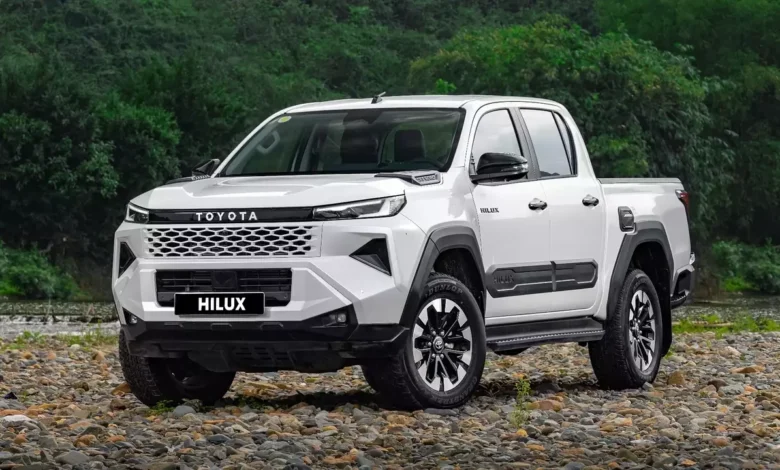
Toyota Vietnam has officially announced a nationwide safety recall campaign targeting 2,616 units of the popular Toyota Hilux pickup truck. The recall has been initiated to address a specific software malfunction related to the vehicles’ "lead-me-home" headlight feature, which could potentially cause the high-beam headlights to remain illuminated improperly after the vehicle’s ignition is turned off.
The affected vehicles comprise models imported directly as complete built-up units (CBUs) from Thailand. According to the manufacturing records provided by the Japanese automaker, these trucks were assembled at Toyota’s facility in Thailand between October 20, 2025, and April 22, 2026. This technical campaign underscores the stringent safety protocols and regulatory compliance standards upheld by major automotive manufacturers operating within the Vietnamese market.
Understanding the Software Glitch and Affected Systems
The root cause of the recall lies in the electronic control unit (ECU) software governing the exterior lighting system, specifically the advanced lighting feature commonly known as the "lead-me-home" or follow-me-home function. This modern automotive feature is engineered to keep a vehicle’s headlights—typically the low or high beams—switched on for a predetermined duration after the driver shuts down the engine and exits the vehicle. The primary purpose of this system is to illuminate dark pathways, driveways, or parking garages, thereby enhancing convenience and personal safety for occupants leaving the vehicle in low-visibility environments.
However, within the affected batch of Toyota Hilux trucks, a programming anomaly in the body control module causes the high-beam headlights to malfunction. Instead of timing out correctly or turning off as programmed when the driver shuts down the engine, the high beams may fail to switch off, remaining continuously illuminated. While this defect does not immediately compromise the mechanical drivability of the vehicle, it poses a significant secondary risk. If left unnoticed by the vehicle operator, the continuous operation of the high-beam headlights can rapidly drain the vehicle’s 12-volt battery overnight, resulting in a dead battery and rendering the vehicle unable to start the following morning. Furthermore, unintended exterior illumination in parked vehicles can create confusion or annoyance for neighboring drivers and pedestrians.
Remediation Process and Customer Action Plan
To rectify this software defect, Toyota Vietnam has mobilized its extensive authorized dealership and service center network across the country. Vehicle owners who possess models falling within the affected production window are urged to schedule appointments with their nearest official Toyota service facility as soon as possible.
The remedy for this issue is straightforward and entirely free of charge for vehicle owners. Technicians at authorized dealerships will connect the vehicle to the official Toyota diagnostic system and update the body control module software with a newly patched version provided by the manufacturer. Toyota estimates that the inspection and software re-flashing process takes approximately one hour per vehicle.
Toyota Vietnam has stated that formal notification letters are being dispatched to owners of the affected Hilux trucks. Alternatively, customers can verify whether their specific vehicle is subject to this recall campaign by inputting their Vehicle Identification Number (VIN) into the official recall lookup tool on Toyota Vietnam’s website or by contacting local authorized dealerships directly.
Market Positioning and Regional Context of the Toyota Hilux
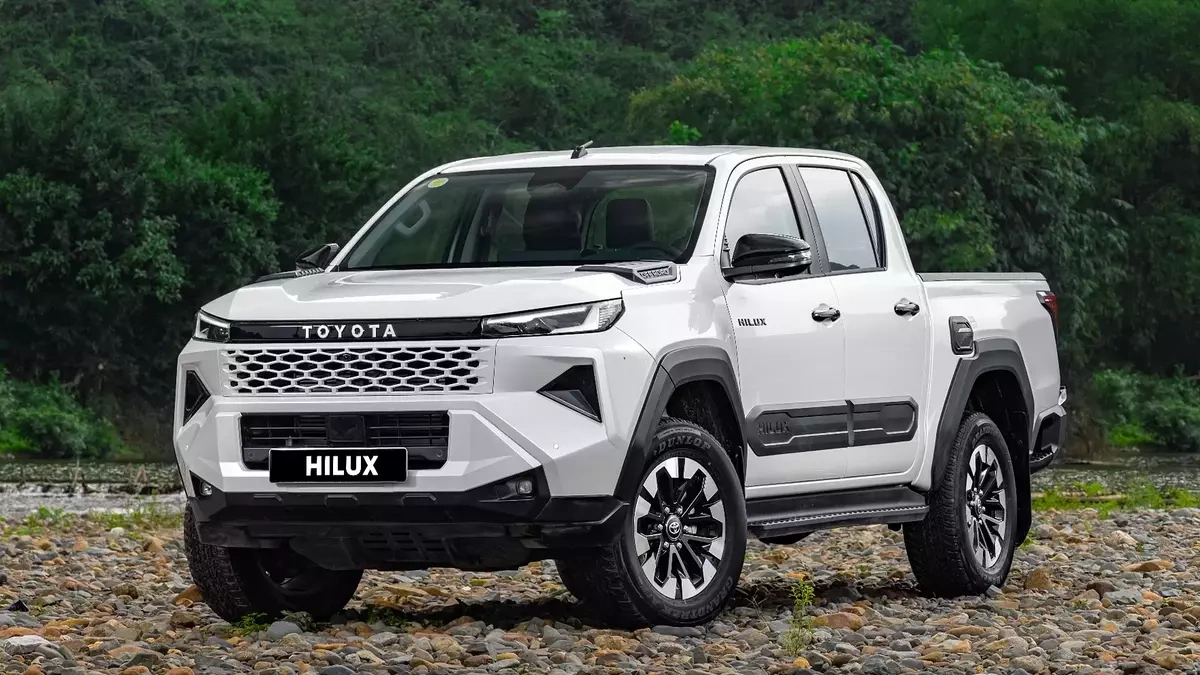
The Toyota Hilux holds a storied legacy as one of the most rugged and dependable mid-size pickup trucks globally, particularly dominating markets across Southeast Asia. In Vietnam, the current iteration of the Hilux belongs to the ninth generation, which was reintroduced to local buyers in early 2026 following a brief hiatus. Like its predecessors, the latest generation continues to be fully imported from Thailand to cater to the growing demand for versatile utility vehicles in the domestic market.
Within the regional landscape, Thailand serves as the undisputed export hub and manufacturing powerhouse for pickup trucks, supplying numerous global markets. According to data compiled by industry monitor Bangkok Motorhaus, the Toyota Hilux has maintained a commanding lead in the Thai domestic market, registering nearly 57,700 new sales units through the first nine months of the year. The truck’s reputation for mechanical durability, heavy-duty towing capacity, and resilience in harsh terrains has cemented its status as a market leader throughout the Association of Southeast Asian Nations (ASEAN) region.
Competitive Dynamics in the Vietnamese Pickup Segment
While the Hilux enjoys undisputed dominance in broader Southeast Asian markets, its performance in Vietnam represents a fiercely contested battleground. The Vietnamese pickup truck segment is historically dominated by the Ford Ranger, a vehicle that has long held a near-monopoly on consumer preference. The competitive landscape has grown even tighter with Ford adopting a dual-sourcing strategy for the Ranger, offering both locally assembled variants and imported models, closely mirroring Toyota’s import-heavy strategy for the Hilux.
Data compiled after the first three quarters of 2026 illustrates the intense rivalry between these two automotive giants. During this nine-month period, Toyota Vietnam successfully delivered 5,687 units of the Hilux to local customers. While this figure demonstrates a healthy recovery and strong consumer demand for the ninth-generation model, it places the Hilux in a challenging pursuit of the segment leader, the Ford Ranger, which recorded 9,835 units sold over the same timeframe. Despite trailing in total volume, the Hilux commands a formidable market share of approximately 29% within Vietnam’s competitive pickup truck sector, proving its enduring appeal among commercial fleets, agricultural operators, and lifestyle truck enthusiasts alike.
Broader Implications and Industry Standards on Software Recalls
The necessity for a software-related recall on a modern mechanical workhorse like the Toyota Hilux highlights a broader paradigm shift in the global automotive industry. Modern vehicles are no longer defined solely by their mechanical components, internal combustion engines, and chassis design; instead, they operate increasingly as software-defined machines containing millions of lines of code.
As automakers integrate sophisticated electronic control units, advanced driver-assistance systems (ADAS), and complex body electronics to enhance user convenience, the frequency of software-related service campaigns has risen across all brands. While recalls traditionally conjured images of mechanical failures—such as faulty braking systems, steering linkages, or structural components—contemporary automotive recalls frequently involve electronic modules, infotainment bugs, and lighting controllers.
For consumers and regulatory bodies alike, proactive recall campaigns like the one initiated by Toyota Vietnam are viewed positively. They demonstrate a manufacturer’s commitment to product quality, transparency, and consumer safety. By identifying software anomalies early and executing swift, no-cost remediation protocols through official dealer networks, automakers can mitigate potential customer inconvenience, preserve brand loyalty, and ensure that safety standards are rigorously maintained across the entire vehicle parc. As the automotive sector continues its rapid technological evolution, the ability of manufacturers to seamlessly deploy over-the-air updates or efficient dealer-based software patches will remain a critical benchmark for customer satisfaction and operational excellence.