Toyota Prepares for Major Strategic Shift into Extended-Range Electric Vehicles with Ambitious 2028 Production Targets

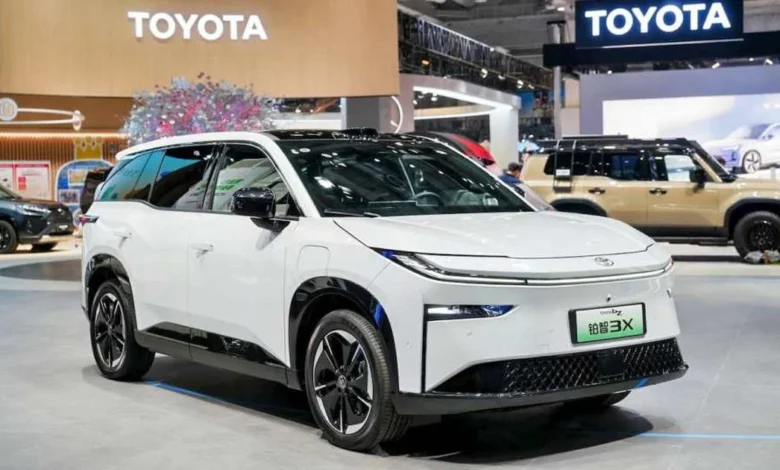
Toyota Motor Corporation is poised to make a significant pivot in its global electrification strategy by formally entering the race for Extended-Range Electric Vehicles (EREV), a technology that combines the performance of an electric powertrain with the utility of a gasoline-powered generator. According to reports from the Japanese business publication Nikkei Asia, the automotive giant plans to commence production of these vehicles for the Chinese market as early as April 2027. This move represents a strategic evolution for a company that has long championed a "multi-pathway" approach to carbon neutrality, blending hybrid, plug-in hybrid, battery-electric, and hydrogen fuel cell technologies.
The ambition behind this project is substantial. Internal projections suggest that Toyota aims to produce approximately 200,000 EREV units within the first year of production in 2027, with that figure set to double to 400,000 vehicles by 2028. Should these targets materialize, EREVs will occupy a critical position in Toyota’s broader "multi-dimensional" electrification roadmap, which has been the cornerstone of the company’s transition efforts over the past decade.
Understanding the EREV Technology and Its Market Appeal
An Extended-Range Electric Vehicle, often referred to in industry parlance as a Range-Extender Electric Vehicle (REEV), occupies a unique space between traditional Internal Combustion Engine (ICE) vehicles and pure Battery Electric Vehicles (BEVs). In an EREV configuration, the wheels are driven exclusively by an electric motor. The vehicle is equipped with a battery pack that can be charged via an external power source, providing a set range of pure electric driving. However, once the battery’s state of charge drops below a predetermined threshold, a small, efficient internal combustion engine activates.
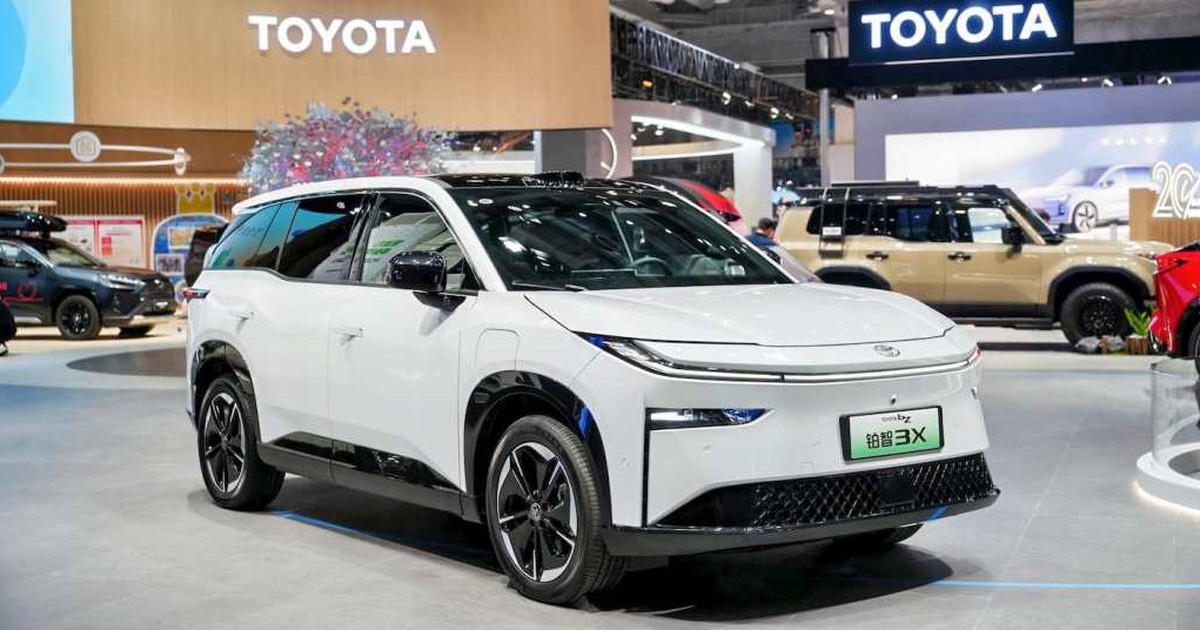
Crucially, in the EREV architecture, the gasoline engine does not power the wheels directly. Instead, it functions solely as an onboard generator to produce electricity, which then powers the motor or replenishes the battery. This configuration effectively eliminates "range anxiety"—the primary consumer hesitation associated with full battery-electric vehicles—while maintaining the smooth, high-torque driving characteristics of an electric motor.
For markets like China, where infrastructure for public fast-charging can be inconsistent in rural or densely populated regions, this "best of both worlds" solution has seen a surge in popularity. Consumers benefit from the quiet, instant acceleration of an EV for daily commuting, while retaining the convenience of a gas tank for long-distance travel, negating the need to hunt for charging stations during extended trips.
A Strategic Response to the Chinese Market Dynamics
Toyota’s decision to prioritize China as the initial manufacturing and deployment hub for its EREV technology is a calculated response to the world’s most competitive automotive landscape. Data from the China Passenger Car Association (CPCA) underscores the shifting demand; approximately 616,000 EREV units were sold in China during the first eight months of 2026 alone. While pure battery-electric vehicles still lead in total volume—with nearly 700,000 sold in August 2026—the growth rate of range-extended models has been explosive.
Domestic Chinese manufacturers, such as Li Auto and Seres, have successfully captured significant market share by offering luxury-oriented EREVs. Furthermore, international competitors are taking note; Nissan has already established a footprint in this segment through its Dongfeng Nissan joint venture, utilizing its proprietary e-POWER technology. In North America, Stellantis has also signaled its intention to integrate range-extender technology into its future product lineup, suggesting that the EREV segment may transition from a regional niche to a global standard.
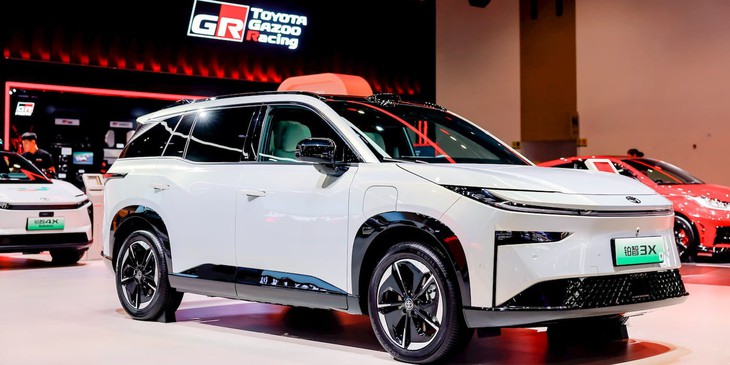
For Toyota, the entry into this space is not a retreat from its commitment to pure battery-electric vehicles (BEVs) or hydrogen, but rather an expansion of its tactical arsenal. By diversifying its portfolio, the company aims to hedge against volatility in the EV supply chain and varying rates of infrastructure development across different continents.
Chronology of Toyota’s Electrification Evolution
To appreciate the significance of this move, one must look at the timeline of Toyota’s electrification efforts:
- 1997: Toyota launches the Prius, the world’s first mass-produced hybrid electric vehicle, cementing the company’s dominance in HEV technology.
- 2010s: The company continues to refine its hybrid and plug-in hybrid (PHEV) offerings but faces mounting pressure from investors and regulators to accelerate the development of pure Battery Electric Vehicles (BEVs).
- 2022: Toyota faces intense scrutiny regarding its slow pace in the BEV market, leading to a reorganization of its electric vehicle strategy under new leadership.
- 2025: Toyota shifts its messaging toward a "multi-pathway" strategy, arguing that no single technology is a panacea for global transportation needs.
- 2026: Reports emerge confirming that the company is fast-tracking development of EREV platforms to compete in the high-growth Chinese market.
- 2027 (Projected): Commencement of EREV manufacturing in China, marking a new chapter in Toyota’s powertrain diversification.
Challenges and Implications for the Global Automotive Industry
The transition to EREV production is not without its challenges. Toyota must navigate the technical complexities of integrating a high-efficiency generator with its existing electric motor platforms. Additionally, the company faces the logistical hurdle of scaling production to 400,000 units within a three-year window, which requires a robust supply chain for both high-capacity batteries and advanced, ultra-efficient internal combustion engines.
However, the implications of this shift are profound. If Toyota succeeds, it will likely validate the EREV model as a long-term, viable bridge technology rather than a temporary stopgap. This could shift the focus of other legacy automakers who have struggled to achieve profitability with pure BEVs due to high battery costs and slow infrastructure adoption.
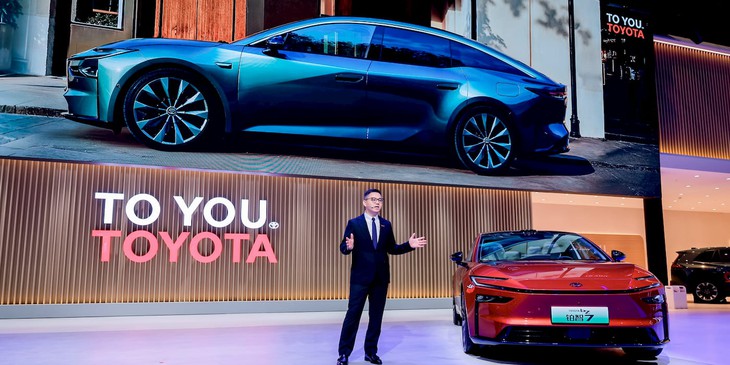
Furthermore, this development highlights the shifting power dynamics in the global automotive industry. By designing and manufacturing these vehicles within China, Toyota is acknowledging that local market requirements—and the agility of domestic Chinese manufacturers—are now driving global product development cycles. The ability to localize technology and respond rapidly to shifting consumer preferences will likely determine the success of major automakers in the coming decade.
Looking Ahead: The Multi-Pathway Strategy
Toyota’s commitment to the EREV market serves as a testament to its belief that there is no "one-size-fits-all" solution to decarbonization. By maintaining a portfolio that includes HEVs, PHEVs, BEVs, Hydrogen Fuel Cells, and now EREVs, the company is insulating itself against potential regulatory shifts and energy market fluctuations.
If the 2028 production target of 400,000 units is realized, it will represent a significant portion of Toyota’s annual sales volume in the region. Moreover, it provides a blueprint for how the company might introduce similar technology into emerging markets in Southeast Asia, Latin America, and eventually, parts of Europe and North America, where charging infrastructure remains a bottleneck to widespread EV adoption.
In conclusion, Toyota’s pivot to range-extended electric vehicles is a pragmatic, data-driven response to current market realities. By embracing a technology that addresses consumer anxiety while utilizing existing expertise in combustion and electric propulsion, Toyota is reinforcing its status as a resilient, adaptable powerhouse in an industry undergoing its most radical transformation in a century. The success of this endeavor will depend on the company’s ability to balance its traditional manufacturing strengths with the software-defined, high-tech requirements of modern electrified vehicles. As the 2027 launch date approaches, the automotive world will be watching closely to see if Toyota can replicate its hybrid success in this rapidly evolving segment.