Gia Lai Fines Bin Bin Bread Business 100 Million VND Following Massive Food Poisoning Outbreak Affecting 254 People


The People’s Committee of Gia Lai Province has officially issued an administrative sanction decision penalizing the Bin Bin business establishment, located at 1041 Quang Trung Street, Ward 7, An Khe Town, Gia Lai Province. The legal representative of the establishment, Mr. Nguyen Van Khanh, was held accountable for a series of severe violations regarding food safety regulations that ultimately led to a mass food poisoning incident earlier this year.
According to the provincial administration’s official ruling, the penalties and remedial actions target multiple systemic failures in hygiene, food handling, and storage standards at the facility. The total administrative fine levied against the Bin Bin bread establishment amounts to 100 million VND. In addition to the monetary penalty, the local government has enforced strict operational suspensions and mandatory corrective measures to address the public health hazard and prevent any recurrence of similar incidents.
Comprehensive List of Administrative Violations
The investigation conducted by local authorities revealed multiple infractions committed by the Bin Bin establishment, spanning structural deficiencies, poor hygiene practices, and direct violations of food safety protocols. Specifically, the establishment was cited for the following four major administrative violations:
- Inadequate Storage and Preservation Facilities: The designated storage and warehousing areas failed to maintain adequate labeling, proper signage, clear operating procedures, hygienic environmental conditions, and standard temperature controls required for food preservation.
- Failure to Separate Raw and Cooked Foods: The facility lacked dedicated preservation tools and equipment specifically segregated for fresh, raw food products versus foods that had already undergone processing and cooking.
- Unsanitary Equipment and Utensils: Food was stored and handled using equipment, tools, and materials that failed to meet basic sanitary and hygienic standards, increasing the risk of cross-contamination.
- Production and Distribution of Contaminated Food: The establishment produced, processed, supplied, and sold food products that caused food poisoning, directly impacting the health of five or more people, though the severity did not reach the threshold for criminal prosecution.
As a direct consequence of these four severe violations, the Gia Lai Provincial People’s Committee imposed the aggregate fine of 100 million VND. Furthermore, the establishment has been slapped with a mandatory four-month suspension of all production, processing, business, and food supply operations. Additional punitive measures include the mandatory recall and destruction of all remaining food products, as well as full financial liability for covering the costs associated with the food poisoning remediation, medical examinations, and treatment of all affected victims.
Chronology of the Outbreak: How the Crisis Unfolded
The mass food poisoning outbreak linked to the Bin Bin establishment first erupted in late August, triggering a swift and widespread emergency response from local health authorities and regulatory bodies.
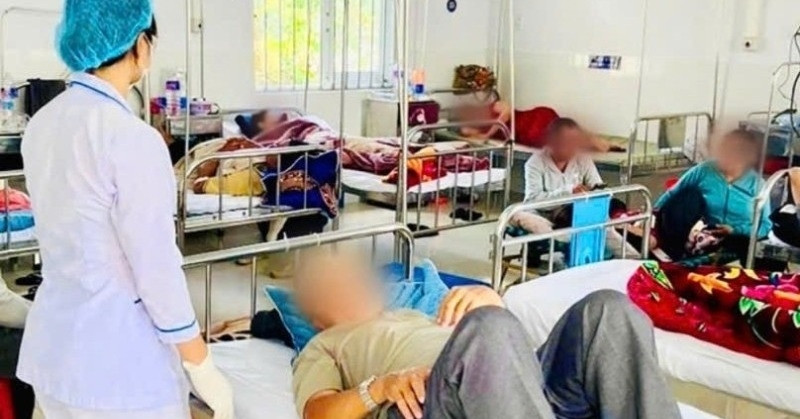
- August 24: Following the consumption of bread purchased from the Bin Bin business establishment, numerous customers across An Khe Town began exhibiting acute gastrointestinal symptoms. Throughout the day and into the following days, a total of 254 patrons sought medical attention after experiencing severe abdominal pain, frequent diarrhea, repeated vomiting, and high fevers. Due to the severity of their symptoms, all 254 victims required hospitalization and intensive medical intervention.
- Late August: As patient numbers surged past the initial estimates, the gravity of the outbreak caught the attention of national health regulators. The Vietnam Food Administration under the Ministry of Health swiftly issued official directives requesting local authorities in Gia Lai to launch a comprehensive investigation, trace the source of contamination, and ensure that all affected patients received proper medical care.
- September 17: Following weeks of laboratory testing, environmental assessments, and administrative reviews, the People’s Committee of Gia Lai Province finalized its investigation and formally issued the decision to fine the Bin Bin establishment 100 million VND alongside mandatory operational suspensions and remedial mandates.
Laboratory Findings and Pathogen Identification
To determine the exact cause of the mass illnesses, health inspectors and food safety officials collected various food and raw material samples from the Bin Bin establishment, including signature ingredients such as pâté, roasted chicken, and fried fish cakes.
Laboratory analyses conducted on the samples revealed the presence of Salmonella spp. bacteria. This pathogenic microorganism is widely recognized as a primary agent responsible for acute bacterial foodborne infections and severe gastrointestinal illnesses. When ingested, Salmonella typically triggers symptoms such as severe abdominal cramps, watery diarrhea, nausea, vomiting, and systemic fever within 6 to 72 hours of consumption. In vulnerable populations—such as young children, the elderly, or individuals with underlying health conditions—such infections can rapidly lead to severe dehydration and life-threatening complications, underscoring the extreme danger posed by the unsanitary handling practices discovered at the Gia Lai facility.
Broader Public Health Implications and Regulatory Response
The incident involving the Bin Bin bread establishment serves as a stark reminder of the critical vulnerabilities inherent in street food and local bakery supply chains, where high-volume production often outpaces adherence to rigorous food safety standards. With over 250 individuals hospitalized from a single local vendor, the outbreak ranks as one of the most significant regional food safety incidents of the year in Vietnam.
Public health experts and regulatory agencies have repeatedly emphasized that strict compliance with Hazard Analysis Critical Control Point (HACCP) principles and basic hygiene protocols is non-negotiable for food businesses of any scale. The involvement of the Ministry of Health’s Food Safety Department in monitoring the Gia Lai investigation highlights a broader, nationwide push to tighten oversight over small- and medium-scale food processors, bakeries, and collective catering facilities.
Moving forward, local authorities in Gia Lai have pledged to step up unannounced inspections of food service establishments throughout the province. By enforcing severe financial penalties, temporary business closures, and mandatory public disclosures of violations, the provincial government aims to deter negligence, protect consumer health, and restore public confidence in local food retail markets.