Miracle of Resilience: Young Student Reclaims Ability to Walk After Traumatic Spine Injury From 6-Meter Fall

In a remarkable testament to human endurance and modern medical advancement, a 23-year-old university student from Khanh Hoa Province has successfully regained the ability to walk and care for himself following a catastrophic workplace accident that left him on the brink of permanent paralysis. The inspiring recovery, announced by the Ho Chi Minh City-based Hospital for Rehabilitation and Occupational Disease on November 10, marks a triumphant milestone in Vietnam’s neuro-rehabilitation sector, transforming what was once deemed a near-hopeless prognosis into a story of profound physical and psychological renewal.
The Patient and the Incident
The patient, identified as N.T.P., was a final-year undergraduate student studying at a prominent university in Ho Chi Minh City. Like many ambitious young adults striving to support their families and fund their education, P. took on part-time labor jobs. Tragedy struck during one such assignment when he suffered a severe occupational accident, plunging six meters from a high vantage point.
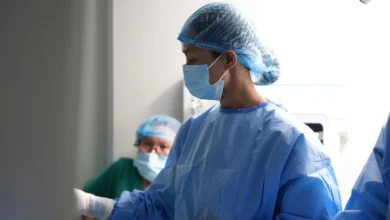
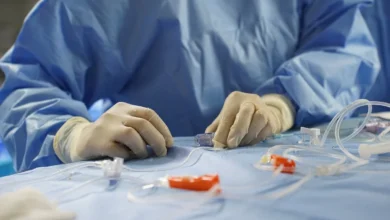
The fall resulted in polytrauma of the most critical nature. Medical evaluations upon his admission to an emergency facility revealed a burst fracture of the thoracolumbar spine, a severe spinal cord injury, and a concurrent traumatic pneumothorax—a collapsed lung caused by the accumulation of air in the pleural space. Emergency neurosurgeons at Chợ Rẫy Hospital immediately performed complex, high-stakes surgery to stabilize his spine, successfully salvaging his spinal cord from what attending physicians later described as a perilous "thread-by-thread" margin.
Despite the surgical triumph, the physical toll of the trauma was devastating. Initial diagnostic evaluations indicated that P.’s lower extremities were rendered almost completely devoid of motor function and sensation. He was left with severe paraparesis, robbing him of the ability to move his legs, independently rotate his torso, or manage basic personal hygiene. Confined entirely to a hospital bed, the young scholar faced a grim new reality: the prospect of spending the rest of his life dependent on a wheelchair.
The Long Road to Rehabilitation: Admission and Early Complications
In April 2026, P. was transferred to the Department of Rehabilitation for Spinal Cord Injuries at the Hospital for Rehabilitation and Occupational Disease in Ho Chi Minh City to begin specialized, long-term restorative treatment. Upon arrival, the clinical challenges confronting the medical staff were immense.
P. was battling debilitating, deep-seated lower back pain while dealing with the psychological weight of his sudden disability. His lower limbs remained severely weakened, completely unresponsive to voluntary commands for rotation or functional movement. However, the most immediate and life-threatening hurdles were secondary complications: severe wound infections and painful pressure ulcers (bedsores) developing across his back. These complications exponentially increased the complexity of his care plan, forcing the multidisciplinary medical team to divide their focus equally between wound management and neurological rehabilitation.
For two grueling months, P. remained bedridden, enduring intensive local treatments. His survival and subsequent healing during this precarious phase were heavily bolstered by the unwavering, round-the-clock support of his family, alongside a meticulously tailored nutritional regimen designed to accelerate tissue regeneration and accelerate the healing of his pressure sores.
A Comprehensive, Multidisciplinary Rehabilitation Protocol
Under the close, daily supervision of a specialized team comprising attending physicians, physical therapists, nurses, and clinical technicians, a comprehensive, multi-phase rehabilitation protocol was deployed. The therapeutic strategy was progressive, shifting from passive intervention to active, load-bearing conditioning.
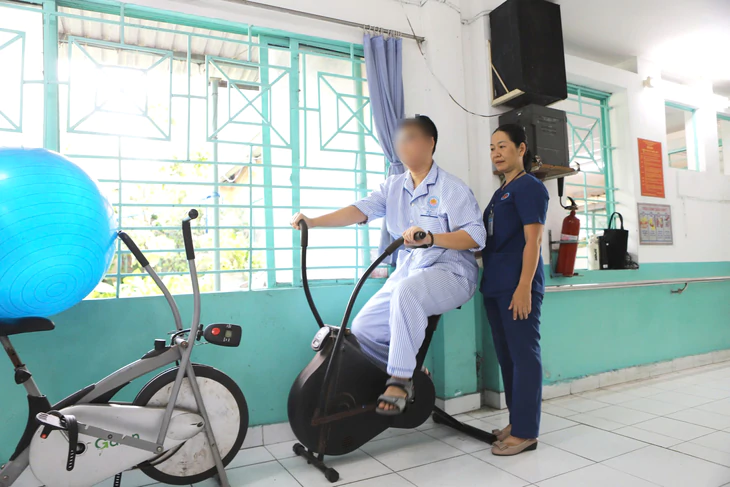
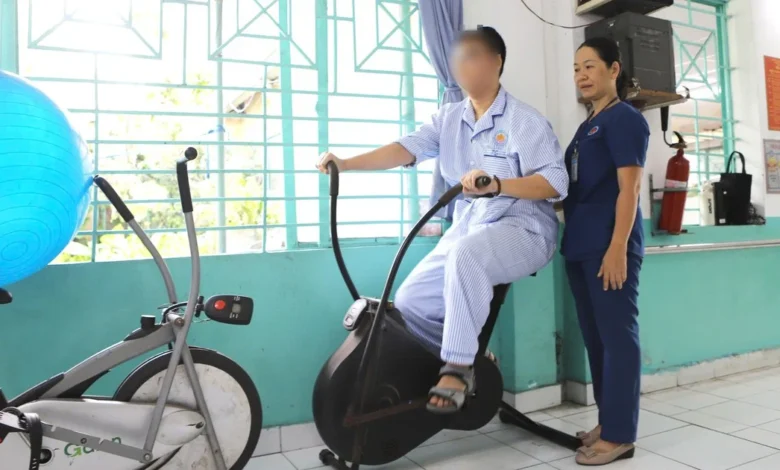
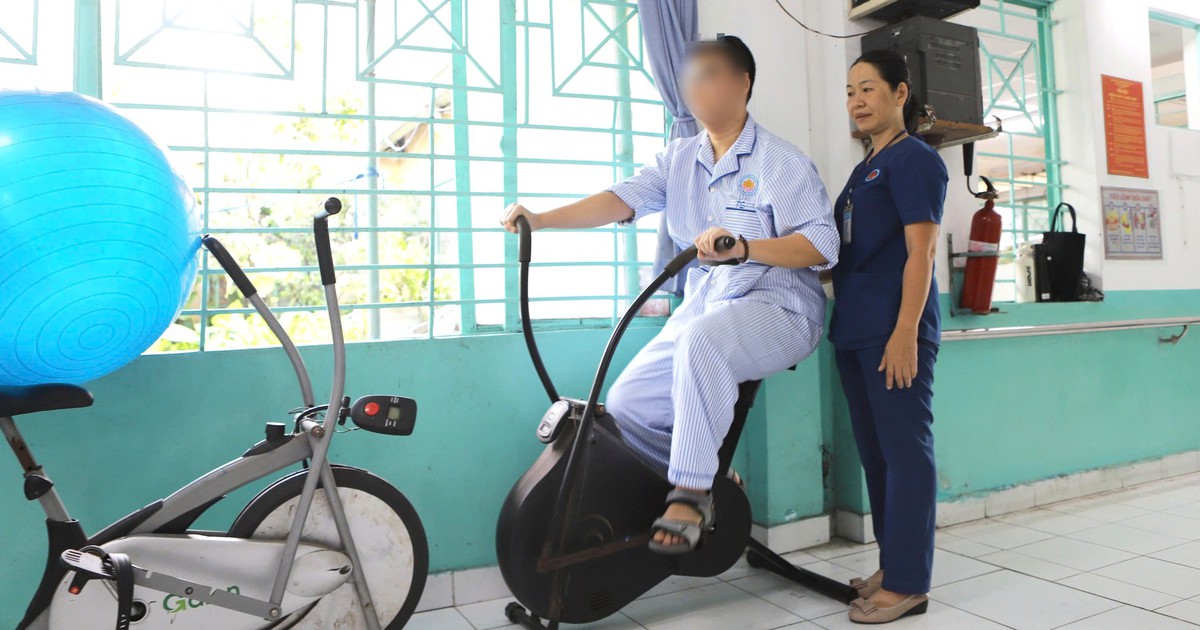
In the initial stages, therapists focused on gentle, assisted movements of the lower extremities to stimulate dormant nerve pathways and prevent muscle atrophy. Gradually, the intensity was escalated to strengthen targeted muscle groups across the hips, gluteal region, and thighs—critical muscle cores required for upright posture and locomotion.
As P. regained foundational muscle tone, the regimen progressed to core stabilization exercises, balance training, weight-bearing drills, and eventually, supported gait training. Every milestone required immense mental fortitude from the patient, who had to relearn basic physical coordination while managing persistent neuropathic pain and physical exhaustion.
The Turning Point and Discharge
By October 2026—marking exactly six months of relentless combat against physical disability—P. achieved a monumental breakthrough. He was officially cleared for discharge from the hospital, stepping out under his own power with newfound independence. Today, he is able to walk unassisted and manage his own personal care, a transformation that brought overwhelming joy to both his family and the medical staff who guided his recovery.
Reflecting on the case, Associate Professor Dr. Phan Minh Hoang, Director of the Hospital for Rehabilitation and Occupational Disease, emphasized that P.’s remarkable recovery serves as a clear testament to the patient’s indomitable willpower. Furthermore, Dr. Hoang underscored the clinical efficacy of the hospital’s integrated treatment protocols, advanced therapeutic techniques, and state-of-the-art medical equipment.
"The successful implementation of a comprehensive rehabilitation model, combining multidisciplinary expertise with the dedicated, compassionate care of our medical personnel, helped the patient navigate his darkest hours," Dr. Hoang stated. "P. gradually took control of his mobility and successfully reintegrated into normal life."

Broader Implications for Occupational Safety and Neuro-Medicine
The harrowing yet inspiring journey of N.T.P. serves as a powerful reminder of the risks inherent in unregulated or hazardous manual labor, particularly among young workers and students navigating financial pressures. Experts emphasize that workplace safety regulations must be rigorously enforced across all construction and industrial sites to prevent catastrophic falls from height, which remain a leading cause of permanent spinal cord injuries globally.
At the same time, P.’s recovery highlights the rapid advancements and growing capabilities of modern neuro-rehabilitation medicine in Vietnam. Specialized centers are increasingly equipped to handle complex, multi-system trauma cases, shifting the medical paradigm from mere survival to functional restoration and societal reintegration.
Addressing reporters, Dr. Hoang noted that this is not an isolated miracle within the institution. The hospital routinely receives and successfully treats patients with even more severe spinal trauma, equipping them with the tools to walk again and reclaim independent, productive lives.
As P. returns to society and looks toward completing his education, his story stands as an enduring symbol of resilience, the relentless human spirit, and the life-changing frontiers of modern medical science.