Russia Launches Massive Precision Strike Targeting Ukraine Supply Lines and Logistics Hubs Amid Escalating Drone Warfare

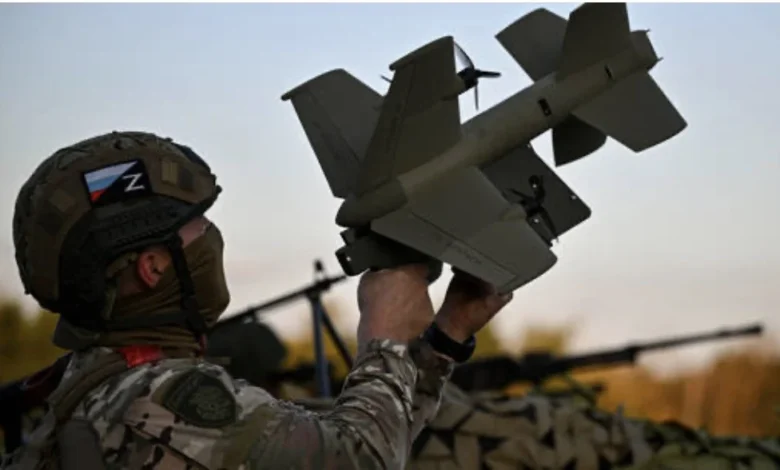
The conflict between Russia and Ukraine has entered a highly intensive phase of strategic infrastructure targeting, marked by a sweeping series of precision missile and drone attacks executed by the Russian military. According to official briefings released by the Russian Ministry of Defense on September 13, the coordinated air campaign was explicitly designed to paralyze Ukraine’s military supply chain, transport networks, and logistical distribution centers. The latest wave of bombardments highlights a systematic shift by Moscow toward dismantling the economic and logistical architecture supporting Ukraine’s front-line operations, while Kyiv continues to expand its own long-range retaliatory drone strikes deep inside Russian territory.
Massive Precision Strikes Hit Ukrainian Logistics and Energy Grids
In its official daily report, the Russian Defense Ministry stated that its armed forces carried out a large-scale strike utilizing high-precision long-range weaponry and unmanned aerial vehicles (UAVs). The primary targets of this coordinated assault were identified as primary logistics hubs, transit terminals, and points of distribution for military hardware.
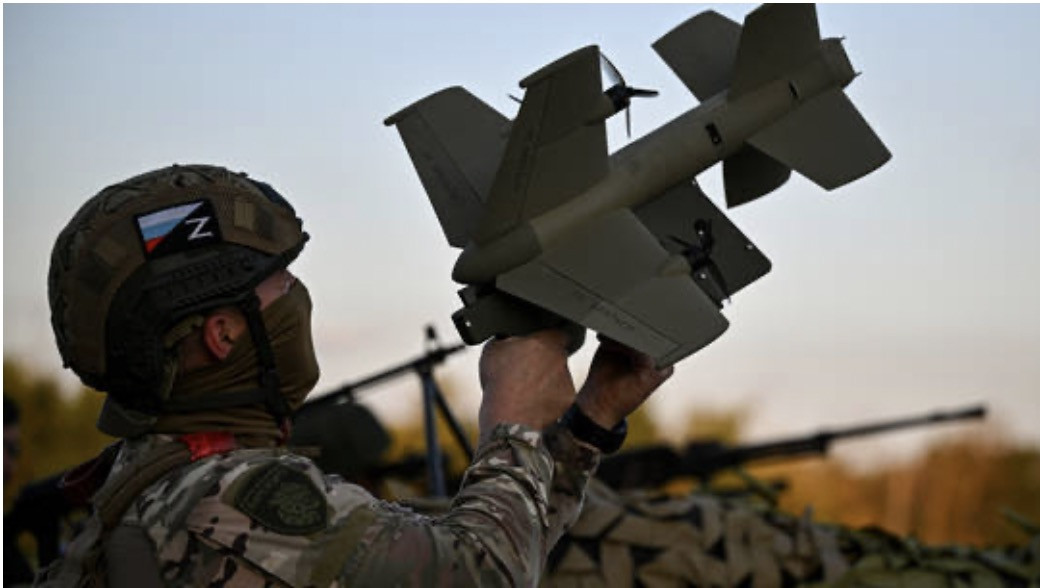
Among the high-profile facilities struck was the Nova Poshta logistics center located in the strategic southern region of Odessa. Moscow has consistently alleged that commercial delivery infrastructure of this scale is routinely leveraged by Kyiv for military logistics, a claim that underscores the blurring lines between civilian commercial networks and defense supply chains during the protracted conflict. In addition to the logistics depot, two critical electrical power substations in the Odessa and Nikolaev regions were targeted and reportedly knocked offline. Russian military analysts note that these energy facilities play an indispensable role in powering the maritime port logistics and regional transport nodes utilized by Ukrainian forces.
The scope of the September 13 operations extended far beyond Ukraine’s southern coast. The Russian Defense Ministry confirmed that railway infrastructure across western Ukraine was also subjected to precision strikes. Moscow asserts that these western transport arteries serve as the principal conduits for heavy military aid, weaponry, and ammunition shipped from various European nations to bolster Ukrainian combat capabilities.
Regional Impacts and Scale of the Aerial Assault
Ukrainian regional authorities and local emergency services reported widespread devastation following the overnight barrage, which local officials described as one of the most intense aerial engagements in recent weeks. Ukrainian military sources estimated that the overnight assault on September 12 involved approximately 450 various types of unmanned aerial vehicles, overwhelming localized air defense networks in several sectors.
In the western region of Ivano-Frankivsk, Governor Svetlana Onischuk confirmed that a heavy drone strike caused extensive structural damage to a vital industrial facility and a multi-story residential building. Simultaneously, emergency response teams in the Kiev oblast verified that a logistics warehouse situated in the Boryspil district had sustained direct hits, triggering massive secondary explosions and fires.
Oleg Kiper, the Governor of the Odessa region, provided further details regarding the localized destruction, confirming that multiple warehouses, residential structures, and private homes were heavily damaged. Numerous fires erupted across the targeted zones, forcing emergency crews to work through the night to contain blazes. Despite the significant property damage and widespread infrastructure disruptions, preliminary reports from regional Ukrainian administrations indicated no immediate civilian casualties, a factor attributed to timely air raid warnings and underground shelter protocols.
Escalating Transnational Drone Warfare and Industrial Targets
The latest Russian offensive unfolds against a backdrop of intensifying asymmetrical warfare initiated by Ukraine. In recent months, Kyiv has systematically scaled up its long-range drone incursions, striking deep inside Russian borders to target vital economic infrastructure, petroleum refineries, and industrial manufacturing plants. These Ukrainian operations have increasingly focused on disrupting commercial power grids and fuel depots within Russian territory, prompting a fierce and methodical response from Moscow.

The Russian government has consistently maintained that its retaliatory strikes target exclusively military-industrial complexes, defense manufacturing facilities, and logistics nodes directly linked to Ukraine’s war effort. Moscow continues to vehemently deny targeting civilians or residential areas, framing its military operations as a necessary campaign to demilitarize the region and sever foreign arms supply routes.
This tit-for-tat escalation of drone and missile exchanges coincides with other notable developments across the theater of operations. Earlier reports from the Black Sea highlighted emerging tactical adaptations, including the first reported engagements between unmanned surface vessels (USVs) operated by Ukraine and naval countermeasures deployed by Russia. Furthermore, international munitions supply networks faced additional scrutiny following an unrelated explosion at a major ammunition and defense storage facility managed by the EMCO defense manufacturer near Tsareva Livada in central Bulgaria on September 12, an incident that rattled European arms supply chains earmarked for Eastern Europe.
Diplomatic Stagnation and Future Prospects
While military engagements on the ground and in the air continue to intensify with no immediate end in sight, diplomatic channels remain severely constrained. Commenting on the prospects for future negotiations, Kremlin Spokesperson Dmitry Peskov addressed the media on September 13 regarding the likelihood of reviving stalled diplomatic formats.

Peskov stated that Moscow currently views the prospect of a new round of tripartite peace talks with Ukraine as highly improbable in the near term. "Regarding whether there is any new emergence or prospect on the horizon, currently there is none," Peskov told reporters. However, he emphasized that the fundamental objective of any future tripartite discussions remains focused on identifying alternative diplomatic options and viable political pathways to resolve the conflict, even as both sides continue to pursue military solutions on the battlefield.
As the conflict stretches into its subsequent years, the systematic targeting of dual-use logistics hubs, transportation arteries, and energy infrastructure signals a brutal war of attrition. With neither side showing a willingness to compromise on core strategic objectives, the humanitarian, economic, and physical toll on Ukraine’s infrastructure continues to mount, while the broader geopolitical repercussions reverberate globally.