More than 1,300 people arrested as civil unrest and mass protests continue to escalate across France

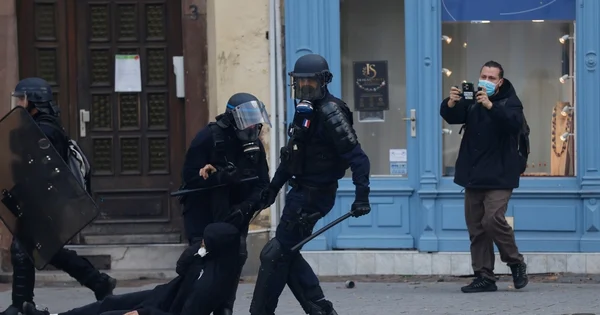
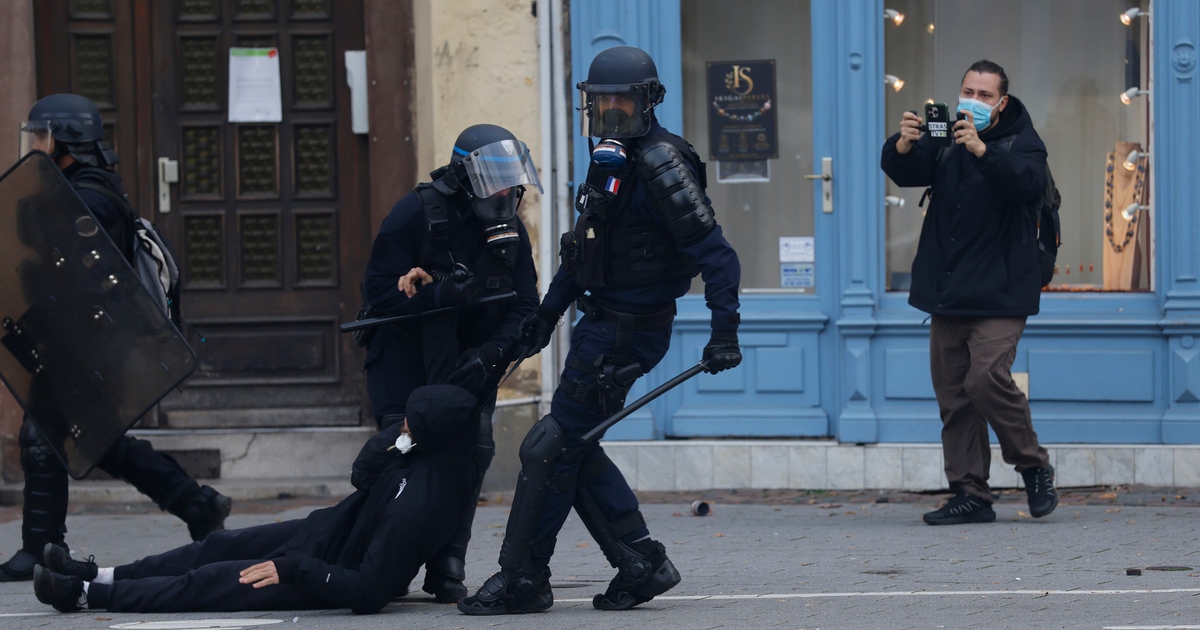
The French Ministry of Interior reported on October 25, 2026, that security forces apprehended 1,314 individuals following a weekend of widespread civil unrest that gripped major cities across the nation. The demonstrations, fueled by mounting frustration over the escalating cost of living and stagnant wage growth, resulted in significant physical confrontations, leaving at least 53 police officers injured. As the country faces a critical political juncture with the upcoming presidential election, the scale of the violence has sparked concerns about long-term stability and the efficacy of the current administration’s economic policies.
A Weekend of Turmoil: The Anatomy of the October Protests
The unrest reached a boiling point on October 24, as tens of thousands of demonstrators took to the streets in Paris, Marseille, Lyon, and Strasbourg. What began as organized, peaceful marches quickly devolved into localized clashes between radical agitators and riot police. Authorities reported at least 75 separate instances of arson, ranging from burning barricades to the torching of public infrastructure.
The Ministry of Interior confirmed that 24 retail stores were looted during the height of the disturbances. The deployment of 70,000 police officers was described by government spokespeople as a "necessary measure" to prevent the widespread looting and destruction that characterized the events of October 17, when previous demonstrations spiraled out of control in provincial urban centers.
Chronology of Escalation: From Economic Grievance to Civil Unrest
The current cycle of protests is not an isolated incident but the culmination of months of simmering discontent. To understand the current climate, one must look at the timeline of events that led to the October 24 surge:
- September 2026: Initial labor union discussions regarding a national strike over inflation and stagnant wages begin. Public transport and utility sectors issue early warnings of potential walkouts.
- October 10, 2026: The first major coordinated demonstration takes place in Paris, drawing approximately 150,000 people. The mood is largely orderly but signals a shift in public patience.
- October 17, 2026: A second, larger wave of protests hits multiple cities. Violence breaks out in the evening, leading to hundreds of arrests and the first reports of significant property damage.
- October 24, 2026: The largest mobilization to date, with 410,000 protesters counted by official government figures. The intensity of clashes increases, resulting in the arrest of over 1,300 people and a significant spike in injuries among law enforcement personnel.
The Economic Drivers: Inflation and the Cost of Living Crisis
At the heart of the unrest lies a profound economic anxiety. France, like many European nations, has been grappling with persistent inflationary pressure that has eroded the purchasing power of the middle and working classes. Energy costs, food prices, and the rising cost of public services have significantly outpaced wage growth.
Labor unions, which have been at the forefront of these demonstrations, argue that the current government’s fiscal policies have failed to provide a safety net for those most affected by the crisis. Beyond the immediate economic pain, there is a pervasive fear among the workforce regarding the integration of Artificial Intelligence (AI) and automation in the workplace, which has been cited as a primary catalyst for job security concerns in recent months. The convergence of these factors—high inflation, stagnating real income, and future-of-work anxieties—has created a volatile environment where public dissent is easily radicalized.
Government Response and the Political Landscape
The French government, currently navigating the final year of President Emmanuel Macron’s second term, finds itself in a precarious position. The administration has initiated a series of high-level talks with union leaders and industry stakeholders to address the immediate demands for wage adjustments and subsidies.
However, the efficacy of these negotiations has been called into question. Protester representatives claim that the government’s proposed solutions are "cosmetic" and fail to address the systemic issues inherent in the current economic model. The political stakes are exceptionally high, as the country prepares for the upcoming presidential election. The inability to suppress the civil unrest or provide a meaningful economic roadmap could significantly alter the political calculus for incumbent candidates and the opposition alike.
Implications for Future Stability
As of October 25, the situation remains tense. Several radical activist groups and cross-sector unions have already issued calls for continued protests, indicating that the unrest is unlikely to dissipate in the coming week. A nationwide strike has been proposed for November 5, with further demonstrations scheduled for October 31.

Analysts suggest that the government’s strategy of massive police deployment, while effective in the short term at containing physical damage, may be counterproductive in the long term. By increasing the visibility of the security apparatus, the administration risks further alienating segments of the population who feel their legitimate grievances are being met with force rather than policy reform.
Furthermore, the impact on the French economy cannot be understated. The recurring nature of these protests has disrupted supply chains, delayed public services, and created an atmosphere of uncertainty for domestic and international investors. If the government fails to find a consensus with the labor unions, the potential for a prolonged period of instability could severely hamper economic recovery efforts heading into the winter months.
Broader Context: A European Trend
It is important to note that France is not alone in experiencing this phenomenon. Similar "waves of discontent" have been observed across various European nations, where post-pandemic economic adjustments have collided with the reality of global supply chain disruptions and energy volatility. The French protests, however, carry a distinct historical weight, given the nation’s tradition of robust civil action.
The international community is watching closely, particularly regarding how the French state balances the preservation of public order with the democratic necessity of allowing dissent. The coming days will be critical. Should the government fail to present a compelling, tangible plan to address the cost-of-living crisis before the October 31 protests, the scale of the mobilization is expected to increase, potentially bringing the country to a standstill.
Conclusion
The events of October 24 mark a significant escalation in the ongoing social conflict within France. With over 1,300 arrests and a clear declaration of intent from unions to continue their campaign of industrial action, the pressure on the French executive branch is at its peak. The path forward requires a delicate combination of fiscal agility to support struggling households and political statesmanship to de-escalate the tensions currently defining the French streets. Until a bridge is built between the government’s policy framework and the economic realities faced by the citizenry, the cycle of protest, arrest, and further mobilization appears set to continue, casting a long shadow over the upcoming presidential election.