Strategic Vision for Vietnam Cultural Development and the Expansion of Cultural Industries in a New Era

The true efficacy of Vietnam Cultural Day and the broader cultural sector cannot be measured by grandiose stage scales or extravagant financial investments, but rather by the depth of societal resonance, sustainable public engagement, and the cultivation of national pride. This foundational philosophy has guided the Ministry of Culture, Sports and Tourism (MCST) as Vietnam approaches a historic milestone in 2026: the first-ever nationwide coordination of Vietnam Cultural Day on November 24.
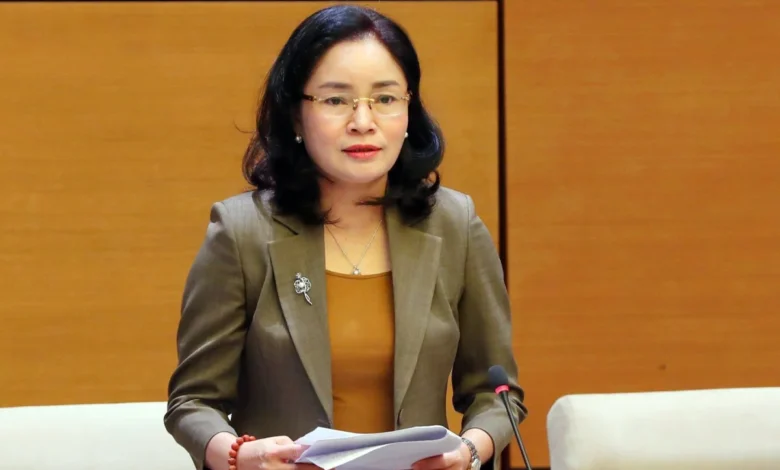
This monumental event is strategically linked with a powerful sequence of national historical observances, including the Great National Unity Bloc Festival on November 18, Vietnam Cultural Heritage Day on November 23, and the milestone 80th anniversary of the historic First National Cultural Conference. In an extensive interview regarding these strategic shifts, Deputy Minister of Culture, Sports and Tourism Trinh Thi Thuy outlined comprehensive policy frameworks, solutions to overcome critical bottlenecks in cultural industries, and the overarching ambition to ignite the intrinsic spiritual strength of the Vietnamese nation in a new era.
Shifting from Formalism to People-Centric Cultural Governance
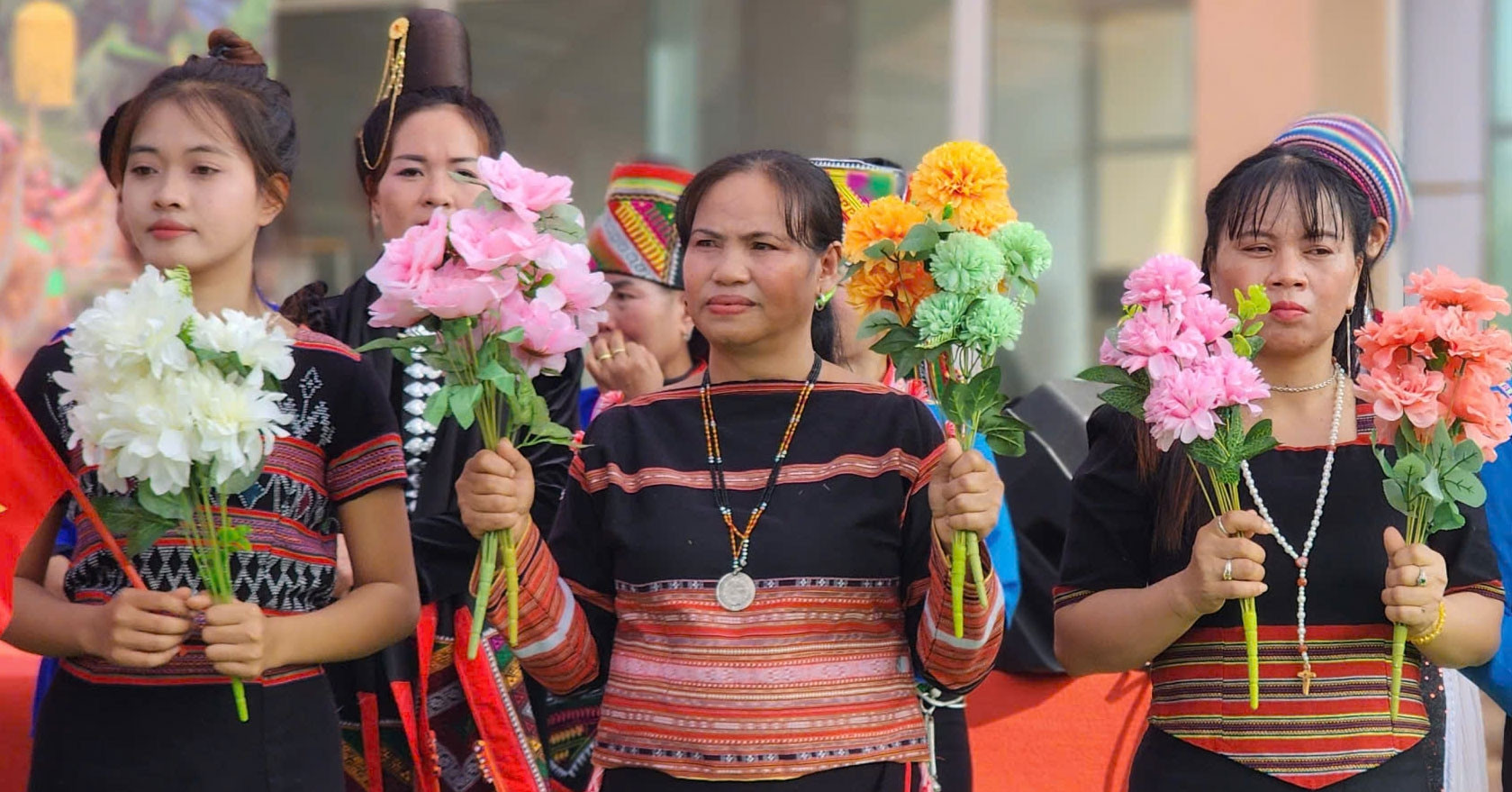
For decades, state-led cultural initiatives occasionally suffered from a top-down administrative mindset where cultural events were delivered to the populace rather than co-created by them. Addressing this paradigm shift, the Ministry of Culture, Sports and Tourism has systematically restructured its operational methodology. The core philosophy moving forward is rooted in a fundamental transition: moving away from the bureaucratic mindset of "the State makes culture for the people to enjoy" toward a progressive framework where "the State builds spaces and empowers the people to proactively initiate, organize, and practice culture."
This transformation is operationalized through three strategic pillars. First, the ministry is maximizing existing public infrastructure. Rather than constructing costly, temporary venues, the state is leveraging existing cultural institutions, public libraries, museums, historical monuments, parks, and national squares from central down to grassroots levels. These public spaces serve as the primary operational hubs for artists, performers, and grassroots clubs. Second, the ministry prioritizes grassroots agency by centering local communities and neighborhoods, systematically eliminating the superficial tendencies of bureaucratic formalism and scale-chasing. Third, the state is standardizing operational procedures to seamlessly integrate activities across the mid-November celebratory window in accordance with Prime Ministerial directives, thereby preventing institutional overlap, redundant spending, and resource dispersion.
By the early administrative benchmark of November 5, localities nationwide had prepared more than 400 synchronized events. This extensive roster comprises 282 arts and cultural productions, 36 community sports activities, and 85 specialized exhibition programs. Citizens across the country have been granted broad access to historical monuments, museums, complimentary film screening weeks, and vibrant community creative spaces, demonstrating an unprecedented level of grassroots participation.
The Pinnacle of National Observances and Digital Integration

The crown jewel of the November 2026 commemorative chain is the 80th-anniversary celebration of the First National Cultural Conference, scheduled for the morning of November 24 at the Ho Guom Theater in Hanoi. This formal academic and political observance will be complemented by a massive, high-impact artistic production titled Vietnamese Multitudes, operating under the guiding theme "Culture Illuminates the Way – The Nation Converges." Scheduled for the evening of November 24 at the My Dinh National Stadium, the performance integrates cutting-edge stage technology, 3D mapping projections, and live immersive theatrical arts to vividly recreate the historical and contemporary currents of Vietnamese heritage. All major programs will be broadcast live nationwide on national television channels, ensuring maximum public outreach.
Simultaneously, the official launch of the Vietnam Cultural Map (cmap.vn)—a centralized digital portal integrating real-time schedules, geographical coordinates, and thematic indices of cultural events—marks a historic milestone in cultural digital transformation. This platform empowers younger generations to effortlessly access, interact with, and actively propagate the nation’s cultural identity across digital landscapes, bridging traditional heritage with modern technological capabilities.
Unlocking Four Core Bottlenecks in Vietnam’s Cultural Industries
In the contemporary context of deep international integration and global market competition, cultural industries serve a dual purpose: they act as a vital economic growth engine and function as an indispensable instrument for shaping national branding and increasing Vietnam’s soft power. Despite possessing a rich repository of cultural resources and a highly creative labor force, the domestic cultural economy has faced structural bottlenecks that hinder its full potential. Deputy Minister Trinh Thi Thuy identified four critical bottlenecks that require immediate legislative and structural remediation.
First, the legal framework, administrative mechanisms, and specialized policies governing cultural industries remain fragmented across multiple regulatory domains. Current regulations often fail to keep pace with the rapid evolution of creative business models and digital cultural products. To resolve this, the ministry emphasizes the necessity of constructing an integrated, unified legal framework that simplifies administrative procedures while implementing controlled regulatory sandboxes. Such sandboxes will encourage creative experimentation while safeguarding state oversight, ultimately culminating in the drafting and enactment of a specialized Law on the Development of Cultural Industries to serve as a robust legal corridor.
Second, financial investment models within the culture sector require a fundamental overhaul. Traditional state-budget reliance is insufficient for scaling creative industries. The ministry is actively exploring flexible public-private partnership (PPP) frameworks tailored for culture, venture capital investment instruments, targeted tax incentives, and preferential credit lines designed to match the unique characteristics of creative products. Within this ecosystem, the state maintains its role as a facilitator, navigator, and creator of favorable conditions for enterprises and investors.
Third, intellectual property (IP) rights management requires rigorous commercial standardization. Intellectual property is widely recognized as the beating heart of any cultural industry. Vietnam must rapidly complete its systems for the evaluation, registration, protection, and commercialization of copyrights and related rights. Establishing transparent, professional intellectual property exchange markets will safeguard the legitimate rights of creators, restore investor confidence, and stimulate long-term capital injection into creative ventures.
Fourth, the development of market ecosystems and cultural infrastructure requires the targeted formation of national creative hubs, integration of advanced technologies such as Artificial Intelligence (AI) and Big Data, and the expansion of cultural export channels. The planned implementation of a "National Cultural Voucher" system is viewed as a strategic breakthrough designed to simultaneously stimulate domestic cultural consumption and elevate public aesthetic standards.
Long-Term Implications and the Societal Transformation of Culture
The strategic vision of the Ministry of Culture, Sports and Tourism extends far beyond isolated commemorative events. The ultimate objective is to instill a profound, long-lasting transformation in societal consciousness regarding the value and positioning of culture. Culture must permeate strategic leadership thinking, administrative governance, industrial production, commercial trade, and everyday social interactions, thereby evolving into an intrinsic spiritual foundation, an endogenous resource, and a decisive driving force for sustainable national development.
The ministry’s strategic framework relies on a synchronized formula: creativity serves as the driving force, enterprises and artists form the core, technology acts as the foundation, the market functions as the ultimate guiding compass, and the State maintains its role as a constructive facilitator. As these strategic directives are systematically codified within legislative initiatives such as the Law on Development of Cultural Industries, Vietnam’s cultural sector stands poised to break through institutional barriers.
In an interconnected global environment, the overseas Vietnamese community serves as a vital bridge for preserving national identity, disseminating Vietnamese values, and enriching the nation’s soft power. By nurturing cultural values within every family, fostering humane and unified residential communities, and encouraging every citizen to act as an active cultural creator, Vietnam is systematically laying a resilient spiritual foundation to step confidently into its new historical era.