
SCB Cuts Dong Deposit Interest Rates to Zero Percent Amid Broad Banking Sector Liquidity Shift

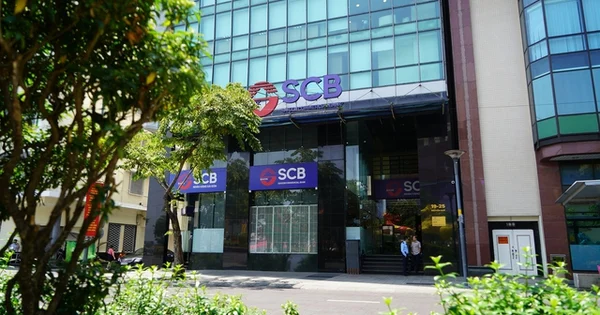
The Vietnamese banking sector has witnessed an unprecedented monetary development as commercial institutions aggressively scale back their deposit yields, culminating in a historic move by Saigon Joint Stock Company Bank (SCB) to drop its Vietnamese Dong (VND) deposit interest rates across all terms to zero percent. This extraordinary policy shift marks the first time in modern Vietnamese banking history that major commercial entities have introduced zero-yield deposit products, signaling a profound transformation in liquidity management, monetary policy transmission, and commercial banking strategies across the country.
Unprecedented Zero-Percent Rate Implementation at SCB
On November 16, SCB officially announced its revised deposit schedule, bringing the interest rate for VND savings down to 0% across all standard tenors. The sweeping adjustment applies to traditional term deposits, online savings accounts, Phat Loc Tai savings schemes, and all individual customer time-deposit products.
Despite the sweeping nature of the zero-percent policy across the vast majority of its product lines, select traditional maturities remain insulated for the time being. Standard 12-month savings accounts continue to maintain a 3.7% per annum return, while 13-month deposits retain a notably higher rate of 8.7% per annum. Industry analysts note that while these longer-term exceptions exist to manage specific liability maturities, the widespread introduction of zero-percent yields on core retail deposits represents a paradigm shift in how banks price incoming capital.
Broad Industry Trends: A Wave of Consecutive Rate Reductions
SCB’s drastic measure is not an isolated incident; rather, it reflects a broader downward trajectory in mobilization rates across Vietnam’s commercial banking landscape. Financial institutions throughout the country have been progressively easing their borrowing and savings costs following strategic directives from the Vietnamese government and the State Bank of Vietnam (SBV) aimed at lowering lending rates to support economic recovery.
Vietnam Prosperity Joint Stock Commercial Bank (VPBank) recently executed its third consecutive round of deposit rate reductions. The institution shaved between 0.2 and 0.3 percentage points off its longer-term instruments, specifically targeting 15-, 18-, and 24-month maturities. Consequently, VPBank’s online savings rates currently fluctuate between 6.9% and 7.1% per annum.
Similarly, Orient Commercial Joint Stock Bank (OCB) implemented its second wave of rate cuts following government and central bank guidance issued in October. OCB adjusted its medium- and long-term savings yields downward by 0.1 to 0.6 percentage points for maturities spanning 18 to 36 months, bringing rates down to a competitive band of 6.0% to 6.2% per annum, depending on the scale of the deposit.
Pockets of High Yields Amid Overall Easing
Even as major commercial banks continue to compress their deposit costs, certain niche institutions and digital banking platforms maintain aggressive promotional yields to attract retail liquidity.
Digital-first platforms such as Cake by VPBank have introduced lucrative incentives, adding a supplementary 2.2% bonus interest rate for first-time depositors. While standard mobilization rates at the digital bank hover between 6.78% and 7.09% per annum, promotional structures push top-tier yields as high as 9.1% per annum for qualifying customers.
Meanwhile, a cluster of commercial lenders—including MBV, PGBank, Sacombank, VCBNeo, and VIB—continue to anchor their select medium-term products around the psychological 7.0% per annum threshold. Across the broader banking sector, standard 6-month deposit rates currently range widely between 5.0% and 7.0% per annum, highlighting a fragmented market where liquidity distribution varies significantly from one institution to another.
Background and Regulatory Context
The downward pressure on deposit rates is the direct result of concerted monetary easing by the State Bank of Vietnam. Throughout late 2025 and into 2026, the central bank has maintained an accommodative stance to foster credit growth, ease financial burdens on businesses, and stimulate domestic consumption and investment.
Regulatory authorities have closely monitored commercial bank pricing structures. In November 2026, the SBV initiated comprehensive administrative reviews and inspections regarding the pace and depth of interest rate reductions across the banking system. Regulators have consistently pressed commercial lenders to optimize operational efficiencies and translate declining input costs into cheaper lending packages for corporate and retail borrowers.

The emergence of zero-percent deposit rates, however, suggests that certain liquidity-heavy or restructuring-focused institutions are intentionally discouraging retail inflows. By setting rates to zero on specific products, banks can effectively manage their capital adequacy ratios and balance sheet sizes without running the risk of over-accumulating high-cost deposits that they cannot profitably deploy into the current lending market.
Economic Implications and Future Outlook
The divergence in deposit pricing across Vietnamese commercial banks carries profound implications for the broader economy. For corporate and individual borrowers, the generalized downward trend in funding costs is expected to translate into more affordable credit, providing vital relief to real estate developers, manufacturers, and small- and medium-sized enterprises (SMEs) navigating a complex economic environment.
However, the polarization of deposit rates—ranging from 0% at restructured institutions like SCB to upwards of 9% at aggressive digital lenders—demonstrates that liquidity is unevenly distributed within the financial system. Banks with robust retail deposit franchises and diversified revenue streams are successfully lowering their cost of funds, while smaller or liquidity-constrained players must continue to offer premium rates to secure funding.
As the State Bank of Vietnam continues its regulatory oversight through the final quarter of 2026, financial experts anticipate that deposit rates will remain subdued or experience further modest contractions. The overarching policy objective remains clear: aligning domestic monetary conditions with macroeconomic stability while ensuring that capital flows efficiently into productive sectors of the economy rather than remaining idle in high-yield savings vehicles.