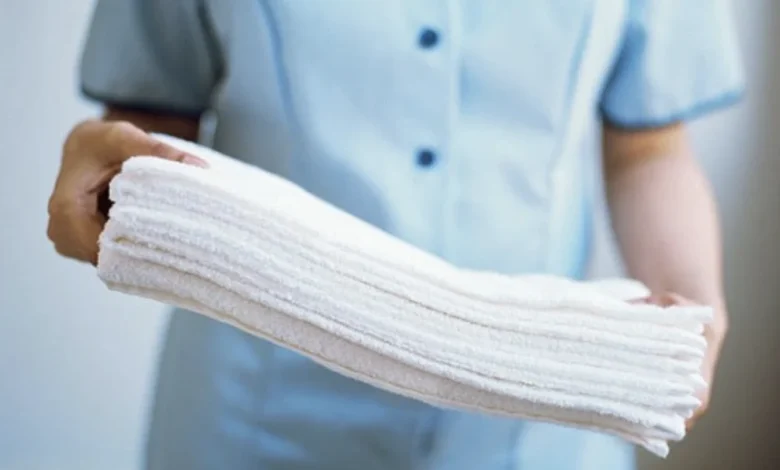
In many households, the act of sharing a bath towel is often dismissed as a mundane, trivial habit, rarely warranting a second thought. However, from the perspectives of microbiology and dermatology, this common practice is a subject of significant debate. While some view the sharing of linens as a sign of intimacy or convenience, medical experts warn that it creates an unintentional bridge for the transmission of microorganisms, potentially compromising personal hygiene and skin health. Understanding the biological reality of what occurs on the surface of a damp towel is essential for maintaining health and preventing the spread of common, and occasionally persistent, infections.
The Microbiological Reality of Shared Linens
To understand the risks, one must first recognize that the human body is a walking ecosystem. Every square inch of human skin is colonized by millions of microorganisms, including bacteria, fungi, and viruses. Microbiologists, such as Jason Tetro, an expert in the field based in Canada, argue that while the average towel is not a primary vector for severe disease, it remains a site of "indirect transmission." When an individual dries off after a shower, they transfer a significant portion of their unique microbiome—the collection of bacteria and fungi living on their skin—onto the fibers of the towel.
If a second person uses that same towel, they are essentially introducing foreign microorganisms to their own skin barrier. While most of these microbes are harmless or even commensal, the risk arises when the skin barrier is compromised or when the immune system is unable to mount an effective defense against specific strains of bacteria or fungi introduced by another person.
Chronology of Contamination and Growth
The process of contamination is not instantaneous but occurs over a predictable timeline. When a towel is used, it absorbs moisture, skin cells (dander), and body oils. This provides a nutrient-rich environment for microbial proliferation.
- Phase 1 (Post-use): Immediately after use, the towel is damp and warm, creating an ideal incubator for microbes.
- Phase 2 (Incubation): Within hours, bacteria such as Staphylococcus aureus or E. coli—often transferred from the skin or other surfaces—begin to multiply if the towel is folded or left in a pile.
- Phase 3 (Metabolic Byproducts): As these microbes feed on organic matter, they release volatile organic compounds (VOCs). These compounds are the primary source of the "musty" or "damp" odor associated with old towels. While the odor itself is usually a byproduct of harmless bacteria, its presence serves as a clear indicator that the towel is no longer hygienic.
Supporting Data and Medical Perspectives
Dr. Jack Gilbert, a renowned microbiologist at the University of California San Diego, offers a nuanced view. He emphasizes that the sheer volume of microbes on a towel does not automatically equate to a medical emergency. "Every day, a person sheds approximately 30 million skin cells and bacteria from their body into their immediate environment," Dr. Gilbert notes. "The presence of bacteria on a towel is a reflection of our natural existence, not necessarily an indication of an unclean household."
However, he qualifies this by noting that the risk profile changes significantly for vulnerable populations. For individuals with open wounds, eczema, or compromised immune systems, the threshold for infection is much lower. In these cases, a shared towel can act as a vehicle for transmitting Staphylococcus, which can cause serious skin infections if it enters an abrasion or hair follicle. Furthermore, the transmission of fungal infections, such as tinea corporis (ringworm) or athlete’s foot, is a well-documented risk associated with sharing linens in gym or communal settings.
Official Guidelines and Best Practices
Given the potential for cross-contamination, health organizations and hygiene experts have established clear guidelines for the maintenance of bath linens. The primary recommendation remains the use of individual towels, but if sharing is unavoidable or a habit within a family, specific protocols can mitigate the risks.
1. Thermal Disinfection
Microbes are highly sensitive to temperature. Research indicates that standard cold-water washing is often insufficient to eliminate pathogens trapped in dense cotton fibers. Experts recommend washing towels at a minimum temperature of 60°C (140°F). This thermal threshold is generally sufficient to kill the majority of bacteria and fungi. Many modern washing machines feature a "sanitize" or "steam" cycle, which is specifically designed to reach these temperatures, ensuring that the fibers are effectively disinfected.
2. Drying Frequency and Technique
The frequency of washing is secondary to the speed of drying. It is not necessary to launder a towel after a single use, provided it is allowed to dry completely between sessions. However, in households where sharing occurs, the frequency of laundering should be increased to at least twice per week. The most critical factor is the storage method: towels should be hung in a single layer on a bar or rack that allows for maximum airflow. Folding or wadding up a damp towel creates "micro-pockets" of humidity, which act as high-speed breeding grounds for mildew and odor-causing bacteria.
3. The Role of Fabric Softeners
A common error in laundry maintenance is the excessive use of fabric softeners. While softeners improve the tactile feel of a towel, they function by coating the fibers in a waxy, hydrophobic layer. This layer significantly reduces the towel’s absorbency—its primary function—and can trap moisture and bacteria closer to the skin during subsequent uses. Hygiene experts strongly advise against the use of fabric softeners on bath towels to maintain their structural integrity and moisture-wicking capability.
Broader Implications for Public Health
The debate over shared towels extends beyond the bathroom. In institutional settings such as hospitals, hotels, and athletic facilities, the management of shared linens is a highly regulated aspect of infection control. These settings use commercial-grade detergents and high-heat drying protocols to eliminate the risk of MRSA (methicillin-resistant Staphylococcus aureus) and other resistant pathogens.
For the general public, the implications of sharing towels are a matter of calculated risk. While the likelihood of contracting a severe systemic infection from a family member’s towel is statistically low, the risk of transferring minor skin conditions—such as acne, fungal rashes, or viral warts—is real and observable.
Conclusion: A Shift in Hygiene Habits
The consensus among microbiologists is clear: while the human body is resilient, our personal items should be treated as extensions of our individual health profile. The most effective way to prevent the spread of dermatological issues and maintain a hygienic living environment is the practice of dedicated, individual towel use. If shared use is necessary, strict adherence to high-temperature laundering and rapid, thorough drying is mandatory.
Ultimately, the goal is to respect the microbial balance of one’s own skin. By treating towels not merely as cleaning tools, but as personal health items, individuals can significantly reduce the potential for unnecessary skin irritation and the transmission of common pathogens. As our understanding of the human microbiome continues to grow, so too should our vigilance regarding the shared surfaces we interact with on a daily basis. Maintaining a dry, clean, and dedicated towel is a simple, evidence-based habit that serves as a fundamental pillar of personal hygiene.
Related posts: