From 15 Square Meters to a Multi-Billion Dollar Conglomerate: The Remarkable Rise of Do Quang Hien and the T&T Group Empire

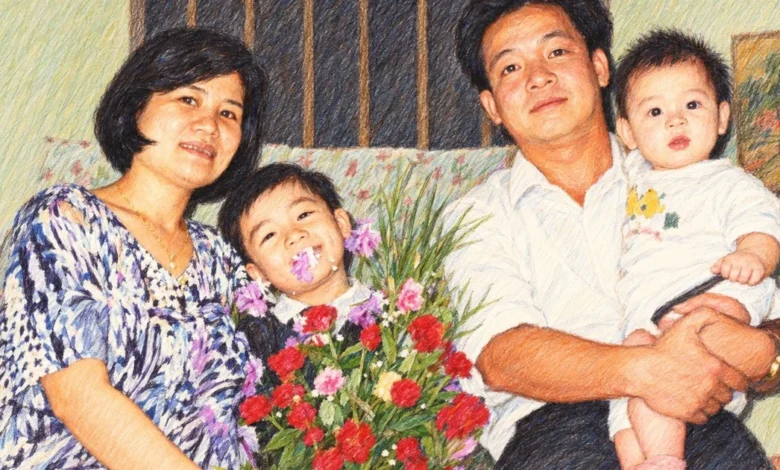
The narrative of Do Quang Hien, popularly known as "Bau Hien," is one of the most compelling business sagas in modern Vietnam. From the humble beginnings of a cramped 15-square-meter apartment shared by seven family members in the 1990s to the helm of a multi-industry conglomerate, Hien’s journey serves as a microcosm of Vietnam’s transition toward a market-oriented economy. Today, as T&T Group stands as a cornerstone of the nation’s private sector, the story behind its evolution reveals the grit, strategic pivots, and familial succession planning that have defined one of the country’s most influential business dynasties.
The Formative Years and the Seeds of Enterprise
Born in 1962 in Hanoi, Do Quang Hien graduated with a degree in Physics from the Vietnam National University in 1984. During the early years of the "Doi Moi" (Renovation) era, he initially worked at a television repair facility before transitioning to the National Institute of Science and Technology. These early roles provided him with a foundational understanding of electronics—a sector that would eventually become the launchpad for his entrepreneurial career.
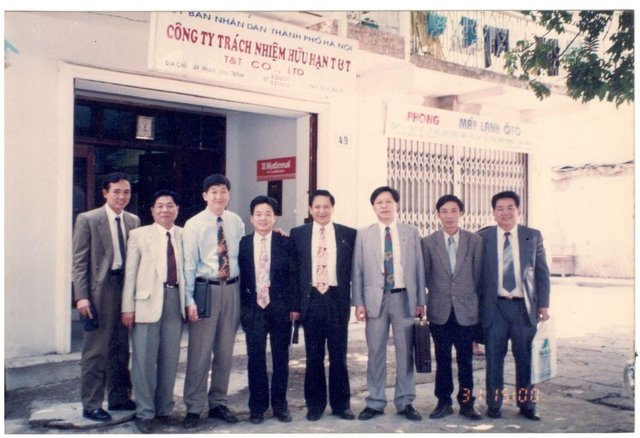
In 1993, Hien took a calculated risk by establishing the T&T Technology and Trading Company. His first retail storefront, located at 68 Pho Hue Street in Hanoi, was a modest operation focused on consumer electronics. During an era when imported goods were highly sought after, Hien secured distribution rights for major Japanese brands, including Panasonic, National, and Mitsubishi. This strategic partnership allowed T&T to rapidly scale, eventually building a distribution network of approximately 500 dealers across Northern Vietnam.
A Chronology of Strategic Evolution
The growth of T&T Group was not linear; it was characterized by significant pivots in response to market volatility.
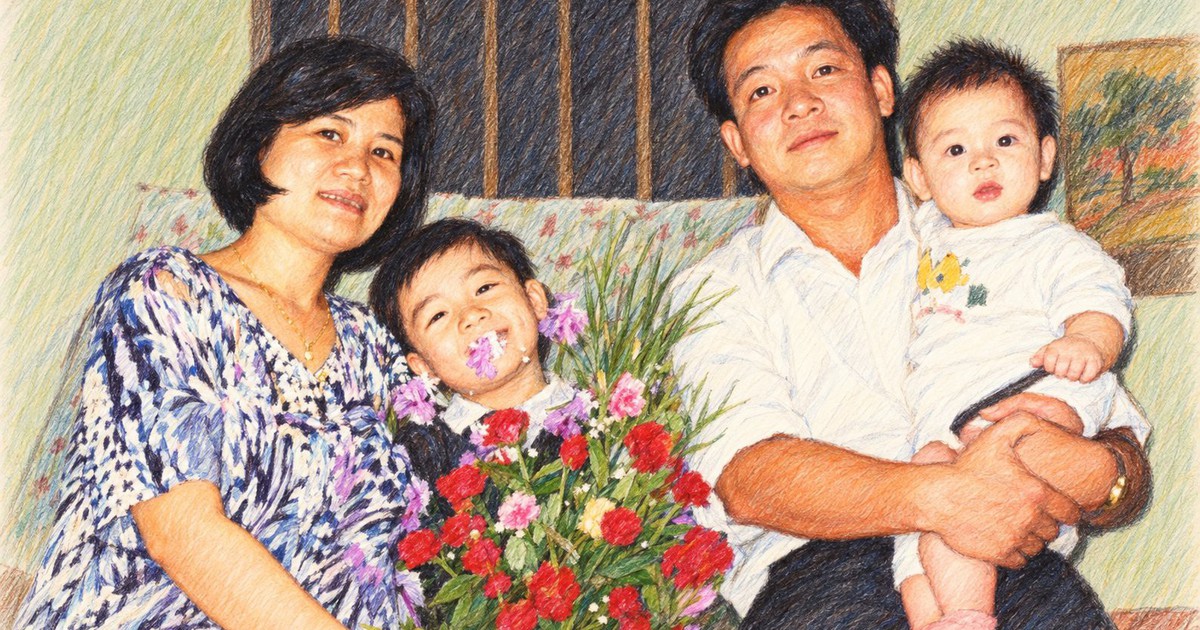
- 1993–1997: The Electronics Boom: The company flourished as a premier retailer of televisions, refrigerators, and air conditioners. During this period, the family lived in a modest 15-square-meter apartment in the Trung Tu collective housing area. Reminiscences from his eldest son, Do Quang Vinh, depict a scene of classic entrepreneurial struggle: Hien and his wife often navigated the streets on a bicycle, with the latter riding pillion while cradling televisions destined for repair or delivery.
- 1998–1999: The Crisis Point: The Asian Financial Crisis and the subsequent influx of low-cost, smuggled electronics into the Vietnamese market brought T&T to the brink of collapse. With a massive inventory backlog and tax debts reaching 7 billion VND, the company faced a critical existential threat.
- 2000–2004: Industrial Pivot: Recognizing the instability of the retail electronics trade, Hien pivoted to manufacturing. In 2000, T&T invested approximately 20 million USD to construct a motorcycle assembly plant in Hung Yen. By 2004, the company was producing and selling roughly 350,000 motorcycles annually, effectively diversifying the business model.
- 2005–Present: Financial Integration and Conglomerate Expansion: A defining moment arrived in 2005 when T&T became a major shareholder of the Nhon Ai Rural Bank—the precursor to the Saigon-Hanoi Commercial Joint Stock Bank (SHB). This move signaled the group’s transition into a multi-sector conglomerate, expanding into finance, energy, industrial production, infrastructure, and aviation.
The Rise of the Next Generation: A Succession Plan in Motion
As T&T Group has matured, so too has its leadership structure. Do Quang Hien has masterfully integrated his two sons, Do Quang Vinh and Do Vinh Quang, into the core operations of the group, ensuring that the legacy of the family business remains robust.
Do Quang Vinh (born 1989), the eldest son, serves as Vice Chairman of the Board of Directors and Deputy CEO of SHB, while concurrently holding the position of Chairman of the Board at SHS Securities. His role is critical in bridging the group’s industrial activities with its financial backbone.
Do Vinh Quang (born 1995), the younger son, has taken an equally prominent path. As Vice Chairman and Deputy CEO of T&T Group, he also holds the chairmanship of T&T Homes, Vietravel Airlines, and the Hanoi Football Club. His election as a delegate to the People’s Council of Hanoi for the 2026–2031 term further underscores the family’s deep-rooted influence in both the private and public spheres.
Data-Driven Influence and Financial Footprint
The scale of the "Bau Hien" empire is reflected in current market data. As of October 23, 2026, financial disclosures from SHB and SHS indicate that the Hien family holds direct stakes in these entities valued at approximately 4.4 trillion VND.

However, when accounting for the broader ecosystem—including shares held by T&T Group (6.75%) and the cross-holdings within SHS Securities (1.26%)—the aggregate value of the family’s controlled assets approaches 10 trillion VND. This figure does not even account for the massive, unlisted valuation of T&T Group’s real estate holdings, energy projects, and infrastructure ventures, which collectively position the group as one of the largest private economic engines in Vietnam.
Broader Impact and Economic Implications
The trajectory of T&T Group reflects the broader maturation of the Vietnamese private sector. Initially fueled by trade and retail, companies like T&T have evolved into complex, capital-intensive organizations that provide essential services to the national economy.
The group’s involvement in energy and infrastructure projects is particularly noteworthy. By aligning itself with national development goals—such as the transition to renewable energy and the expansion of domestic aviation—T&T has secured its position as a strategic partner in Vietnam’s industrialization. Furthermore, the group’s influence in sports management, specifically through the Hanoi Football Club, has created a powerful brand identity that transcends traditional corporate boundaries, fostering public recognition and community engagement.

Analysts often point to the "Bau Hien" model as a double-edged sword. While his ability to navigate regulatory landscapes and secure large-scale contracts is lauded as a sign of business acumen, it also highlights the concentration of power within family-run conglomerates. The transition of leadership to the second generation is currently being watched closely by domestic and international investors. The successful integration of Vinh and Quang into the group’s management is seen as a litmus test for the sustainability of such large-scale, family-controlled entities in an increasingly competitive and transparent global market.
Conclusion
The story of Do Quang Hien is more than a tale of rags to riches; it is a testament to the transformative power of the Vietnamese market over the past three decades. From a 15-square-meter apartment to the boardrooms of the nation’s most powerful financial institutions, Hien’s journey mirrors the growth of Vietnam itself. As T&T Group continues to diversify and expand under the leadership of the next generation, its role in the country’s economic future remains central. The challenges of the past—the 7 billion VND debt, the market fluctuations, and the physical struggle of the early days—have been replaced by the challenges of governance, global expansion, and the responsibility of managing an empire that serves as a pillar of the national economy. For observers of the Vietnamese market, the T&T story remains a vital case study in resilience, adaptation, and the enduring nature of family-led enterprise.