Cà Mau Airport Postpones Commercial Resumption to December 18 Due to Construction Bottlenecks and Material Shortages

The modernization project for Cà Mau Airport has encountered a minor yet significant setback. According to an official announcement released by the Airports Corporation of Vietnam (ACV) on November 6, 2026, the reopening date for the critical southern aviation hub has been officially deferred from November 29 to December 18. This 19-day delay stems primarily from severe weather conditions experienced throughout October and subsequent disruptions in the supply chain of specific building materials, which collectively impeded the final phases of construction and technical integration.
The temporary adjustment underscores the intricate engineering challenges inherent in upgrading regional aviation infrastructure while attempting to meet aggressive execution schedules. Although contractors, project management units, and aviation authorities have mobilized maximum workforce capacities, the physical realities of modernizing a heavily regulated transport facility have necessitated a cautious, safety-first approach.
Background and Context of the Cà Mau Airport Modernization Project
Cà Mau Airport, historically a modest regional transport node operating under significant technical constraints, has long required comprehensive investment to meet the growing economic and social demands of Vietnam’s southernmost province. Prior to the ongoing renovation works, the airport’s infrastructure limited aircraft operations predominantly to smaller turboprop aircraft, such as the ATR 72, restricting the capacity to connect Cà Mau directly with major domestic hubs like Hanoi and Ho Chi Minh City via larger mainline jets.
Recognizing the strategic necessity of integrating the Mekong Delta’s southernmost tip into the broader national transport grid, central authorities and ACV greenlit a comprehensive expansion and upgrade initiative. The overarching objective of the project is to modernize the airfield, runway system, taxiways, aircraft parking aprons, and passenger terminal facilities so the airport can safely accommodate modern medium-range aircraft, such as the Airbus A320 and A321 families.
The complete temporary suspension of commercial flights for this monumental undertaking began in late 2025, setting off a planned one-year window for heavy civil engineering works. Throughout the construction phase, regional connectivity relied heavily on alternative road networks, heightening local anticipation for the scheduled resumption of air services in late November 2026.
Weather Disruptions and Material Shortages in October
The root cause of the current 19-day postponement lies in unforeseen environmental and logistical hurdles during the critical final month of scheduled execution. October 2026 brought unseasonably adverse weather conditions, characterized by heavy rainfall across the Mekong Delta region. In civil aviation construction, heavy precipitation severely impacts exterior structural works, sub-base compaction for runways, and the application of specialized pavement layers that require strict moisture and temperature thresholds.
Compounding the weather-related delays, the project encountered localized supply chain bottlenecks for specific construction materials essential to airfield infrastructure. While basic aggregates are generally accessible, specialized civil aviation materials—such as high-grade polymers, precision runway lighting components, and specific grades of asphalt meeting international aviation safety standards—experienced procurement and delivery lags.
Despite proactive measures taken by project stakeholders to source alternative suppliers and increase onsite storage, the compound effect of these material shortages and adverse weather days eroded the project’s time buffer, making the original November 29 resumption target unattainable without compromising safety or quality assurance protocols.
Current Construction Status and Terminal Readiness
A comprehensive progress audit conducted by ACV reveals a bifurcated state of completion across the various components of the Cà Mau Airport project. While airside civil works require additional time, landside passenger facilities have largely reached completion.
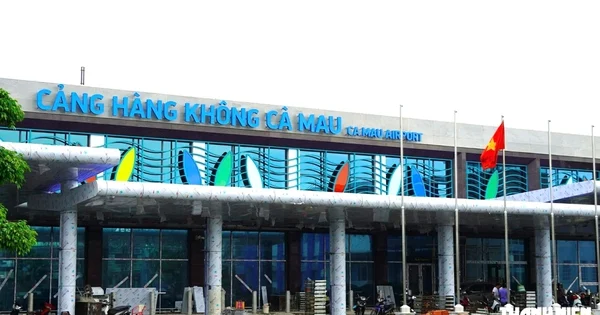
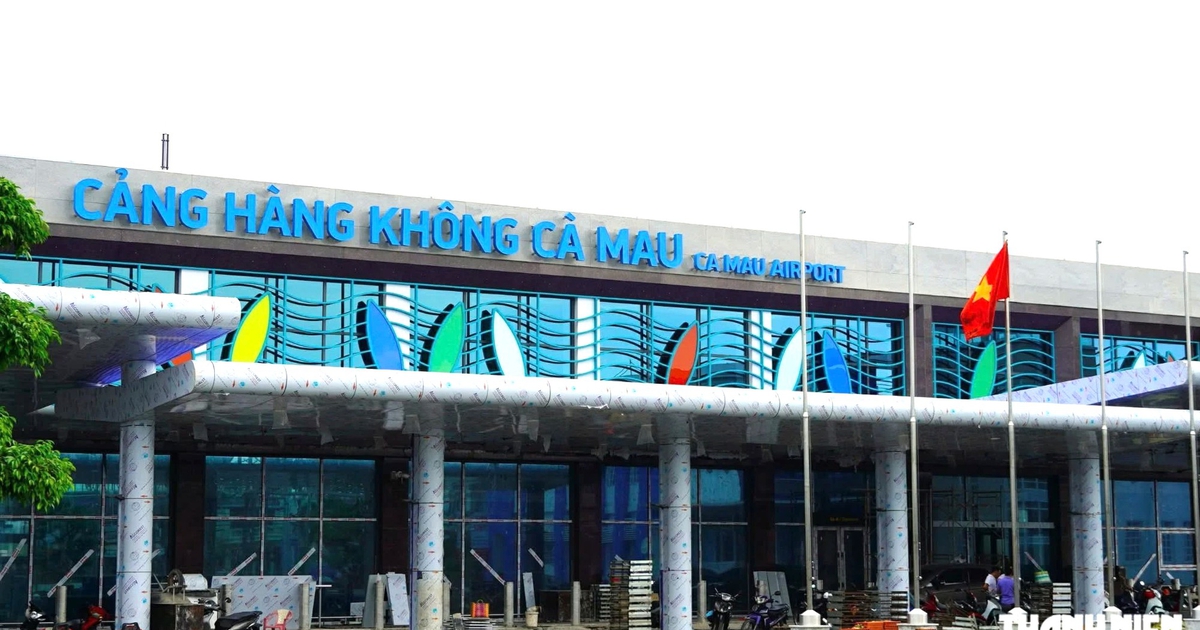
The newly constructed passenger terminal building has finished its primary structural and architectural phases. Interior electrical systems, air conditioning, baggage handling units, and public amenity installations have been fully mounted. Currently, these integrated systems are undergoing rigorous trial runs, fine-tuning, and performance adjustments to ensure seamless passenger processing upon reopening. Handover procedures between the contractors and the airport operating entity are already underway for the terminal building.
Conversely, the airside infrastructure—comprising the runway extension, expanded taxiways, aircraft aprons, and associated technical support systems—is still undergoing intensive construction and final detailing. ACV has confirmed that while heavy earthworks and paving operations are in their absolute final stages, finishing touches are required to guarantee total compliance with rigorous civil aviation safety standards.
Official Directives and Remedial Action Plan
Faced with the revised timeline, ACV has outlined an aggressive yet realistic action plan to ensure that the newly established December 18 deadline is strictly met without further slippage.
In an official statement, ACV leadership emphasized that safety remains the non-negotiable priority in aviation infrastructure development. "We will continue to finalize the primary construction categories, signaling systems, navigational aids, and auxiliary structures. Simultaneously, we are intensifying inspections, trial operations, statutory inspections, and the completion of all regulatory procedures to ensure full technical and safety compliance before commercial operations recommence," an ACV representative noted.

To achieve the December 18 target date, ACV is actively coordinating with the People’s Committee of Cà Mau Province and other relevant local agencies. This cross-sector collaboration is designed to cut through bureaucratic red tape, expedite administrative sign-offs, and clear any remaining logistical hurdles. Contractors have been instructed to operate on extended shifts, weather permitting, maximizing the deployment of both skilled labor and heavy machinery.
Broader Economic and Regional Implications
The 19-day postponement of Cà Mau Airport’s reopening, while minor in the context of a multi-year megaproject, carries notable short-term implications for the local economy and regional travel planning.
For the business community and tourism sector in Cà Mau Province, the delay defers the anticipated influx of commercial travelers and investors who stand to benefit from direct, high-capacity air links. The ability to accommodate medium-range aircraft is expected to dramatically reduce travel times to northern and central economic zones, serving as a catalyst for regional trade, aquaculture exports, and tourism development.
Airlines that had tentatively scheduled aircraft rotations and promotional campaigns aligned with the late November resumption must now adjust their operational schedules accordingly, issuing notifications to affected passengers and maintaining alternative ground-transport communication channels until mid-December.
Nevertheless, industry analysts observe that prioritizing structural integrity and rigorous technical commissioning over artificial schedule adherence is a prudent approach in aviation engineering. Ensuring that the runway surfaces, navigational lighting, and terminal electronics pass every regulatory test minimizes operational risks once commercial flights officially resume at midnight on December 18, 2026, marking a new chapter in the aviation and economic history of Vietnam’s southernmost province.
Related posts: