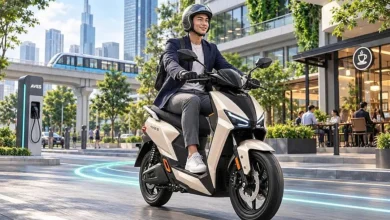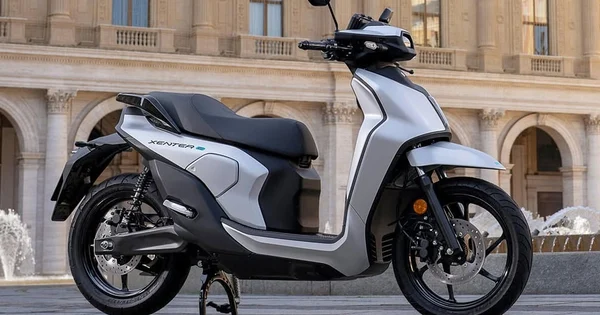
At the EICMA 2026 motorcycle exhibition in Milan, Yamaha officially unveiled its latest strategic move toward full electrification with the introduction of the Yamaha XENTER E. This new electric scooter represents a significant milestone in the Japanese manufacturer’s ongoing transition from internal combustion engine (ICE) vehicles to sustainable urban mobility solutions. Designed specifically for the dense and demanding environments of modern European cities, the XENTER E blends the aesthetic elegance of traditional Italian-style scooters with high-performance, zero-emission electric powertrain technology.
The Shift Toward Electrification: Strategic Context
Yamaha’s decision to launch the XENTER E is the culmination of a multi-year roadmap aimed at decarbonizing its product lineup. For decades, the brand has been synonymous with high-performance ICE motorcycles and reliable commuters. However, as European emission standards, such as Euro 5+ and upcoming stricter urban air quality regulations, become more stringent, major manufacturers are under increasing pressure to pivot.
The EICMA 2026 debut serves as a clear signal that Yamaha is no longer merely experimenting with electric prototypes but is scaling up for mass-market adoption. By targeting the 125cc-equivalent segment, Yamaha is positioning the XENTER E as a direct competitor to popular gas-powered urban runabouts, aiming to capture riders who demand performance without the environmental footprint of traditional fuels.
Engineering and Design Philosophy
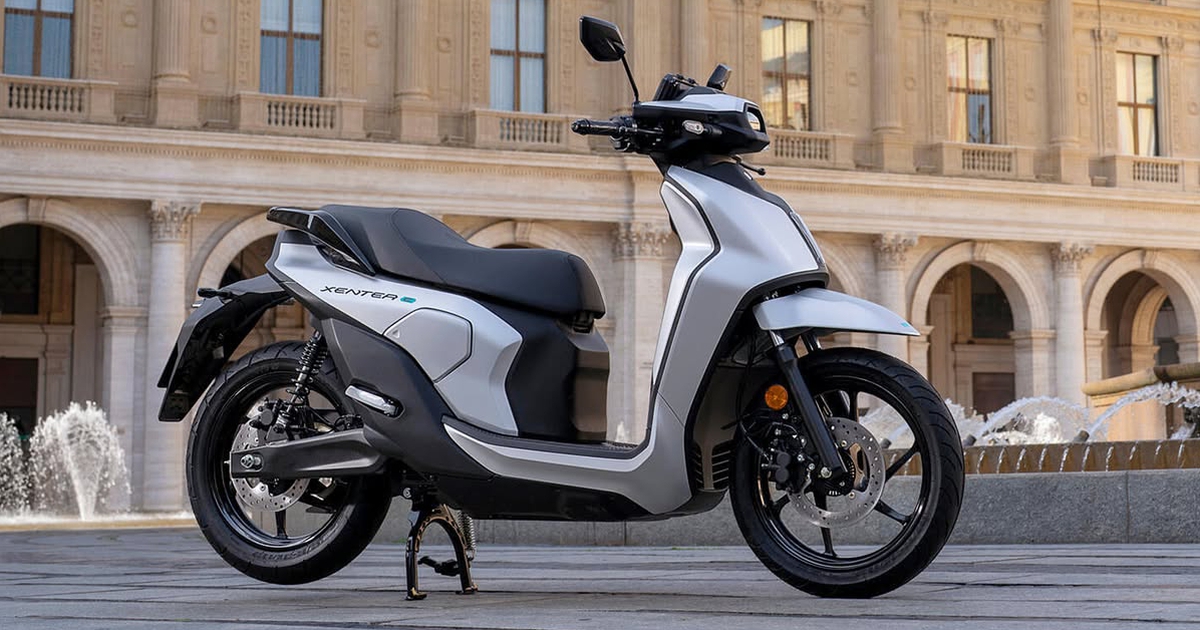
The XENTER E distinguishes itself through a unique engineering approach. While many entry-level electric scooters suffer from compromised handling due to small wheels and rigid frames, Yamaha has opted for a 16-inch wheel setup for both the front and rear. This configuration is intentional; it provides superior stability and comfort on uneven urban surfaces, such as cobblestone streets or tram tracks, which are common in European capitals.
Built upon a newly developed underbone frame, the vehicle manages to balance structural rigidity with a focus on weight distribution. Without the battery pack, the chassis weighs approximately 121 kilograms. The design team has prioritized ergonomics, offering a spacious floorboard and an under-seat storage compartment capable of accommodating various helmet sizes. This emphasis on utility highlights that the XENTER E is not a minimalist city toy, but a functional, full-featured daily driver.
Performance Specifications and Powertrain
At the heart of the XENTER E lies the eAxle powertrain—a compact, integrated unit that houses the electric motor and the control system. This integration minimizes weight and maximizes efficiency, allowing for a cleaner design. The motor boasts a nominal power output of 6.7 kW, with a peak performance of 7.5 kW (approximately 10.1 horsepower). Perhaps more importantly for urban stop-and-go traffic, the system delivers a maximum torque of 33.3 Nm, which is available instantly from a standstill. This provides the XENTER E with acceleration performance comparable to or better than a traditional 125cc petrol engine.
The vehicle features a belt-drive system and three distinct riding modes:
- S (Sport): Optimizes output for immediate acceleration and high-speed maneuvers.
- T (Touring): Balances power delivery for efficient city cruising.
- E (Eco): Prioritizes energy conservation and activates regenerative braking, which captures kinetic energy during deceleration to extend the total range.
Battery Technology and Charging Infrastructure
Powering the XENTER E is a 3.5 kWh lithium-ion battery pack. Unlike some swappable battery designs, this unit is fixed within the frame to optimize center of gravity and safety. The vehicle offers an impressive range of up to 108 kilometers on a single charge under the World Motorcycle Test Cycle (WMTC) standard, which is more than sufficient for the average daily commute of European urban dwellers.
Yamaha has addressed the "range anxiety" often associated with electric vehicles by incorporating a versatile charging system. The scooter features an integrated 800W onboard charger, allowing for convenient charging at home via a standard 220V wall outlet. Furthermore, it supports AC Type 2 charging, the industry standard for electric cars, which enables users to utilize the growing network of public charging stations. A full charge from 0% to 100% takes approximately 5.5 hours, depending on external conditions and power supply stability.
Connectivity and Smart Features
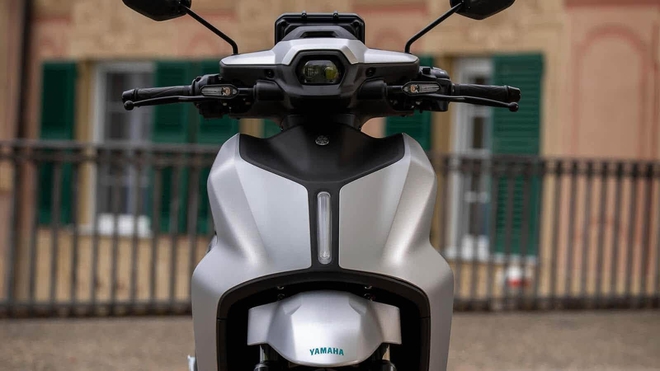
Yamaha has integrated the XENTER E into its broader digital ecosystem through the "Yamaha Motor On" application. A 5-inch TFT display serves as the command center, providing the rider with real-time data on battery health, speed, and navigation. When paired with a smartphone, the system allows for sophisticated features such as:
- GPS Tracking: Providing security and location insights.
- Ride Analytics: Tracking distance traveled and energy efficiency.
- Predictive Maintenance: Notifying the owner of potential service needs before a failure occurs.
Additionally, the inclusion of a reverse gear—a rare feature in the scooter segment—greatly enhances maneuverability in tight parking spaces or on inclined surfaces, a functional benefit that underscores the user-centric design of the model.
Market Implications and Future Outlook
The launch of the XENTER E marks a pivotal moment for Yamaha in the European market. By targeting the first half of 2027 for the start of mass distribution, the company is aligning its rollout with the anticipated surge in demand for electric two-wheelers.
Market analysts suggest that the success of the XENTER E will depend largely on pricing and the robustness of the service network. Unlike niche EV startups, Yamaha benefits from an extensive dealership network across Europe, which provides a significant competitive advantage in terms of after-sales support and parts availability. If Yamaha can achieve a price point that makes the XENTER E accessible to the average commuter—especially when factoring in government subsidies for electric vehicles—it could fundamentally alter the landscape of urban transport.
The move also pressures competitors like Honda, Piaggio, and Kymco to accelerate their own electrification timelines. As cities continue to implement low-emission zones and move toward "car-free" centers, the demand for high-quality, reliable, and stylish electric mobility will only increase.
Chronology of Development
- Late 2024 – Early 2025: Yamaha begins internal prototyping of the eAxle powertrain, focusing on integration and thermal management.
- Mid-2025: Initial concept testing takes place in urban environments, specifically in cities with varied road surfaces to tune the 16-inch wheel suspension.
- November 2026: Official unveiling at EICMA 2026 in Milan, marking the transition from development to commercialization.
- Early 2027 (Projected): Commencement of mass production and initial distribution phase for European markets.
- Late 2027 (Projected): Expansion into additional global markets, potentially including Southeast Asia, contingent on charging infrastructure maturity.
Conclusion
The Yamaha XENTER E is a testament to the brand’s ability to evolve without losing its identity. By prioritizing the "human-centric" design that has long defined the Yamaha riding experience—stability, ergonomics, and responsiveness—the company has created an electric scooter that feels familiar to traditionalists yet offers the modern benefits of clean energy. As the world moves toward a sustainable future, the XENTER E stands as a bridge between the legacy of the internal combustion era and the necessity of the electric age. Whether it succeeds in displacing the ubiquity of gas-powered scooters remains to be seen, but its arrival at EICMA 2026 is undoubtedly a landmark event for the motorcycle industry.