Hanoi Bans Oleander and 17 Other Toxic and Hazardous Ornamental Plants from Public Spaces Amid Growing Urban Safety Concerns

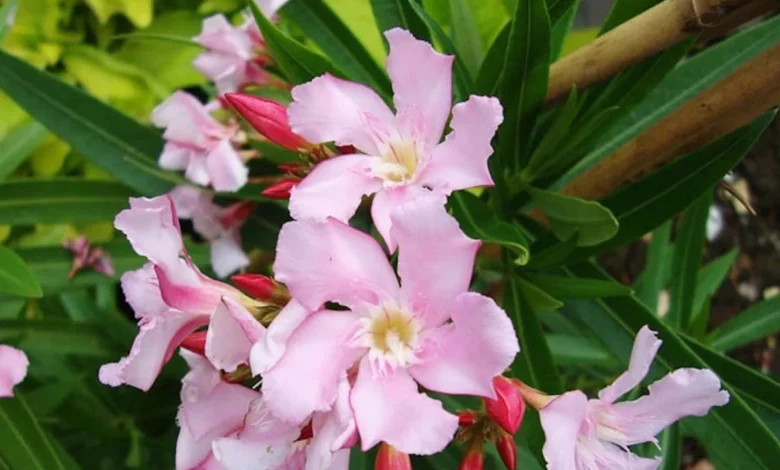
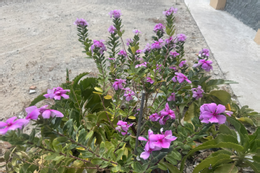
The municipal authorities of Hanoi have officially implemented a sweeping restriction on the cultivation of eighteen distinct ornamental plant species within public parks, residential zones, sidewalks, and urban thoroughfares. Among the targeted species is the oleander (Nerium oleander), a globally popular shrub celebrated for its vibrant clusters of pink, red, and white blossoms, but increasingly scrutinized for its potent biological toxicity. While urban planners and landscape architects have historically favored these plants for their aesthetic versatility, resilience against harsh weather, and pollution-tolerance, mounting safety concerns have forced a strategic reconsideration of urban greening policies across the capital.
The inclusion of oleander and other hazardous flora in Hanoi’s restricted list highlights a delicate, ongoing balancing act in modern municipal management: reconciling the visual appeal of urban vegetation with the public health risks posed by improper exposure, ingestion, or handling. According to local environmental directives, the banned species will be systematically phased out and replaced with safer, non-toxic alternatives over the coming years to safeguard pedestrians, children, and city maintenance workers.
Botanical Profile and Toxicological Mechanisms
To understand why urban authorities have taken such decisive action against a staple of landscaping, experts emphasize the need to examine the plant’s intrinsic biological properties. Nerium oleander L. belongs to the dogbane family, known scientifically as Apocynaceae. Native to a vast geographic range spanning from the Mediterranean basin to Myanmar, the species has been naturalized and cultivated globally as an ornamental hedge or small tree, typically reaching heights between two and five meters under normal conditions, though it can grow substantially larger in optimal environments.
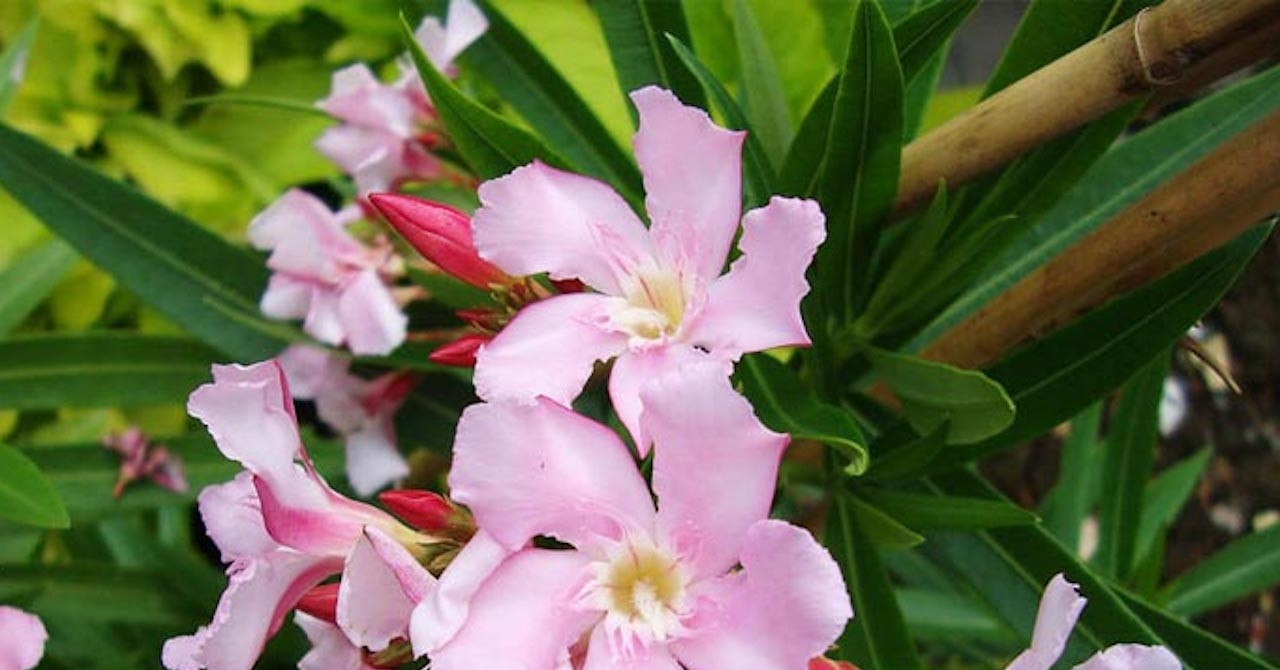
The primary hazard associated with the oleander plant lies within its complex chemical composition, specifically its concentration of potent cardiac glycosides. Among these, oleandrin stands out as the most prominent and clinically significant compound. These specialized metabolites exert a profound biological effect on the electrical and mechanical activity of cardiac muscle cells. Mechanistically, cardiac glycosides inhibit the sodium-potassium adenosine triphosphatase ($Na^+/K^+$-ATPase) pump embedded in the cellular membranes of myocardial tissue.
This disruption leads to an intracellular accumulation of sodium ions and a secondary surge in intracellular calcium ions via sodium-calcium exchangers. While this mechanism is harnessed in controlled pharmacological settings to strengthen heart contractions in patients with specific cardiac conditions, accidental or deliberate ingestion of any part of the oleander plant—including its leaves, stems, flowers, sap, and roots—bypasses all therapeutic safety thresholds, triggering rapid and severe systemic toxicity.
Clinical Manifestations of Oleander Poisoning
Medical toxicologists and botanical researchers stress that consuming even a minor fragment of an oleander leaf or petal can initiate a cascade of severe adverse health effects. Initial symptoms typically manifest within hours of ingestion and often mimic common gastrointestinal illnesses, frequently delaying proper diagnosis. Affected individuals commonly experience persistent nausea, acute vomiting, abdominal pain, diarrhea, and severe dizziness.
As the cardiac glycosides continue to circulate and bind to myocardial receptors, more dangerous systemic complications emerge. Patients frequently present with severe cardiac arrhythmias, including profound bradycardia (abnormally slow heart rate), atrioventricular conduction blocks, hyperkalemia (elevated blood potassium levels), and other life-threatening electrocardiographic abnormalities. According to toxicological literature published in specialized journals such as Toxicon, the clinical picture of oleander poisoning closely mirrors that of other cardiotoxic plants, such as yellow oleander (Cascabela thevetia). Without immediate and specialized medical intervention, severe poisoning can lead to cardiovascular collapse, ventricular fibrillation, and sudden cardiac arrest.
The Danger of Folk Remedies and Misconceptions
A major challenge highlighted by health professionals is the persistence of dangerous folk traditions and unverified remedies regarding the medicinal use of toxic plants. In various traditional medicine systems across different cultures, oleander has historically been documented for diverse purported uses. However, medical experts issue a stern warning against extrapolating laboratory research on isolated chemical compounds into self-administered herbal treatments at home.
Dr. Ngo Quoc Phuong, Director of the Vietnam Institute of Southern Medicinal Sciences, points out a critical distinction that many laypeople fail to recognize: the vast gulf between controlled pharmaceutical extraction and raw herbal consumption.
"We must clearly differentiate between active compound research and the use of crude medicinal plants in the community," Dr. Phuong explained. "With oleander, self-administering leaf decoctions, soaking leaves in alcohol, or modifying traditional recipes passed down through word-of-mouth is an extremely hazardous behavior. The presence of pharmacologically active molecules in a plant does not equate to safety when consumed in its raw, natural state."
The expert further cautioned that brewing home remedies from plants containing cardiac glycosides is fraught with risk because the concentration of active toxins fluctuates widely depending on the plant’s age, soil composition, climate, and the specific plant part harvested. Because it is practically impossible to determine an accurate, safe therapeutic dose using domestic kitchen utensils, any attempt to ingest oleander preparations carries an unacceptably high probability of accidental overdose and fatal poisoning.
Chronology of Hanoi’s Urban Greening Policy Overhaul
The restriction of oleander is not an isolated regulatory decision, but rather part of a broader, methodical reassessment of Hanoi’s urban forestry and landscaping guidelines. The timeline of this policy shift reflects growing administrative responsiveness to urban safety incidents and environmental safety audits:
- Early Phase (Pre-2023): Municipal greening initiatives heavily prioritized resilience, drought tolerance, and aesthetic diversity. Oleander, along with species like yellow oleander and various toxic milkweeds, was widely planted along major transit corridors, residential medians, and public parks due to its ability to thrive in polluted urban environments with minimal maintenance.
- Mid-2024 to Early 2025: Local health authorities and botanical institutions began recording sporadic incidents of accidental plant poisonings among children and municipal pruning crews, prompting comprehensive environmental surveys of public flora.
- Late 2025: The Hanoi People’s Committee commissioned a comprehensive review of urban vegetation safety, leading to the identification of species posing direct physical risks—such as large thorns, structural fragility leading to falling branches, or high chemical toxicity.
- October 2026: Hanoi officially promulgated a comprehensive regulatory framework listing 18 restricted plant species for public spaces. The directive explicitly categorized oleander, yellow oleander, and other hazardous trees for systematic removal and replacement, sparking widespread public discussion regarding the dual nature of urban greenery.
Broader Implications and Public Health Guidelines
The decision by Hanoi to ban oleander and seventeen other hazardous plants marks a significant evolution in Vietnamese urban planning philosophy. For decades, cities prioritized hardiness and visual appeal above all else, often overlooking the biochemical properties of decorative species planted mere inches from pedestrian walkways and children’s play areas.
Urban planners note that while public parks and tree-lined streets are essential for lowering ambient temperatures, reducing air pollution, and enhancing psychological well-being, the choice of flora must reflect the realities of high-density human habitation. Public spaces are utilized daily by millions of citizens, including unsupervised children who may touch, pluck, or ingest leaves, flowers, and fallen seeds out of curiosity. Furthermore, municipal sanitation and landscaping workers routinely prune and maintain these urban forests, facing prolonged occupational exposure to toxic saps and airborne plant particulates.
In response to these systemic challenges, public health authorities have issued clear, standardized emergency protocols for individuals suspected of coming into contact with or ingesting toxic plant materials:
- Immediate Medical Evaluation: Anyone who suspects they have ingested any part of an oleander plant should seek immediate professional medical attention at the nearest healthcare facility, regardless of whether symptoms have manifested yet. Waiting for clinical signs to appear can dangerously narrow the window for effective medical intervention.
- Avoid Home Remedies and Forced Vomiting: Experts strictly advise against attempting to induce vomiting at home or utilizing unverified folk remedies and neutralization tricks. Incorrectly managed emesis can lead to aspiration pneumonia or exacerbate cardiac instability caused by circulating toxins.
- Professional Decontamination: Clinical management of oleander poisoning typically requires hospitalization in an intensive care unit or cardiac care unit, where continuous electrocardiographic monitoring, administration of activated charcoal (if ingestion was recent), management of electrolyte imbalances, and, in severe cases, the administration of specific antidotes or temporary cardiac pacing can be executed safely under professional supervision.
As Hanoi moves forward with its phased replacement program, substituting toxic varieties with safe, native, and ecologically harmonious trees, the city sets a vital precedent for municipal management across Southeast Asia. The policy underscores a modern commitment to urban safety, proving that sustainable city design must harmonize environmental aesthetics with uncompromising standards of public health protection.