The Rise of China’s Humanoid Robot Super-Factories Marks a New Era in Industrial Automation

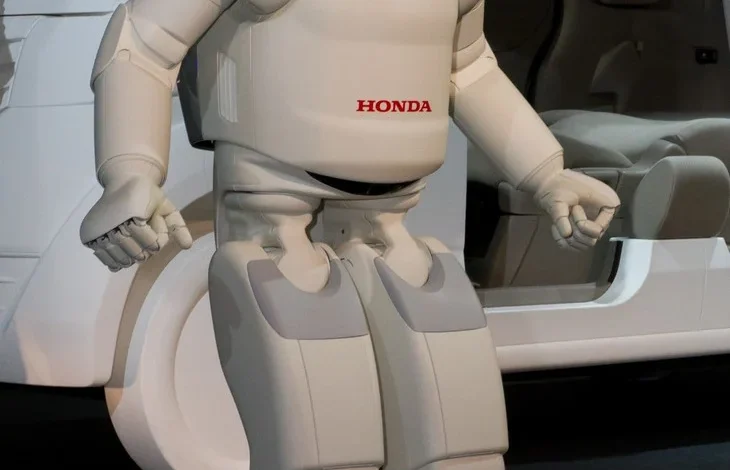
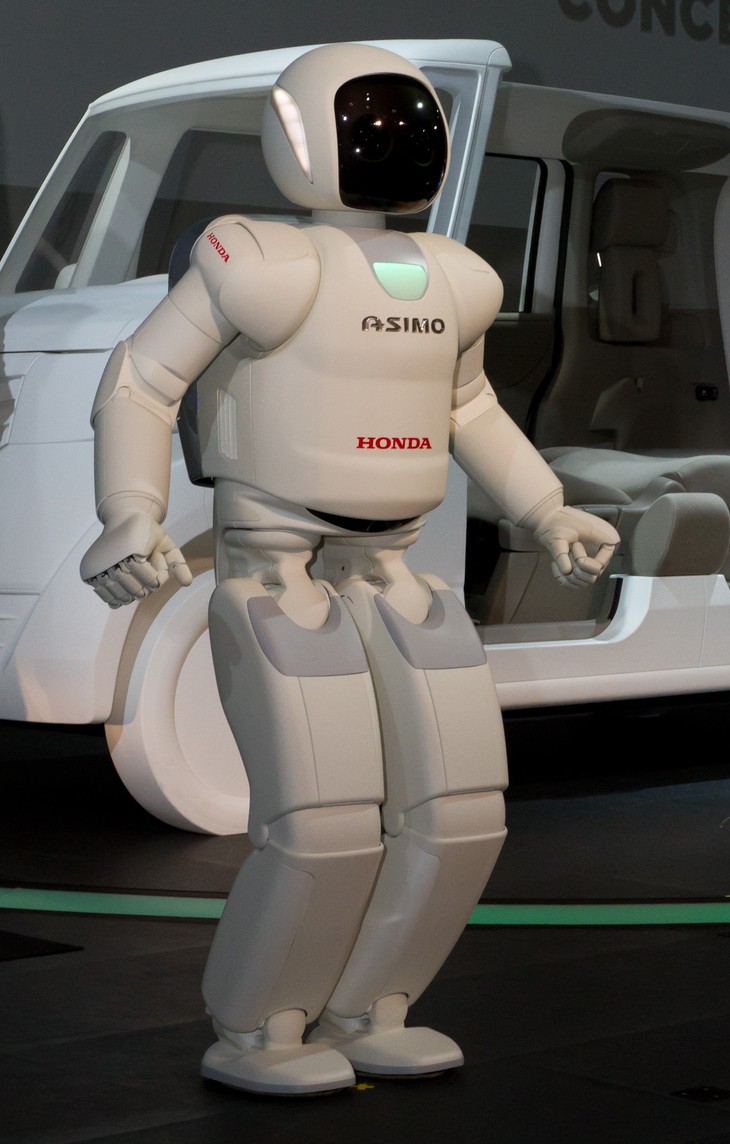
In the year 2000, when Japanese engineering giant Honda unveiled its pioneering bipedal humanoid robot, Asimo, the global technology community watched in absolute astonishment. Capable of walking on two legs, running, hopping, and using its five fingers to perform sign language, Asimo was not merely a technological marvel; it became a proud symbol of Japan’s pioneering leadership in the robotics sector. However, two decades later, in 2022, Asimo officially retired, closing a legendary chapter and signaling a profound global shift in industrial power. The focal point of the world’s humanoid robotics race has officially shifted away from Tokyo and toward China’s booming technology hubs.
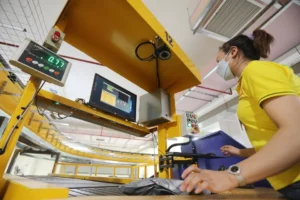
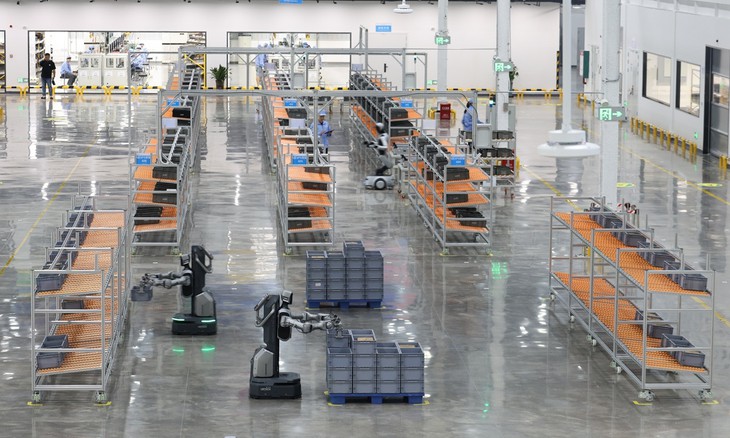
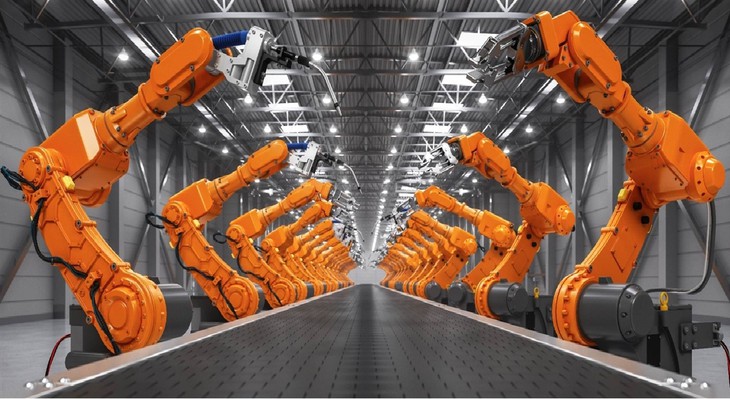
By mid-2026, in Liuzhou, Guangxi, a Chinese enterprise named UBTECH Robotics, in collaboration with Siemens Digital Industries Software, officially operationalized the world’s first smart manufacturing plant dedicated to humanoid robots, scaling toward an initial production target of 10,000 units. Inside this sprawling 14,000-square-meter facility, an industrial humanoid robot from the Walker S or Cruzr series rolls off the assembly line every 10 minutes—a milestone that has sent shockwaves through the global industrial landscape.

By applying "smart brain" technologies alongside vehicle self-navigation chains, 360-degree rotating turntables, and automated inspection systems, UBTECH Robotics has realized the conceptual model of "robots manufacturing robots." This milestone thrusts China’s humanoid robotics industry firmly into an era of large-scale mass production. What propelled China from a nation heavily dependent on imported components to capturing the crown of humanoid robot manufacturing, and why do Western nations find it nearly impossible to manufacture a robot without Chinese inputs?
The Industrialization Blueprint and the Cost Revolution
Ming Hsun Lee, an expert at BofA Global Research, noted in an interview with the New York Times that it is nearly impossible to build a humanoid robot without components from Chinese companies. Component costs in China have fallen so rapidly that simple economics make it impossible for other nations to compete. China’s astonishingly low robot manufacturing costs stem from an industrial ecosystem cultivated over multiple decades. Four core elements give China an insurmountable advantage over the West.
First is mastery over the domestic component supply chain. Previously, Chinese manufacturers relied heavily on Japan and Europe for core components such as high-precision strain wave sensors, servo motors, and harmonic reducers. Today, China manufactures 90% to 95% of humanoid robot components domestically. From screws, mechanical frames, LiDAR sensors, and gears to batteries and circuit boards, every component is readily available within the domestic supply chain.
Second is the organic integration with the Electric Vehicle (EV) ecosystem. China’s dominance in humanoid robotics is tied directly to the explosive growth of its EV industry. As the world’s largest exporter of electric vehicles, many companies that previously produced automotive and EV parts have rapidly expanded to supply the robotics sector. As Ming Hsun Lee stated to Reuters, any company capable of manufacturing automotive parts has the full capability to produce components for humanoid robots. Lithium-ion battery systems, electric motors, control units, and LiDAR sensors developed for EV manufacturers like BYD, Xiaomi, and Nio transfer seamlessly to robotics. Even Tesla’s Shanghai Gigafactory relies on this supply chain, depending on Chinese manufacturers for at least 70% of the components needed for its Optimus robot.
Third is speed of experimentation and supply chain velocity. In technology hubs like Shenzhen, robotics companies operate within a dense matrix of agile suppliers. Michael Tam, brand director at UBTech, shared with the New York Times that he can send a design drawing at 9:00 AM and receive finished 3D-printed components by midday. If one supplier reports full capacity, he simply calls another. Dr. Susanne Bieller, secretary-general of the International Federation of Robotics (IFR), noted to the BBC that building a robot in Shenzhen takes less than an hour of sourcing, whereas the same process in Europe can take up to a week.
Fourth is China’s overwhelming advantage in production costs. The combination of large-scale supply chains and fierce domestic competition has driven robot production costs down to unprecedented levels. The average raw material cost for a humanoid robot in China is projected to drop from $35,000 to $17,000 by 2030. According to Reuters data citing Morgan Stanley, some Chinese startups are currently selling commercial humanoid robots for as little as 88,000 yuan (approximately $12,178), and in some cases under $5,000. By comparison, component costs for Tesla’s Optimus robot, without Chinese sourcing, can range from $50,000 to $60,000 per unit, creating a major financial barrier for Western enterprises.
Transitioning from Laboratory Marvels to Economic Workforce
Japan was long considered the sanctuary of robotics, beginning more than 50 years ago. Honda’s Asimo and historical Japanese research projects were magnificent technological masterpieces created primarily for entertainment, brand promotion, or academic experimentation. Each Asimo cost millions of dollars, required massive maintenance costs, and lacked practical economic application scenarios to generate commercial profits. Japan could not translate laboratory achievements into a mass-production workforce.
In stark contrast, Chinese enterprises approach the humanoid robotics industry from a cost-centric perspective, maintaining a tight, self-contained supply chain. At the opening of the "robot manufacturing robot" factory in Liuzhou, Vice Chairman Pang Jianxin noted that China’s robotics industry now leads globally, built on a foundation of engineers, scientists, and application scenarios accumulated over the past 10 to 20 years. At the Humanoids Summit in Tokyo, Japanese robotics manufacturers openly admitted they could not compete with China on pricing. A dancing robot model from Shanghai-based startup Unitree Robotics became the center of attention, with some Japanese companies even purchasing Unitree robots to modify and present under their own software programs.
State-Backed Strategy and the Push for "New Quality Productive Forces"
China’s triumph is also the result of a national industrial strategy planned meticulously from the highest levels. President Xi Jinping has placed advanced technology and robotics at the center of the concept of "new quality productive forces," aiming to position China in direct competition with the United States. The Chinese government has deployed a comprehensive support policy framework, establishing a national guidance fund worth 100 billion yuan ($137 billion) to support startups in artificial intelligence and robotics. In 2025, Chinese investors poured nearly $5 billion into humanoid robot startups—more than the previous five years combined. In the first five months of 2026 alone, capital inflows into the sector surpassed the entirety of 2025 by nearly $1 billion.
Local governments have engaged in fierce competition to attract robotics firms. Shenzhen established a 10-billion-yuan AI and robotics fund; Beijing created a support fund of up to 30 million yuan for companies creating initial test products; and Wuhan offers up to 5 million yuan for enterprises meeting sales targets alongside free office space. The Chinese government acts as the ultimate anchor customer. According to Reuters analysis, public procurement spending on humanoid robots and related technologies surged from 4.7 million yuan in 2023 to 214 million yuan in 2024. Local governments and state-owned enterprises actively open factories and warehouses to test humanoid robots, turning electric vehicle plants and logistics centers into massive testing grounds.
Large-scale vocational education networks also train the workforce for the automation era. The Chinese government has built modern vocational schools, such as the Hangzhou Technical Academy, where students as young as 15 learn AI programming, industrial robot operation, and automation equipment design. This large pool of applied engineers ensures the future operation and maintenance of millions of machines.
However, this rapid transition brings severe social challenges, notably the risk of accelerated unemployment. Approximately 120 to 123 million people currently work in China’s manufacturing sector. Social security expert Zheng Gongcheng warned at China’s parliamentary session that the explosion of AI and robotics will impact 70% of manufacturing industries, threatening the social safety net. At the same conference, Liu Qingfeng, chairman of AI firm iFlytek, proposed the establishment of an "AI-impacted unemployment insurance program" to financially support workers replaced by machinery.
Artificial Intelligence, Data Bottlenecks, and Embodied Intelligence
If physical hardware and actuators represent the traditional manufacturing strength of China, artificial intelligence serves as the soul that transforms humanoid robots from lifeless demonstration models into economic labor forces. While Western nations, particularly the United States, focused on Large Language Models (LLMs) and AI algorithms, the robotics race has shifted toward "Embodied Intelligence"—the capacity to integrate AI into physical environments.
Chinese humanoid robots have advanced rapidly due to support from domestic AI models. Dr. Bieller acknowledged that the United States leads in creating robotic "brains," including programming AI for robots. However, the explosion of Chinese AI models like DeepSeek, Moonshot, and Alibaba’s Qwen has provided breakthroughs for robotic cognition. Wu Changzheng, CEO of startup MagicLab, told Reuters that DeepSeek excels in reasoning and task comprehension, contributing directly to quality inspection, material handling, and assembly. The open-source approach of Chinese AI startups has helped the domestic robotics industry narrow the technological gap with the United States faster than anticipated.
Shanghai has subsidized free real estate for AgiBot to build a massive data collection facility, where 100 robots operate 17 hours daily under the supervision of 200 technicians to generate high-quality behavioral data. Similar data centers are under construction in Beijing and Shenzhen. Furthermore, China has turned data collection into a state-supported industry, advancing in capturing real-world data, which differs from internet text data. Robots require physical manipulation data, such as folding clothes, making bread, and sorting packages. Unitree has also partnered with U.S. chip giant Nvidia to develop robots utilizing Nvidia’s advanced inference chips and software, with plans to commercialize this platform by late 2026.

Demographic Pressures and the Future Outlook
China faces an urgent demographic driver pushing toward robotization: a worsening demographic crisis. By 2035, an estimated one-third of China’s population will be over 60 years old. Over the coming decade, the country is projected to lose nearly 60 million workers, roughly equivalent to the population of France. "We need thinking robots, because in 10 years, China will no longer have human workers," said Pang Kai, an engineer at robotic arm manufacturer CRP Technology in Chengdu.
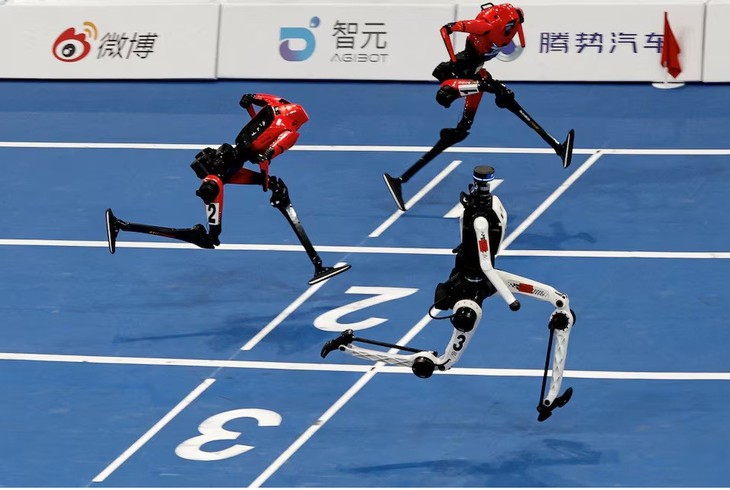
Just two days after the Global Humanoid Robot Sports Games concluded in August, the PLA Daily called on researchers to accelerate the transfer of advanced technologies from laboratories to military training grounds for robotic soldiers. According to New York Times statistics, nearly 2 million industrial robots operated in Chinese factories in 2024, accounting for nearly half of the global total. Despite economic slowdowns in the US, Japan, and Germany, China installed 300,000 industrial robots in a single year.
The success of this robotics strategy stems from a combination of national policy planning, massive financial resources, a strong domestic component supply chain, breakthrough AI models, and a skilled technical labor force. Nevertheless, balancing the speed of automation to maintain the title of "world factory" while protecting the livelihoods of tens of millions of traditional workers remains a complex challenge for Beijing, especially as the widespread societal impact of automation on employment remains unquantified.