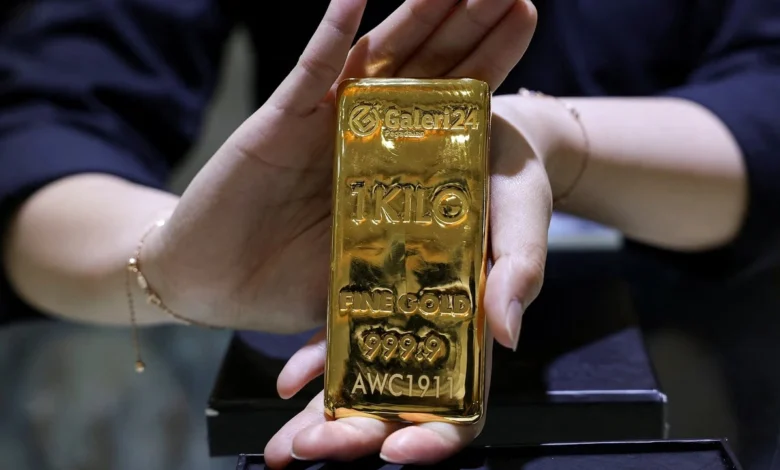
Gold prices have staged a significant recovery over the past week, effectively snapping a three-week bearish streak that had weighed heavily on investor sentiment. The precious metal’s pivot followed the U.S. Federal Reserve’s widely anticipated interest rate hike, an event that acted as a catalyst for market recalibration. After enduring immense selling pressure earlier in the week—driven by surging oil prices and U.S. Treasury yields testing the 5% threshold—gold demonstrated resilience by reversing course, fueled by cooling bond yields and renewed institutional interest.
This market shift has prompted a wave of optimism among financial analysts and market participants, as revealed by the latest Kitco News weekly survey. Sentiment on Wall Street has shifted decisively toward a bullish outlook, with all 16 surveyed experts projecting that gold prices will continue their upward trajectory in the coming week. Similarly, a public sentiment poll of 220 individual investors showed that 58% expect gold to gain further value, while 24% predict a decline and 19% anticipate a period of consolidation.
Market Context and The Federal Reserve’s Influence
The recent volatility in gold markets is inextricably linked to the broader macroeconomic environment dominated by central bank policy and geopolitical instability. For months, the gold market has been caught in a tug-of-war between inflationary pressures and the Federal Reserve’s aggressive monetary tightening cycle.
The Fed’s recent decision to raise interest rates, while signaling a commitment to curbing inflation, has provided a degree of clarity that investors have been craving. Historically, gold acts as a non-yielding asset, meaning it typically faces headwinds in a high-interest-rate environment. However, when the market perceives that the Fed is reaching the peak of its tightening cycle, the "opportunity cost" of holding gold diminishes.
The recent intervention by U.S. Treasury officials, including comments from Treasury Secretary Bessent, has also drawn scrutiny. Analysts observe that the bond market remains fragile, and the Fed’s recent 0.25 percentage point hike represents a measured attempt to stabilize the economy without triggering a recession. As investors digest these policy shifts, the narrative for gold is moving from a hedge against inflation to a strategic play for market uncertainty.
Chronology of Recent Market Movements
The past month has been a tumultuous period for commodities and precious metals.
- Early September: Gold faced sustained downward pressure as the 10-year Treasury yield neared the psychological barrier of 5%, causing investors to rotate capital into higher-yielding government bonds.
- Mid-September: Oil prices surged, raising concerns about "sticky" inflation. This initially dampened gold’s appeal, as higher energy costs often lead to more hawkish Fed rhetoric.
- Fed Announcement Week: Following the Fed’s rate hike decision, bond yields cooled slightly, allowing gold to find support. The precious metal bounced off critical technical support levels, signaling a potential trend reversal.
- Current Outlook: Financial institutions and individual investors are now realigning their portfolios to capture potential upside, with many citing the upcoming U.S. midterm elections as a key factor in future market direction.
Technical Analysis and Market Projections
Darin Newsom, a senior market analyst at Barchart, has adopted an increasingly optimistic stance. He notes that the short-term trend for the December gold contract, as analyzed on daily closing price charts, has shifted to the upside. This indicates that the buying activity from institutional investors has finally begun to outweigh the selling pressure that dominated the previous month.
"When we look at other technical indicators, the market appears to be emerging from an oversold territory," Newsom explained. "This provides a strong psychological foundation for gold to attract further buying interest in the near term."
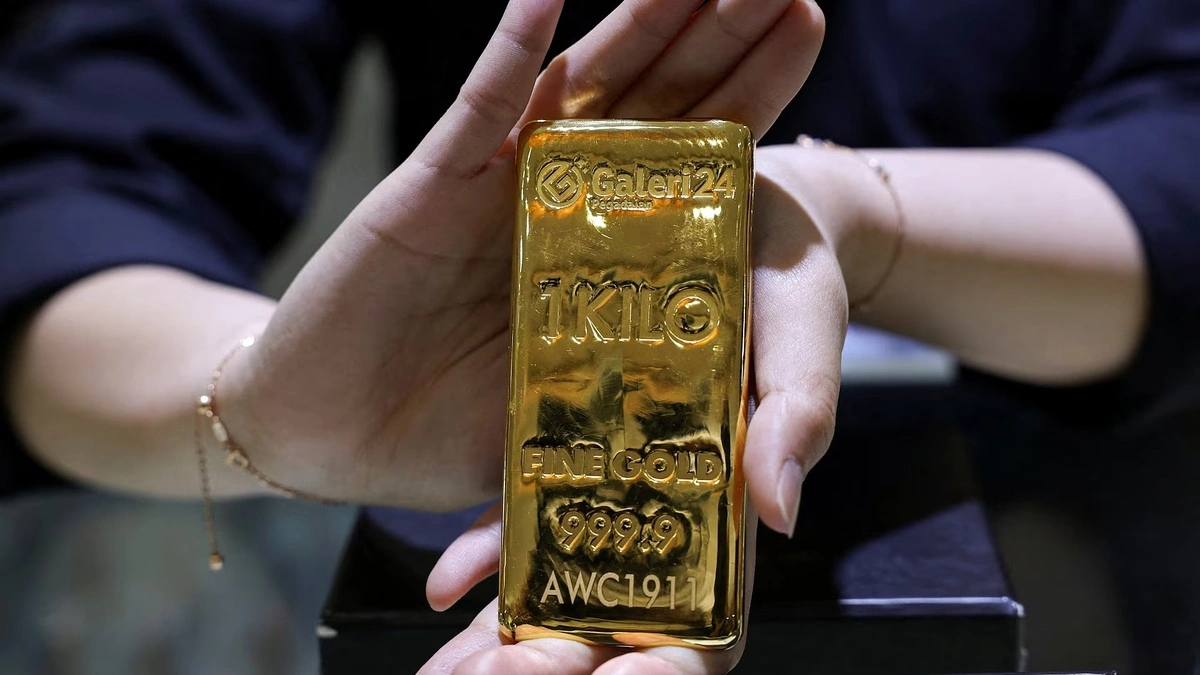
The analysts at CPM Group have provided a more aggressive forecast, issuing a "buy" recommendation with a target price of $4,590 for the period spanning September 17 to October 2. They have set a stop-loss level at $4,270. According to their assessment, the downward trend has officially reversed, as gold successfully tested and held above key support levels throughout the past week.
Expert Perspectives on Global Economic Factors
Beyond technical indicators, fundamental macroeconomic factors continue to drive the discourse. Rich Checkan, President and CEO of Asset Strategies International, highlights that consumers are grappling with persistent inflation, which currently hovers near 8% in the United States.
"This environment creates a natural floor for gold," Checkan noted. "Investors are increasingly looking for tangible assets to preserve purchasing power as the cost of living continues to rise."
Sean Lusk, Co-Director of Commercial Hedging at Walsh Trading, offers a nuanced view regarding the intersection of seasonal trends and geopolitical risk. "We are entering a phase where gold typically performs well according to seasonal patterns," Lusk stated. "Even with potential for further Fed rate hikes, the metal has a strong capacity to rally toward October."
However, Lusk warns that oil prices remain a "wild card." If oil reaches the $110-$115 per barrel range, it could reignite inflationary fears that force the Fed to maintain a restrictive policy for longer than anticipated. "Investors should prepare for the possibility that market volatility will be driven more by geopolitical developments—such as shifts in trade policy and international relations—than by traditional economic indicators as we approach the midterm elections," he added.
Implications for Investors and Future Outlook
The broader implications for the global financial system are significant. As the U.S. dollar undergoes periods of fluctuation, gold serves as a barometer for systemic trust. The current consensus among market observers is that the "peak inflation" narrative is being replaced by a "long-term uncertainty" narrative.
For the average investor, the current market climate presents both risk and opportunity. While gold is showing signs of a sustained breakout, the sensitivity to interest rate policy remains elevated. If the Federal Reserve opts for a "higher-for-longer" approach to rates, gold may face periods of consolidation. Conversely, any signal of a pivot or a pause in the hiking cycle could trigger a sharp, rapid move to the upside.
The recommendation from many analysts remains focused on portfolio diversification. With geopolitical tensions affecting energy supplies and trade, gold’s role as a "safe-haven" asset is being re-emphasized. Whether the precious metal can maintain its momentum into the final quarter of the year will depend largely on the ability of the U.S. economy to navigate the thin line between cooling inflation and sustaining growth.
As the market looks toward the upcoming months, the consensus is clear: the technical breakout has provided a fresh catalyst for growth, but the fundamental reality of an unpredictable global economy will keep volatility high. Investors are advised to monitor not only the Federal Reserve’s future statements but also global oil supply chains and domestic political developments, as these will likely act as the primary drivers of gold price action for the remainder of the fiscal year.