VinFast Amio S2 Debuts as an Affordable Electric Scooter for Students with a Price Point of 12 Million VND

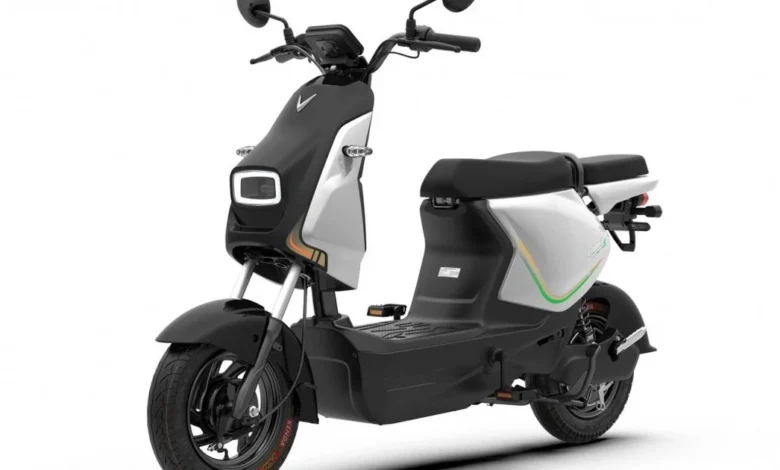
The Vietnamese electric vehicle landscape is witnessing a significant shift toward the younger demographic as VinFast officially introduces the Amio S2, a new electric scooter specifically engineered for students. Priced at 12 million VND, a figure that includes Value Added Tax (VAT), an LFP battery, and a dedicated charger, the Amio S2 positions itself as one of the most accessible entry points into the VinFast ecosystem. This strategic launch comes at a time when the demand for green mobility among Gen Z and students is reaching an all-time high, driven by environmental awareness and the practical need for cost-effective, license-free transportation.
Strategic Positioning and Target Demographic
The VinFast Amio S2 is not designed for high-speed performance or long-distance touring; rather, it is a highly specialized tool for urban commuting. Its primary objective is to facilitate the daily journey between home and school, as well as short-range travel within residential neighborhoods. By limiting the maximum speed to 25 km/h, VinFast has ensured that the vehicle is compliant with safety standards for younger users and those who do not yet possess a formal motorcycle operator’s license.
In the Vietnamese market, the "student scooter" segment has historically been dominated by 50cc internal combustion engine (ICE) bikes or low-quality electric bicycles of uncertain origin. The introduction of the Amio S2 represents a move by a major domestic manufacturer to provide a standardized, high-quality, and warrantied alternative. The 12 million VND price tag is particularly aggressive, aimed at disrupting the market for unbranded electric bikes that often lack the safety certifications and after-sales support offered by VinFast.
Technical Specifications and Engineering Philosophy
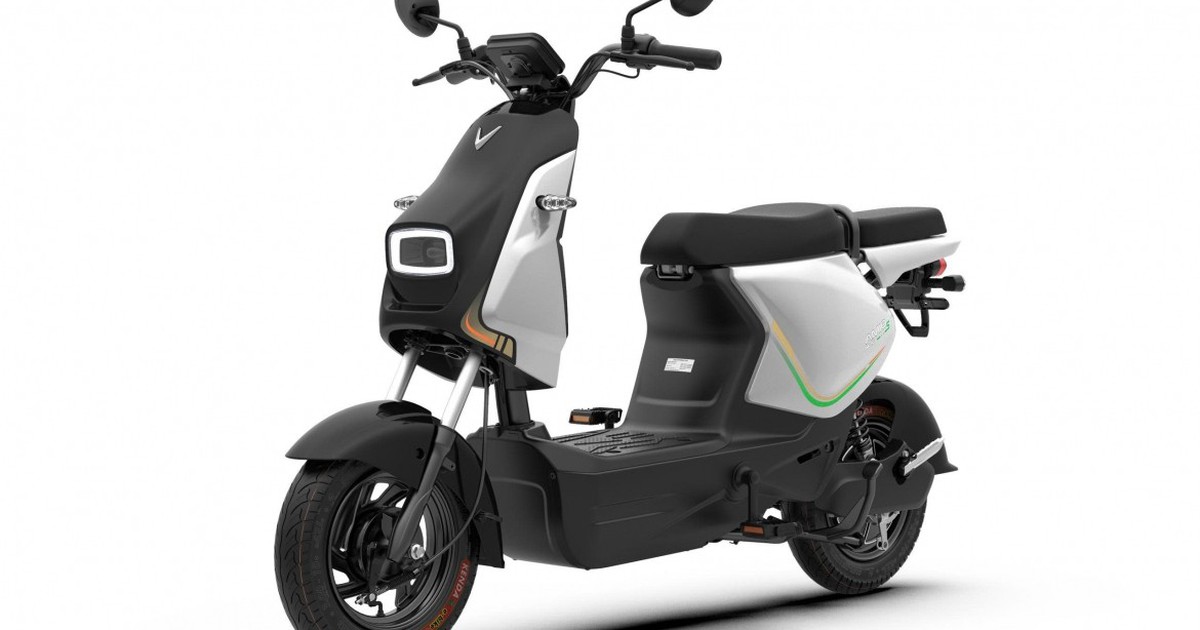
Despite its budget-friendly positioning, the Amio S2 incorporates several high-end features typically reserved for more expensive models. The centerpiece of its powertrain is the Lithium Iron Phosphate (LFP) battery technology. Unlike traditional lead-acid batteries found in many budget electric bikes, LFP batteries offer superior safety, a longer lifecycle, and better thermal stability.
Battery and Range Performance
The Amio S2 is equipped with a 1.024 kWh LFP battery, weighing approximately 10 kg. Under VinFast’s standardized testing conditions—which involve a single rider weighing 65 kg traveling at a constant speed of 25 km/h—the scooter can cover a distance of approximately 65 km on a single charge. While real-world range will vary based on factors such as terrain, traffic conditions, and passenger weight, this capacity is more than sufficient for the average student who travels 10 to 15 km per day.
Charging the vehicle is designed to fit seamlessly into a student’s lifestyle. A full charge from 0% to 100% takes roughly six hours. This allows users to plug in the vehicle overnight at home, ensuring it is ready for the next day’s commute without the need for specialized fast-charging infrastructure.
Motor and Drivetrain
The scooter utilizes an Inhub electric motor integrated into the rear wheel. The motor has a nominal power rating of 240 W, with the capability to reach a peak output of 800 W. This configuration provides smooth, manageable acceleration that is ideal for novice riders. Furthermore, the motor carries an IP67 waterproof rating, a critical feature for the Vietnamese climate. According to the manufacturer, the drivetrain can withstand submersion in water up to 0.5 meters deep for 30 minutes, providing peace of mind during the rainy season and urban flooding.
Design, Ergonomics, and Practicality
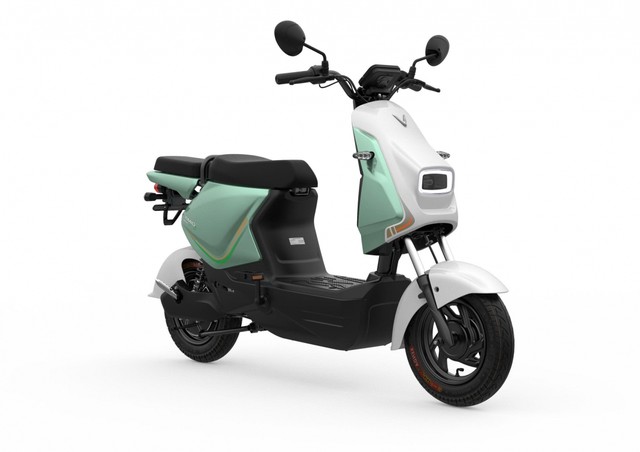
The physical dimensions of the Amio S2 emphasize maneuverability and ease of use. Measuring 1,715 mm in length, 690 mm in width, and 1,050 mm in height, the scooter is compact enough to navigate through dense urban traffic. The wheelbase is set at 1,230 mm, while the seat height is a modest 750 mm, making it accessible for students of varying heights. A ground clearance of 123 mm ensures the vehicle can handle minor road imperfections and curbs.
Modern Amenities
One of the standout features of the Amio S2 is its color LED display. Most budget-friendly electric scooters utilize monochrome or basic analog gauges; the inclusion of a color screen provides a more modern feel and clearer visibility of essential data such as speed, battery level, and system alerts.
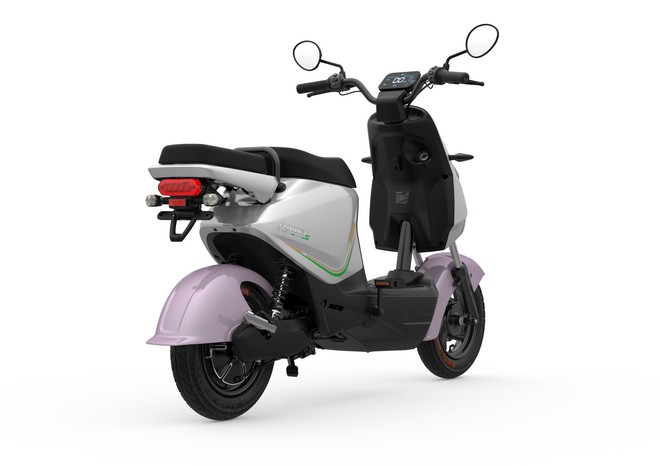
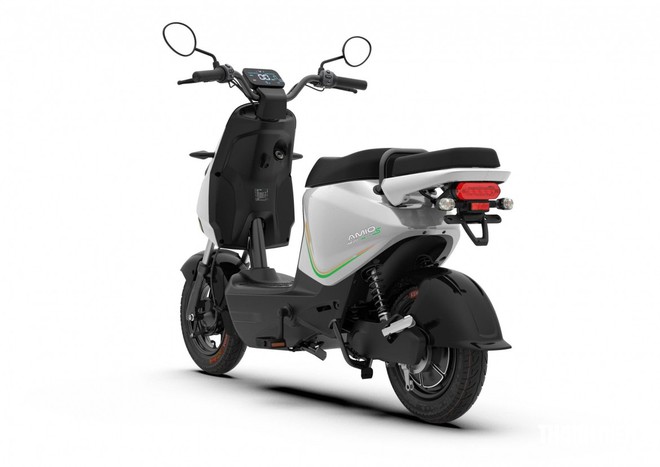
Storage is another area where the Amio S2 excels. The 12-liter under-seat compartment is large enough to hold personal items, a raincoat, or the portable charger. This storage space is preserved by placing the battery under the floorboard rather than inside the trunk. This design choice also lowers the vehicle’s center of gravity, improving stability and handling.
Safety and Suspension
Safety is addressed through a hydraulic suspension system at both the front and rear, providing a cushioned ride over uneven surfaces. Braking is handled by mechanical drum brakes on both wheels. Given the 25 km/h speed cap, drum brakes provide adequate stopping power while keeping maintenance costs low for the owner.
Contextualizing the Market Launch
The debut of the Amio S2 is part of a broader trend in the Vietnamese electric two-wheeler (E2W) market. In late June 2026, the global electric vehicle giant Yadea also expanded its presence in Vietnam by launching the Omee model, which ranges from 15.99 to 21.99 million VND. The fact that VinFast has undercut this competitor by several million VND highlights its commitment to dominating the domestic entry-level segment.
A Chronology of VinFast’s E2W Evolution
To understand the significance of the Amio S2, one must look at VinFast’s trajectory in the E2W sector:
- Phase 1 (Early Entry): Launch of premium models like the Klara, which aimed to prove that electric scooters could be stylish and durable.
- Phase 2 (Mass Market): Introduction of the Feliz and Vento series, targeting office workers and families with higher speed and range requirements.
- Phase 3 (Democratization): The launch of the Evo200, which brought LFP technology to a wider audience at a competitive price.
- Phase 4 (Segment Specialization): The arrival of the Amio S2, specifically tailored for the student demographic, focusing on affordability, safety, and regulatory compliance.
Broader Impact and Industry Implications
The introduction of the Amio S2 is expected to have several long-term implications for the Vietnamese automotive industry and society at large.
Economic Accessibility
For many Vietnamese families, the 12 million VND price point represents a manageable investment. By offering a vehicle that includes the battery and charger at this price, VinFast is lowering the barrier to entry for sustainable transport. This is particularly important for low-to-middle-income households that require reliable transportation for their children but cannot afford the higher costs of premium electric motorcycles or gasoline-powered cars.
Environmental Transformation
Vietnam’s "Green Transport" roadmap aims to significantly reduce carbon emissions in urban centers. By converting tens of thousands of students from gasoline-powered 50cc bikes to electric scooters, VinFast is contributing to a reduction in both air and noise pollution. The use of LFP batteries also addresses environmental concerns regarding the disposal of lead-acid batteries, as LFP components are more stable and easier to recycle.
Shaping Future Consumer Habits
By targeting students, VinFast is effectively grooming the next generation of consumers. A student who has a positive experience with an Amio S2 is more likely to upgrade to a VinFast Feliz, Vento, or even a VinFast electric car in the future. This "cradle-to-grave" brand loyalty strategy is a cornerstone of VinFast’s long-term business model.
Conclusion and Market Outlook
The VinFast Amio S2 is a calculated response to the specific needs of the Vietnamese student market. It balances cost, safety, and modern technology in a way that few competitors have managed. While it lacks the raw power and range of higher-end models, its focus on "essential mobility" makes it a formidable contender in the 12-million-VND price bracket.
As the competitive landscape intensifies with the entry of international brands like Yadea and local startups, the real winners will be the consumers. Parents now have a certified, safe, and economical option for their children’s commute, while students gain a stylish and environmentally friendly mode of transport. The Amio S2 is not just a new product; it is a signal that the electrification of Vietnam’s roads has reached the most fundamental level of the commuting public. In the coming months, the success of the Amio S2 will likely be measured by its visibility in school parking lots across the nation, serving as a litmus test for the mass adoption of electric mobility in Vietnam.