Sao Khue Award 2024 honors the transformative power of digital technology and artificial intelligence in Vietnam

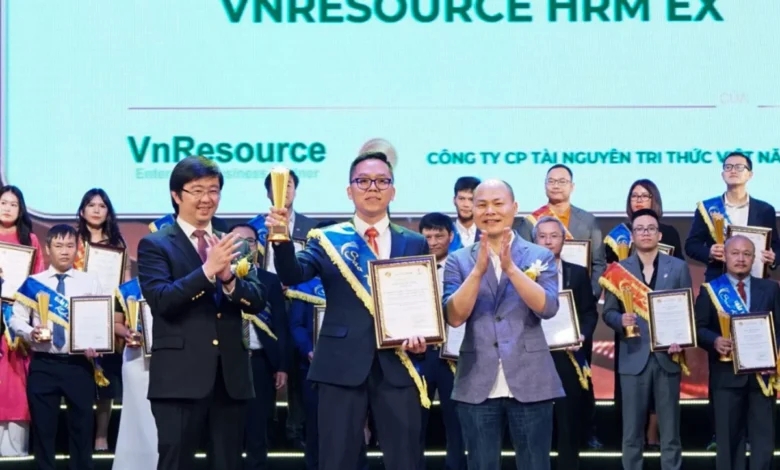
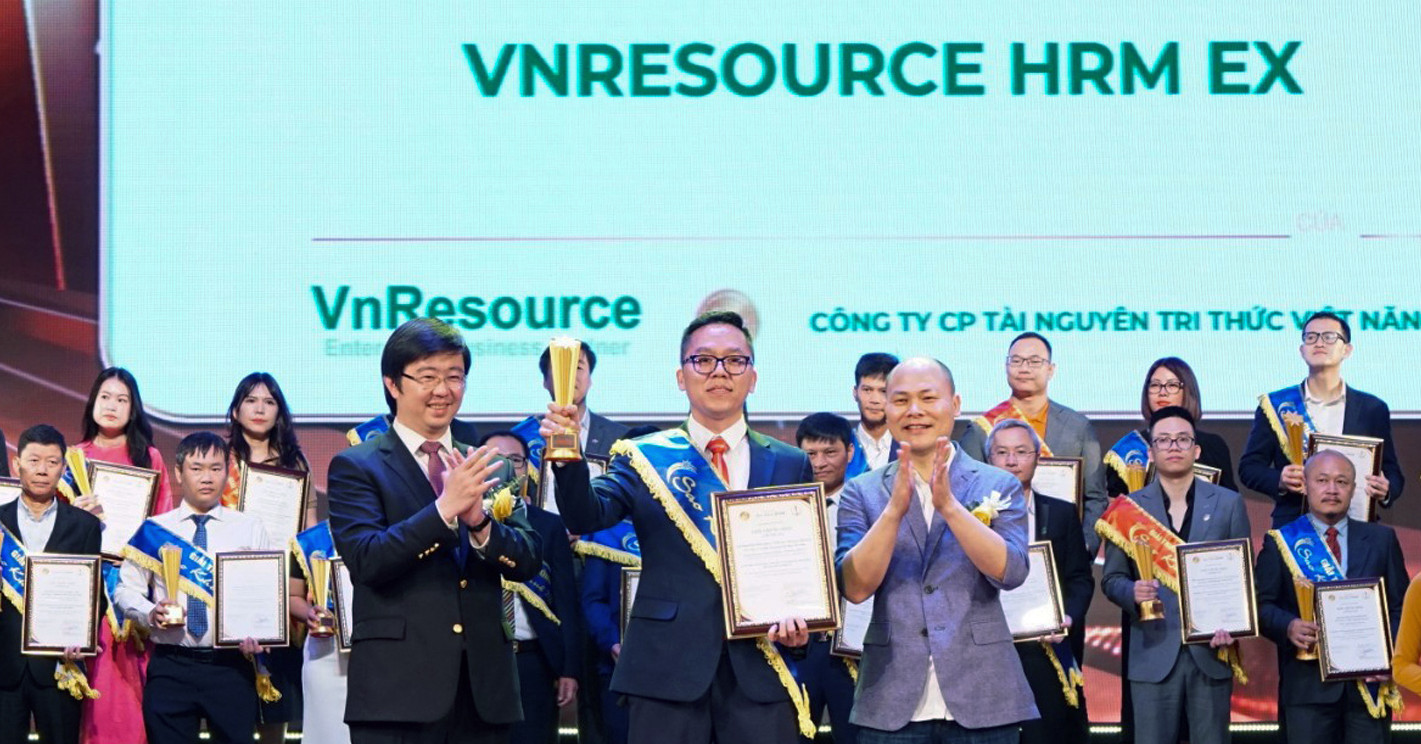
On April 13, 2024, the Vietnam Software and IT Services Association (VINASA) hosted the 21st annual Sao Khue Award ceremony in Hanoi, marking two decades of recognizing excellence within the nation’s burgeoning information and communications technology (ICT) sector. Under the official patronage of the Ministry of Information and Communications (MIC), the event served as a high-profile platform to celebrate the innovation, resilience, and global ambition of Vietnamese technology firms that are steering the country toward a comprehensive digital economy.
The 2024 edition of the awards was particularly significant, as it highlighted a paradigm shift in the industry: a move away from simple software outsourcing toward the creation of proprietary digital platforms and the aggressive integration of Artificial Intelligence (AI).
Two Decades of Digital Evolution: A Historical Perspective
Since its inception in 2003, the Sao Khue Award has evolved in tandem with Vietnam’s rapid industrialization and digital transformation. Initially conceived to identify and promote local software products in a market dominated by foreign solutions, the award has become a bellwether for the country’s technological maturity. Over the last 21 years, the competition has recognized over 1,700 individuals, enterprises, and solutions, providing a benchmark for quality and market readiness in the Vietnamese IT space.
The trajectory of the award reflects the broader economic story of Vietnam. In the early 2000s, the focus was on basic infrastructure and enterprise resource planning (ERP) systems. By the 2010s, the emphasis shifted toward mobile applications and cloud-based services. Today, the focus is firmly on AI, big data, and the "Make in Viet Nam" strategy—an initiative aimed at encouraging domestic companies to design, develop, and manufacture digital products that can compete on the global stage.
Key Data and Performance Indicators
The 2024 awards ceremony presented a compelling snapshot of industry health. Following a rigorous three-round selection process across eight distinct categories, 169 outstanding solutions from 117 enterprises were honored.

The economic contribution of the ICT sector continues to be a pillar of Vietnam’s growth. Deputy Minister of Information and Communications Bui Hoang Phuong, who attended the ceremony, noted that the industry’s total revenue in 2023 was approximately 240 times higher than in 2000. During this period, the sector has consistently maintained an average annual growth rate of 15% to 20%, significantly outpacing the national GDP growth rate. This sustained expansion underscores the sector’s role as a primary engine for national modernization.
The 2024 awards were segmented into specific groups to reflect market needs, including:
- Digital Government and Administration (3 awards)
- Improving Quality of Life and Community Welfare (13 awards)
- Market Development and Consumer Solutions (30 awards)
- Digital Enterprise Transformation (28 awards)
- Economic Sector Support (17 awards)
- Infrastructure and Technology Platforms (22 awards)
- Digital Services (23 awards)
- Innovative Products and Projects (33 awards)
The Rise of Artificial Intelligence and "Make in Viet Nam"
A defining characteristic of this year’s competition was the pervasive influence of AI. Nguyen Van Khoa, Chairman of VINASA, stated that while there were eight specific categories for AI-based platforms, more than 90% of all award-winning products integrated AI components in some capacity. From predictive analytics in banking to automated manufacturing processes and smart governance, AI has become the foundational layer for modern digital transformation in Vietnam.

This shift is not merely domestic. The 2024 awards also highlighted the international footprint of Vietnamese firms, with 15 of the 23 awards in the "Digital Services" category granted to companies that successfully provide outsourced and proprietary services to global markets. This confirms that Vietnam is shedding its reputation as a low-cost labor hub and is emerging as a provider of high-value, sophisticated intellectual property.
Official Responses and Strategic Vision
During his address, Deputy Minister Bui Hoang Phuong emphasized that the Ministry of Information and Communications remains committed to fostering an environment conducive to innovation. He identified AI as the most critical technology for the current stage of Vietnam’s development.
"The Ministry of Information and Communications is eager and ready to stand alongside Vietnamese digital technology enterprises to push for more powerful AI applications in the near future," Phuong stated. He outlined the Ministry’s 2024 strategic focus: "Completing digital infrastructure, creating digital applications to develop the digital economy, and providing new momentum for economic growth and labor productivity."

The Ministry also reiterated its promise to continue refining the legal framework governing the tech sector. By simplifying administrative procedures and providing policy support for R&D, the government aims to lower the barrier to entry for startups while helping established firms scale their operations internationally.
Broader Impact and Implications
The success of the Sao Khue Award 2024 sends a clear signal to both local and international stakeholders: Vietnam is no longer a peripheral player in the global technology ecosystem. The focus on "Make in Viet Nam" products has resulted in a more robust and resilient domestic market, reducing reliance on imported software and enhancing national data security.
Furthermore, the emphasis on AI-driven solutions addresses the critical need for productivity gains in the manufacturing and service sectors. As Vietnam moves toward becoming a high-income economy, the transition from labor-intensive work to intelligence-intensive work is essential. The projects recognized at the 2024 ceremony—ranging from 3D modeling and Big Data analytics to advanced cloud computing—represent the tools that will facilitate this transition.
Beyond the prestige of the award, the organizers have committed to a robust post-ceremony engagement strategy. The winning solutions are currently being introduced to over 5,000 government agencies, organizations, and private enterprises across the country. By acting as a bridge between technology creators and end-users, VINASA is ensuring that the innovations honored at Sao Khue move quickly from the showroom to the real-world economy.
Future Outlook: Challenges and Opportunities
While the sector has achieved remarkable growth, it faces significant challenges, including a talent gap in specialized AI fields and the need for more aggressive international market penetration. However, the success of companies featured at the 2024 awards suggests that Vietnamese tech leaders are well-positioned to overcome these hurdles.
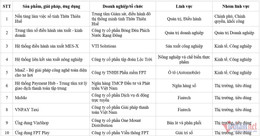
With continued support from the Ministry of Information and Communications and a clear focus on high-impact technologies, the industry is poised to maintain its double-digit growth. The "Top 10 Sao Khue" honorees—which include leaders in digital government, fintech, smart agriculture, and retail—serve as case studies for what is possible when domestic innovation is paired with a clear national digital strategy.

As Vietnam looks toward the next decade, the Sao Khue Award will likely continue to be the primary barometer for the country’s digital health. The transformation from a traditional economy to a digitally-integrated one is well underway, and the 2024 ceremony has provided the evidence that Vietnam is not just keeping pace with global technological trends but is actively contributing to them.