Vladimir Putin reportedly seeks Melania Trump as a neutral mediator for ceasefire negotiations in Ukraine

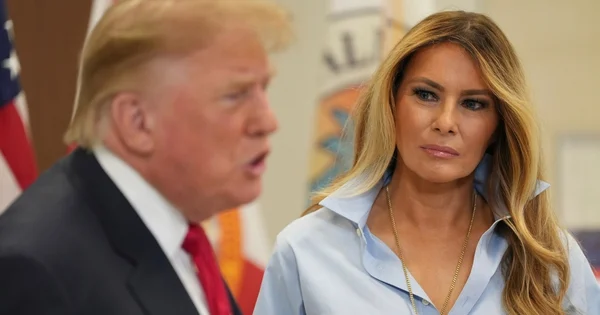
The geopolitical landscape of the Russia-Ukraine conflict has taken a complex and unexpected turn following revelations that Russian President Vladimir Putin has expressed a desire for former First Lady Melania Trump to serve as a high-level mediator. According to Marc Beckman, a senior advisor to Mrs. Trump, the Kremlin has formally reached out with a proposal that would designate her as the primary intermediary for negotiating a ceasefire specifically focused on the city of Oleshky, located in the Kherson region of southern Ukraine.
This development, which emerged on October 28, 2026, marks a significant departure from traditional diplomatic channels, suggesting that the Russian leadership is actively seeking alternative back-channel routes to mitigate the intensity of the ongoing hostilities.
The Diplomatic Proposal and Its Scope
The proposal relayed by the Kremlin is reportedly not merely an informal inquiry but a structured diplomatic request. Mr. Beckman stated that the Russian administration has submitted a formal document outlining a framework where Mrs. Trump would be recognized as the sole representative of the Russian side in these negotiations.
The scope of this potential ceasefire is currently localized but carries broader implications. Initially centered on Oleshky—a strategic point situated on the left bank of the Dnipro River opposite the city of Kherson—the proposal suggests a tactical pause in hostilities. According to reports, the Russian side has proposed an immediate two-day cessation of fire, with the potential to expand this operational zone to include surrounding areas within the Kherson oblast.
The objective of this localized truce, as understood by observers, is to facilitate humanitarian operations that have been stalled due to active combat. This includes the transport of essential humanitarian aid, the demining of civilian corridors, and the evacuation of non-combatants trapped in the crossfire. For the residents of Oleshky, who have faced severe shortages of clean water, medicine, and food, this potential diplomatic breakthrough represents a critical lifeline.
Chronology of the Recent Ceasefire Efforts
To understand the gravity of this development, one must look at the timeline of events leading up to this point. The broader framework for a regional cessation of hostilities was initially announced by the White House on October 23, 2026. Following that announcement, both Moscow and Kyiv provided official confirmation of the terms.
- October 23, 2026: The White House issues a public statement regarding the potential for a localized ceasefire, initiating high-level consultations.
- October 24, 2026: Initial coordination meetings between Russian and Ukrainian technical teams begin to discuss logistics.
- October 27, 2026: The agreed-upon ceasefire officially takes effect, with an intended duration stretching into early November.
- October 28, 2026: Reports surface detailing the Russian request for Melania Trump’s mediation role, marking a pivot toward high-profile, non-traditional diplomacy.
According to Mr. Beckman, while the involved parties have cooperated during the initial implementation phases, several key aspects of the agreement remain under strict confidentiality at the request of both Moscow and Kyiv, highlighting the fragile nature of these negotiations.
Contextualizing the Role of Non-Traditional Mediation
The selection of Melania Trump as a mediator is unusual, yet it reflects a growing trend in international relations where parties seek "neutral" figures who possess a degree of separation from the standard bureaucratic diplomatic corps. Mrs. Trump has previously demonstrated interest in humanitarian initiatives related to children, a topic that has surfaced in past communications with the Russian side.
However, the international community remains cautious. Diplomatic experts note that while localized ceasefires can provide immediate relief to civilian populations, they do not necessarily translate into a sustainable peace process. The conflict, which has seen shifting frontlines across the Kherson, Zaporizhzhia, and Donbas regions, remains deeply entrenched in conflicting territorial and security requirements.
Official Responses and the Stance of the Kremlin
As of late October 2026, the Kremlin has remained largely tight-lipped regarding the specific details of the request involving Mrs. Trump. While the office of the Russian presidency has confirmed the receipt of communications regarding the ceasefire, they have not provided a formal, detailed comment on the mediation proposal itself.
Conversely, Russian foreign policy officials, including Yuri Ushakov, have addressed the broader context of the current negotiations. Mr. Ushakov noted that while the situation on the frontlines remains fluid and highly volatile, the Russian side has yet to propose a specific timeline for the next round of formal trilateral consultations between Russia, the United States, and Ukraine.
"The current situation on the battlefield and the ongoing developments in the Middle East are impacting the ability to host a major summit in the immediate future," Ushakov remarked, acknowledging that the focus is currently on maintaining the momentum of the localized ceasefire agreements.
Implications for the Conflict and Regional Stability
The involvement of a former First Lady in such a capacity could potentially serve as a stabilizer, provided both the United States and Ukraine find the arrangement acceptable. However, the move is not without significant geopolitical challenges.
- Humanitarian Impact: If successful, the mediation could set a precedent for "humanitarian corridors" that are managed by independent, high-level figures rather than military personnel, potentially reducing civilian casualties.
- Diplomatic Precedent: The use of personal envoys in high-stakes conflict resolution can be a double-edged sword. While it allows for faster communication, it also bypasses established institutional oversight, which is often necessary for long-term treaty compliance.
- The Ukraine Position: President Volodymyr Zelensky has expressed cautious optimism regarding upcoming talks, mentioning potential meetings in Abu Dhabi scheduled for early November. Whether the mediation role of Mrs. Trump aligns with the broader peace goals of the Ukrainian government remains an open question.
Analysis: Why Kherson?
The focus on the Kherson region is not coincidental. Kherson represents a critical theater of operations, with the Dnipro River serving as a natural, albeit heavily contested, barrier between Russian and Ukrainian forces. The area has been subjected to some of the most intense artillery exchanges of the war, leading to significant destruction of infrastructure.
By targeting Oleshky for a ceasefire, the parties are likely testing the waters. If a humanitarian pause can hold in this specific, highly sensitive area, it may serve as a "proof of concept" for broader, regional de-escalation. The logistical difficulties in Oleshky—specifically the lack of medical supplies and the dangers of unexploded ordnance—make it a perfect, albeit difficult, proving ground for any mediation efforts.
Broader Diplomatic Challenges
Beyond the specific request for a mediator, the overarching challenge remains the vast gap between the stated security requirements of Moscow and Kyiv. As noted by analysts at the Kyiv Independent and other regional outlets, the lack of a clear "end-game" strategy from either side continues to complicate the prospect of a lasting peace.
The potential for European involvement also remains a point of contention. While there have been reports of European leaders holding ad-hoc discussions with President Putin regarding the situation in Ukraine, no formal consensus has been reached on how a European-backed peace process might look, or how it would interact with potential U.S.-led mediation.
Conclusion: A Waiting Game
As the ceasefire continues through early November, the eyes of the international community remain fixed on both the frontlines in Kherson and the quiet corridors of power in Washington and Moscow. Whether Melania Trump will accept this role, and whether the various parties involved can reconcile their deeply held differences to allow such a process to unfold, remains to be seen.
For now, the focus is on the ground: ensuring that the current pause in hostilities allows for the necessary aid to reach the civilians who have borne the brunt of this conflict. As the world watches these unprecedented diplomatic maneuvers, the primary hope remains that any channel—traditional or otherwise—that can reduce the suffering of the population and create space for dialogue will be pursued with the seriousness that this historic conflict demands.
The international diplomatic community is expected to closely monitor any further official statements from both the Kremlin and the office of the former First Lady in the coming days, as the feasibility of this mediation effort is evaluated against the backdrop of an ever-shifting and complex geopolitical reality.