29 cattle die mysteriously in Nghe An forest as local authorities scramble to contain potential disease outbreak

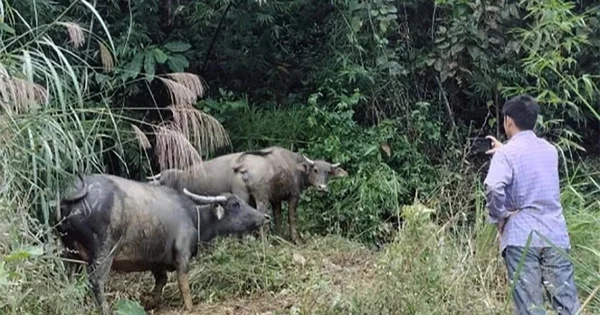
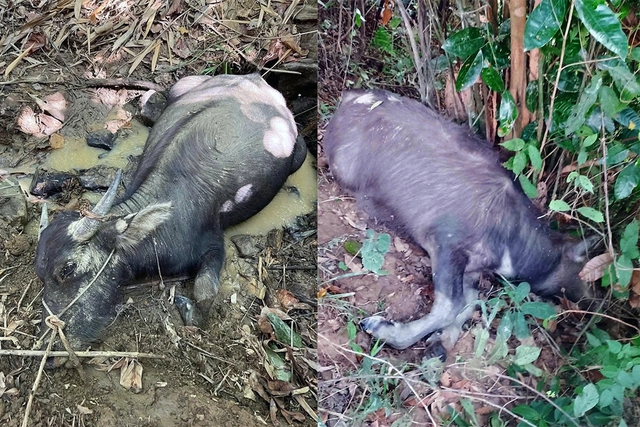
The rural highlands of Huu Kiem Commune, located in the mountainous Nghe An Province of Vietnam, have been gripped by alarm following the sudden and unexplained mass mortality of 29 head of cattle between November 3 and November 7, 2026. The incident, which primarily affected livestock grazing in forested areas, has prompted immediate intervention from local agricultural authorities and veterinary experts who are working to identify the pathogen or environmental factor responsible for the deaths.
Chronology of the Crisis
The situation escalated rapidly over a five-day period. According to reports from the Huu Kiem Commune People’s Committee, the first signs of the crisis emerged on November 3, when farmers noticed several cattle exhibiting symptoms of acute distress while grazing in remote, forested pastures. By November 7, the cumulative toll had reached 29 animals, with the losses concentrated across four specific villages in the commune.
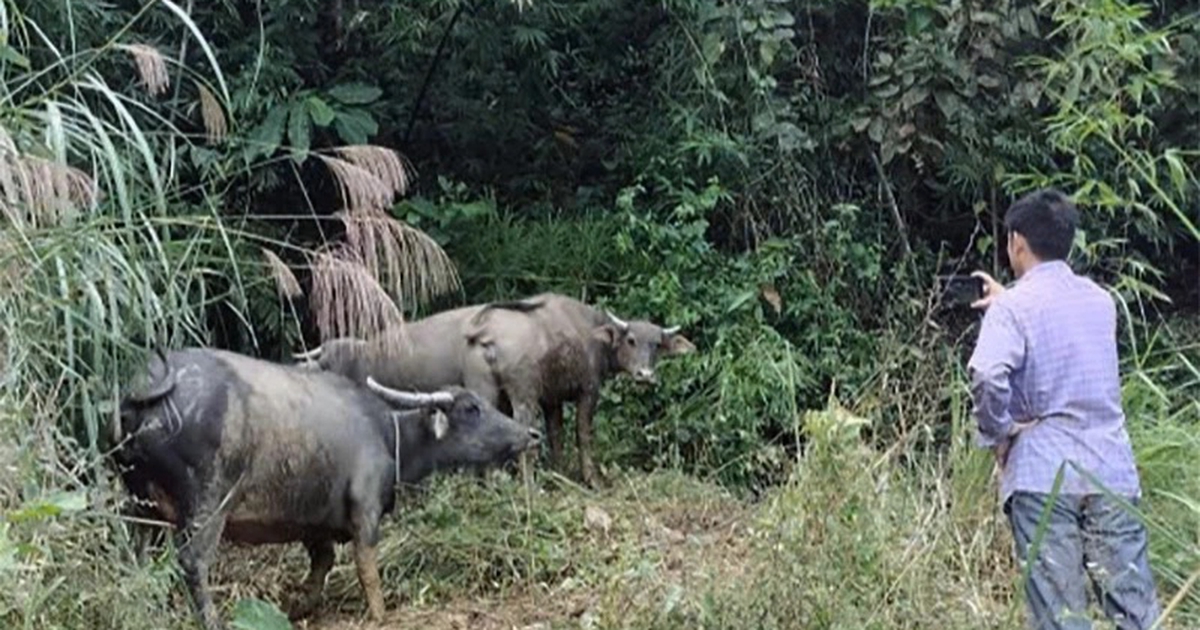
The most significant impact has been felt by local livestock owners such as Mr. Ven Pho Thay, a 49-year-old resident of Khe Naip village. Mr. Thay, who manages a herd of 33 animals, reported the loss of 19 cattle—a devastating blow to his livelihood and a significant portion of the village’s economic output. Witnesses described the animals as suffering from severe distress, displaying symptoms including frothing at the mouth, labored breathing, visible tremors, and abnormal swelling.
Clinical Symptoms and Initial Observations
The clinical presentation of the affected animals has caused deep concern among regional veterinary officials. Farmers who observed the final hours of the animals reported that the cattle appeared disoriented and lethargic before succumbing to death. The combination of respiratory distress and sudden neurological symptoms, such as the described tremors and heavy salivation, points toward several potential categories of illness, including highly contagious viral diseases or potential environmental poisoning.
In response to the rapid decline of his herd, Mr. Thay moved the surviving cattle to an isolated facility approximately one kilometer away from the primary grazing area. This act of preventative isolation is currently the standard recommendation for farmers in the region as they wait for more definitive diagnostic results.
Official Response and Veterinary Intervention
On the evening of November 7, a specialized task force from the local agricultural department arrived in Huu Kiem to assess the situation. The team conducted thorough physical examinations of the carcasses and collected biological samples, including blood and tissue, from the deceased animals. These samples have been transported to the Sub-Department of Animal Health and Veterinary Services in Nghe An Province for comprehensive laboratory analysis.
Mr. Dang Duc Phuoc, Vice Chairman of the Huu Kiem Commune People’s Committee, stated that the priority is to establish a clear cause of death to determine if the mortality event is linked to an infectious disease, such as foot-and-mouth disease or hemorrhagic septicemia, or if other factors are at play. Until the laboratory results are finalized, the local government has implemented a strict protocol for the management of the remaining livestock.

Containment and Bio-Security Measures
The provincial government has issued immediate directives to all households in the affected areas. These measures include:
- Mandatory Disposal: Owners of deceased livestock have been instructed to perform sanitary burials or incineration of the carcasses to prevent the spread of potential pathogens through soil or groundwater contamination.
- Sanitation Protocols: Farmers are being instructed to conduct widespread disinfection of livestock pens, grazing areas, and communal tools used in the handling of the animals.
- Restricted Movement: Grazing in the deep forest has been discouraged. Authorities are encouraging farmers to bring their herds back into pens or controlled enclosures where they can be monitored daily for signs of fever or illness.
- Public Awareness: Local officials are conducting door-to-door educational campaigns to ensure that farmers recognize the early warning signs of illness and report any new cases to the authorities immediately.
Economic and Agricultural Implications
The loss of 29 head of cattle in a span of less than a week is more than a localized tragedy; it represents a severe economic shock to the community of Huu Kiem. In many of these mountainous communes, cattle represent a significant portion of a household’s wealth. When a large percentage of a herd is wiped out, the financial stability of entire families is threatened.
Furthermore, the uncertainty surrounding the cause of death has created a climate of fear regarding the safety of other animals in the region. If the cause is determined to be a highly contagious virus, the province may need to implement wider quarantine zones and vaccination drives to prevent the spread to neighboring communes. This would involve significant coordination between provincial authorities and national agricultural bodies to provide the necessary vaccine supplies and veterinary support.
Broader Context: Livestock Health in Highlands
The challenges faced by the farmers in Nghe An are reflective of broader issues in the management of livestock in mountainous, rural regions of Vietnam. Grazing in forest areas, while traditional, presents significant risks for animal health. These areas are harder to monitor, and interaction with wild animal populations can facilitate the transmission of zoonotic diseases.
Experts suggest that the transition toward more modern, controlled-grazing environments is essential for long-term agricultural development in these provinces. However, such a transition requires investment in infrastructure, feed supplies, and training for farmers who have relied on open-range grazing for generations.
Path Forward and Future Prevention
As the community awaits the findings from the provincial laboratory, the local government is maintaining a state of high alert. The success of the current containment strategy hinges on the cooperation of the farmers and the speed of the diagnostic process.
Once the cause is identified, the next phase of the response will likely involve a targeted vaccination campaign. If the mortality is linked to a vaccine-preventable disease, authorities will likely review the immunization history of the local livestock to determine if a lapse in coverage occurred. If the cause is found to be environmental—such as a toxic plant or water contamination—the scope of the intervention will shift toward ecological management and environmental protection.
For the residents of Huu Kiem, the next few days will be critical. The loss of their livestock is a painful reminder of the vulnerability of small-scale agriculture to sudden, unpredictable events. As the investigation continues, the focus remains on preventing further losses and providing the necessary support to those who have been most affected by this, as of yet, mysterious catastrophe. The provincial authorities have pledged to release further information as soon as the test results are available, with the hope that early identification will lead to a swift resolution to the crisis.