Tragic Quarry Accident in Nghe An Claims the Lives of Two Family Members Working at a Local Mining Site

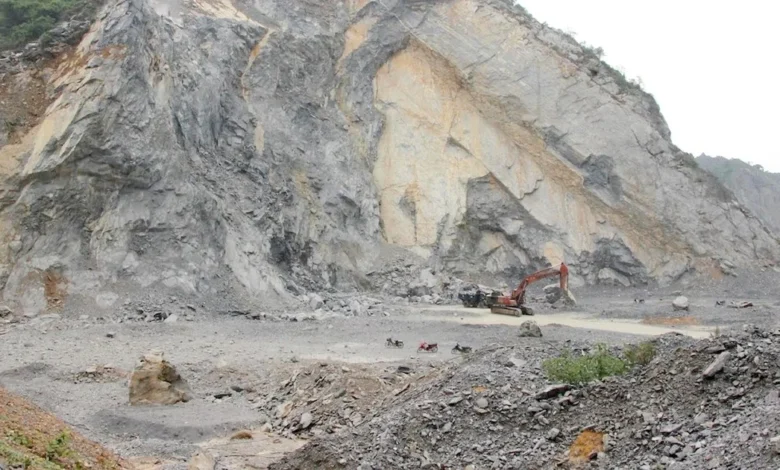
A devastating industrial accident at a stone quarry in Bach Ha Commune, located within the central Vietnamese province of Nghe An, has resulted in the tragic deaths of two local workers who shared a close familial relationship as uncle and nephew. The incident, which unfolded on the afternoon of November 7, has sent shockwaves through the rural community and reignited urgent conversations surrounding occupational safety, workplace hazard enforcement, and the stringent regulatory oversight required in high-risk extraction industries throughout the region.
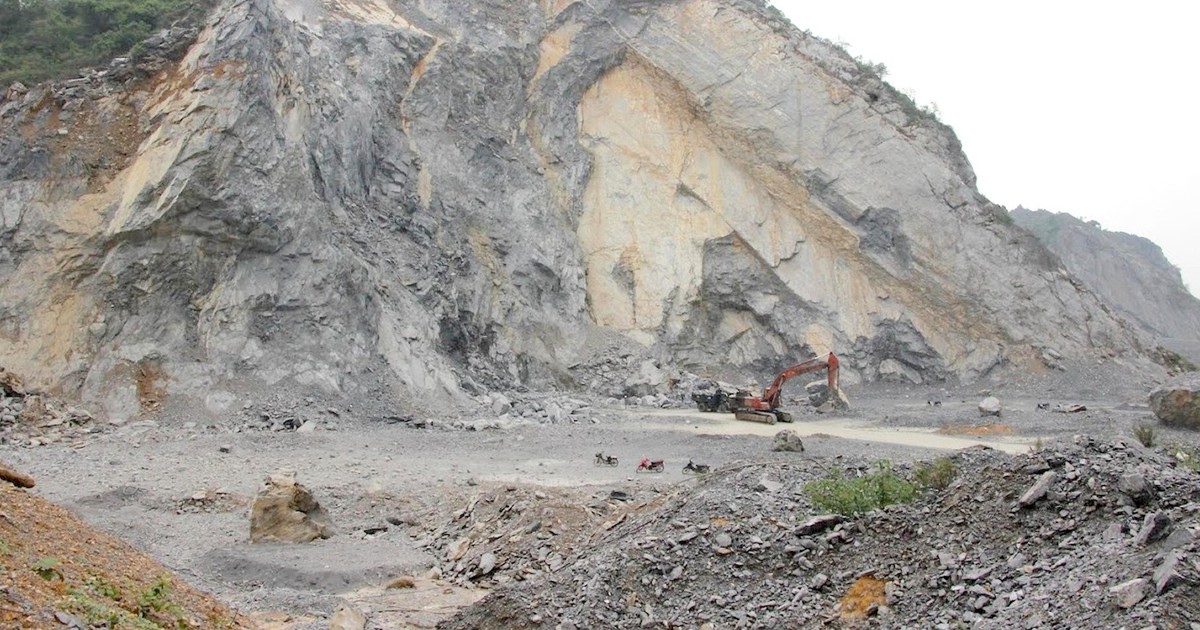
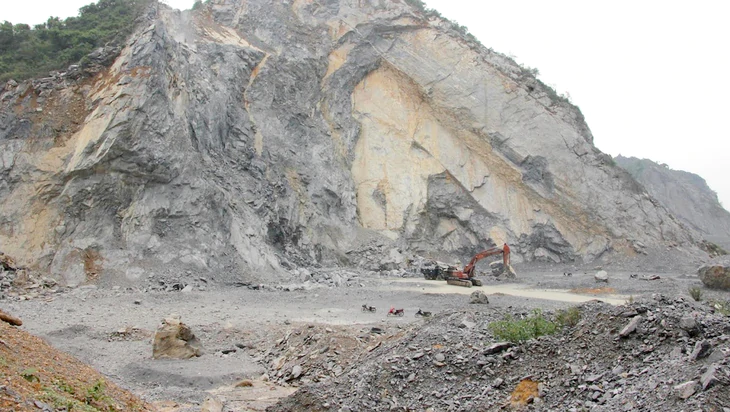
According to local municipal authorities and initial response reports filed by law enforcement agencies, the fatal event took place at approximately 3:00 PM on a Friday afternoon within an expansive, active stone mining facility situated in what was formerly known as Tri Son Commune, now re-designated as Bach Ha Commune. The quarry, encompassing an operational and exploratory footprint of approximately 20 hectares, is a prominent fixture in the local economy, providing employment for numerous residents in the mountainous district. However, the inherent dangers associated with vertical rock excavation, heavy machinery operation, and cliffside labor transformed a routine shift into an irreversible catastrophe.
Chronology of the Accident and Immediate Emergency Response
On the afternoon of the incident, two workers—identified locally as D.V.H., a 41-year-old adult, and D.V.H., a 25-year-old young man—were performing labor-intensive duties on an elevated ledge within the quarry. Both men resided in Dai Huu Hamlet, located in the immediate vicinity of Bach Ha Commune, and maintained a close uncle-nephew familial bond that tied their daily lives and livelihoods together.
Preliminary findings indicate that the two men were working at a significant height above the quarry floor when they experienced a sudden and catastrophic loss of footing or structural stability, causing them to plummet from the heights directly onto the hard terrain below. The impact was severe. The older worker, 41-year-old D.V.H., sustained fatal traumatic injuries and was pronounced dead at the scene by first responders.
The younger worker, 25-year-old D.V.H., survived the initial fall but suffered critical, life-threatening injuries across multiple vital organ systems. Realizing the gravity of the situation, coworkers and on-site managers immediately mobilized to render assistance and coordinate emergency transport. The severely injured victim was rushed via emergency vehicle to Do Luong General Hospital, located in the neighboring district, where a medical team stood by to deliver intensive trauma care. Despite the relentless efforts of emergency physicians and nursing staff to stabilize his condition and reverse the extensive trauma, the young man succumbed to his injuries shortly after arrival.
Local authorities, including the Bach Ha Commune People’s Committee and the local communal police force, received distress calls regarding the accident moments after it occurred. Law enforcement personnel were dispatched to the scene without delay to secure the perimeter, preserve physical evidence, and assist in the evacuation of the injured worker. Recognizing the severity of a double-fatality industrial accident, local authorities immediately notified higher-level provincial investigators.
Comprehensive Investigation and Regulatory Scrutiny
In the wake of the tragedy, the Provincial Police Department of Nghe An mobilized specialized units, including forensic investigators, crime scene technicians, and industrial safety inspectors, to conduct a thorough and meticulous examination of the quarry. Investigators executed comprehensive site inspections, documented the exact coordinates and topographical features of the cliffside where the fall occurred, and performed forensic examinations of the victims’ remains.
The primary objective of the ongoing investigation is to determine the precise chain of events that led to the fatal fall and to evaluate whether the quarry operators adhered strictly to mandatory occupational health and safety (OHS) regulations promulgated under Vietnamese labor law. Investigators are examining several critical factors, including:
- The availability and proper utilization of mandatory personal protective equipment (PPE), such as industrial safety harnesses, anchored lifelines, and helmets designed for high-altitude construction and mining environments.
- The structural integrity and safety protocols governing work zones situated on elevated ledges and vertical stone faces.
- The adequacy of safety briefings, hazard assessments, and supervision provided by the quarry management prior to the commencement of high-risk tasks.
- Compliance with labor scheduling and fatigue management, ensuring that workers are not subjected to unsafe working hours or unreasonable physical demands.
Under standard legal procedures governing industrial accidents in Vietnam, if negligence, a willful disregard for safety standards, or a failure to maintain a safe working environment is proven on the part of the facility operators or management, criminal proceedings may be initiated against responsible parties. Such charges often fall under violations of safety regulations in labor operations, carrying severe penalties ranging from substantial financial restitution to imprisonment for individuals found culpable of professional negligence.
Human Toll and Community Impact
The loss of D.V.H. and D.V.H. has plunged the tight-knit community of Dai Huu Hamlet into deep mourning. In rural areas like Bach Ha Commune, quarrying and agricultural labor represent primary sources of household income, often undertaken by family members working side by side to support their dependents. The sudden loss of two breadwinners from the same family—spanning two generations—creates an immediate emotional and financial vacuum for the surviving relatives.
Following the completion of necessary forensic examinations and legal protocols by the Nghe An provincial authorities, the bodies of both victims were officially released to their grieving families late in the evening on November 7. Local civic organizations, village leaders, and neighbors mobilized quickly to offer condolences, assist with funeral arrangements, and provide emotional support to the bereaved household as they prepare to lay their loved ones to rest according to local customs.
Elected officials and representatives of the Bach Ha Commune People’s Committee visited the victims’ families to offer formal condolences and distribute initial emergency financial assistance. Local authorities have pledged to monitor the family’s needs and coordinate with social welfare organizations to provide ongoing support, recognizing the profound hardship facing the dependents left behind.
Broader Implications for Industrial Safety in Nghe An
The fatal incident in Bach Ha Commune serves as a grim reminder of the persistent hazards associated with mineral extraction, stone crushing, and quarrying operations across Vietnam. While the construction and mining sectors are vital drivers of economic growth, infrastructure development, and employment in central provinces like Nghe An, they consistently rank among the most hazardous industries in terms of workplace injuries and fatalities.
Industry experts and labor safety advocates emphasize that quarry accidents are rarely isolated incidents; rather, they frequently stem from systemic vulnerabilities within the sector, including:
- Enforcement Gaps: While national regulations governing mining and industrial safety are comprehensive, oversight and routine inspections by local regulatory bodies can be constrained by limited personnel, vast geographic areas, and the proliferation of small-to-medium-scale extraction sites.
- Economic Pressures: Operators facing tight deadlines or fluctuating market demand may occasionally cut corners on safety investments, defer maintenance on heavy equipment, or bypass the installation of comprehensive fall-protection systems for workers operating at elevated heights.
- Training Deficits: Temporary or contract workers may sometimes receive inadequate safety training before being assigned to high-risk environments, increasing their vulnerability to misjudging environmental hazards on unstable terrain.
In response to frequent industrial accidents in recent years, the Ministry of Labor, Invalids and Social Affairs (MOLISA), alongside provincial people’s committees nationwide, has repeatedly urged heightened vigilance, mandatory safety audits, and stricter penalties for non-compliant enterprises. Provincial authorities in Nghe An have signaled an intent to intensify unannounced inspections across all active quarries, stone-cutting yards, and mining concessions in the province to verify compliance with OHS standards and prevent similar tragedies.
As the formal investigation into the Bach Ha Commune quarry disaster continues, the ultimate findings are expected to shed light not only on the specific technical failures that precipitated the fall but also on the broader institutional measures necessary to safeguard the lives of laborers working in Vietnam’s high-risk extractive industries.