Durian Prices Surge Across Central Highlands and Southeast Vietnam Amid Rising Export Demand

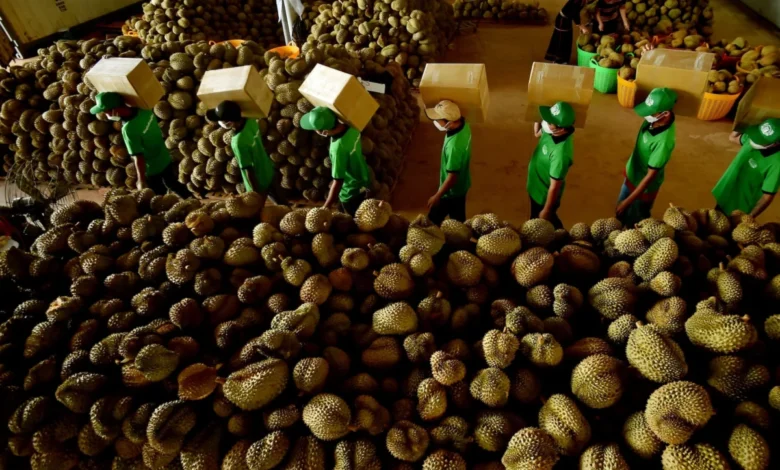
After several weeks of stagnation, the durian market across the Central Highlands and the Southeast region of Vietnam is experiencing a robust recovery. Traders and procurement facilities have reported a significant price increase of 15% to 20% compared to the previous month, signaling a reinvigorated supply chain as export-focused harvesting accelerates. This shift comes as a welcome relief to orchard owners who have navigated a period of price volatility and challenging weather conditions.
Current Market Dynamics and Price Segmentation
The current market landscape is characterized by a sophisticated, quality-based pricing structure. According to recent surveys at major procurement hubs, premium Monthong durians (Grade A) are currently being traded at 90,000 to 95,000 VND per kilogram. Meanwhile, Grade B fruit is commanding between 70,000 and 84,000 VND per kilogram.
The market has introduced a more nuanced classification system based on the internal quality of the fruit, specifically flesh texture and color. "Rice-like" durians—characterized by pale or less-than-ideal color and texture—are trading between 80,000 and 82,000 VND per kilogram for Grade A, and 60,000 to 65,000 VND for Grade B. Additionally, lower-grade stock is being acquired by merchants for 50,000 to 55,000 VND per kilogram, while rejected or cull-grade fruit remains at a baseline of 25,000 VND per kilogram.
Hoang Trung, a veteran trader operating in the Dong Nai and Dak Lak provinces, confirmed that the price floor has finally lifted. "For a long period, we were stuck in a range of 60,000 to 65,000 VND per kilogram at the warehouse, with orchard-gate prices hovering around 40,000 to 45,000 VND. The recent uptick marks a clear recovery for producers," Trung noted.
The Impact of Weather and Quality Constraints
While the price hike is a positive development, industry experts caution that the supply of top-tier fruit remains limited. Persistent, heavy rainfall across the Central Highlands has negatively impacted the quality of the flesh, reducing the volume of fruit that meets the stringent requirements for Grade A classification.
"The supply currently available on the market is heavily concentrated in Dak Lak, but there is significant variability in quality and yield between orchards," explained Trung. "Because the rain has hampered consistent fruit development, traders are forced to pay higher prices for premium stock to secure the limited supply, while simultaneously segmenting the market into various tiers to manage the remaining inventory."
This fragmentation of pricing is a direct response to the difficulty in sourcing high-quality, export-ready durians. As exporters strive to meet international standards, the disparity between "perfect" fruit and weather-affected fruit has widened significantly.
Chronology of the 2026 Season and Export Drivers
The 2026 durian season has been defined by a complex interplay of international competition and domestic production cycles. Early in the year, Vietnamese producers faced stiff competition from major regional players like Thailand. However, as the Thai harvest concluded, a supply vacuum emerged, providing a strategic opening for durians from the Central Highlands.
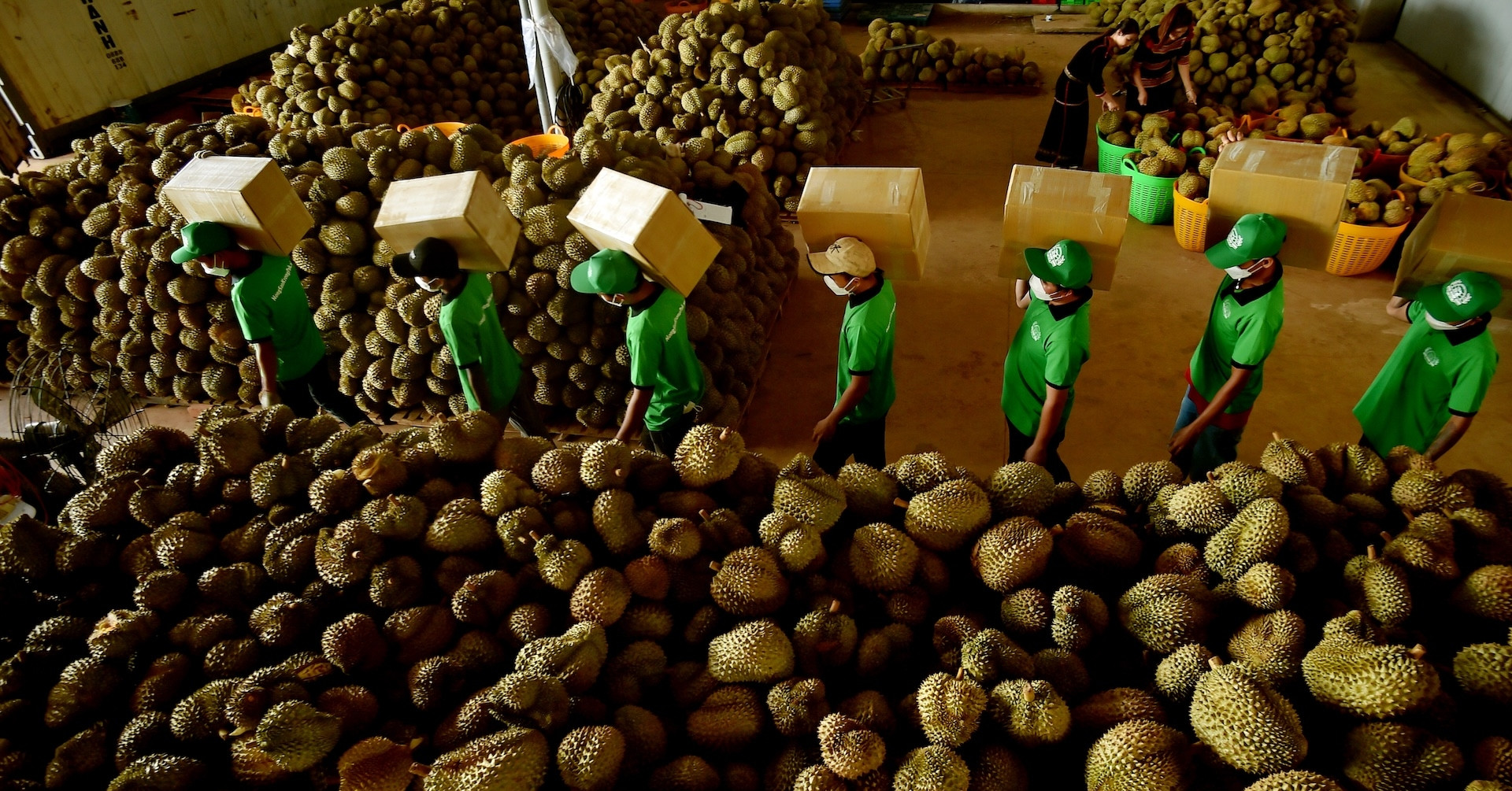
In addition to this supply-side shift, demand from the Chinese market has experienced an explosive surge. This is primarily attributed to preparations for the Chinese National Day holiday and the Mid-Autumn Festival. These cultural events, which typically see a sharp increase in consumer spending on premium fruits, have compelled export firms to aggressively procure inventory.
According to data from Le Anh Trung, Chairman of the Dak Lak Durian Association, the region has completed only about 40% of its total harvest. The harvesting window is expected to extend through mid-to-late November. This year’s production is projected to reach approximately 500,000 tons, a 20% increase over the previous year, highlighting the growing significance of the Central Highlands in the global durian trade.
Statistical Context and Economic Implications
The importance of the durian sector to Vietnam’s agricultural economy cannot be overstated. According to official customs data, the export value of durian for the first seven months of 2026 reached nearly 1.77 billion USD, marking a 47.1% increase compared to the same period in 2025. This sector now accounts for approximately 37% of Vietnam’s total fruit and vegetable export turnover.
China remains the dominant market, absorbing 93.5% of Vietnam’s total durian exports. This heavy reliance on a single market presents both a massive opportunity and a significant risk factor for the industry. Any fluctuation in regulatory requirements or consumer sentiment in China could have immediate repercussions for Vietnamese farmers.
Expert Recommendations for Sustainable Growth
Despite the current market optimism, leaders in the industry remain vigilant. The ongoing threat of erratic weather patterns in the Central Highlands poses a risk to the quality of the remaining harvest. Le Anh Trung has emphasized that while the market is buoyant, there is no room for complacency.
"We are advising farmers to focus intensely on technical care to mitigate the effects of excessive moisture on the fruit," said Trung. "Furthermore, it is critical for farmers to move away from individual, short-term selling and prioritize long-term, direct linkages with reputable export companies. Partnerships with firms that possess both financial stability and consistent procurement capabilities are the only way to ensure sustainable outcomes for our growers."
The strategy of forming cooperatives and formalizing contracts with export enterprises is seen as the primary defense against the inherent volatility of the global agricultural commodity market. By stabilizing the "end-to-end" supply chain, producers can protect themselves from the dramatic price swings that often characterize the peak of the harvest season.
Future Outlook
The outlook for the remainder of the 2026 season remains cautiously optimistic. As harvesting continues in the higher-altitude orchards of Dak Lak, the industry expects to maintain a strong export pace. However, the focus is shifting from simple volume production to high-value quality management.
As the global appetite for high-quality Vietnamese durian continues to grow, the industry is entering a critical phase of professionalization. The coming months will test the resilience of the supply chain, the efficacy of the new quality-segmentation pricing models, and the ability of producers to navigate the increasingly complex requirements of international markets. For now, the combination of strong demand and a strategic supply window has placed the Vietnamese durian industry in a position of significant economic strength.