Presbyopia Misconceptions: Why Over-the-Counter Glasses and Quick Fixes for Age-Related Vision Loss Are a Dangerous Mistake

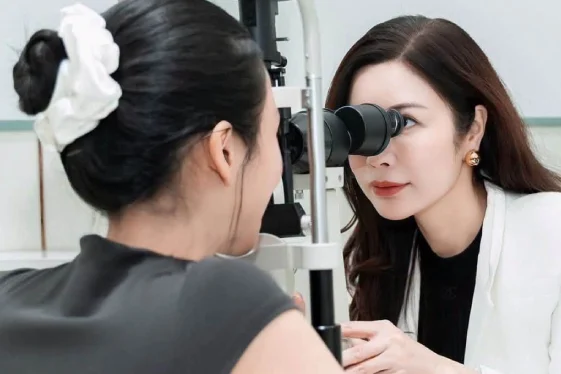
As individuals cross the threshold into their fourth decade of life, subtle yet profound physiological changes begin to manifest throughout the body. Among the most common and universally experienced transformations is the gradual deterioration of near-vision capabilities, a natural aging process known clinically as presbyopia. While this condition is an inevitable part of human development, the modern societal response to it has raised significant alarm among ophthalmologists and eye care professionals. Rather than seeking comprehensive clinical evaluations from specialized medical institutions, a vast majority of adults experiencing the early signs of presbyopia resort to quick, convenient, and potentially hazardous shortcuts.
Across major urban centers and local communities alike, a troubling trend persists: individuals who notice their vision blurring when reading text messages, working on laptop computers, or scanning a newspaper simply walk into the nearest over-the-counter optical shop. Without undergoing a thorough diagnostic examination by an eye doctor, these patients routinely purchase pre-made reading glasses or rely solely on automated autorefractor measurements to cut lenses. According to leading medical experts, this casual approach to managing age-related vision changes is not only inefficient but represents a serious, compounding risk to long-term ocular health.
Understanding Presbyopia: The Biological Reality of Aging Eyes
To comprehend the risks associated with hasty corrective measures, one must first examine the underlying biology of presbyopia. According to Ths.BS Dinh Thi Phuong Thuy, Director of Dong Do Eye Hospital in Hanoi, presbyopia is a normal, inevitable physiological process that typically becomes noticeable once a person enters their early-to-mid-forties. During youth, the crystalline lens inside the human eye is flexible and elastic, supported by tiny muscles that allow it to easily change shape. This mechanism—known as accommodation—enables the eye to focus effortlessly on objects located at varying distances, shifting seamlessly from the horizon to a book held inches away.
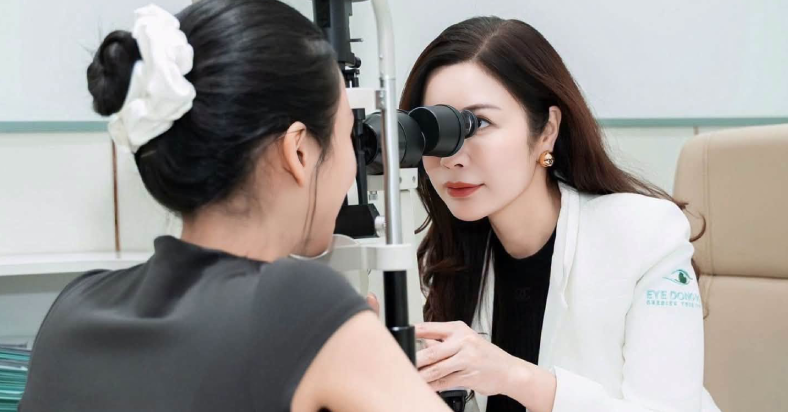
However, as the human body ages, the crystalline lens gradually loses its natural elasticity, and the ciliary muscles responsible for shifting its focus weaken over time. Consequently, the eye’s accommodative capacity diminishes significantly, particularly when attempting to focus on near objects. For individuals suffering from presbyopia, routine daily tasks become frustrating challenges. Reading fine print on smartphones, reviewing spreadsheets on computer screens, or glancing at restaurant menus grows increasingly difficult. A hallmark behavioral indicator of this transition is the tendency to hold reading material at arm’s length, pushing the text further away from the eyes in an effort to bring the characters into sharper focus.
In modern society, where office workers, academics, and professionals spend hours daily staring at digital screens, the onset of presbyopia can severely disrupt both personal comfort and professional productivity. Eye strain, persistent headaches, and visual fatigue become frequent companions for those struggling to compensate for their declining visual acuity without proper medical guidance.
The Dangers of the Quick Fix: Why Over-the-Counter Glasses Fall Short
Despite the progressive nature of the condition, public awareness regarding the proper management of presbyopia remains surprisingly low. A pervasive psychological barrier exists among adults over forty who view presbyopia merely as an inevitable nuisance of aging rather than a medical condition requiring professional oversight. This casual mindset fosters an environment where convenience overrides safety.
When vision blurs, many patients bypass ophthalmologists entirely, opting instead for generic reading glasses purchased off retail racks or relying on rapid, automated kiosk refractions. Experts emphasize that determining an accurate optical prescription requires much more than a simple machine-generated scan. Prescribing the correct corrective lens involves a comprehensive evaluation of the patient’s binocular vision, astigmatism, corneal health, and residual accommodative amplitude.
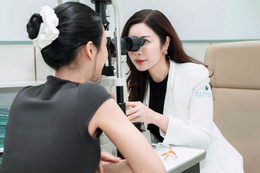
Wearing incorrectly prescribed lenses over an extended period forces the eyes to work harder than necessary, leading to chronic eye strain, fatigue, and a perceptible degradation of visual quality. Furthermore, patients can inadvertently adapt to improper corrective strengths, training their visual system to tolerate suboptimal conditions. This adaptation makes subsequent, accurate clinical prescriptions exceedingly difficult to determine, complicating future vision correction efforts.
In some clinical scenarios, the risks of relying solely on automated diagnostic machines are even more pronounced. Ophthalmologists have documented cases where patients with minimal or no underlying refractive errors are mistakenly diagnosed with severe myopia—sometimes up to 5 diopters—solely because the automated autorefractor captured an extreme accommodative spasm during the test. If an optical shop dispenses lenses based strictly on such unverified machine outputs, the patient will receive a drastically erroneous prescription, leading to severe visual discomfort and further destabilizing their natural focusing mechanisms.
Clinical Recommendations and Professional Diagnostic Pathways
In light of these persistent clinical challenges, medical professionals strongly advise individuals over the age of forty to abandon the habit of self-diagnosing presbyopia and purchasing unverified corrective eyewear. When symptoms such as blurred vision, reading difficulties, or the need to hold objects at a distance first arise, patients should schedule an appointment with a qualified ophthalmologist or specialized eye clinic.
A comprehensive professional eye examination involves several critical diagnostic steps:

- Anamnestic Evaluation: Reviewing the patient’s medical history, occupational visual demands, and daily lifestyle habits.
- Visual Acuity Testing: Measuring uncorrected and corrected visual performance at various distances.
- Refractive Assessment: Evaluating astigmatism, myopia, or hyperopia using a combination of automated instruments and subjective clinician-guided refractions.
- Accommodative Amplitude Testing: Determining the exact remaining focusing capability of the crystalline lens.
- Ocular Health Screening: Inspecting the cornea, retina, and intraocular pressure to rule out concurrent pathologies such as cataracts, glaucoma, or macular degeneration.
Through these rigorous diagnostic procedures, eye care specialists can formulate a precise optical prescription tailored precisely to the patient’s unique visual needs, ensuring maximum comfort and long-term ocular protection.
Modern Surgical Interventions for Presbyopia Management
For patients who experience presbyopia but wish to avoid the daily inconvenience of wearing traditional reading glasses, modern ophthalmology offers advanced alternatives. Among these is refractive laser surgery, designed to restructure the corneal architecture and optimize optical power across different zones of the eye.
Advanced laser procedures can create a multi-focal effect on the cornea, assisting patients in achieving clear vision across near, intermediate, and distant viewing ranges without the constant need for spectacles. However, medical experts emphasize that surgical intervention is not a universal solution suitable for every patient.
Prior to undergoing any refractive surgical procedure, candidates must undergo exhaustive clinical screenings to evaluate their corneal topography, tear film stability, and baseline accommodative function. While laser correction can successfully restore functional range-of-vision for approximately ten years—varying according to individual ocular aging patterns—patient selection remains the most critical determinant of surgical success.

Broader Public Health Implications and Preventive Awareness
The widespread reliance on over-the-counter reading glasses highlights a broader educational gap in community health and preventive medicine. As global populations age and digital screen exposure continues to rise across all demographics, maintaining ocular health becomes an essential component of overall well-being.
Public health agencies and medical associations increasingly advocate for regular, routine eye examinations starting in early adulthood, with heightened frequency recommended for individuals entering their forties. Promoting awareness regarding the dangers of unprescribed corrective lenses can prevent unnecessary visual fatigue, reduce the incidence of misdiagnosed refractive errors, and catch early-stage ocular diseases before they escalate into debilitating conditions.
Ultimately, preserving vision requires shifting societal attitudes away from convenience-driven shortcuts and toward proactive, professional medical care. By treating age-related vision changes with the clinical rigor they demand, adults can protect their most vital sense and maintain an active, high quality of life well into their later years.