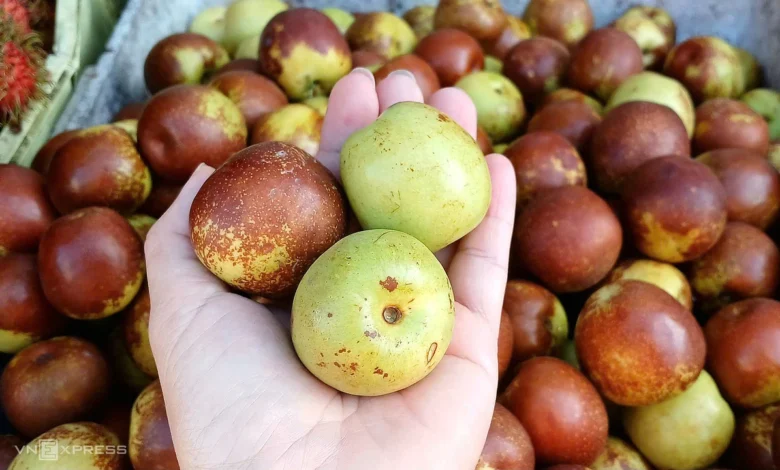
The retail price of Chinese red dates, commonly known as winter jujubes, has plummeted to record lows in the Vietnamese market, signaling a significant shift in supply chain dynamics and agricultural logistics. Consumers in Ho Chi Minh City and across major urban centers are currently finding this fruit at prices ranging from 35,000 to 150,000 VND per kilogram, depending on the fruit’s size, quality, and the point of sale. This represents a 10% to 15% decrease in retail pricing compared to the same period last year, and a sharp contrast to the price points observed in the 2020-2021 period, when these fruits commanded significantly higher premiums.
A Shift in Market Dynamics
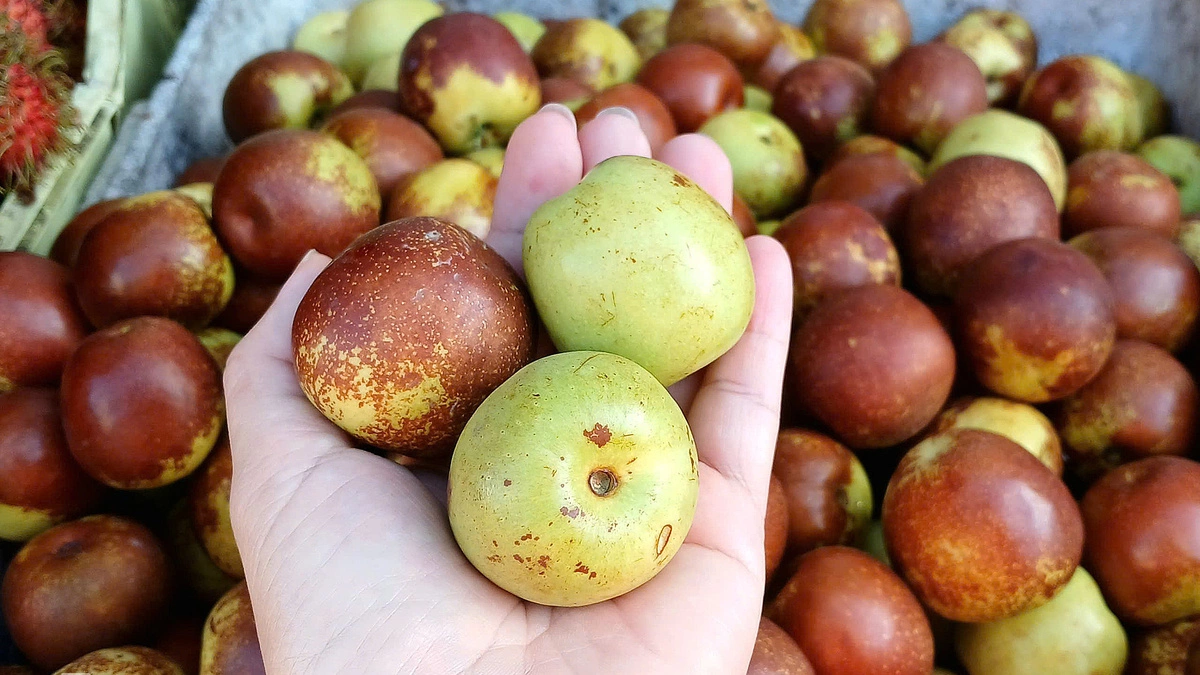
Historically, winter jujubes—prized for their round shape, thin, crisp skin, and sweet, juicy flesh—were categorized as premium imported fruits. Consumers often had to source them through specialty imported fruit boutiques, where they were sold in controlled quantities at high markups. Today, the landscape has transformed; the fruit is widely available across traditional wet markets, neighborhood fruit stands, and major supermarket chains.
The surge in supply is not merely a localized phenomenon but a result of broadened distribution channels and increased import volumes. Market analysts point to the aggressive expansion of supply networks, which has democratized access to the product. While in previous years, retailers focused on medium-to-large fruit sizes to maximize margins, the current market has seen an influx of various size categories. This diversification has allowed traders to cater to different consumer segments, ranging from budget-conscious shoppers looking for smaller, more affordable options to those seeking premium, larger-grade produce.
Chronology of the 2024-2025 Season
The current season for winter jujubes began in early July and is expected to continue through November. However, the trajectory of prices throughout this window has been unusual. Wholesale traders at the Thu Duc Agricultural Wholesale Market in Ho Chi Minh City report that supply volumes have been increasing steadily since the season’s inception.
During the period between August and October, wholesale prices saw a marked decline of approximately 20% compared to the start of the season. By the end of October, the volume of product moving through these wholesale channels had surged from an average of 2 tons per day to approximately 3.5 tons per day. This sustained high volume of supply has created a downward pressure on pricing, forcing traders to adjust their strategies to remain competitive.
For many long-term vendors, this is an unprecedented situation. Experienced traders note that in their five years of business, they have never witnessed such a prolonged period of low pricing. At the start of the season, prices were higher, but the consistent arrival of bulk shipments has prevented the usual mid-season price rebound.
Supporting Data and Agricultural Context
The underlying cause for this price stabilization—and subsequent decline—lies in the modernization of agricultural practices in China, specifically in regions like Dali County, Shaanxi Province. Dali is a central hub for jujube production, boasting approximately 28,000 hectares of farmland and an annual output exceeding 700,000 tons. This region alone accounts for nearly one-third of China’s domestic market for this specific variety of fruit.
The shift in market supply is largely attributed to the adoption of advanced agricultural infrastructure. Local growers have moved away from traditional open-field cultivation in favor of greenhouse and climate-controlled netting systems. These structures allow for the controlled maturation of the fruit, enabling growers to stagger harvests rather than relying on a single, short-lived peak harvest window.
By utilizing these modern techniques, farmers have extended the supply season from a traditional 40-day window to nearly six months. The fruit can now reach the market as early as May, significantly altering the competitive landscape. This technological leap means that supply is no longer concentrated, effectively decoupling the product from the seasonal scarcity that once drove prices upward.
Official Perspectives and Trade Implications
The influx of Chinese agricultural products into the Vietnamese market has drawn attention from both trade experts and agricultural authorities. Industry insiders, such as Nguyen Van Hong, a prominent wholesale fruit distributor in Northern Vietnam, suggest that the ease of importing has attracted a larger number of participants into the supply chain.
"The import process has become more streamlined, and the ability to source large quantities on demand has incentivized more players to enter the trade," Hong explained. His firm has seen a 30% increase in import volume compared to the same period last year. This increase in the number of importers has created a highly competitive environment where the only way to move large volumes is to lower prices, directly benefiting the end consumer.
Furthermore, the grading systems at wholesale markets have become more sophisticated. Products are now strictly categorized by size—ranging from 1A to 3A grades—which provides greater transparency for buyers. Smaller, 3A-grade fruits now retail for as little as 20,000 to 24,000 VND per kilogram, while the larger, more visually appealing 1A-grade fruits retail between 40,000 and 50,000 VND per kilogram at the wholesale level.
Broader Economic Implications
The availability of affordable, high-quality imported fruits like the winter jujube has broader implications for the local retail economy. As consumers spend less on fruit staples, discretionary income shifts toward other sectors. However, this also presents a challenge for local Vietnamese fruit growers, who must compete with the consistency and low pricing of these mass-imported products.
The case of the winter jujube serves as a microcosm of the modern agricultural supply chain: technology-driven production in the country of origin, combined with efficient logistics and a highly competitive distribution network, has effectively eliminated the "scarcity premium" that was once a staple of the imported fruit market.
Looking forward, industry analysts suggest that the trend of year-round or extended-season availability for various fruits is likely to continue. As long as regional agricultural hubs continue to invest in protective, climate-controlled farming technologies, consumers can expect these lower price points to become the new baseline for market expectations. The era of the "rare" or "exclusive" imported fruit is rapidly fading, replaced by a retail environment defined by mass availability and price-sensitive competition. For now, the winter jujube remains a clear winner for the consumer, providing a high-quality, affordable snack option in an increasingly complex and interconnected global food market.