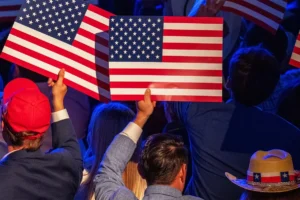
The political landscape in Washington underwent a significant transformation following the 2026 midterm elections, where the Democratic Party secured a decisive victory, reclaiming control over the legislative branch. This shift in power has prompted immediate reactions from global powers, including Russia, Iran, and the European Union, each assessing how a divided government in the United States might alter the trajectory of American foreign policy, trade relations, and international security commitments. As President Donald Trump prepares to navigate the remainder of his term with a hostile Congress, the international community is bracing for a period of recalibrated diplomacy and potential legislative gridlock.
The Political Shift: A New Legislative Reality
The 2026 midterms served as a referendum on the administration’s policies, particularly regarding trade tariffs, international alliances, and domestic economic strategy. By winning control of both chambers of Congress, the Democratic Party has gained the authority to obstruct the executive agenda, initiate oversight investigations, and exert influence over federal budget appropriations.
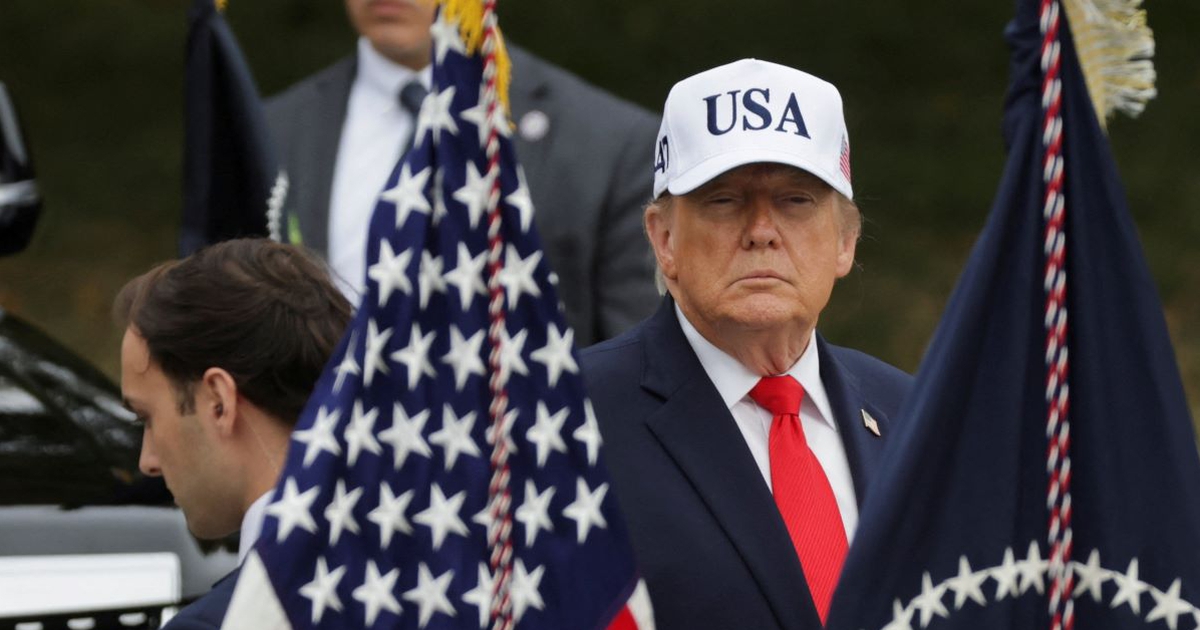
For the White House, this result marks a critical juncture. President Trump, who previously held significant sway over the legislative agenda, must now contend with a leadership that has campaigned on challenging his executive actions. The transition of power within the Capitol is expected to lead to intense political infighting, as the Democratic leadership moves to scrutinize administration policies that have, over the past two years, strained relationships with long-standing allies and disrupted global trade norms.
Chronology of the 2026 Midterm Cycle
The road to the 2026 results was characterized by high-stakes rhetoric and significant economic anxiety.
- Early 2026: Economic indicators suggested a cooling of the post-pandemic recovery, with inflation remaining a persistent concern for voters.
- Summer 2026: The administration’s implementation of aggressive tariff policies on key imports triggered retaliatory measures from trading partners, exacerbating tensions within the G7 and the World Trade Organization.
- September 2026: Debates intensified over foreign aid packages, specifically regarding support for Ukraine and the administration’s territorial claims regarding Arctic resources, including Greenland.
- October 2026: The final weeks of the campaign focused heavily on domestic infrastructure and the impact of the administration’s isolationist rhetoric on global stability.
- November 4, 2026: Election results confirmed a shift in control, with the Democratic Party capturing the majority in the House and Senate, setting the stage for a period of legislative oversight.
European Union: A Cautious Welcome
For the European Union, the results in Washington are viewed with a mix of relief and measured optimism. European diplomats, speaking on condition of anonymity from Brussels, suggested that the change in Congress provides a necessary check on the “Trump era” policies that have historically prioritized nationalist agendas over multilateral cooperation.
"This is a moment of potential stabilization," noted a senior EU diplomat. "While the executive branch remains in the hands of the current administration, the return of a system of checks and balances provides our partners in Washington with the necessary friction to reconsider some of the more unilateral stances on trade and defense that have caused friction within the transatlantic alliance."
European officials have expressed hope that the new legislative makeup will allow for more predictable cooperation on security issues, particularly as the continent navigates the ongoing geopolitical challenges in Eastern Europe. The EU’s interest lies in ensuring that the United States maintains its commitments to NATO and continues to play a stabilizing role in global affairs, rather than pursuing policies that might isolate the United States from its traditional allies.
The Kremlin’s Perspective: Seeking Stability
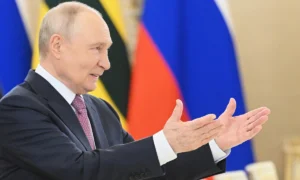
In Moscow, the official response from the Kremlin has been one of careful observation. Press secretary Dmitry Peskov stated that Russia remains hopeful that President Trump will continue his stated commitment to “reconstructing peace” in the region.
The focus of Russian diplomacy remains centered on the upcoming three-party negotiations scheduled for November 10–11 in Abu Dhabi, involving representatives from the United States, Russia, and Ukraine. Moscow’s stance is that despite the shift in Washington’s internal power structure, the executive branch still holds the primary authority to negotiate foreign treaties. However, analysts suggest that the Kremlin is well aware that the Democratic-controlled Congress could place significant hurdles in the path of any administration-led deal that might be perceived as concessions to Russia.
Iran’s Strategic Calculation
Tehran has adopted a more skeptical tone. Supreme Leader Mojtaba Khamenei remarked that any changes in U.S. policy following the midterm elections should be viewed with extreme caution, warning against the perception that a change in legislative control equates to a fundamental shift in the “hostile nature” of American foreign policy.
Mohammad Bagher Ghalibaf, the Speaker of the Iranian Parliament, echoed this sentiment, arguing that the results of the midterm elections demonstrate that the American public is increasingly weary of the financial and human costs associated with the administration’s military interventions and global posturing. Iran’s leadership appears to be using the election outcome to reinforce its narrative that the United States is experiencing internal decline, thereby strengthening its own position in future regional negotiations.

Implications for Future Policy
The implications of a divided U.S. government extend far beyond the immediate reactions of foreign leaders. In Washington, the administration now faces a series of complex challenges:
- Budgetary Gridlock: The Democratic-led Congress is expected to push back against the administration’s spending priorities, potentially leading to government shutdown threats or long-term funding uncertainty.
- Trade and Tariffs: Legislators are likely to hold hearings on the effectiveness of recent tariff policies, seeking to mitigate the impact on domestic industries and consumer prices.
- Foreign Policy Oversight: The legislative branch now has the tools to demand transparency regarding the administration’s diplomatic communications and to exert influence over international treaties.
- Executive Appointments: The confirmation process for federal judges and cabinet-level officials will become significantly more difficult, forcing the administration to seek more moderate candidates to gain bipartisan support.
The Path Forward
In a statement provided to The New York Times on November 3, President Trump addressed the impending shift in the legislative landscape. He emphasized his intention to respect the results of the election and stated that he is prepared to cooperate with the Democratic leadership where interests align. This pragmatic approach may be essential for the administration to achieve any significant legislative victories before the 2028 presidential campaign cycle begins in earnest.
The global community now waits to see how the "system of checks and balances" will function in practice. For the European Union, it is a chance to reset the transatlantic relationship. For Russia and Iran, it is a period of re-evaluating their diplomatic strategies in the face of a more constrained U.S. executive. Ultimately, the 2026 midterms have signaled that while the White House retains its executive authority, the American legislative process will once again become a central, and perhaps contentious, arena for defining the nation’s role on the world stage.
As the dust settles on the election, the core challenge for all parties remains the same: navigating a global environment that is increasingly interconnected yet deeply divided. Whether the new legislative reality will lead to a more cooperative international posture or further internal paralysis remains one of the most significant questions in contemporary international relations. The coming weeks, particularly following the high-profile meetings in Abu Dhabi, will likely offer the first clear indicators of how this new political equilibrium will affect the broader geopolitical order.