The issue of food safety management in Gia Lai province has taken center stage in local government deliberations, following a surge in food poisoning incidents that have raised alarms regarding public health and regulatory oversight. During a legislative session held on November 5, officials from the Gia Lai Provincial People’s Council addressed the critical gap in the supervision of food service providers, including street food vendors and small-scale catering businesses, many of which are operating without the mandatory food safety certifications.
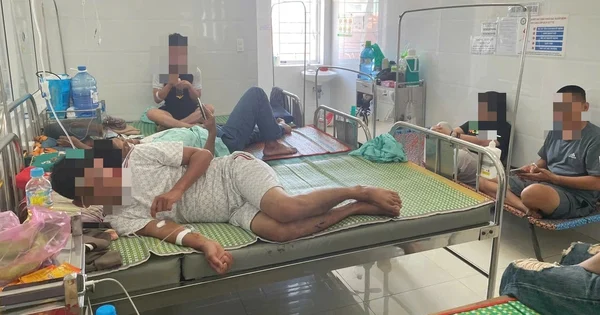
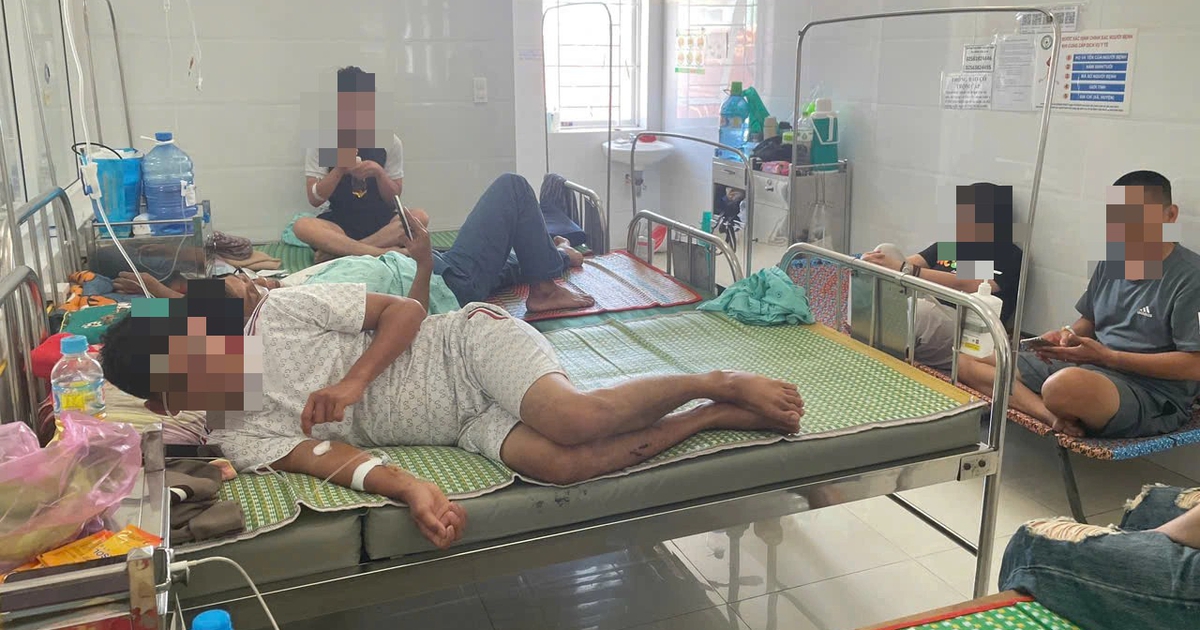
Le Quang Hung, Director of the Gia Lai Department of Health, reported that within the first nine months of 2026, the province documented two major food poisoning outbreaks and several suspected cases linked to food service establishments. These incidents, primarily associated with "banh mi" (Vietnamese bread) vendors operating under the jurisdiction of commune-level authorities, resulted in 378 people falling ill. While no fatalities have been reported, the scale of the illness represents a significant increase—an additional 218 cases—compared to the same period in 2025. Investigations into these incidents confirmed the presence of Salmonella spp. in at least one instance, while the origins of other outbreaks remain under investigation.
A Chronology of Rising Risks and Regulatory Gaps
The recent series of foodborne illnesses in Gia Lai has highlighted the vulnerabilities inherent in the local food supply chain, particularly regarding street-level commerce. Banh mi, a staple in the local diet, often contains a complex array of ingredients—including pate, processed meats, fresh vegetables, and various sauces—that require strict temperature control and hygienic handling.
The current regulatory landscape in Gia Lai involves over 13,300 food-related establishments. Of these, roughly 2,700 are managed at the provincial level, while the vast majority—over 10,600—fall under the purview of commune authorities. Within the specific category of food service businesses that are legally required to hold food safety certificates, approximately 600 facilities are currently operating without the necessary credentials.
The susceptibility of these businesses to food contamination is exacerbated by the climate. In the Central Highlands, where temperatures frequently fluctuate between 38°C and 40°C, the risk of rapid bacterial growth in perishable ingredients is constant. Many small-scale vendors lack adequate cold storage or systematic cooling infrastructure, creating a "perfect storm" for food poisoning.
Enforcement Efforts and Statistical Analysis
The provincial health department has attempted to mitigate these risks through a combination of educational outreach and stringent inspections. In the first nine months of 2026, the Sub-Department of Food Safety conducted a series of audits, resulting in the sanctioning of 76 businesses for various infractions, with total fines exceeding 300 million VND. At the commune level, inter-agency inspection teams identified and penalized an additional 111 establishments, bringing the total number of sanctioned businesses to 187, with cumulative fines surpassing 500 million VND.
Laboratory testing has further underscored the necessity of these interventions. Out of 140 food samples collected from 40 different establishments, 137 met safety standards. However, three samples failed testing protocols, with specific instances of processed meats and raw materials testing positive for E. coli, a primary indicator of fecal contamination or poor hygienic practices during processing.
Strategic Response: The Banh Mi Safety Initiative
In response to the recurring outbreaks, the Gia Lai Department of Health has launched a pilot model titled "Banh Mi Safety in Gia Lai 2026." This initiative, currently implemented in 20 select establishments, focuses on four critical pillars: the verification of raw material sources, the professionalization of processing areas, the enforcement of personal hygiene standards for staff, and the implementation of robust food storage protocols.
To support this transition, health authorities have conducted two comprehensive training sessions for business owners and staff. Furthermore, a QR code system has been introduced to allow consumers and tourists to access transparent information regarding the source of ingredients and the food safety status of participating establishments. This digital approach is intended to empower consumers to make informed choices while incentivizing business owners to maintain higher safety standards to retain their market share.
Official Directives and Future Policy Directions
During the legislative session, Rah Lan Chung, Chairman of the People’s Council of Gia Lai, issued a stern directive to the Provincial People’s Committee. He called for an immediate and thorough review of the 600 establishments currently operating without certification. He emphasized that the province must move beyond reactive measures and establish a proactive framework for supervision.
"The management of food safety must be a comprehensive process, beginning from the initial stages of production, animal husbandry, and agriculture, extending through to processing and commercial circulation," Chairman Chung stated. He instructed relevant departments to streamline the administrative procedures required for certification to encourage compliance among small-scale vendors, while simultaneously increasing the frequency and intensity of unannounced inspections.
Furthermore, Chairman Chung mandated an evaluation of the "Banh Mi Safety" pilot program to determine its scalability. If the model proves effective in reducing incidence rates, it may be expanded across the province. He also highlighted the need to bolster the workforce responsible for food safety at the commune level, noting that current staffing levels are insufficient to manage the high density of small-scale food businesses.
Broader Implications for Public Health
The situation in Gia Lai serves as a microcosm of the challenges faced by many regional authorities in Vietnam as they balance the growth of a vibrant street food culture with the necessity of public health standards. The reliance on commune-level oversight, while theoretically effective due to the proximity of regulators to businesses, is often hampered by a lack of specialized training and the sheer volume of informal vendors.
The rise in food poisoning cases in 2026 underscores that informal food sectors, if left unchecked, can quickly become a public health burden that strains medical resources. As the province moves toward more rigorous enforcement, the success of these policies will likely depend on three factors: the accessibility of the certification process for small business owners, the ability of the provincial government to provide consistent training, and the public’s willingness to support businesses that prioritize safety over price.
Moving forward, the integration of technology, such as the QR code tracking system, represents a significant step toward modernizing food safety. By digitizing information, the province is not only creating a culture of accountability but also fostering a marketplace where safety is treated as a competitive advantage. The coming months will be a litmus test for the provincial administration as they attempt to reconcile the economic realities of small business owners with the fundamental right of the public to safe, sanitary, and high-quality food.
In conclusion, the directive from the provincial leadership reflects a turning point in how Gia Lai approaches public safety. By focusing on the entire supply chain—from farm to table—and addressing the "bottleneck" of uncertified, high-risk vendors, the provincial government aims to restore public trust and ensure that the local culinary tradition does not come at the cost of the health of its citizens.