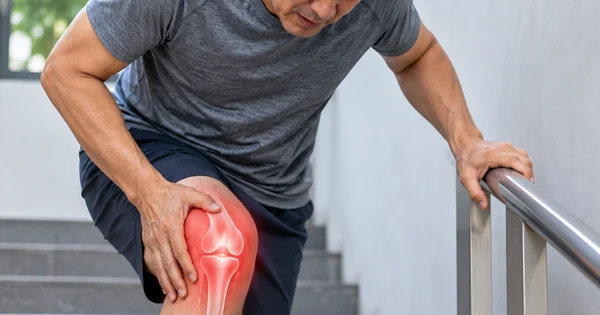
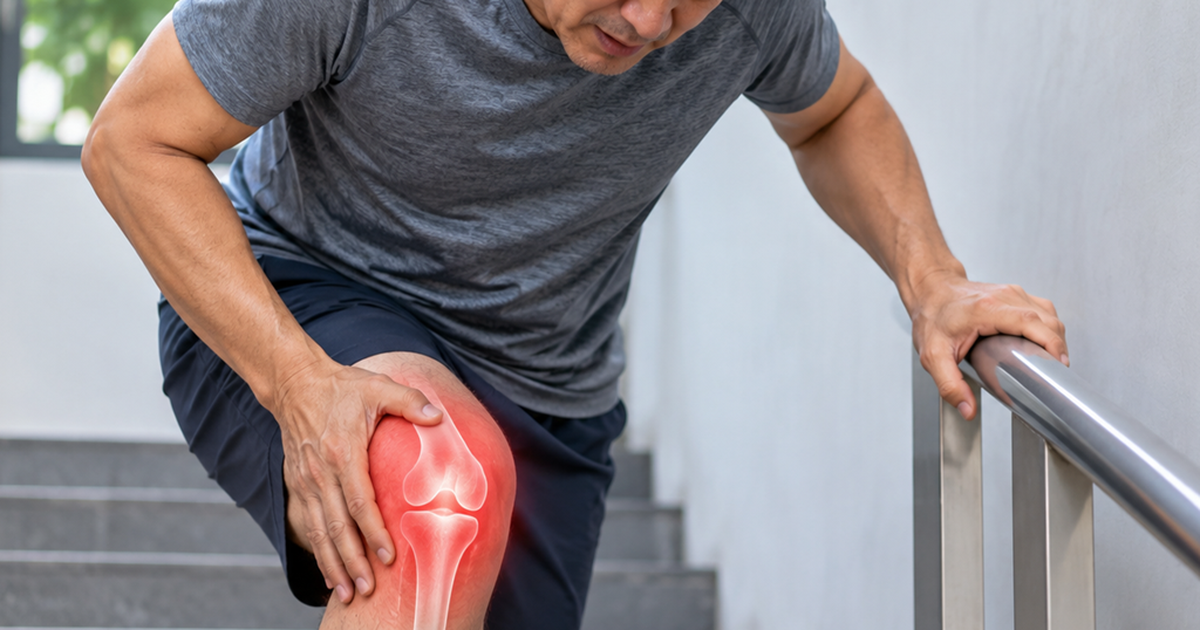
The experience of sharp or persistent pain in the knee when ascending or descending stairs is a pervasive health concern among the middle-aged population. As individuals enter their 40s and 50s, the biomechanical demands placed on the patellofemoral joint—the point of articulation between the kneecap and the thigh bone—become increasingly apparent. Clinical observations and data from institutions such as the Cleveland Clinic and Medical News Today suggest that this discomfort is rarely a random occurrence; rather, it is often a symptom of progressive musculoskeletal degradation or mechanical dysfunction.
When a person climbs stairs, the knee joint undergoes a rigorous cycle of flexion and extension under the full burden of body weight. Simultaneously, the quadriceps and hamstring muscles must exert significant force to maintain equilibrium and propel the body vertically. This kinetic chain reaction significantly amplifies the load on the patellofemoral joint, which can be up to seven times an individual’s body weight during stair climbing. For middle-aged adults, this repetitive stress often exposes underlying structural vulnerabilities that may have been previously asymptomatic.
Patellofemoral Pain Syndrome: The "Runner’s Knee" Phenomenon
Patellofemoral Pain Syndrome (PFPS), frequently referred to in clinical circles as "runner’s knee," is perhaps the most common diagnostic category for individuals reporting anterior knee pain. This condition is characterized by discomfort located at the front of the knee, specifically around or behind the patella.
PFPS is essentially a tracking issue. When the kneecap does not glide smoothly within the groove of the femur, it creates friction and localized inflammation. The pain is particularly acute during activities that require high degrees of joint flexion, such as climbing stairs, kneeling, or rising from a seated position after a prolonged period of inactivity. Many patients report an audible grinding or popping sensation, medically known as crepitus, as the joint moves.
According to Gary Calabrese, a prominent physical therapist at the Cleveland Clinic, the common impulse to cease all physical activity is often counterproductive. "Total rest can lead to muscle atrophy, particularly in the quadriceps, which further diminishes the joint’s ability to support weight," Calabrese notes. Instead, the current clinical consensus emphasizes controlled strengthening of the hip and thigh muscles, which stabilizes the kneecap and alleviates the pressure on the joint.
Osteoarthritis: The Progressive Wear-and-Tear Reality
As the population ages, osteoarthritis (OA) becomes a primary driver of chronic knee pain. Unlike acute injuries, OA is a degenerative process characterized by the gradual erosion of the articular cartilage—the smooth, rubbery tissue that cushions the ends of bones. As this protective layer thins, the bones begin to rub against one another, leading to chronic inflammation, pain, and a progressive loss of range of motion.
The onset of osteoarthritis is often insidious. Patients may notice mild stiffness in the mornings, which gradually progresses to a more persistent, aching pain triggered by physical activity. In the context of stair climbing, the loss of cartilage integrity reduces the joint’s ability to absorb shock, making the descent, in particular, a source of significant discomfort.
It is a common misconception that a diagnosis of osteoarthritis necessitates a sedentary lifestyle. Modern orthopedic guidelines suggest that low-impact, consistent physical activity is vital for maintaining joint lubrication and muscle support. Treatment plans are highly individualized, ranging from anti-inflammatory medication and weight management to physical therapy and, in advanced stages, surgical intervention such as arthroplasty.
Meniscal Tears: Mechanical Disruptions
The meniscus, two C-shaped wedges of cartilage that act as shock absorbers between the shinbone and the thigh bone, is critical for knee stability. Meniscal tears are a frequent cause of mechanical knee pain, though the etiology of these tears varies significantly by age.
In younger, more active individuals, meniscal tears are typically the result of acute trauma—often involving a sudden, twisting motion while the foot is planted. In the middle-aged population, however, the tissue of the meniscus undergoes natural degenerative changes, making it prone to tearing even during the performance of routine, everyday activities.
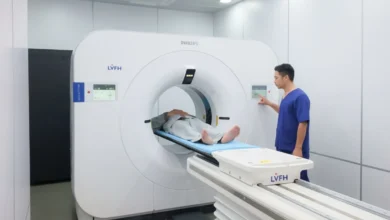
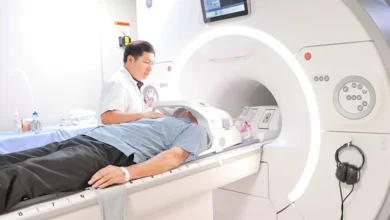
The symptoms of a meniscal tear are distinct. Patients often describe a sensation of the knee "locking" or giving way, accompanied by localized swelling and a sharp, stabbing pain during rotation. If the tear is severe, the patient may find it physically impossible to fully extend or bend the knee. Clinical diagnosis usually involves a combination of physical examination and imaging, such as an MRI. It is important to note that not all meniscal tears require surgery; many are successfully managed through physical therapy and activity modification.
Chronology of Symptoms and Diagnostic Indicators
For the middle-aged adult, the timeline of knee pain is often a critical diagnostic tool for primary care physicians. A sudden onset of pain after a specific event—such as a sporting activity or a fall—points toward acute injury, such as a ligament strain or a traumatic tear. Conversely, a gradual, worsening trajectory over several months or years is highly suggestive of degenerative conditions like osteoarthritis.
Physicians typically evaluate the patient through a systematic process:
- Clinical History: Assessing the frequency of pain, the specific angle of flexion that triggers it, and the presence of nocturnal discomfort.
- Physical Examination: Testing joint laxity, swelling (effusion), and the presence of crepitus during range-of-motion tests.
- Imaging: Utilizing X-rays to assess joint space narrowing (an indicator of cartilage loss) and MRIs to visualize soft tissue structures like the meniscus and ligaments.
Broader Implications and Public Health Impact
The rise in knee-related complaints among the middle-aged demographic has significant implications for public health and economic productivity. Chronic joint pain is a leading cause of disability, resulting in reduced physical activity levels, which in turn elevates the risk of comorbidities such as obesity, cardiovascular disease, and type 2 diabetes.
Data indicates that the economic burden of knee osteoarthritis alone is substantial, accounting for billions of dollars in medical costs and lost work hours annually. Consequently, the focus of modern medicine is shifting toward preventative care. Programs aimed at improving gait mechanics, promoting healthy body weight, and encouraging muscle-strengthening exercises are becoming standard recommendations for middle-aged individuals who wish to preserve their mobility into their later years.
Conclusion: A Proactive Approach to Joint Health
While the sound of "creaky" knees when climbing stairs may seem like an inevitable consequence of aging, it is frequently a sign that the body requires intervention. Whether the underlying cause is patellofemoral syndrome, osteoarthritis, or a meniscal issue, early diagnosis is paramount.
The integration of physical therapy, targeted exercise, and, when necessary, professional medical consultation can significantly improve the quality of life for those suffering from these conditions. The goal is not merely to alleviate the pain of today, but to ensure the long-term integrity of the joint for the years to come. Patients are encouraged to consult with orthopedic specialists or physical therapists to develop a personalized care plan, as generic advice often falls short of addressing the unique biomechanical profile of each individual. By moving away from the assumption that joint pain is a permanent burden and toward a model of active management, middle-aged adults can reclaim their mobility and continue to navigate their daily environments with confidence.