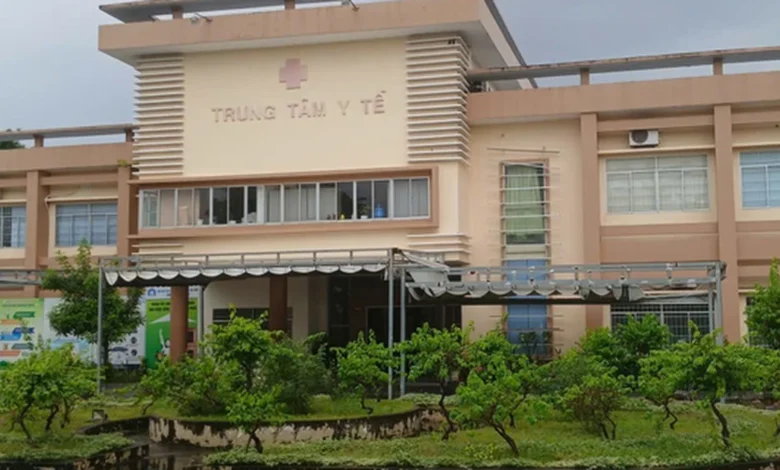
Ho Chi Minh City is accelerating its sweeping administrative and healthcare restructuring campaign as local authorities officially announce the integration of the Phu My Regional Medical Center into the People’s Hospital Gia Dinh. Scheduled to take effect on January 1, 2027, this strategic consolidation marks another pivotal milestone in the municipal government’s ongoing endeavor to streamline public healthcare administration, optimize resource allocation, and enhance the overall accessibility and quality of specialized medical services for residents across the southern metropolis.
Comprehensive Integration Framework and Structural Transfer
Under the official directive recently issued by the Ho Chi Minh City People’s Committee, the Phu My Regional Medical Center—formerly operating as a public non-business service unit directly under the Ho Chi Minh City Department of Health—will officially cease its independent operations starting the first day of 2027. All corresponding functions, operational mandates, organizational structures, human resources, physical infrastructure, medical equipment, financial portfolios, public assets, as well as existing legal rights and obligations, will be comprehensively transferred to the People’s Hospital Gia Dinh.
The People’s Hospital Gia Dinh will subsequently assume full responsibility for managing, operating, and utilizing these acquired resources in strict compliance with current legal frameworks governing public asset management. Municipal leaders have explicitly emphasized that the transfer process must be executed with absolute transparency, accountability, and rigorous oversight to prevent any loss, leakage, or waste of state-owned assets. Furthermore, regulatory authorities have mandated that the administrative transition must not disrupt, delay, or compromise the continuity of daily medical examination and treatment services provided to the general public.
Following the completion of this structural merger, the operational network of the People’s Hospital Gia Dinh will expand significantly, encompassing three major functional campuses across Ho Chi Minh City:
- Main Campus (Campus 1): Located at No. 1 Nhat Trang Long Street, Gia Dinh Ward, Ho Chi Minh City.
- Saigon Campus (Campus 2 – People’s Hospital Gia Dinh): Located at No. 125 Le Loi Street, Ben Thanh Ward, Ho Chi Minh City.
- Phu My Campus (Campus 3 – People’s Hospital Gia Dinh): Located at No. 106 Truong Chinh Street, Phu My Ward, Ho Chi Minh City.
Expanded Scope and Institutional Responsibilities
With its newly broadened network, the People’s Hospital Gia Dinh is tasked with delivering a comprehensive array of general and specialized medical examination and treatment services. Beyond clinical care, the institution carries significant responsibilities in scientific research, medical education, vocational training, and the continuous professional development of its healthcare workforce. Additionally, the hospital will play a vital role in professional technical guidance (chi đạo tuyến) within its specialized domains, operating under the direct directives of competent state authorities and relevant legal provisions.
To ensure a seamless administrative merger, the Ho Chi Minh City Department of Health has been assigned the primary responsibility of spearheading, guiding, and supervising the entire handover process. This includes the precise transfer of organizational charts, personnel files, physical facilities, technical machinery, financial accounts, administrative archives, and legal obligations. The Department of Health is also charged with overseeing the formulation and approval of a revised job position framework (đề án vị trí việc làm) and determining the appropriate workforce headcount for the hospital post-merger.
In close collaboration with other municipal bodies, the health sector will implement statutory policies and welfare measures for public employees and laborers affected by the restructuring, ensuring full compliance with labor laws and civil service regulations. Concurrently, the leadership of the Phu My Regional Medical Center is required to maintain active communication channels with its workforce, proactively identifying and addressing any operational hurdles or employee concerns to maintain a stable, secure, and supportive working environment throughout the transition period.
Historical Context and Preceding Mergers
This upcoming integration of the Phu My Regional Medical Center is part of a broader, systemic restructuring initiative orchestrated by the Ho Chi Minh City People’s Committee to reform the public healthcare landscape. This strategy closely mirrors prior structural adjustments, most notably the integration of the Saigon General Hospital into the People’s Hospital Gia Dinh, which officially took effect on January 1, 2026.
The early operational outcomes of previous mergers demonstrate promising enhancements in healthcare delivery and international outreach. For instance, in the initial month following the integration of the Saigon General Hospital, Campus 2 of the People’s Hospital Gia Dinh recorded 217 patient visits from foreign nationals—representing a remarkable surge of 88.7% compared to the figures recorded in December 2025. This sharp increase underscores the growing capacity of expanded municipal health institutions to attract international patients and deliver high-standard medical care.
Profile of the Phu My Regional Medical Center
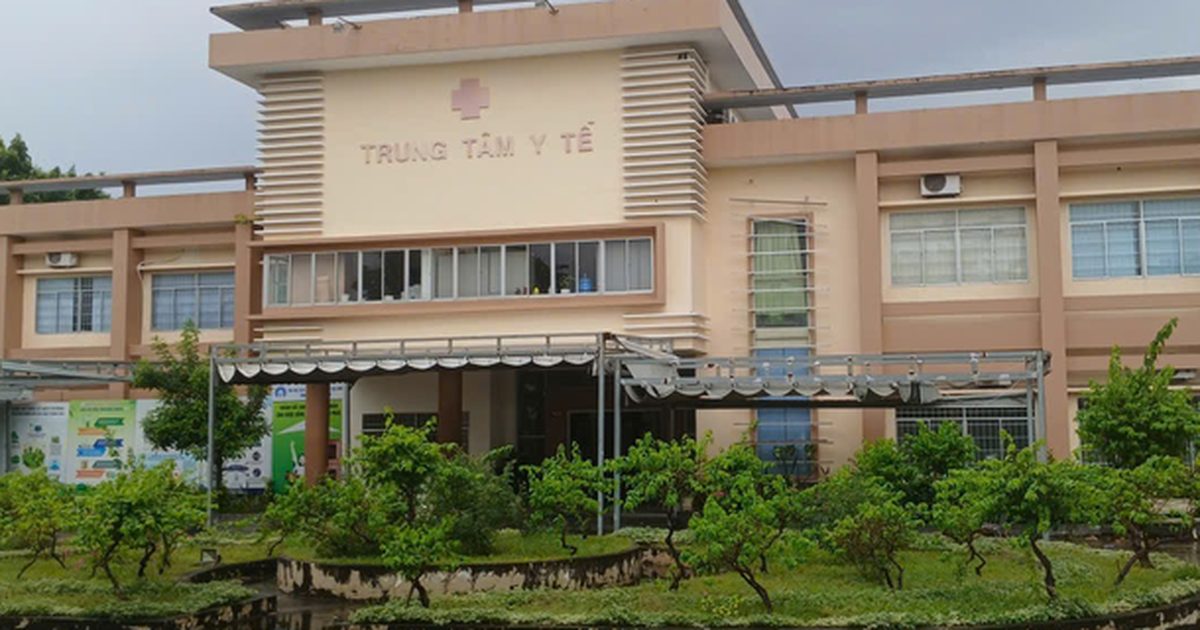
The Phu My Regional Medical Center has long served as a vital pillar in the local public healthcare framework. Operating previously as a public non-business entity under the Department of Health, the facility boasts a scale of 100 hospital beds distributed across 17 specialized clinical and administrative departments. Historically, the center has accommodated upwards of 112,000 outpatient visits annually, providing essential primary and secondary care to the local community.
With over three decades of establishment and development, the Phu My medical facility has progressively expanded its clinical specialties, effectively bridging healthcare gaps and alleviating the severe patient congestion traditionally experienced by higher-level central hospitals in the urban core. Its incorporation into a major specialized institution like the People’s Hospital Gia Dinh is expected to modernize its medical infrastructure, upgrade its technological capabilities, and elevate its clinical competencies to meet rising healthcare demands.
Strategic Implications and Future Outlook
Public health experts and municipal policy analysts view the consolidation of regional medical facilities into prominent hub hospitals as a necessary and progressive step toward modernizing Vietnam’s urban healthcare systems. By centralizing administrative management while decentralizing specialized clinical delivery across strategic geographical nodes, Ho Chi Minh City aims to resolve long-standing systemic inefficiencies.
Key anticipated benefits of this structural consolidation include:
- Resource Optimization: Pooling financial resources, advanced diagnostic equipment, and specialized medical expertise under a unified management umbrella eliminates bureaucratic redundancies and maximizes capital efficiency.
- Enhanced Clinical Quality: Patients previously restricted to basic regional care will gain smoother referral pathways and direct access to advanced medical interventions available at the main campuses of the People’s Hospital Gia Dinh.
- Workforce Development: Centralized training programs and standardized clinical protocols will elevate the professional competency of medical personnel operating across all secondary and tertiary campuses.
- Reduced Overload: Strengthening outer-ring and regional facilities such as Campus 3 will decentralize patient flows, directly mitigating overcrowding at major inner-city hospitals.
As the January 1, 2027 deadline approaches, the Ho Chi Minh City People’s Committee, the Department of Health, and the administrative boards of both institutions remain under strict mandates to execute the transition meticulously. Through careful logistical planning, transparent asset management, and steadfast support for healthcare workers, the municipal government aims to deliver a modernized, cohesive, and resilient healthcare network capable of serving the evolving medical needs of millions of citizens in the years ahead.