Segway X Cruiser Challenges Traditional Motorcycle Design with Automotive-Grade Safety Features

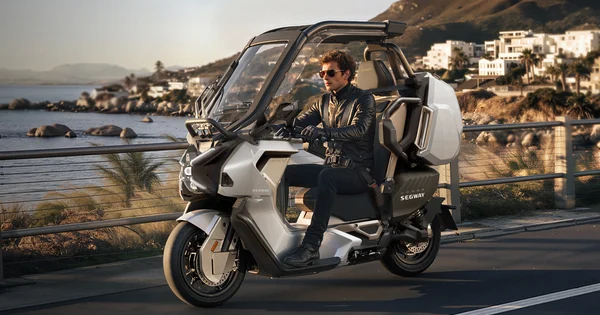
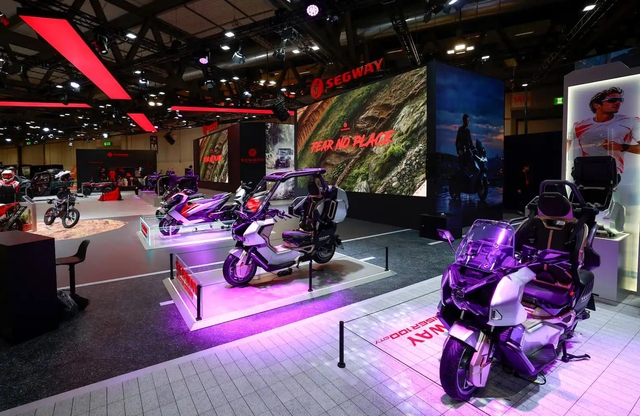
The landscape of personal urban mobility is undergoing a radical transformation as Segway unveils its groundbreaking X Cruiser series, a motorcycle that effectively bridges the gap between the agility of a two-wheeler and the comprehensive safety architecture of a modern passenger car. Debuted at the EICMA 2026 exhibition in Milan, the X Cruiser series represents a departure from standard electric scooter designs, integrating structural safety solutions—such as seatbelts, protective frames, and advanced blind-spot monitoring systems—that were previously considered incompatible with the lightweight nature of motorcycle transportation.
A New Paradigm in Two-Wheeled Safety
Historically, the vulnerability of motorcyclists has remained the primary deterrent for prospective riders. While conventional safety measures have focused on passive protection—such as helmets, specialized apparel, and rider training—the Segway X Cruiser shifts the burden of safety toward the vehicle’s inherent design. By analyzing collision data typically associated with automobiles, Segway’s engineering team has translated passenger car safety logic into a two-wheeled framework.
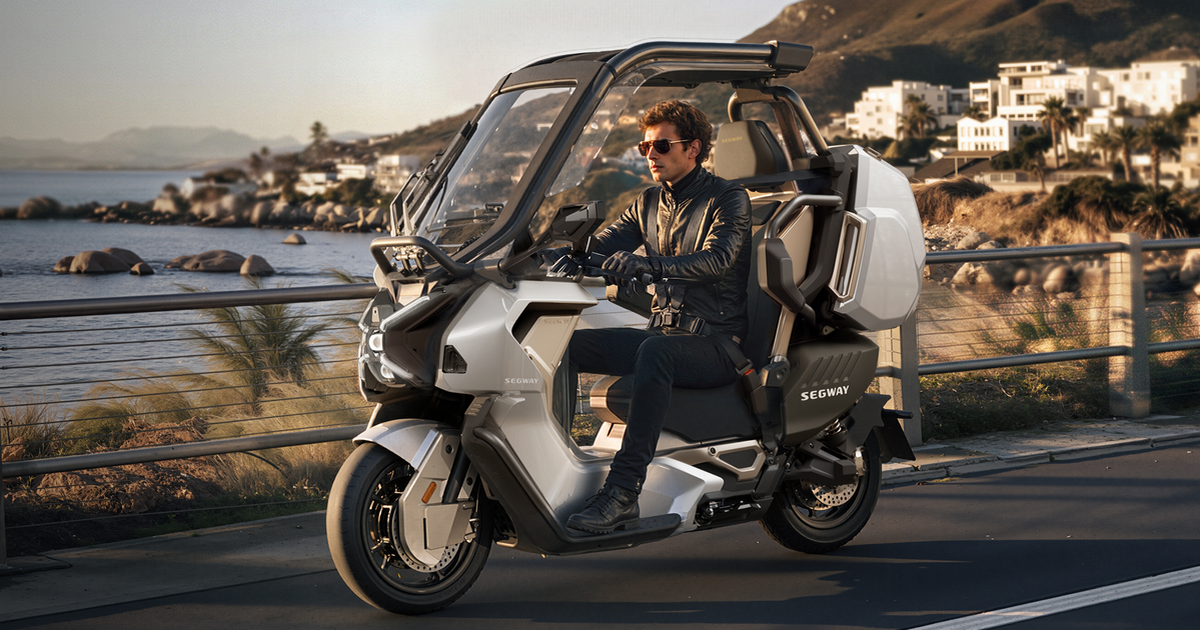
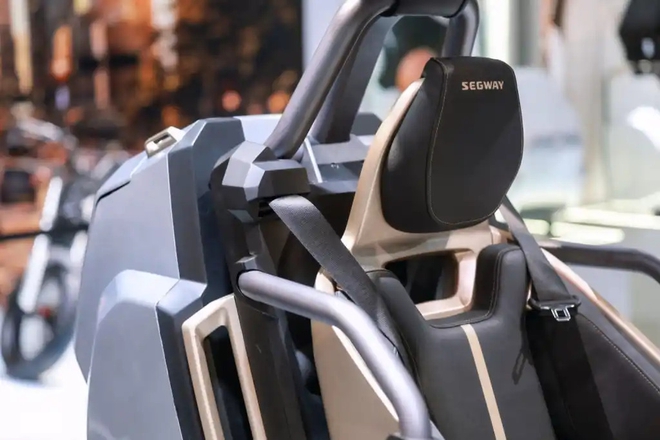
The most striking feature of the X Cruiser is its structural exoskeleton. Unlike traditional motorcycles that rely on the rider’s balance and external protective gear, specific variants of the X Cruiser feature a reinforced frame that surrounds the seating area. This structure, when combined with an integrated windshield and a five-point safety harness, transforms the riding experience. The vehicle is designed to absorb impact energy in the event of a lateral or frontal collision, providing a "safety cell" that mimics the crumple zones found in automotive engineering.
EICMA 2026: The Global Debut and Industry Context
The reveal at EICMA 2026 marked a significant milestone for Segway, a brand historically recognized for its self-balancing transporters and micro-mobility solutions. The industry reaction at the Milan event was characterized by curiosity and cautious optimism. Analysts noted that while the design is unconventional, it addresses a growing demand for safer, weather-resistant, and technologically advanced urban transportation.
The X Cruiser series was introduced in three distinct iterations to address varied consumer needs: the 100 City, the 350 GT, and the 350 GT Ultra. Each model builds upon a core philosophy of modular safety. The 100 City is designed for the urban commuter, featuring the core safety cage and the aforementioned five-point harness. The 350 GT expands the concept with added comfort features, including a power-adjustable windshield and ergonomic seating for both the rider and passenger. The flagship 350 GT Ultra introduces a full roof structure, further shielding occupants from the elements and offering a 55-liter, power-operated storage compartment, effectively positioning it as a direct competitor to micro-cars.
Advanced Driver-Assistance Systems (ADAS) on Two Wheels
Beyond the physical structure, the X Cruiser is equipped with a suite of electronic safety aids that were once the exclusive domain of premium automobiles. Central to this is the Blind Spot Detection (BSD) and Lane Change Warning (LCW) systems. In a conventional motorcycle, the rider must maintain a continuous, active scan of side mirrors and blind spots. Segway’s system provides real-time alerts, reducing the cognitive load on the rider and potentially mitigating accidents caused by human error during lane changes.
Furthermore, the vehicle incorporates an Anti-lock Braking System (ABS) and Traction Control System (TCS). These systems are critical for maintaining stability on wet or uneven road surfaces, which are common hazards for city riders. The integration of a 10.25-inch TFT display ensures that all diagnostic information and navigation are easily accessible, allowing the rider to focus on the road.
Engineering and Performance Specifications
The underlying performance of the X Cruiser is built upon Segway’s proprietary Cell-to-Body (CTB) battery technology. By integrating the battery cells directly into the vehicle’s chassis, Segway has achieved two primary goals: optimizing interior space for the safety cage and increasing the overall torsional rigidity of the structure.
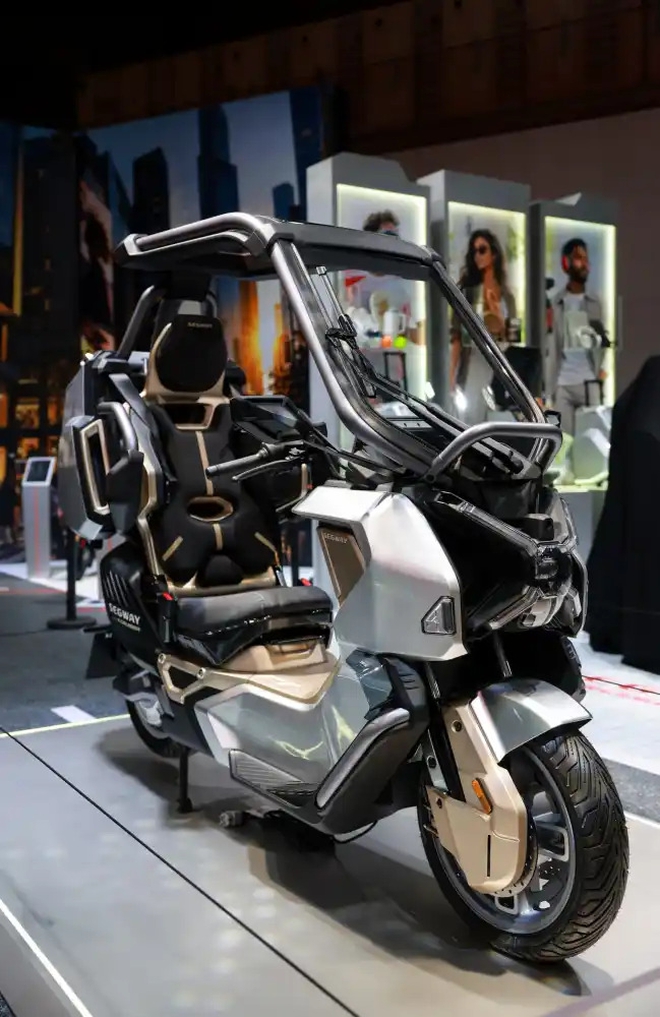
While official performance figures are currently based on preliminary testing and prototype data, the manufacturer has set an ambitious target for a range of nearly 200 kilometers on a single charge. This range would position the X Cruiser as a viable alternative for suburban commuters who travel distances beyond the capacity of current entry-level electric scooters. The vehicle sits on 15-inch front and 14-inch rear wheels, equipped with Michelin City Grip tires, which are industry-standard for high-performance urban mobility.
Analyzing the Implications of the X Cruiser
The introduction of the Segway X Cruiser invites a broader discussion regarding the evolution of urban transit. Industry experts suggest that the "motorcycle" label may soon become insufficient to describe such vehicles. By integrating features like seatbelts and protective roofs, Segway is creating a new vehicle class that operates in the regulatory gray area between motorcycles and small electric cars.
However, the transition from concept to mass production faces significant regulatory hurdles. Currently, the safety features of the X Cruiser have not yet secured the full range of certifications required to classify it alongside traditional automobiles. The efficacy of the safety cage and the five-point harness in a real-world, high-speed motorcycle accident remains a subject of ongoing simulation and testing.
Furthermore, there is a socio-technical challenge: the culture of riding. Motorcyclists often value the freedom and maneuverability of a two-wheeler, which necessitates leaning into corners. The X Cruiser’s structural design may alter the handling characteristics of the bike, requiring a shift in riding technique. Segway has addressed this by incorporating electronic stability aids that assist with cornering, but the psychological adjustment for riders accustomed to traditional motorcycles will be a critical factor in market adoption.
Timeline and Future Outlook
Following the EICMA 2026 debut, Segway has outlined a phased approach to bringing the X Cruiser to market. The company anticipates a production rollout starting in China, followed by a strategic expansion into select European markets between 2027 and 2028.
The success of this project will likely depend on three factors:
- Regulatory Approval: The ability of regional transport authorities to classify and register a vehicle that possesses both a two-wheel layout and automotive-grade safety features.
- Pricing Strategy: While official pricing has not been disclosed, the advanced tech stack and complex frame construction suggest that the X Cruiser will sit at a premium price point, targeting the mid-to-high-end urban market.
- Real-World Reliability: As the first major manufacturer to attempt this level of structural safety on a two-wheeler, the data gathered from the initial 2027 releases will be pivotal in determining whether this design language becomes the new industry standard or remains a niche experiment.
Conclusion
The Segway X Cruiser represents a bold experiment in human-centric design. By prioritizing the safety of the rider through structural reinforcement and advanced warning systems, Segway is challenging the status quo of urban transport. While the technology is still in the refinement phase, the X Cruiser stands as a testament to the potential of electric mobility to evolve beyond mere electrification, focusing instead on creating a safer, more robust environment for the daily commuter. As the 2027-2028 launch window approaches, the automotive and motorcycle industries alike will be watching closely to see if the X Cruiser can successfully redefine the boundaries of two-wheeled travel.