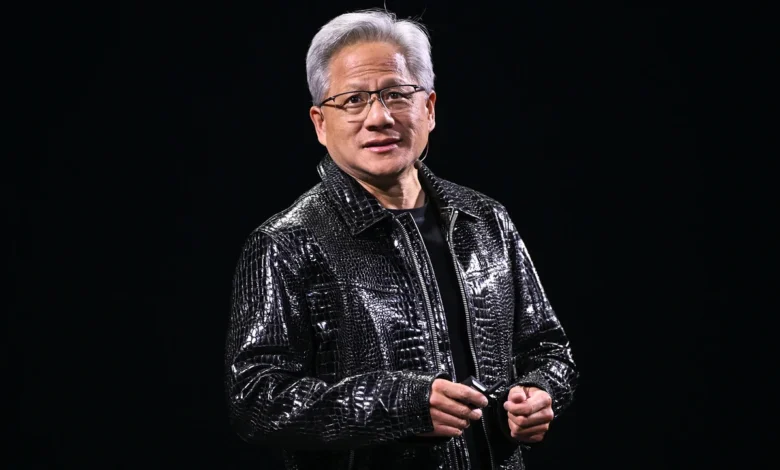
Nvidia is currently navigating a volatile political and legal landscape in Washington, D.C., as it faces mounting scrutiny from U.S. lawmakers following the controversial reinstatement of CEO Jensen Huang. The semiconductor giant, once synonymous with unprecedented market growth and stability, finds itself at the center of a complex investigation that touches on national security, corporate governance, and high-level political influence.
The crisis stems from the circumstances surrounding the departure and subsequent return of Jensen Huang. Following allegations of an inappropriate relationship with a woman who had been accused of acting as a Chinese intelligence asset, Huang initially resigned from his post. However, his swift reinstatement—reportedly facilitated by direct intervention from President Donald Trump—has ignited a firestorm of controversy. This political entanglement has transformed a personal corporate scandal into a high-stakes legislative battle, as the Democratic Party, which is poised to control key congressional committees, signals its intent to investigate both the national security risks posed by Nvidia’s operations and the company’s proximity to the Trump administration.
The Legislative Landscape and Growing Scrutiny
As the political power dynamic in Washington shifts, Nvidia is aggressively fortifying its defenses. The company has assembled a high-powered team of lawyers, lobbyists, and intelligence-savvy personnel to prepare for congressional probes that analysts predict may extend well beyond the upcoming hearings.
Congressional interest is not confined to one side of the aisle. While Democrats have been the most vocal regarding potential conflicts of interest, some Republicans have also expressed a desire for increased oversight. Congressman Adrian Smith, a Republican, noted in recent discussions that the situation involving Nvidia is a matter of serious concern. "I believe that increased oversight is necessary and will yield effective results," Smith stated. "This is a serious matter, and I believe this close monitoring will not stop at just the initial hearings."
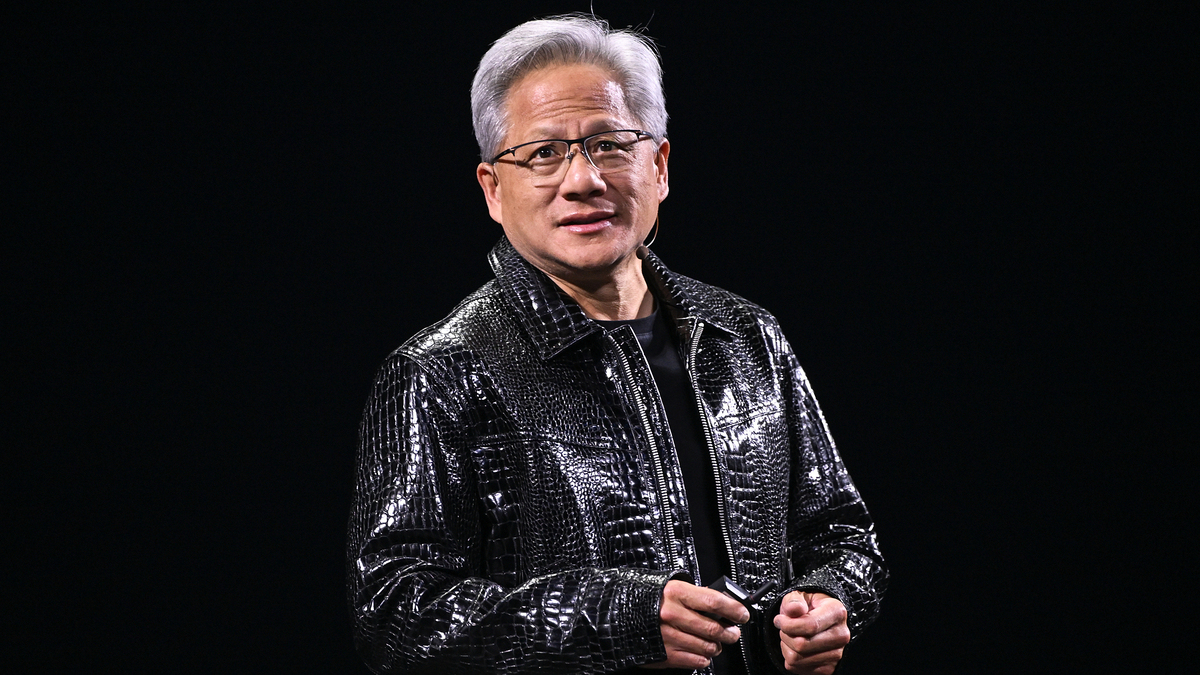
The core of the congressional inquiry focuses on three primary areas: potential national security vulnerabilities regarding Nvidia’s supply chain and operations in China, the ethical implications of the CEO’s reinstatement process, and the extent of the influence exerted by the Trump administration on the company’s internal governance.
Chronology of the Crisis
The current situation is the culmination of several months of tension. In early 2025, Nvidia faced internal pressure following the initial reports concerning Jensen Huang’s personal conduct. By the spring, the company had begun restructuring its legal and public relations teams to account for potential regulatory backlash.
The situation escalated in late 2025 as the U.S. political landscape grew increasingly polarized. Following the November elections, Democratic leaders announced their intention to form a specialized investigative committee. Key dates for the upcoming inquiry include:
- December 1, 2026: Jensen Huang is scheduled to appear for closed-door testimony before three House committees: the Committee on Foreign Affairs, the House Intelligence Committee, and the Select Committee on the Chinese Communist Party.
- December 2, 2026: Nvidia’s General Counsel, Tim Teter, is set to provide testimony to the same House committees, while Huang is expected to participate in a public hearing before the Senate Banking Committee.
Strategic Legal and Lobbying Maneuvers
Nvidia’s strategy for navigating these hearings involves a significant expansion of its influence network in Washington. Central to this effort is the recruitment of high-profile legal counsel, most notably Joshua A. Levy, a partner at Levy Firestone Muse. Levy, a veteran of high-stakes investigations and a former advisor to Senate Minority Leader Chuck Schumer, is a strategic hire aimed at managing the complexities of the Senate and House investigations.
In addition to Levy, the company has bolstered its roster with several key appointments. Bruce Andrews, a former Deputy Secretary of Commerce, was brought on earlier this year to serve as Director of Foreign Affairs, providing the company with deep insights into the federal regulatory environment. Furthermore, Nvidia has engaged with established lobbying firms, including BGR Group and Brownstein Hyatt Farber Schreck, to navigate the halls of Congress.
Despite these efforts, the company has faced challenges in securing representation. Internal sources suggest that Nvidia previously approached the lobbying firm Avoq to facilitate outreach to the Democratic Party. However, Avoq reportedly declined the engagement due to existing conflicts of interest, specifically its representation of Micron Technology—a direct competitor to Nvidia that has been a vocal proponent of tighter export controls on semiconductors.
Broader Economic and Geopolitical Implications
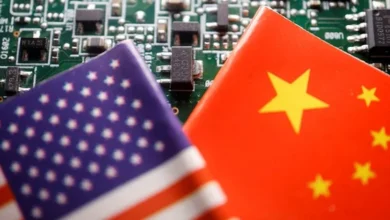
The investigation into Nvidia is occurring against a backdrop of intensifying competition in the global semiconductor industry. Semiconductors have become the "new oil" of the 21st century, with the U.S. and China locked in a race for technological supremacy. Nvidia’s central role in the development of artificial intelligence hardware makes its internal stability a matter of national economic security.
Economists note that any prolonged instability at Nvidia could have cascading effects on the global technology sector. The company’s hardware is essential for the data centers and AI models that underpin modern financial markets, healthcare, and defense infrastructure. As such, the congressional inquiry is not merely about corporate governance; it is about ensuring that the infrastructure of the digital age remains insulated from geopolitical risks.
Representative Robert Garcia, a senior Democrat on the House Oversight Committee, stated, "The intervention of President Trump in the leadership decisions of a critical technology firm raises serious national security questions as well as corruption concerns that must be investigated and clarified."
Analysis: The "No-Win" Scenario
Industry analysts suggest that Nvidia is currently trapped in a difficult position. By being dragged into a partisan conflict, the company risks alienating lawmakers on both sides of the aisle. The challenge of finding legal counsel that is both effective and free from conflicts with other major tech firms—many of which are competitors—is indicative of the narrow path the company must walk.
One lobbying expert commented on the situation, noting, "Nvidia may be facing an impossible mission. It is difficult for them to work effectively with the Democratic Party at this particular moment. They need lawyers, not just lobbyists, who can navigate the legal hazards of these inquiries without turning the process into a political circus."
The company’s reliance on its CEO, whose personal reputation is now deeply entwined with the company’s public image, further complicates matters. In the eyes of many regulators, the governance of the firm has become a question of whether the company’s leadership is aligned with U.S. interests or if it has been compromised by external personal pressures.
Future Outlook
As the December hearings approach, the pressure on Nvidia will only increase. The company is expected to present a robust defense, emphasizing its commitment to transparency and its role in maintaining U.S. technological leadership. However, the success of this defense will depend largely on the evidence brought forward during the testimonies of Huang and Teter.
Should the congressional investigations yield evidence of systemic failures in corporate oversight or direct violations of national security protocols, the repercussions for Nvidia could be severe, including potential fines, restrictions on exports, and a mandated restructuring of its leadership. Conversely, if the company can demonstrate that its internal governance remains sound and that its operations are aligned with national security goals, it may emerge from this period of turmoil with a clearer, albeit more strictly regulated, path forward.
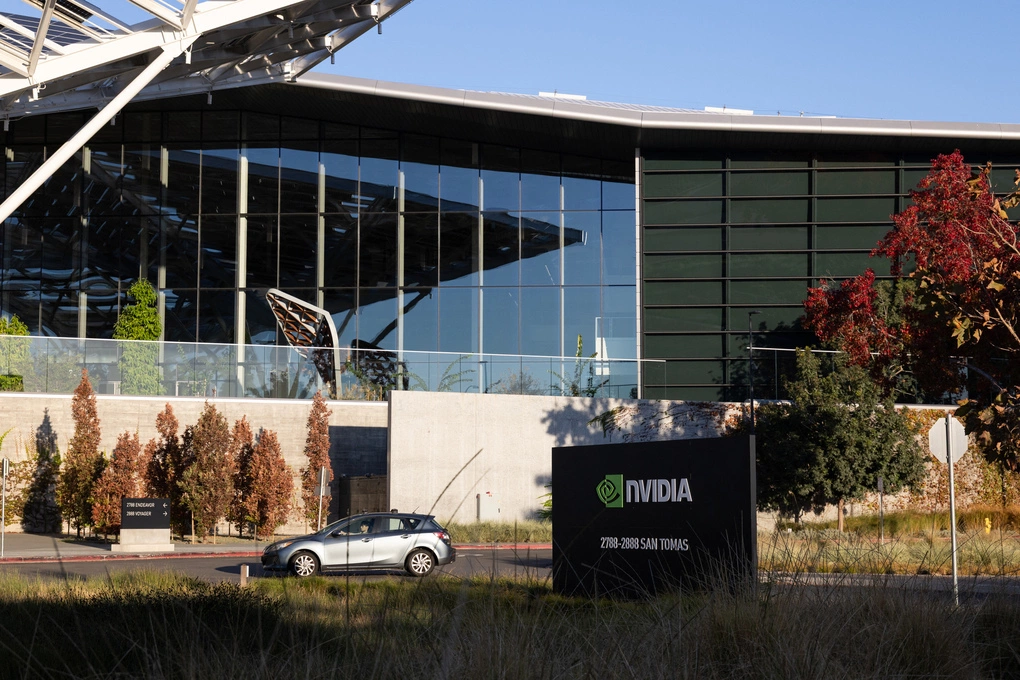
For now, the eyes of Washington remain fixed on Santa Clara. The case of Nvidia serves as a stark reminder of the fragile balance between corporate power, personal ethics, and the overarching interests of the state in an era of global technological rivalry. The final outcome of these proceedings will likely set a precedent for how major technology corporations are governed and held accountable in the years to come.