Playing 9 consecutive matches of pickleball leads a man to emergency hospitalization due to rhabdomyolysis

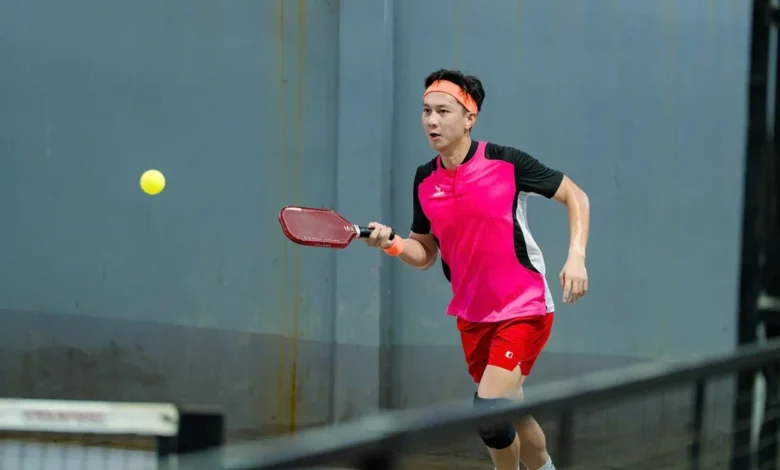
A 35-year-old resident of Ho Chi Minh City, identified as Pham Ngoc Vuong, was rushed to the emergency department after a marathon session of pickleball left him with severe muscle spasms, respiratory distress, and an inability to move his limbs. The incident, which occurred following a five-hour stretch of intense physical activity, serves as a stark reminder of the physiological risks associated with the rapidly growing sport of pickleball, particularly when participants ignore signs of physical exhaustion.
The Chronology of an Overexertion Crisis
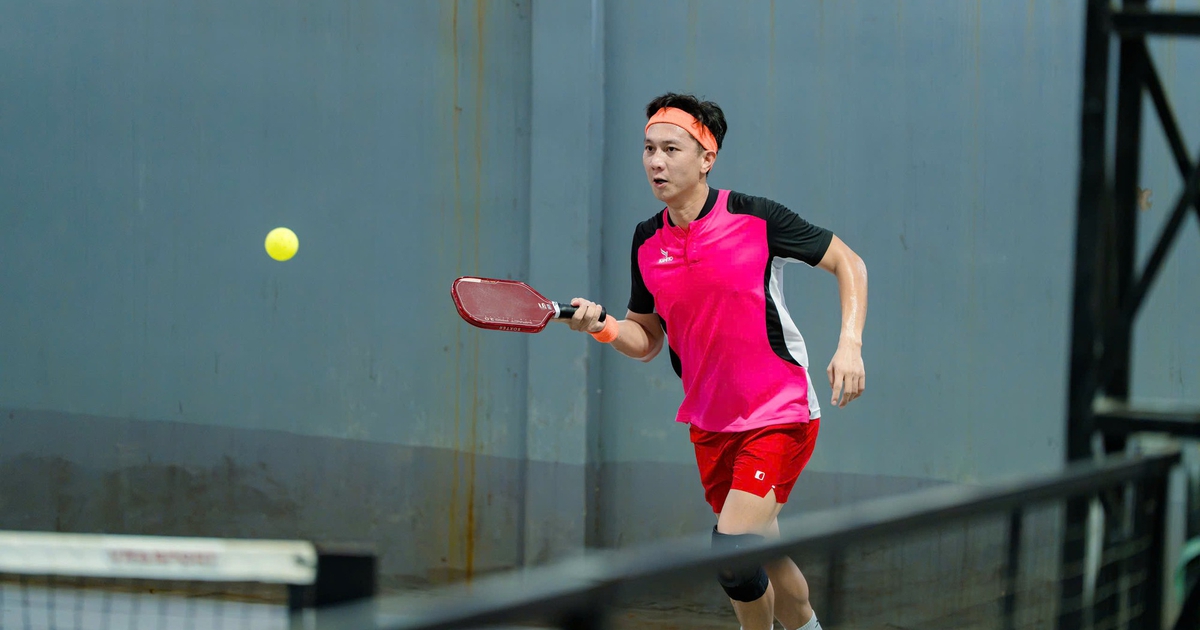
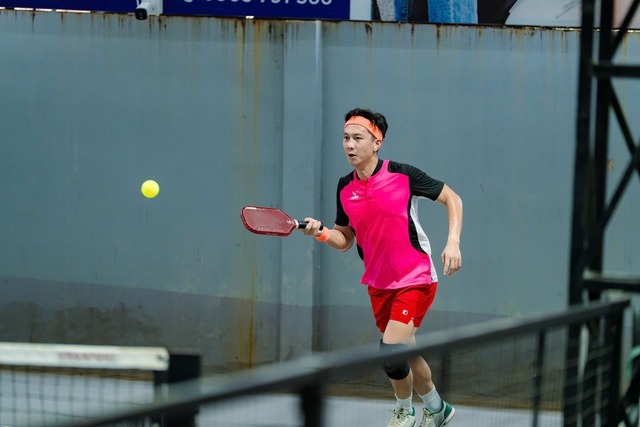
The medical emergency began on a weekend morning. According to reports, Mr. Vuong arrived at a pickleball facility at approximately 9:00 AM. Fueled by the competitive atmosphere and the addictive nature of the game, he engaged in nine consecutive matches, playing almost without interruption until 2:00 PM.
Following his final match, instead of resting, Mr. Vuong chose to remain at the court to observe the tournament finals. It was during this period of sedentary recovery that his condition deteriorated rapidly. Within thirty minutes of stopping his physical activity, he began experiencing acute symptoms, including tinnitus, dizziness, and involuntary, painful muscle contractions.
Witnesses noted that multiple muscle groups, including his calves, thighs, fingers, toes, and back, began to seize uncontrollably. This was accompanied by labored breathing and a feeling of constriction in his chest. Recognizing the severity of the situation, the patient was transported to the emergency department of An Sinh General Hospital in Ho Chi Minh City. Medical professionals performed urgent diagnostic tests, confirming a diagnosis of rhabdomyolysis induced by extreme physical overexertion.
Understanding Rhabdomyolysis: A Silent Threat
Rhabdomyolysis is a serious medical condition characterized by the rapid breakdown of damaged skeletal muscle tissue. When muscle fibers are injured—whether through extreme physical exertion, trauma, or chemical exposure—the contents of these cells, including myoglobin, creatine kinase (CK), potassium, phosphate, and uric acid, are released into the bloodstream.
In the case of Mr. Vuong, the massive release of these intracellular components placed an immediate and dangerous burden on his kidneys. The kidneys are responsible for filtering waste products from the blood; however, the influx of myoglobin can obstruct the renal tubules, leading to acute kidney injury (AKI). Furthermore, the leakage of potassium into the bloodstream can trigger life-threatening cardiac arrhythmias, potentially leading to cardiac arrest.
Dr. Le Vu Bao, a specialist in General Surgery at An Sinh General Hospital, explained that rhabdomyolysis is a medical emergency that requires immediate intervention to prevent permanent organ damage. "When a patient reaches the point of total muscle failure due to repetitive, high-intensity activity without adequate rest, the risk of systemic collapse becomes significantly elevated," Dr. Bao noted.
The Paradox of Popularity: Why Pickleball Poses Risks
Pickleball has surged in popularity globally, praised for its accessibility and social nature. However, its fast-paced, stop-and-go mechanics can be deceptive. Unlike endurance sports like long-distance running, which often force a natural pace, pickleball can tempt players—even those with a history of regular exercise—to push beyond their anaerobic thresholds.
Mr. Vuong, who described himself as a regular practitioner of physical fitness who avoids tobacco and alcohol, believed his baseline health would protect him. His case highlights a common misconception among amateur athletes: that one’s habitual fitness level is a static shield against acute overexertion. The combination of prolonged play, high temperatures, and inadequate rest intervals created a "perfect storm" for cellular breakdown.
Data and Clinical Implications
Data from recent sports medicine studies suggest that as pickleball continues to penetrate mainstream demographics, the incidence of non-contact sports injuries is rising. While most injuries are musculoskeletal—such as sprains, strains, and tendonitis—systemic metabolic issues like rhabdomyolysis are becoming an increasing concern for emergency departments.
The primary risk factors identified by clinical studies include:
- Insufficient Hydration: Electrolyte depletion, particularly of sodium and magnesium, exacerbates muscle cramping and cellular membrane instability.
- Lack of Recovery: Failing to incorporate rest periods between matches prevents the body from clearing metabolic waste products like lactic acid.
- Environmental Factors: Playing in high-humidity or high-heat environments increases the metabolic load on the body, accelerating the onset of heat-related muscle injury.
Preventive Measures and Professional Recommendations
To mitigate the risks associated with intense recreational sports, medical experts provide a standardized framework for safe participation. Dr. Bao emphasizes that "listening to the body" is not merely a suggestion, but a clinical imperative.
- Gradual Intensity Progression: Even experienced athletes should approach new, high-intensity formats with a "ramp-up" period. Sudden transitions from sedentary activity to high-impact competition are the most common triggers for acute injuries.
- Strategic Hydration and Nutrition: Hydration should be proactive rather than reactive. Consuming water and electrolyte-rich beverages before, during, and after exercise is essential. Furthermore, maintaining stable blood glucose levels through balanced nutrition prevents muscle fatigue.
- Recognizing "Red Flag" Symptoms: Participants must be trained to identify early warning signs. These include chest pain, shortness of breath, lightheadedness, or persistent, deep-seated muscle pain that does not resolve with cooling down. If a player experiences "tea-colored" urine—a hallmark sign of myoglobinuria—they should seek emergency care immediately.
- Tailored Activity Selection: Individuals with pre-existing conditions, particularly cardiovascular or renal issues, should consult with a physician before participating in high-intensity racquet sports. Heart rate monitoring can provide objective data to ensure the player remains within a safe exertion zone.
The Road to Recovery
Following his treatment, Mr. Vuong has been discharged and is currently recovering. His medical team has prescribed a strict regimen of rest and hydration, advising him to refrain from any significant physical exertion for at least one to two weeks.
The recovery timeline for rhabdomyolysis varies depending on the severity of the kidney involvement and the extent of the muscle damage. Patients are typically required to undergo serial blood tests to monitor CK levels and renal function until they return to baseline.
"The time required to return to sports can range from several weeks to several months," Dr. Bao stated. "The patient must be fully cleared by a medical professional, with clear evidence that renal function has stabilized and that all acute symptoms have resolved."
Broader Public Health Implications
The incident involving Mr. Vuong is emblematic of a broader public health challenge: as recreational sports become more competitive, the boundary between "leisure activity" and "strenuous athletics" is blurring. Public health officials suggest that community sports facilities should consider providing educational signage regarding hydration, the importance of rest, and the symptoms of overexertion.
Furthermore, the rise of "tournament-style" recreational play in local parks and private clubs necessitates a change in how amateur athletes view their health. The "no pain, no gain" mentality is increasingly viewed by medical professionals as a dangerous relic, particularly when applied to non-professional, aging, or improperly conditioned populations.
As Mr. Vuong reflected on his experience, he expressed gratitude for the prompt medical intervention. "If I had driven home instead of seeking help when the symptoms began, the outcome could have been tragic," he admitted. His story serves as a cautionary tale for the thousands of pickleball enthusiasts across the nation: the game is meant to be a source of longevity and health, but only when practiced with discipline, caution, and respect for the physiological limits of the human body.
In the wake of this event, the medical community remains clear: health is not a commodity to be spent in a single day of competitive fervor, but a resource to be managed through sustainable and intelligent physical activity.