Suzuki e-Access electric motorcycle remains on display in Indonesia as pricing concerns delay official market entry

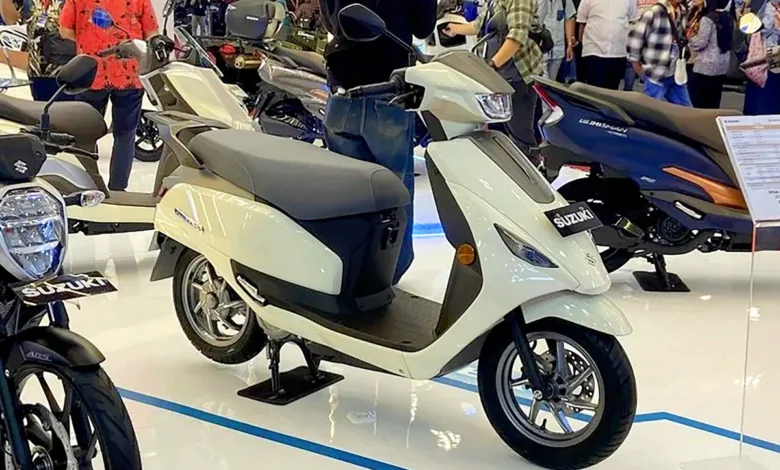
The Suzuki e-Access, an electric motorcycle that has captured significant interest across Southeast Asia, was a prominent feature at the 2026 Indonesia Motorcycle Show (IMOS) held in Tangerang. Despite the vehicle’s successful public debut and its earlier appearance in industrial design filings in Vietnam, Suzuki remains hesitant to initiate a formal commercial rollout. Industry observers and company insiders point to a critical obstacle: the anticipated price point, which currently threatens to place the model outside the competitive range of the mass-market electric vehicle (EV) segment.
A Technological Showcase at IMOS 2026
The IMOS 2026 exhibition provided a strategic platform for Suzuki to gauge consumer reception for its latest foray into electric mobility. Known alternatively in some regional markets as the e-Address, the e-Access is positioned as a direct electric successor to the long-standing internal combustion engine (ICE) model, the Suzuki Address.
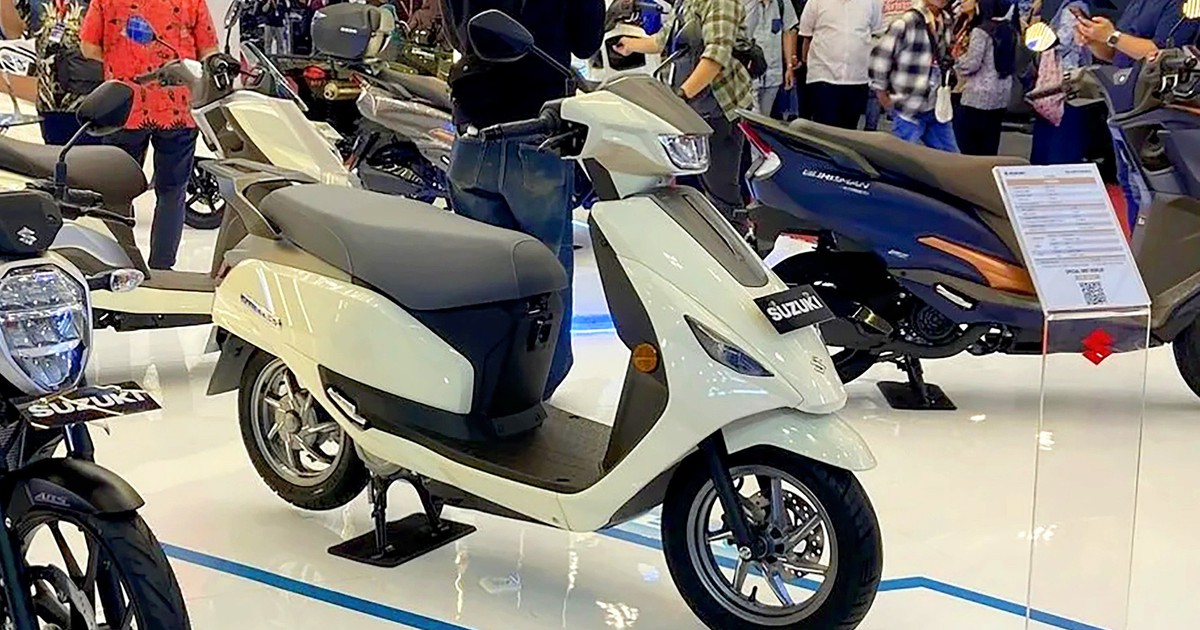
The design philosophy behind the e-Access emphasizes urban utility. It features a compact frame, 12-inch wheels, and a aesthetic that blends retro-inspired contours with modern, minimalist elements. The motorcycle is engineered specifically for short-distance commuting, with an ergonomic layout designed to navigate the dense traffic characteristic of major metropolitan areas in Indonesia and Vietnam.
Technical Specifications and Performance Metrics
Under the hood, or rather, within its chassis, the e-Access utilizes a high-output electric motor capable of delivering a maximum power of 4.1 kW, roughly equivalent to 5.5 horsepower. While these figures are modest, the motor produces a maximum torque of 15 Nm, which provides the necessary initial acceleration for stop-and-go city riding.
Energy is stored in a lithium-ion battery pack with a capacity of 3.07 kWh. According to official data disclosed at the exhibition, the e-Access is capable of traveling up to 80 kilometers on a single charge under the World Motorcycle Test Cycle (WMTC) Class 1 conditions. Charging the vehicle from 0% to 100% using a portable charger takes approximately 6.7 hours, provided the ambient temperature is maintained at 25 degrees Celsius.
In terms of dimensions, the motorcycle measures 1,880 mm in length, 715 mm in width, and 1,140 mm in height, with a curb weight of 122 kg. Safety and convenience features include a smart key system, a front disc brake, a rear drum brake, and a standard telescopic front fork, rounding out a functional, if conventional, hardware suite.
The Pricing Dilemma: A Barrier to Entry
The primary tension surrounding the e-Access is the disconnect between its production cost and the target price required for market penetration. Sources from the local automotive press in Indonesia, specifically detikOto, have suggested that if the model were to be launched immediately, the retail price could exceed 50 million Indonesian rupiah (approximately 71 million Vietnamese dong).
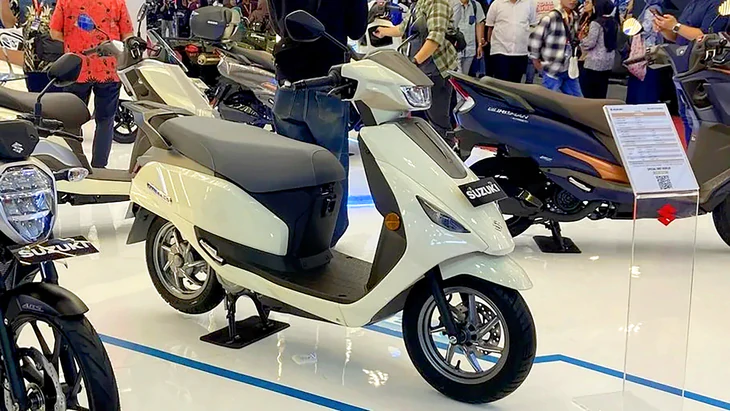
This valuation places the e-Access in a precarious position. By comparison, high-end internal combustion engine scooters, such as the Honda SH 125i, are priced in a similar bracket. In the current Indonesian and Vietnamese markets, electric motorcycles are generally expected to offer a lower total cost of ownership or a significantly more accessible entry price to compete against established gasoline-powered incumbents. For many potential buyers, the prospect of paying a premium for a vehicle with an 80-kilometer range—sufficient for daily urban tasks but limiting for longer trips—is a deterrent.
Strategic Caution from Suzuki Indomobil Sales
Teuku Agha, the official in charge of sales and marketing for PT Suzuki Indomobil Sales (SIS), has publicly acknowledged these challenges. In a statement regarding the company’s roadmap, Agha emphasized that Suzuki is currently in a phase of deep research and development, specifically analyzing the viability of mass-market commercialization for the e-Access within the Indonesian ecosystem.
"We need to continue monitoring the electric vehicle ecosystem, the evolution of government policies, and the broader market response before finalizing a release date," Agha noted. The company is actively exploring strategies to reduce production costs or implement support structures that could make the product more accessible. Despite the advanced stage of preparation, Suzuki has not committed to a concrete launch schedule, opting for a wait-and-see approach as the EV infrastructure continues to mature.
Regional Implications: The Vietnam Connection
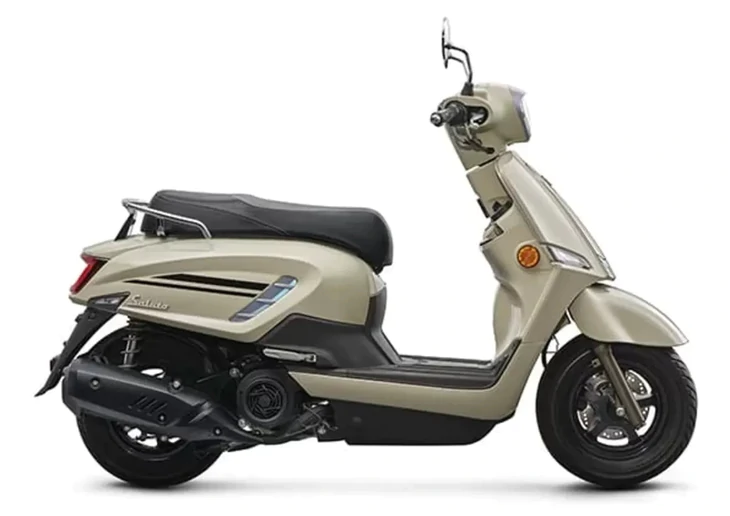
The interest in the e-Access extends well beyond Indonesian borders. The model appeared in industrial design filings in Vietnam as early as May 2026, which initially sparked speculation about a imminent regional launch. Given the popularity of the Suzuki Address in Vietnam, there is a clear strategic incentive for the company to introduce an electrified version of its trusted nameplate.
However, the current pricing sentiment in the Indonesian market serves as a cautionary tale for the Vietnamese rollout. If the e-Access is perceived as a "premium" electric offering in a market where electric motorcycles are still predominantly viewed as budget-friendly, entry-level alternatives to ICE scooters, the adoption rate could be stifled. Analysts suggest that for the e-Access to succeed, Suzuki may need to leverage government incentives or localized production subsidies to drive the price down, moving it closer to the segment occupied by more affordable competitors.
Market Analysis: The Competitive Landscape
The electric motorcycle sector in Southeast Asia is currently characterized by a dichotomy: high-volume, low-cost domestic brands and premium entrants from established global manufacturers. Suzuki, a brand that has historically occupied a middle-ground in terms of reliability and cost, finds itself at a crossroads.
The technical specifications of the e-Access—while adequate for daily commuting—do not necessarily provide a "wow factor" that would justify a premium price point compared to existing electric options. The industry is currently witnessing a trend toward swappable battery technologies and enhanced connectivity, features that the e-Access does not currently highlight as its primary selling points.
The potential for the e-Access remains high, provided the pricing can be reconciled with consumer expectations. If Suzuki can bridge this gap through economies of scale or a revised local supply chain, the model could serve as a vital bridge for loyal customers looking to transition from combustion engines to electric propulsion without sacrificing the build quality associated with the Suzuki brand.

Conclusion and Outlook
The 2026 IMOS exhibition served as both a debut and a reality check for the Suzuki e-Access. While the vehicle represents a competent, well-engineered solution for urban mobility, it is currently tethered by the economic realities of battery production and component sourcing.
Suzuki’s commitment to "monitoring the ecosystem" suggests that the manufacturer is prioritizing long-term brand equity over short-term market share. By choosing not to rush the e-Access to market at an uncompetitive price, Suzuki is protecting its reputation for value, even as it navigates the difficult transition to an electrified future. For now, the e-Access remains a promise of what is to come, pending a fundamental shift in the economics of electric motorcycle manufacturing in the region. Consumers and industry watchers alike will be looking to future automotive shows for signs of a cost-optimized production model that can finally turn this promising design into a street-legal reality.