From Stage Lights to Academic Leadership: The Artistic Journey and Educational Vision of NSƯT Bùi Như Lai

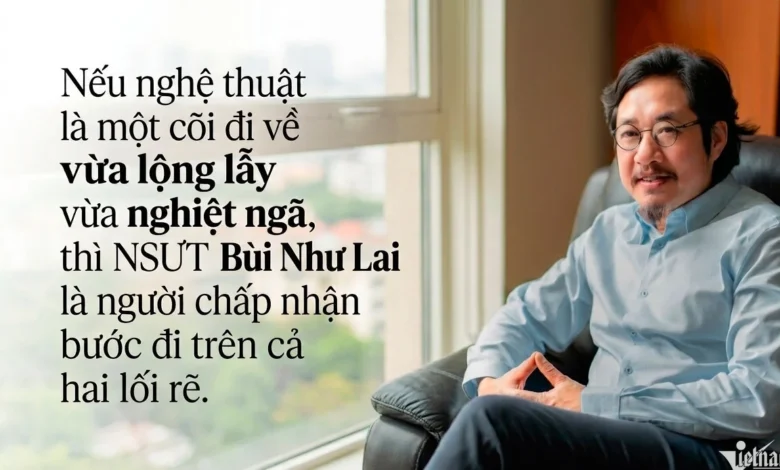
The transition from a celebrated career in the performing arts to the rigorous demands of institutional administration is rarely straightforward, yet for Meritorious Artist (NSƯT) Bùi Như Lai, Rector of the Hanoi University of Theatre and Cinema, it represents a deliberate evolution. Known for his uncompromising artistic vision, daring stage direction, and relentless dedication across various theatrical forms, Bùi Như Lai has spent decades shaping the landscape of Vietnamese contemporary performance. Today, his focus has shifted from commanding the spotlight to igniting the passion of a new generation of artists, balancing the fiery spontaneity of creative expression with the disciplined structure of academic leadership.
The trajectory of his career offers a compelling case study in artistic devotion. Long before stepping into the role of an educational administrator, Bùi Như Lai established himself as a prominent figure in Vietnam’s theater community. His early work was characterized by an unyielding commitment to theatrical experimentation, pushing boundaries across diverse genres including traditional drama, spoken theater, dance theater, and musical productions. His creative intensity earned him the respect of peers and audiences alike, positioning him at the forefront of modern theatrical direction in the country. However, the turning point in his professional life emerged not from a desire for administrative prestige, but from an innate calling to mentor young talent and ensure the continuity of artistic excellence.
From Artistic Excellence to Pedagogical Dedication
The journey toward education began years before his official appointment as rector. In 2012, Bùi Như Lai began dedicating time to teaching and scouting fresh talent for the Youth Theater of Vietnam. What started as sporadic mentoring gradually evolved into a profound pedagogical commitment. Over the next several years, he balanced his active directing career with teaching engagements, noticing a gradual shift in his own internal motivations. The satisfaction derived from watching young actors discover their craft began to rival the validation of critical applause.
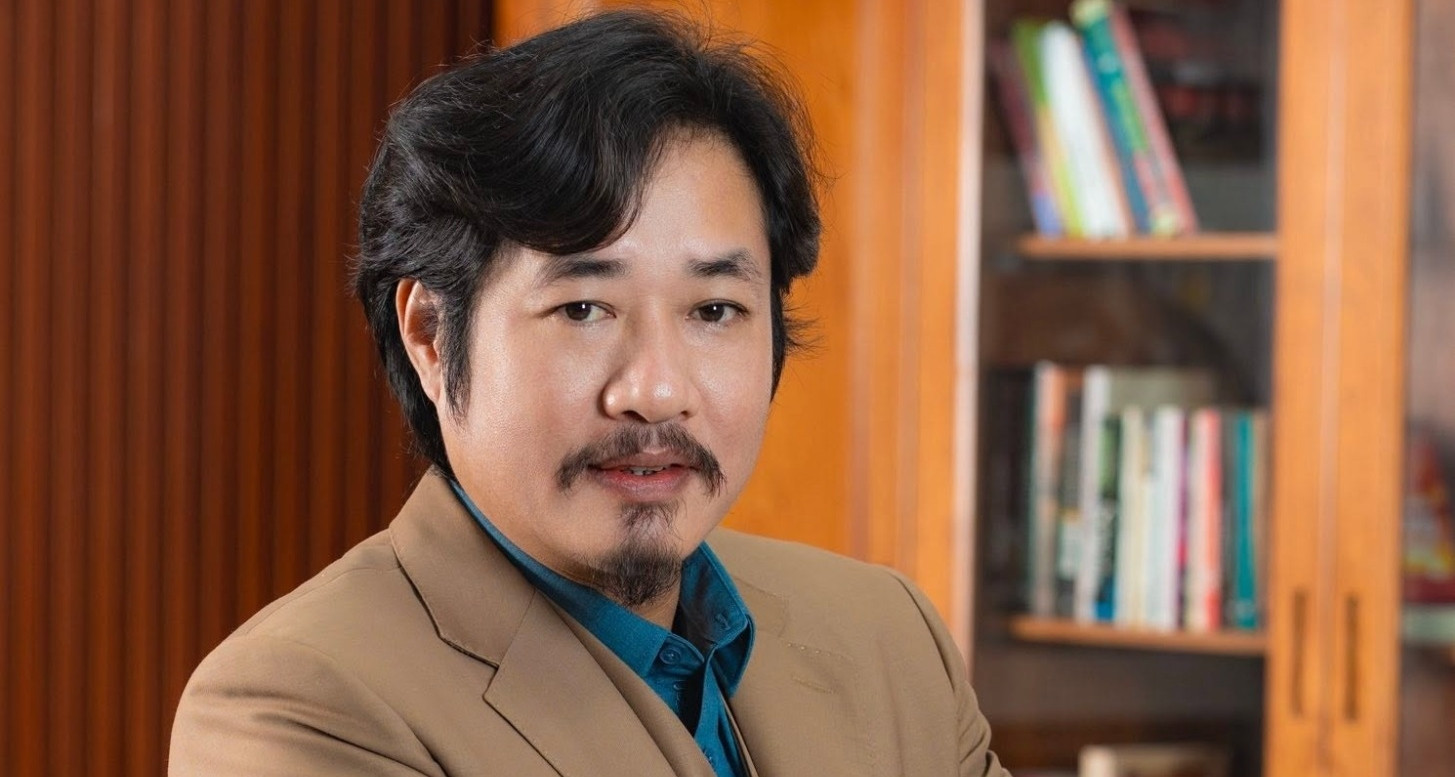
In September 2019, Bùi Như Lai made a decisive career move by stepping away from full-time professional performance environments to transition into academia. This decision was driven by a deep-seated conviction that nurturing future artists required as much dedication, if not more, than creating individual stage productions. Rather than seeking a safe harbor, he viewed academia as the next great challenge that demanded his complete surrender. To bridge the gap between practical stagecraft and academic theory, he pursued advanced academic qualifications, ultimately completing his Master’s and Doctoral degrees in Theater Theory and Criticism. This rigorous academic foundation allowed him to harmonize practical field experience with deep scientific and artistic principles, laying the groundwork for his future administrative philosophy.
Navigating the Challenges of Institutional Leadership
Stepping into the leadership of the Hanoi University of Theatre and Cinema presented a unique set of challenges. Initially, the transition required immense personal adjustment. Bùi Như Lai often reflected on the contrast between the absolute freedom of the rehearsal room and the structured, often bureaucratic reality of running a premier arts institution. The early months were marked by intense self-reflection, as he frequently questioned whether leaving the active theater scene was the right path. Yet, his artistic discipline and commitment to institutional growth quickly prevailed.
As rector, Bùi Như Lai adopted a dual approach to leadership: strict adherence to professional standards in daily life combined with absolute freedom in creative thought. He frequently reminds students that while the arts demand freedom of expression, a true professional must exercise strict self-control, discipline, and ethical grounding. His leadership style is characterized by a firm refusal to mold students into mere copies of himself. Instead, he emphasizes the importance of helping young creators discover their unique identities, understand the true purpose of artistic works, and recognize their profound impact on society.
Upgrading Infrastructure and Modernizing Curriculum
Recognizing the structural bottlenecks within Vietnamese arts education, Bùi Như Lai initiated comprehensive reforms aimed at elevating the quality of training at the university. Under his leadership, the institution prioritized the modernization of educational facilities to ensure students practice under optimal conditions. Dance studios were upgraded with specialized flooring and professional pianos; stages were equipped with advanced sound, lighting, and costume systems; and cinematography departments received cutting-edge digital film-making technology.
Furthermore, Bùi Như Lai pushed for an increase in the scientific rigor of teaching staff, encouraging faculty members to pursue doctoral degrees and participate in international workshops. The university actively expanded its global partnerships with renowned institutions, including major art academies in Germany, South Korea, Austria, and regional theater associations. By facilitating international exchanges, the leadership aims to expose Vietnamese students to both practical methodologies and contemporary global perspectives.
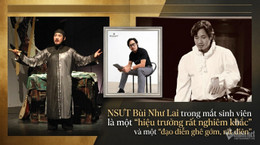
A key administrative innovation under his tenure has been the restructuring of student festivals and collaborative projects. Breaking away from traditional, isolated departmental training, the university now mandates interdisciplinary collaboration. Screenwriters, directors, cinematographers, actors, and designers are required to work together from day one, simulating real-world industry conditions and fostering a contemporary creative ecosystem from the moment students step onto campus.
Redefining Success in the Era of Digital Stardom
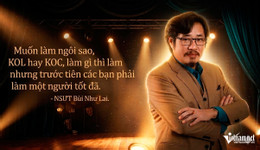
In an era dominated by social media and rapid digital exposure, students entering the performing arts face unprecedented temptations. The boundary between a rigorous artistic career and fleeting internet fame has become increasingly porous. Addressing this phenomenon, Bùi Như Lai maintains a resolute stance on the fundamental values of the profession. He frequently advises students that while pursuing paths as digital content creators, influencers, or commercial personalities is a personal choice, foundational artistic integrity must always come first.
To bridge the gap between academic training and commercial realities, the university regularly organizes workshops featuring successful alumni who have achieved mainstream prominence, such as renowned actors and television stars. These sessions help students understand the true value of stage presence, recognize the transient nature of superficial popularity, and respect the enduring legacy of professional artistry.
Broader Implications for Vietnamese Arts Education
The leadership approach of NSƯT Bùi Như Lai at the Hanoi University of Theatre and Cinema reflects a broader trend of modernization and institutional accountability within Vietnam’s cultural sector. By combining decades of field experience with rigorous academic governance, he has sought to address the systemic challenges facing arts education in a rapidly developing economy.
The emphasis on interdisciplinary collaboration, international integration, and infrastructural upgrading points toward a maturing educational framework designed to produce globally competitive artists. As Vietnamese cinema and theater increasingly seek international recognition, institutions led by practitioners with both creative vision and administrative acumen will play a crucial role in establishing sustainable standards of excellence.
Ultimately, Bùi Như Lai’s journey from the stage to the rector’s office serves as a testament to the enduring power of mentorship. While the bright lights of theatrical acclaim may have receded behind the scenes, the legacy of the torch he passed to his students continues to illuminate the future of Vietnamese arts, ensuring that the next generation of creators steps onto the world stage with both technical mastery and deep-rooted ethical responsibility.