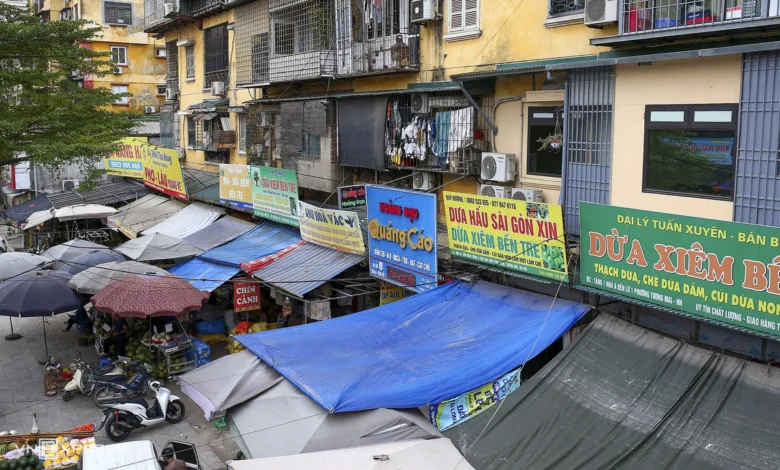
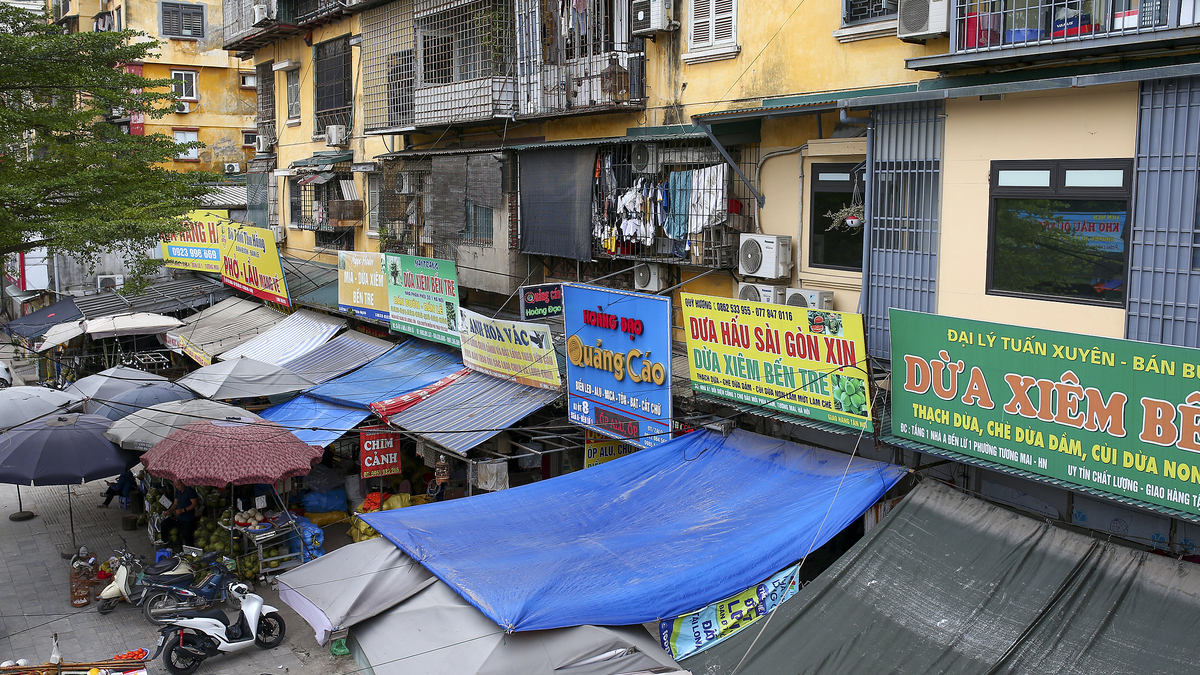
The landscape of Hanoi’s aging residential collective housing blocks, many of which date back to the late 1980s, has undergone a precarious transformation. What were once intended to be purely residential spaces are now frequently repurposed as bustling commercial hubs, with food stalls, restaurants, and construction material shops occupying the ground floors. This trend has created a dangerous environment for the hundreds of families residing above, as these businesses often operate in cramped conditions, frequently ignoring fire safety protocols and structural integrity concerns. The issue has reached a critical boiling point following a devastating gas explosion on November 24, 2026, on Nguyen Van Tuyet Street in the Dong Da district.
The Tragedy on Nguyen Van Tuyet Street
On the morning of November 24, 2026, at approximately 8:00 AM, a massive gas explosion occurred at a hotpot restaurant located on the ground floor of the E4 collective building on Nguyen Van Tuyet Street. The establishment, which occupied roughly 60 square meters, was in the final stages of renovation and was scheduled to hold its grand opening on November 26. The force of the blast was immense, resulting in the structural collapse of parts of the building and causing significant casualties, with seven fatalities and multiple injuries reported.
The response was immediate and sweeping. By the evening of the same day, local authorities ordered the emergency evacuation of 118 households—totaling approximately 500 residents—from the E4 block. These residents were relocated to temporary housing in the Long Bien and Gia Lam districts while structural engineers and safety inspectors conduct a comprehensive assessment of the building’s stability and fire safety compliance.
The Anatomy of a Growing Hazard
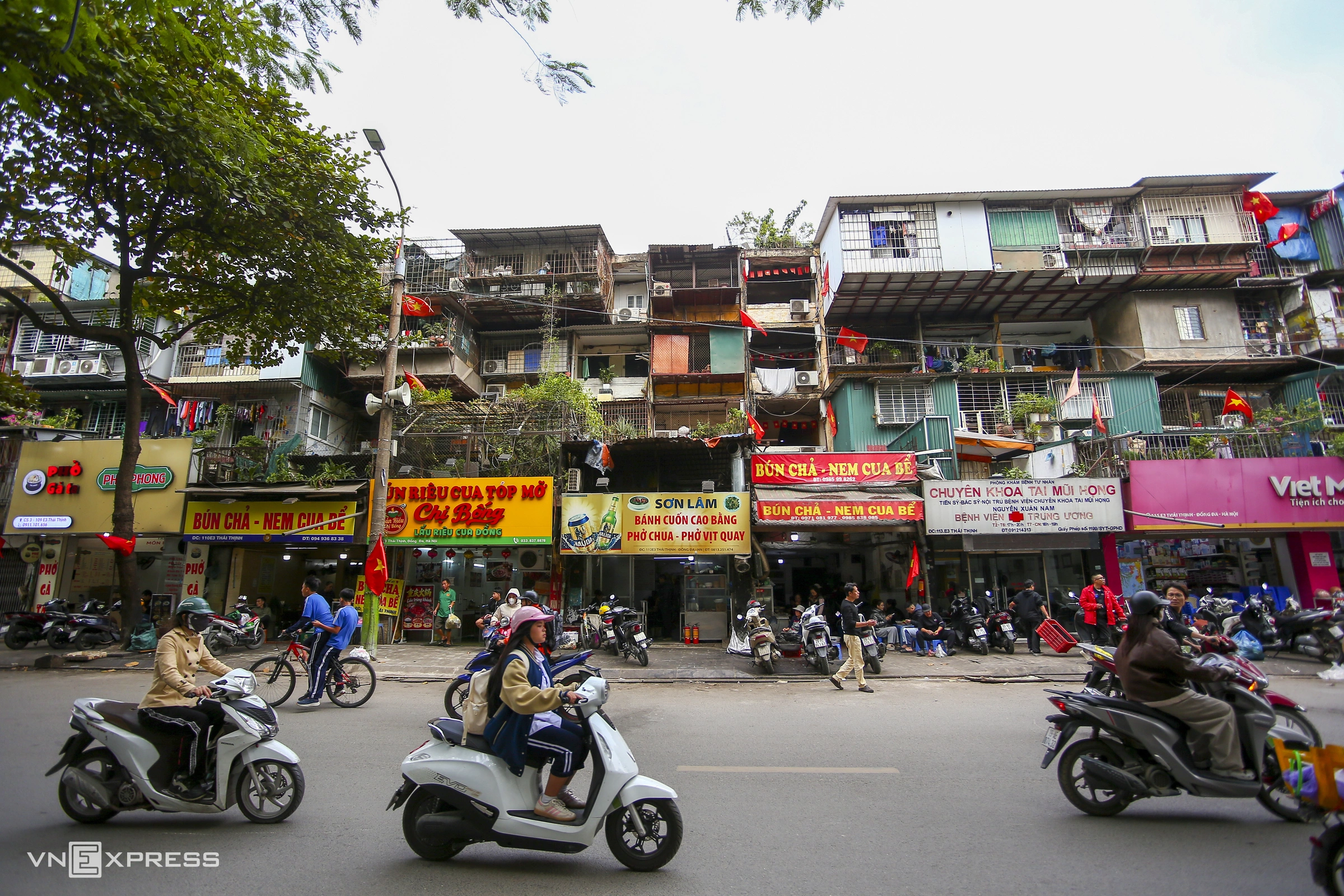
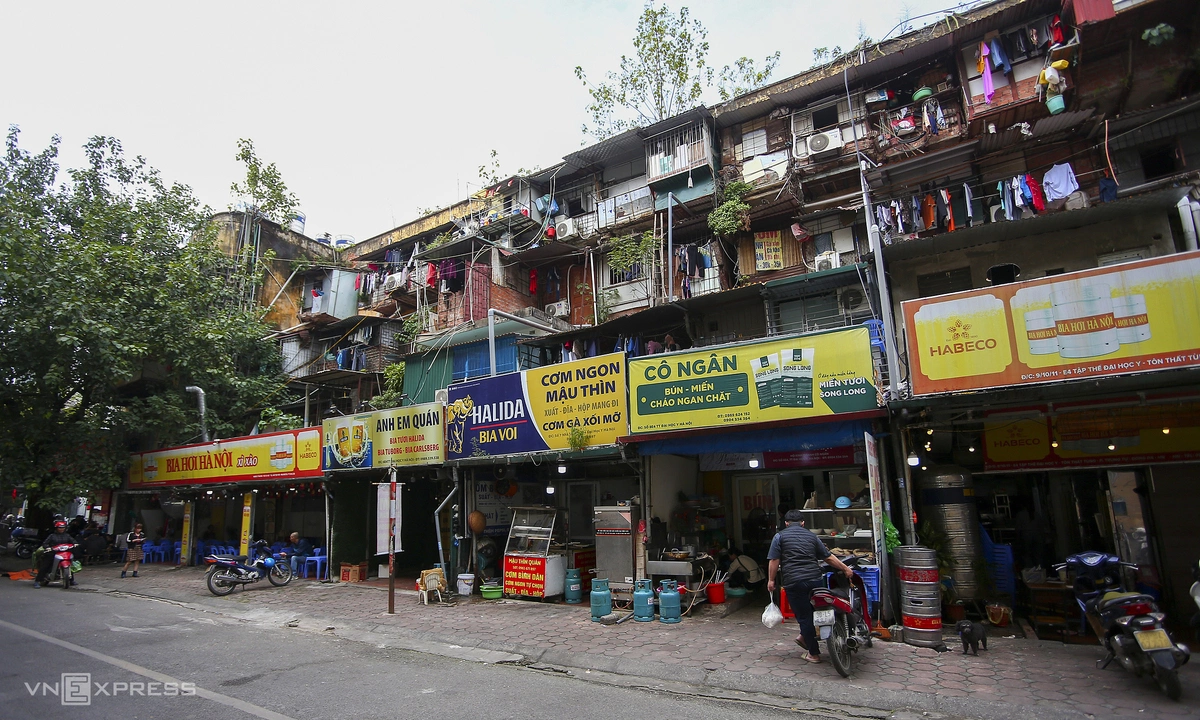
The tragedy at the E4 block serves as a grim case study for the widespread risks prevalent in many of Hanoi’s older residential quarters. In areas such as Thanh Cong, Nghia Tan, and Trung Tu, the ground floors of these three-to-five-story buildings have been systematically overtaken by commercial enterprises. These structures, built in 1987 with modest apartment footprints averaging 18 to 20 square meters, were never designed to accommodate high-traffic commercial activity or the heavy utility loads required by modern kitchens.
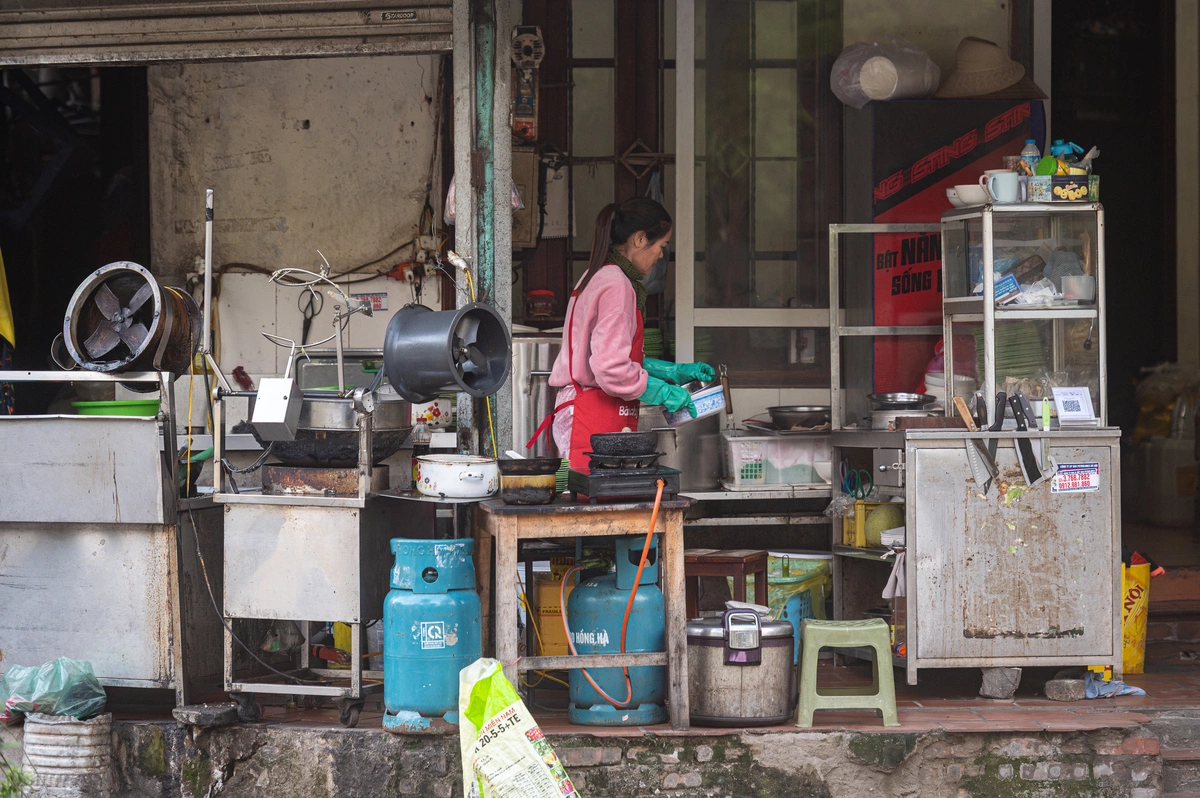
Investigations into these areas reveal a pattern of systemic non-compliance. In the Nghia Tan collective area, specifically along To Hieu Street, four buildings (C4, C5, C6, and C9) house 21 separate food and beverage outlets. Despite these streets being designated for "food safety-controlled" development, the reality is far more chaotic. Many of these shops operate within confined spaces where cooking gas canisters—often of large capacity—are stored just inches away from heat sources.
Structural Modifications and Safety Impediments
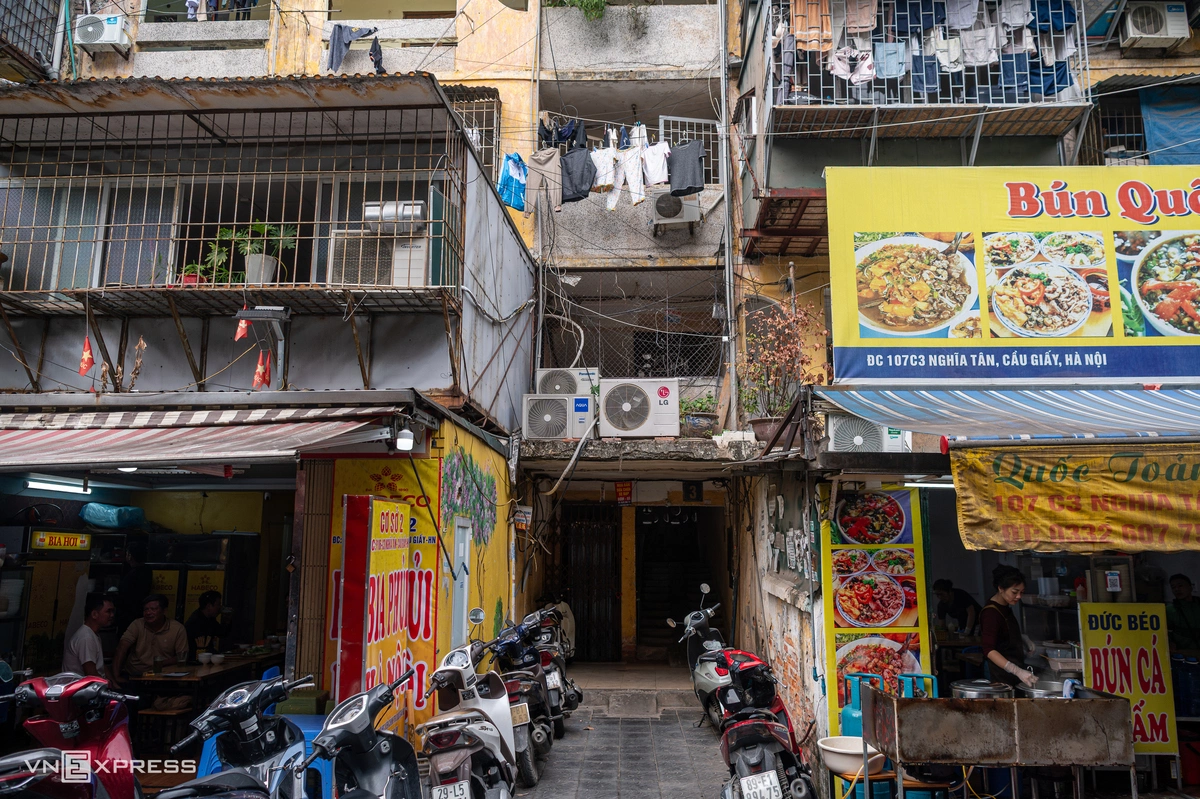
A critical issue identified by fire safety experts and residents alike is the "caging" of residential balconies. To provide security and additional storage, residents have installed metal frames, known as "tiger cages," over their windows and balconies. While intended to prevent theft, these modifications have become death traps in the event of a fire. By sealing off potential escape routes, these structures prevent residents from fleeing upwards or outwards and hinder firefighters from reaching the building’s interior.
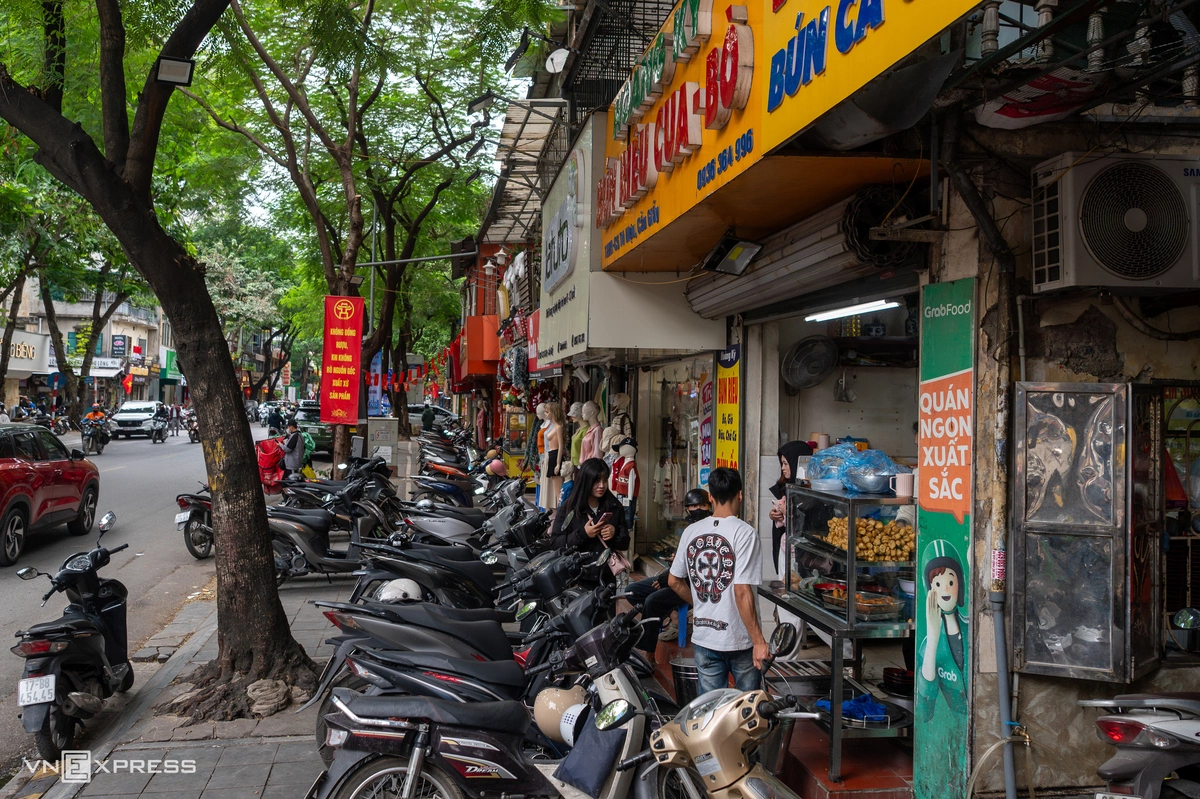
The ground-floor commercial expansion further complicates evacuation. During peak lunch and dinner hours, the sidewalks are often completely blocked by motorbikes, tables, chairs, and cooking equipment, leaving no clear path for emergency services or for residents to exit their homes. The constant presence of gas delivery trucks and the lingering smell of exhaust and cooking fumes are daily reminders of the precarious balance between economic necessity and public safety.
Beyond Restaurants: Chemical and Material Risks
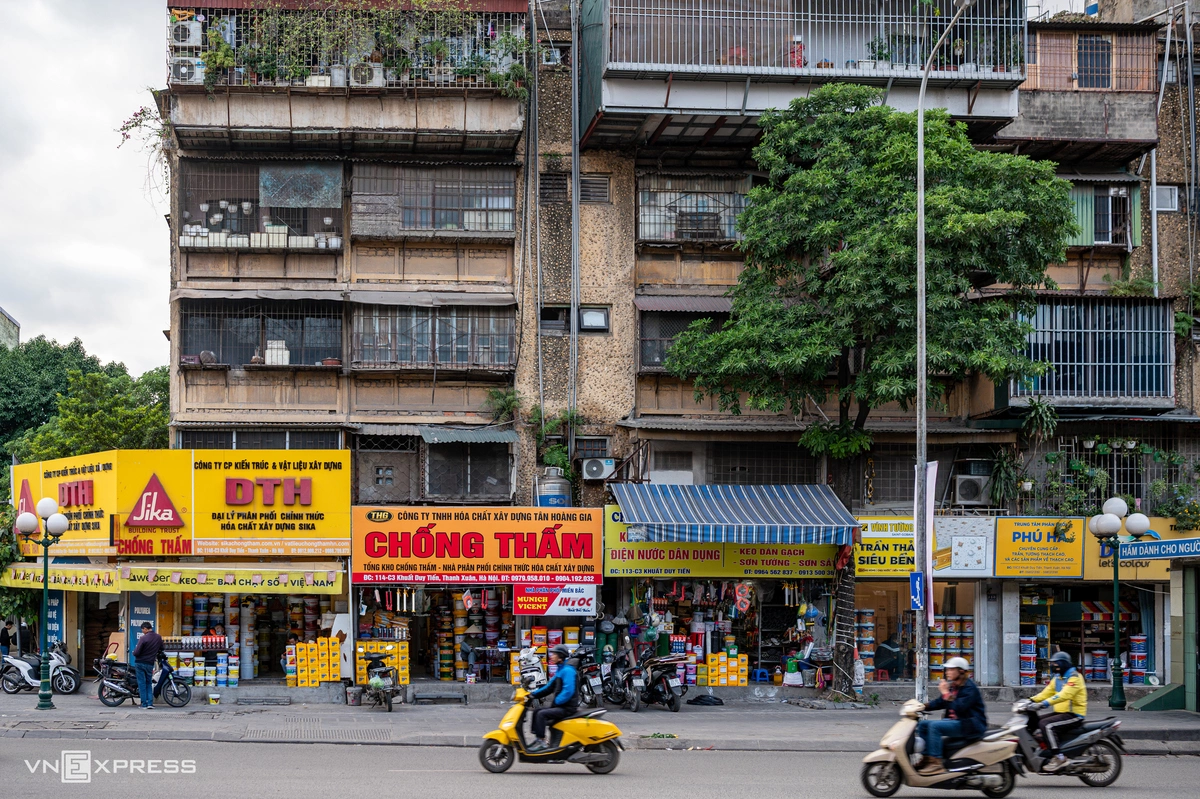
The danger is not limited to the food and beverage sector. In the Thanh Xuan Bac collective area, located on Khuat Duy Tien Street, several ground-floor units operate as suppliers for construction materials. These shops store large quantities of paint, solvents, epoxy resins, and waterproofing chemicals—many of which are highly flammable or contain volatile organic compounds. Placing such high-risk materials directly beneath residential units creates a volatile environment where a single spark could lead to a catastrophic blaze, far outpacing the fire suppression capabilities of the aging buildings.
Resident Testimonies and The Climate of Fear
For long-time residents, the anxiety is palpable. Mrs. Lan, who resides on the second floor of a building in the Dong Da district, described the daily dread of living above a commercial kitchen. "Directly below my living room is a restaurant that uses gas stoves. The tanks are stored in the corner of the kitchen, right near the open flames. All it takes is one small moment of negligence, and the entire building could be engulfed," she stated.
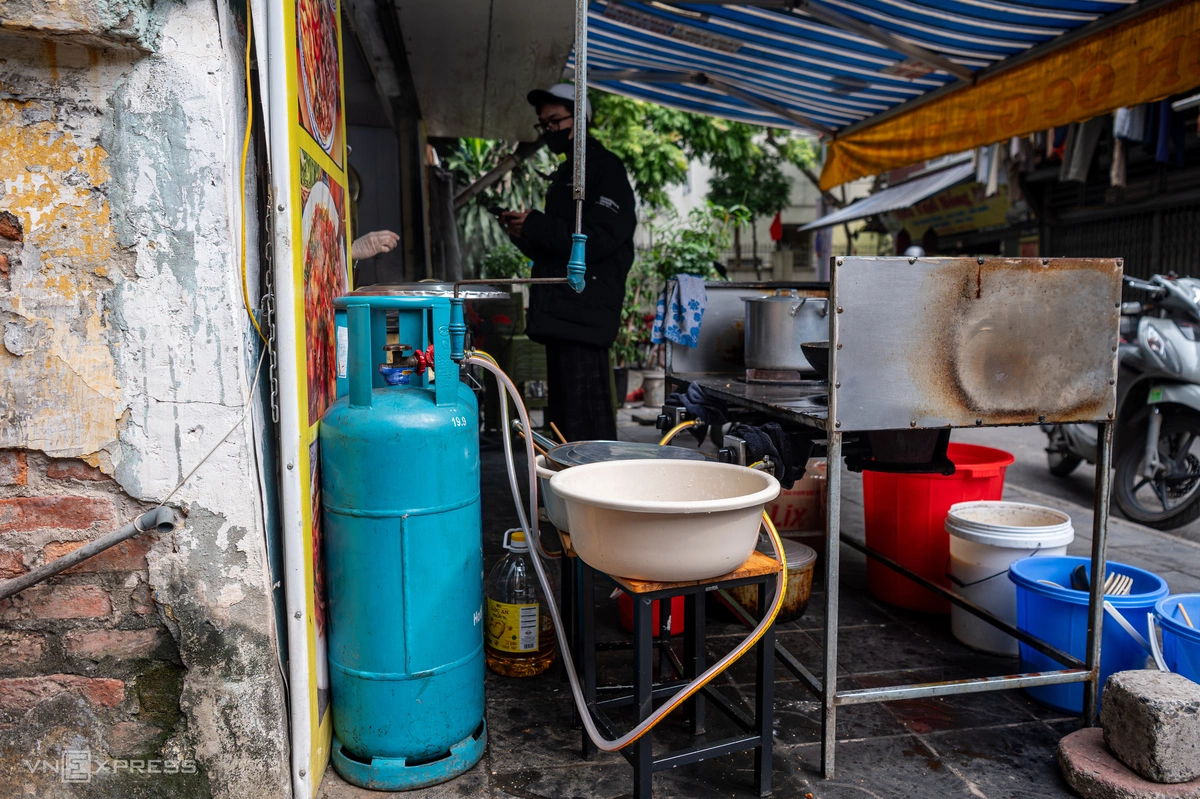
Other residents echo this sentiment, noting that even if shop owners attempt to switch to electric stoves for certain tasks, the high-heat requirements for stir-frying and deep-frying necessitate the continued use of gas. Deliveries of these gas canisters are frequent, often occurring every few days, which keeps a constant supply of pressurized, flammable material circulating through narrow, crowded walkways.
Official Responses and Future Implications
Following the November 24 explosion, municipal authorities in Hanoi have launched a city-wide review of commercial operations in residential collective buildings. The immediate focus is on identifying "high-risk" zones where commercial activity is deemed incompatible with residential safety.
City officials have emphasized that there will be a zero-tolerance policy for businesses that obstruct emergency exits or store hazardous materials in residential zones. However, the challenge is immense. Many of these businesses are essential to the local economy and provide a livelihood for thousands of families who have relied on the commercial use of these spaces for decades.
Experts suggest that the solution must involve a multi-pronged approach:
- Strict Zoning Enforcement: Restricting the types of businesses allowed to operate in high-density residential zones, specifically banning high-risk activities like large-scale cooking or chemical storage.
- Structural Audits: Mandating independent structural and fire-safety audits for all collective buildings built prior to the 1990s.
- Incentivized Relocation: Providing financial support or business relocation packages for small businesses to move into commercial-zoned districts, thereby de-densifying the residential blocks.
- Retrofitting Safety Measures: For buildings that must remain as they are, installing advanced smoke detection, automatic fire suppression systems, and ensuring that "tiger cages" are fitted with emergency release mechanisms.
A Turning Point for Urban Planning
The disaster on Nguyen Van Tuyet Street has forced a national conversation about the legacy of Hanoi’s urban development. As the city continues to modernize, the continued existence of these 1980s-era residential blocks—designed for a different era and a different population density—poses a significant challenge to safety.
The tragedy has left seven families in mourning and hundreds of others displaced, highlighting the high cost of inaction. As authorities move forward with their investigations and safety reviews, the consensus among urban planners is clear: the current model of mixing high-risk commercial activity with aging residential infrastructure is no longer tenable. The future of these collective zones will likely require a painful but necessary transition, prioritizing the safety and lives of residents over the convenience of hyper-local commercial expansion.
The coming months will be critical, as the city decides whether to enforce a total clearing of these businesses or to implement a rigorous, strictly enforced safety framework that can coexist with the city’s unique, if dangerous, residential culture. For now, the residents of Hanoi’s collective blocks continue to live with the daily reality that their homes—and the businesses that occupy them—remain a fragile, potentially explosive, paradox.