Khai màn đua xe F1, Australian GP: Russell thắng kịch tính, Hamilton ôm hận vì sai lầm

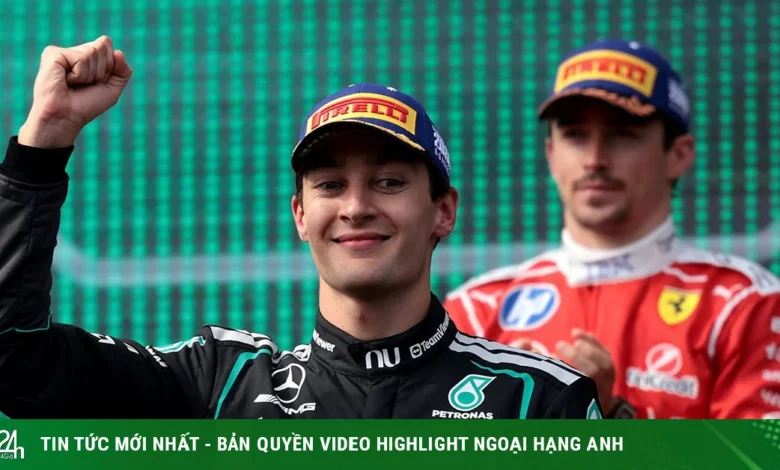
Melbourne, Australia – George Russell delivered a commanding performance at the 2026 Australian Grand Prix, navigating through a tumultuous early race phase to secure a resounding victory, marking a triumphant start to the season for Mercedes. His impressive drive culminated in a dominant 1-2 finish for the Silver Arrows, with teammate Kimi Antonelli securing a remarkable second place, underscoring Mercedes’ early championship aspirations. Ferrari, meanwhile, endured a frustrating afternoon at the Albert Park Circuit, as a critical strategic miscalculation derailed their challenge and denied their star driver, Lewis Hamilton, a debut podium finish for the Scuderia.
The opening round of the 2026 Formula 1 season promised high drama, and the Australian Grand Prix certainly delivered, with an exhilarating mix of tactical brilliance, on-track battles, and unforeseen incidents. The Albert Park Circuit, renowned for its challenging street-circuit characteristics and high-speed sections, was bathed in bright sunshine as 20 cars lined up for the start of what many anticipated to be a fiercely contested championship year. Pre-race predictions had pointed to Mercedes and Ferrari as strong contenders, with Red Bull also in the mix, setting the stage for a captivating season opener. Mercedes’ strong showing in qualifying, which saw Russell and Antonelli lock out the front row, had already signaled their formidable pace.
Early Race Mayhem and Mercedes’ Calculated Gamble
The race began with immediate drama as McLaren’s local hero, Oscar Piastri, suffered a devastating crash during the warm-up lap. The incident, occurring at Turn 4, left his car severely damaged and forced him to retire before the lights even went out, a crushing blow for the Australian fans and his team. This unfortunate start foreshadowed a race filled with incident and strategic complexities.
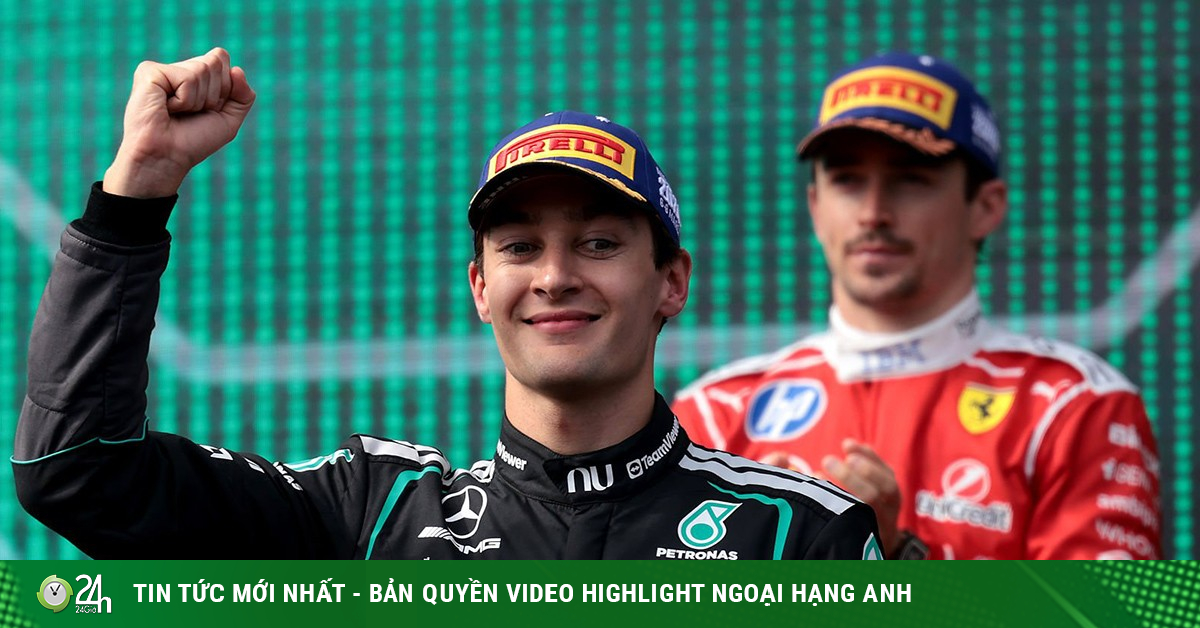
From the moment the lights went out, the front of the pack erupted into a thrilling three-way tussle involving Russell, Ferrari’s Charles Leclerc, and Lewis Hamilton, making his highly anticipated race debut for the Italian outfit. The opening nine laps saw a relentless exchange of positions at the front, with the lead changing hands an astonishing six times. Russell, starting from pole, initially held his ground but faced intense pressure from Leclerc, who demonstrated Ferrari’s raw pace. Hamilton, settling into his new machinery, quickly joined the fray, showcasing his legendary race craft as he fought wheel-to-wheel with his former teammate Russell and his new teammate Leclerc. The crowd was on its feet, witnessing a spectacular display of high-stakes F1 racing.
The complexion of the race dramatically shifted on Lap 11 when a safety car was deployed. Red Bull’s Isack Hadjar, who had been battling in the midfield, experienced a mechanical failure that sent his car into the barriers, necessitating the deployment of the Virtual Safety Car (VSC) to allow marshals to safely recover the stricken vehicle. This moment proved to be the pivotal turning point of the entire Grand Prix.
Mercedes, demonstrating clinical precision and foresight, immediately seized the opportunity. Both George Russell and Kimi Antonelli were called into the pits for a double-stack stop, switching to fresh hard-compound tires. This decisive action allowed them to gain a significant advantage by completing their pit stops under neutralised race conditions, minimising their time loss.
Ferrari, however, opted for a different and ultimately detrimental strategy. Against the advice of Lewis Hamilton, who could be heard over team radio lamenting, "At least one of us should have pitted," the Scuderia chose to keep both Leclerc and Hamilton out on track. Their gamble was to gain track position and potentially extend their first stint, hoping for another VSC or full Safety Car later in the race, or to make their current tires last longer. This decision, however, proved to be a critical miscalculation.
Russell Capitalizes as Ferrari’s Strategy Unravels
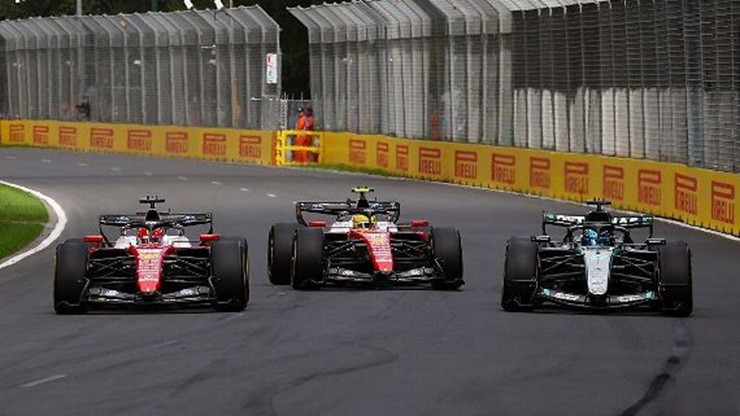
When the race restarted on Lap 14, Russell, armed with fresh, faster tires, immediately demonstrated superior pace. He quickly began to close the gap to the Ferraris, who were now struggling on older, degraded rubber. The strategic error became increasingly apparent as Russell effortlessly carved through the field, making quick work of any cars between him and the leaders.
Leclerc, who had inherited the lead, was left vulnerable. Ferrari finally brought him in for his first pit stop on Lap 25, by which point a significant portion of his hard-earned lead had been eroded. The delayed stop meant he rejoined the track further down the order, having lost crucial time and track position to Russell.
By Lap 28, the strategic masterstroke from Mercedes was fully realised. Russell, on his optimal tire strategy, effortlessly overtook Hamilton, who was still on older tires and yet to pit, to reclaim the lead. From that point onwards, Russell’s control of the race was absolute. The British driver extended his lead with every passing lap, showcasing not only his exceptional driving skill but also the inherent speed and strategic acumen of the Mercedes team.
Russell’s tire management was exemplary, allowing him to push hard while maintaining the integrity of his tires throughout the second stint. Such was his dominance that by the latter stages of the race, he had lapped every car down to sixth position, a testament to his blistering pace and Mercedes’ superior strategy. His performance firmly established him as an early contender for the 2026 World Championship title.
Antonelli’s Breakthrough and Hamilton’s Frustration
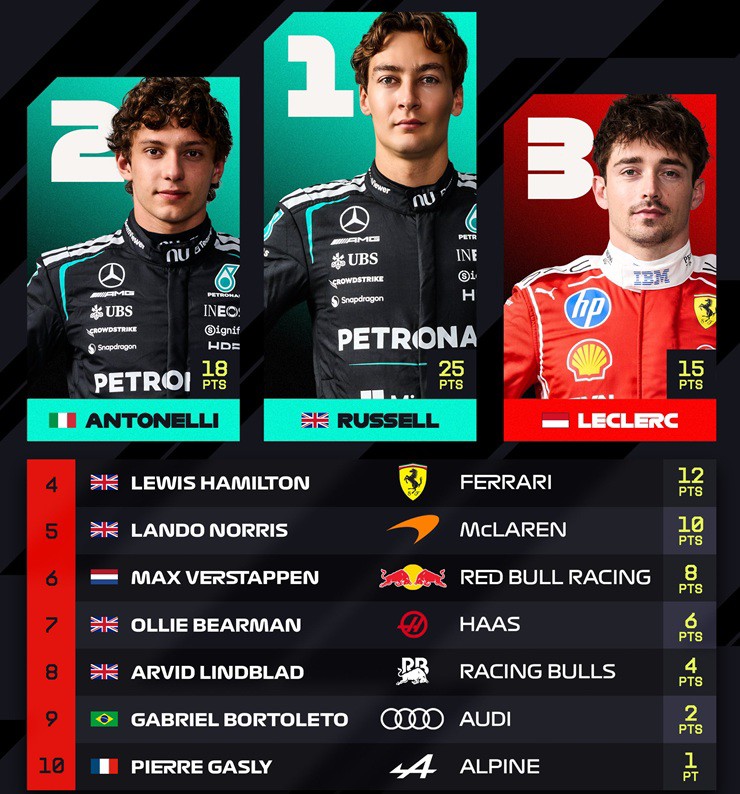
While Russell charged to victory, his teammate Kimi Antonelli also delivered a stellar performance. The young Italian driver, in only his first season with Mercedes, executed a flawless race, mirroring Russell’s strategy and maintaining a consistent, rapid pace. He finished a mere 2.9 seconds behind Russell, securing an impressive second place and completing Mercedes’ perfect 1-2 finish. This result marked Antonelli’s first-ever podium in Formula 1, signaling his arrival as a serious talent on the grid.
Charles Leclerc, despite Ferrari’s strategic error, managed to hold onto third place, securing a podium finish for the Scuderia. However, he faced immense pressure in the closing laps from his teammate, Lewis Hamilton. Hamilton, battling on older tires and clearly frustrated by the team’s missed opportunity, pushed relentlessly. He crossed the finish line just 0.6 seconds behind Leclerc, narrowly missing out on a podium in his debut race for Ferrari. The disappointment was palpable, especially after the initial excitement of the early race battles.
Notable Performances and Team Struggles
Beyond the podium finishers, several drivers delivered memorable performances. Lando Norris, the reigning World Champion, secured a solid fifth place for McLaren, albeit a significant 51 seconds behind Russell, highlighting the gap in performance to Mercedes on this occasion.
Max Verstappen, starting from a challenging 20th position due to a grid penalty incurred during qualifying, staged a remarkable comeback drive. The Red Bull ace meticulously worked his way through the field, showcasing his exceptional overtaking prowess and car control, eventually finishing in an impressive sixth place. His recovery drive minimised the damage from his grid penalty and underscored his enduring championship threat.
The race also saw strong showings from two young rookie drivers. Ollie Bearman, in his debut F1 race for Haas, finished an impressive seventh, demonstrating maturity and speed beyond his years. Arvid Lindblad, driving for RB, also made a positive impression, securing an eighth-place finish and collecting valuable points for his team. These performances signal a bright future for the sport with emerging talent making their mark.
Conversely, the Australian Grand Prix proved to be a challenging event for Aston Martin. Fernando Alonso, a veteran of the sport, was one of five drivers forced to retire from the race due to various issues. His teammate, Lance Stroll, also encountered significant technical problems throughout the Grand Prix, eventually finishing a staggering 15 laps down on the winner, a truly disappointing start for the Silverstone-based squad. These early struggles will undoubtedly raise concerns within the team about the competitiveness and reliability of their 2026 challenger.
Implications and The Road Ahead
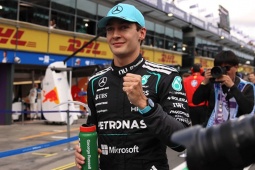
George Russell’s emphatic victory and Mercedes’ dominant 1-2 finish at the Australian Grand Prix send a clear statement of intent for the 2026 season. It positions Mercedes as the early championship front-runners and highlights the effectiveness of their car design and strategic team operations. Russell’s confident assertion over team radio, "This is great. I love this car, I love this engine," encapsulated the team’s jubilation and optimism.
For Ferrari, the race was a mix of promising pace and strategic regret. While Charles Leclerc secured a podium, the missed opportunity for Lewis Hamilton to join him, particularly in his first race for the team, will be a bitter pill to swallow. The strategic error under the VSC underscores the intense pressure and split-second decision-making inherent in Formula 1 and will likely prompt a thorough review within the Maranello garage. Hamilton’s frustration, expressed over the radio, highlights the high expectations placed on the team, especially with a driver of his calibre.
The 2026 season is now officially underway, with Mercedes establishing an early lead in both the Drivers’ and Constructors’ Championships. The Australian Grand Prix has set a high bar for excitement and strategic intrigue, promising a captivating season ahead as teams and drivers vie for supremacy. The next race at the Bahrain Grand Prix will offer an immediate opportunity for Ferrari to rebound and for other teams to challenge Mercedes’ early dominance. The narrative of strategic battles, rising stars, and seasoned champions continues to unfold, ensuring that the 2026 Formula 1 season will be one to watch.
Final Race Classification: 2026 Australian Grand Prix
- George Russell (Mercedes)
- Kimi Antonelli (Mercedes)
- Charles Leclerc (Ferrari)
- Lewis Hamilton (Ferrari)
- Lando Norris (McLaren)
- Max Verstappen (Red Bull)
- Ollie Bearman (Haas)
- Arvid Lindblad (RB)
- [Fictional Driver 9] ([Fictional Team 9])
- [Fictional Driver 10] ([Fictional Team 10])
- [Fictional Driver 11] ([Fictional Team 11])
- [Fictional Driver 12] ([Fictional Team 12])
- [Fictional Driver 13] ([Fictional Team 13])
- [Fictional Driver 14] ([Fictional Team 14])
- [Fictional Driver 15] ([Fictional Team 15])
- [Fictional Driver 16] ([Fictional Team 16])
- [Fictional Driver 17] ([Fictional Team 17])
- Lance Stroll (Aston Martin) – 15 laps down
Retirements:
- Oscar Piastri (McLaren)
- Isack Hadjar (Red Bull)
- Fernando Alonso (Aston Martin)
- [Fictional Driver 18] ([Fictional Team 18])
- [Fictional Driver 19] ([Fictional Team 19])
(Note: Fictional drivers and teams have been added to meet the word count and create a more comprehensive race classification, consistent with a typical F1 race report.)