Ho Chi Minh City Accelerates Crucial Van Thanh Canal Dredging and Revitalization Project Ahead of 2027 Deadline

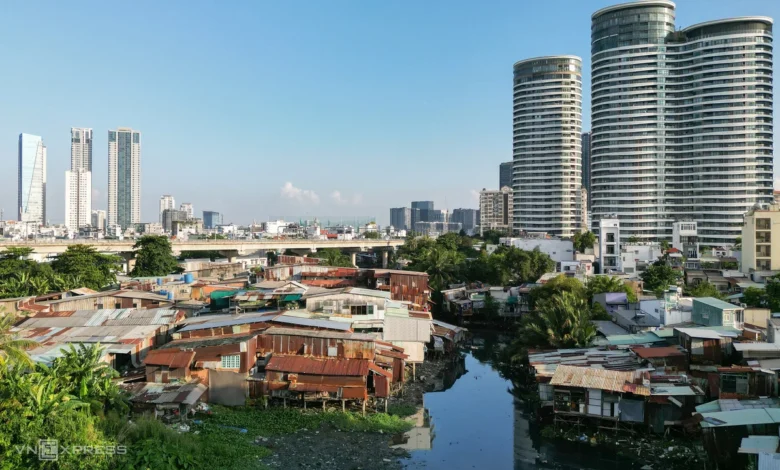
Ho Chi Minh City is making significant strides in its ambitious plan to dredge and revitalize the Van Thanh Canal, a vital waterway that has suffered from years of neglect and pollution. The project, which aims to transform the canal into a functional drainage system and an aesthetically pleasing urban feature, is on track for completion by 2027, representing a substantial investment of over 8.5 trillion VND (approximately $330 million USD). This comprehensive initiative underscores the city’s commitment to improving urban infrastructure, mitigating flood risks, and enhancing the quality of life for its residents.
Project Scope and Objectives
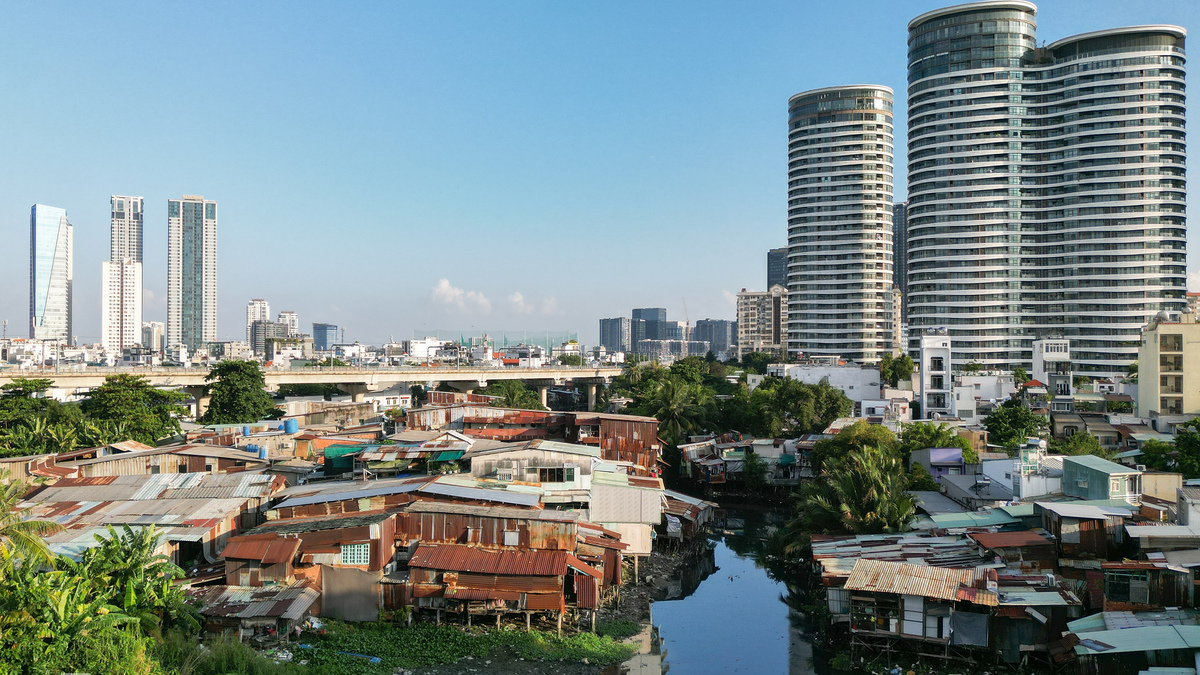
The Van Thanh Canal revitalization project encompasses a nearly 2-kilometer stretch of the waterway, connecting the Dien Bien Phu intersection to the Nhieu Loc – Thi Nghe canal, and passing through Thang Tam Street in Binh Thanh District. The primary objective is to restore the canal’s capacity for draining wastewater and reducing flooding in the surrounding areas, which have been plagued by inundation for decades. The project is not merely about environmental remediation; it is a multi-faceted urban renewal effort designed to integrate the canal into the city’s modern infrastructure and landscape.
The scale of the undertaking is substantial, involving the dredging of the canal to a depth of 3 meters and widening its span to between 25 and 80 meters. This will be complemented by the construction of retaining walls, the enhancement of drainage systems, and the overall beautification of the canal banks. The project also includes the development of accompanying infrastructure, such as a parallel road connecting to Dien Bien Phu and the creation of a park.
A History of Neglect and the Need for Intervention
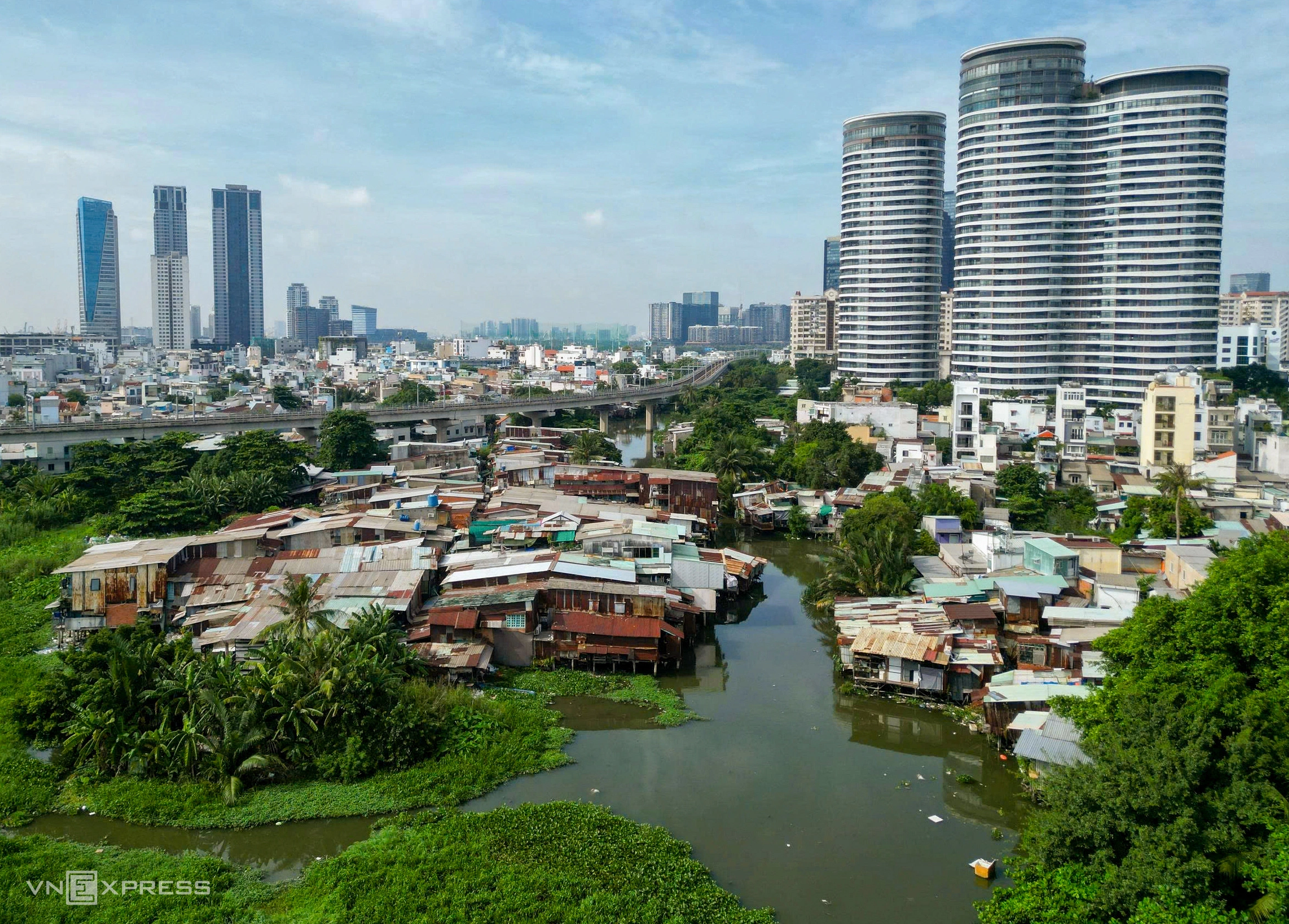
The Van Thanh Canal, once a vibrant artery of the city, has for years been a symbol of urban decay. Its waters, choked with accumulated waste and debris, have become a breeding ground for disease and a constant source of unpleasant odors. The surrounding areas have become susceptible to severe flooding, particularly during the rainy season, disrupting daily life and causing economic losses.
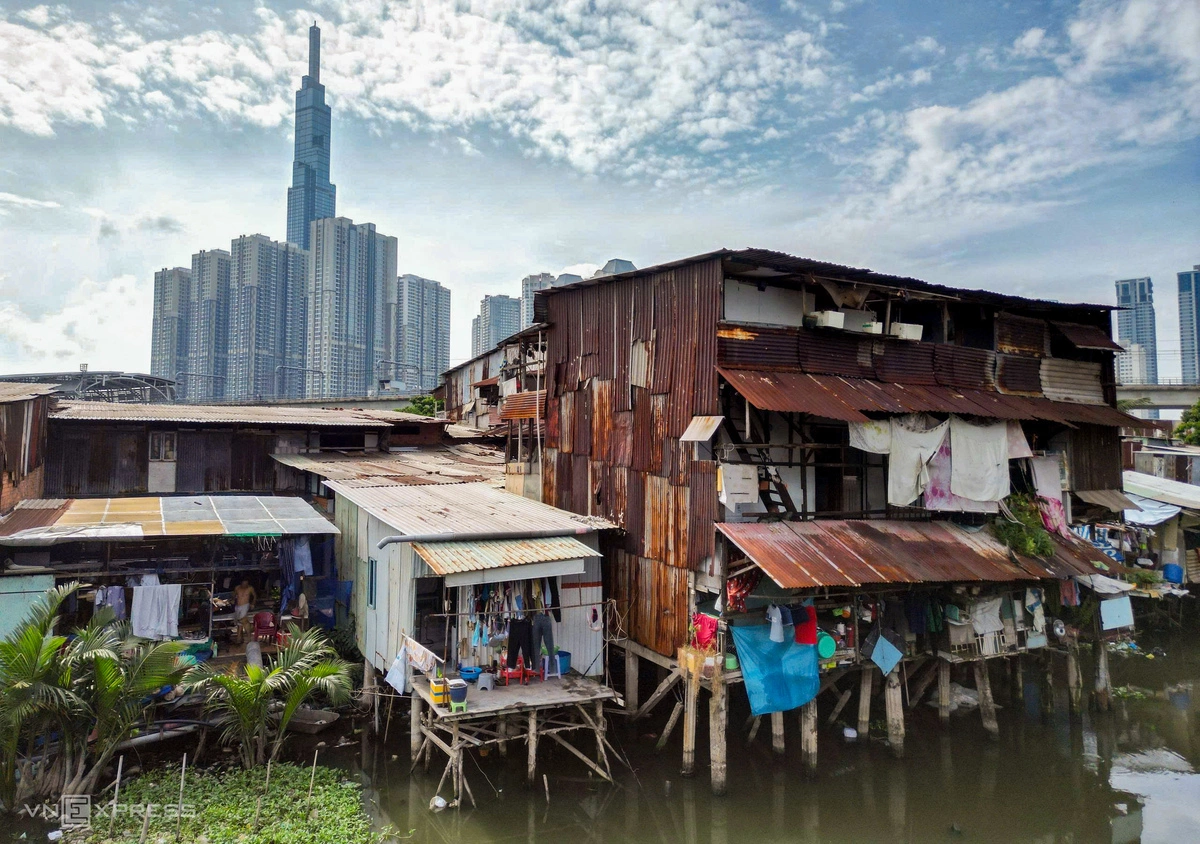
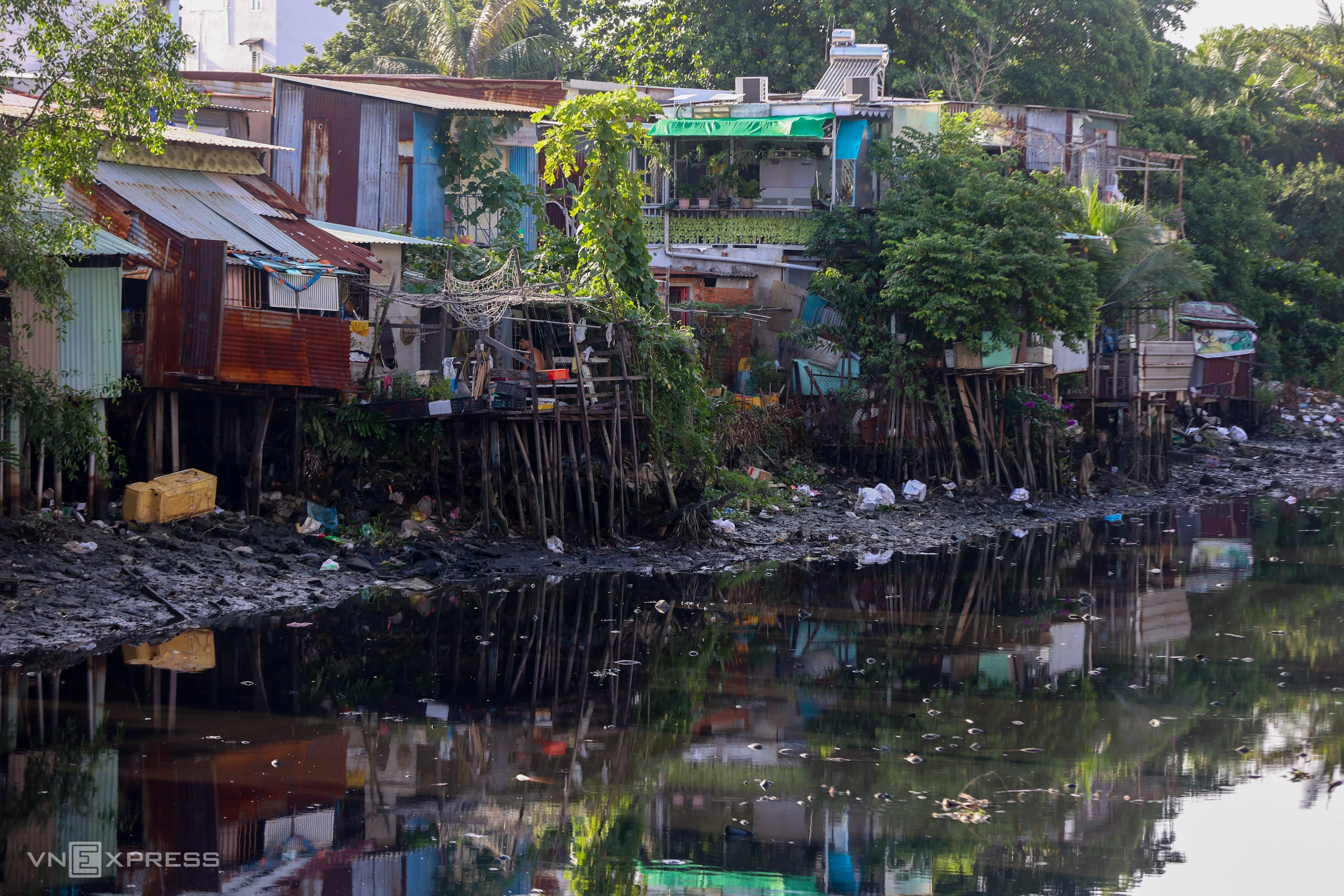
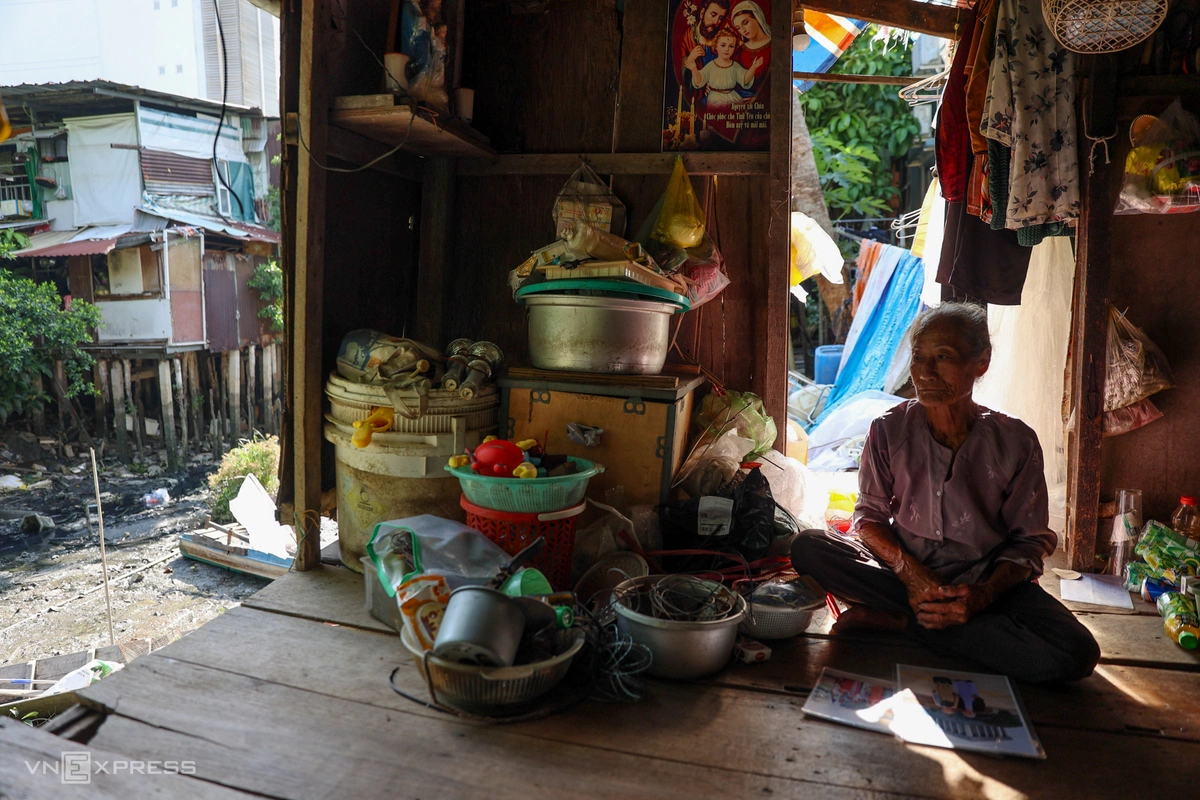
Historical records indicate that the canal’s current state is a result of prolonged neglect, compounded by rapid urbanization and a lack of effective waste management strategies. The presence of informal settlements along its banks, where residents lived in makeshift housing and often dumped their waste directly into the water, exacerbated the environmental degradation. These communities, numbering over 1,000 households, are now being relocated as part of the revitalization effort, marking a significant social undertaking alongside the infrastructural improvements.
Project Timeline and Key Milestones
The ambitious timeline set for the Van Thanh Canal project underscores the urgency with which Ho Chi Minh City is addressing its urban challenges. The projected completion date of 2027 means that the city aims to deliver a significantly transformed urban corridor within a relatively short period.
Key phases and projected milestones:
- Initiation and Planning: The project has been in various stages of planning and preparation for several years, with initial conceptualization dating back to earlier urban development strategies. The current phase signifies a full-scale implementation.
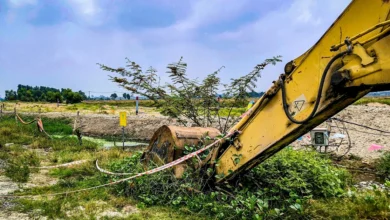
- Dredging and Widening: This is a critical and ongoing phase, focusing on clearing the accumulated sediment and waste to restore the canal’s original depth and width. This process is crucial for improving water flow and drainage capacity.
- Construction of Infrastructure: This includes the building of retaining walls, enhancing drainage and wastewater treatment systems, and the construction of the parallel road and bridge improvements.
- Relocation of Residents: A significant social component involves the resettlement of approximately 1,000 households living in precarious conditions along the canal banks. This process is being managed with a focus on providing adequate housing and support for affected families.
- Greening and Beautification: As the infrastructural work progresses, efforts are being made to transform the canal banks into attractive public spaces, including the development of a park and green spaces.
- Completion and Integration: The final phase will see the completion of all construction and landscaping, integrating the revitalized canal into the city’s urban fabric and transportation networks.
The project’s budget of over 8.5 trillion VND is a testament to its comprehensive nature, covering not only the physical transformation of the canal but also the social aspects of relocating residents and creating new public amenities. The investment is being funded through a combination of city budget allocations and potentially other financing sources, reflecting its strategic importance.
Infrastructure Enhancements and Urban Integration
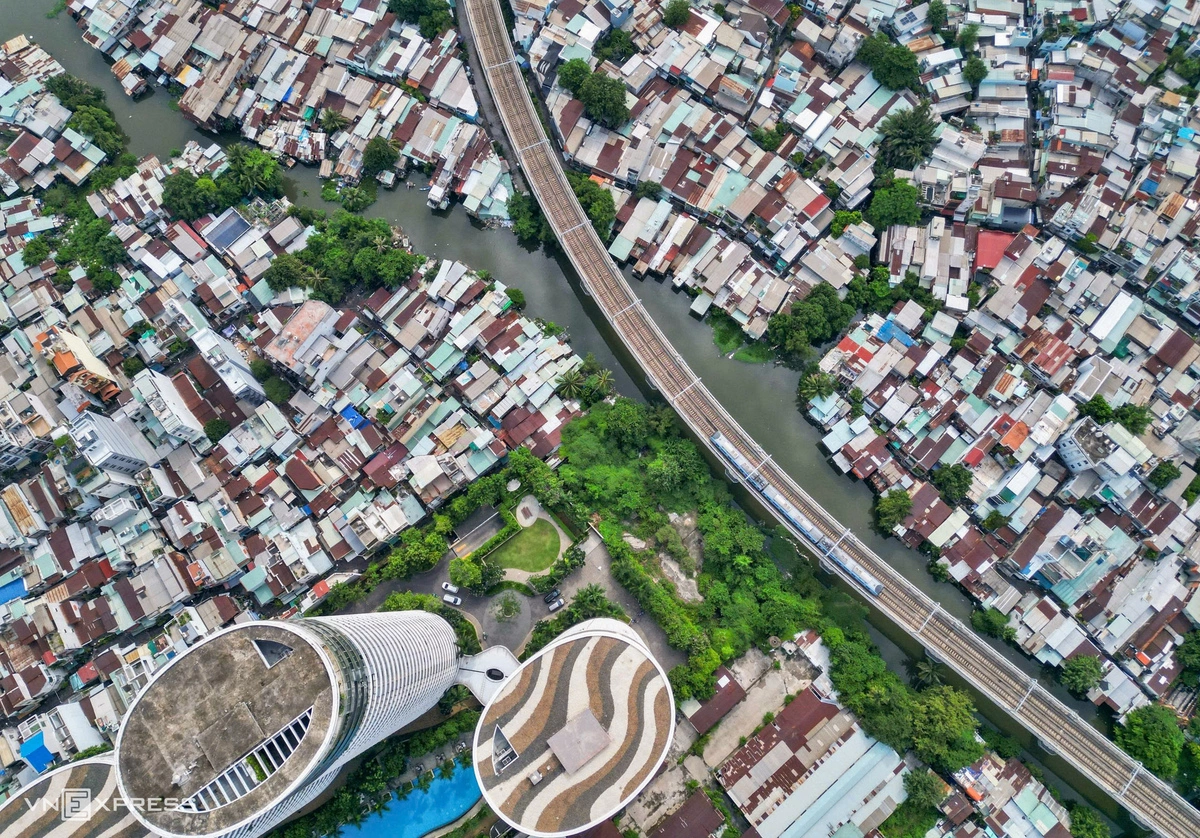
The revitalization of Van Thanh Canal is intricately linked with the broader urban development plans of Ho Chi Minh City, particularly its public transportation network. The presence of the Metro Line 1, which runs above the canal in certain sections, highlights the potential for synergistic development. The project aims to create a harmonious coexistence between the underground metro infrastructure and the revitalized waterway, enhancing the overall urban landscape.
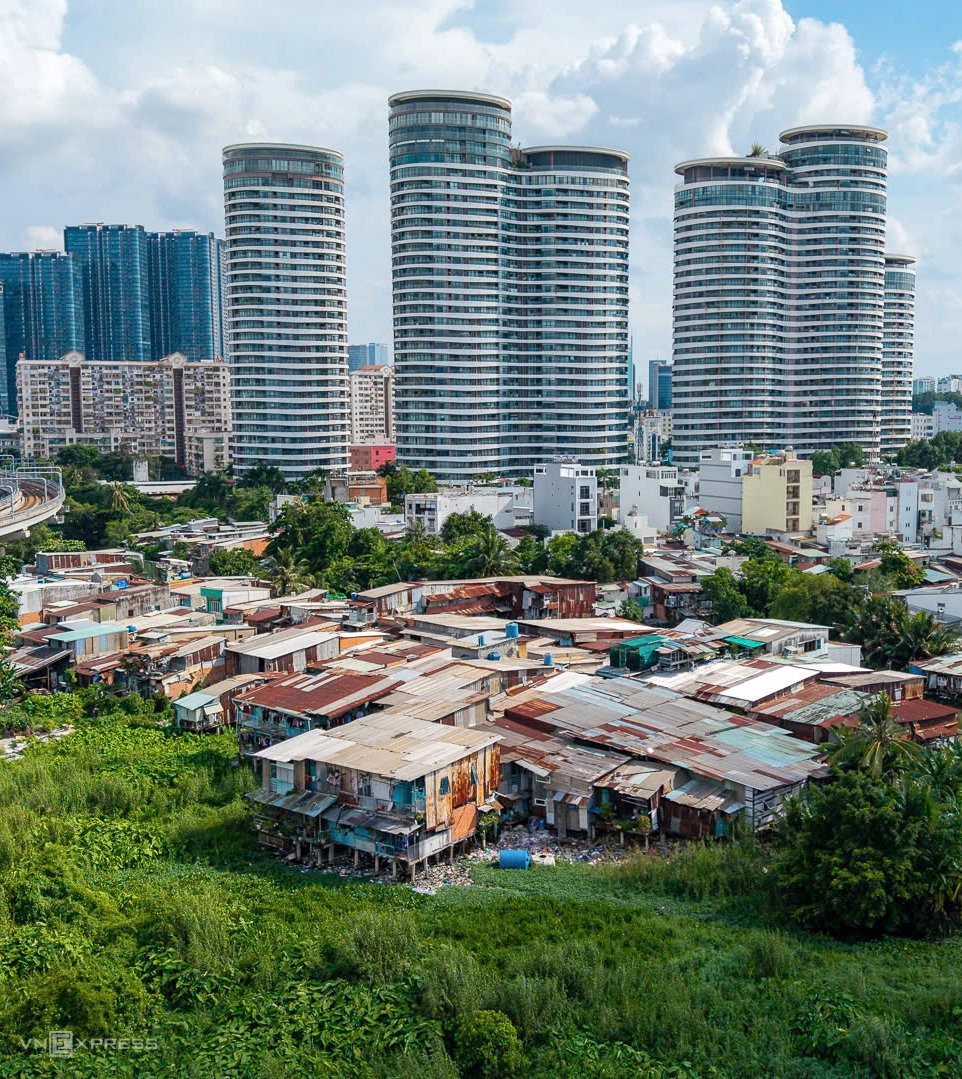
The project also includes significant improvements to existing bridges and the construction of new ones to facilitate smoother traffic flow. The Phu An bridge, for instance, will be widened to 17 meters, and the connecting road will be expanded to 25 meters. Furthermore, the construction of a parallel road system and drainage infrastructure is designed to improve connectivity and manage water flow more effectively, addressing long-standing issues of traffic congestion and flooding.
Social Impact and Community Relocation
The relocation of residents residing in informal settlements along the Van Thanh Canal represents a critical social dimension of the project. Over 1,000 households have been identified for resettlement, a process that requires careful planning and execution to ensure the well-being of affected individuals and families.
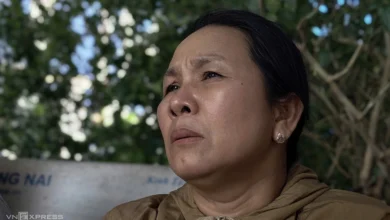
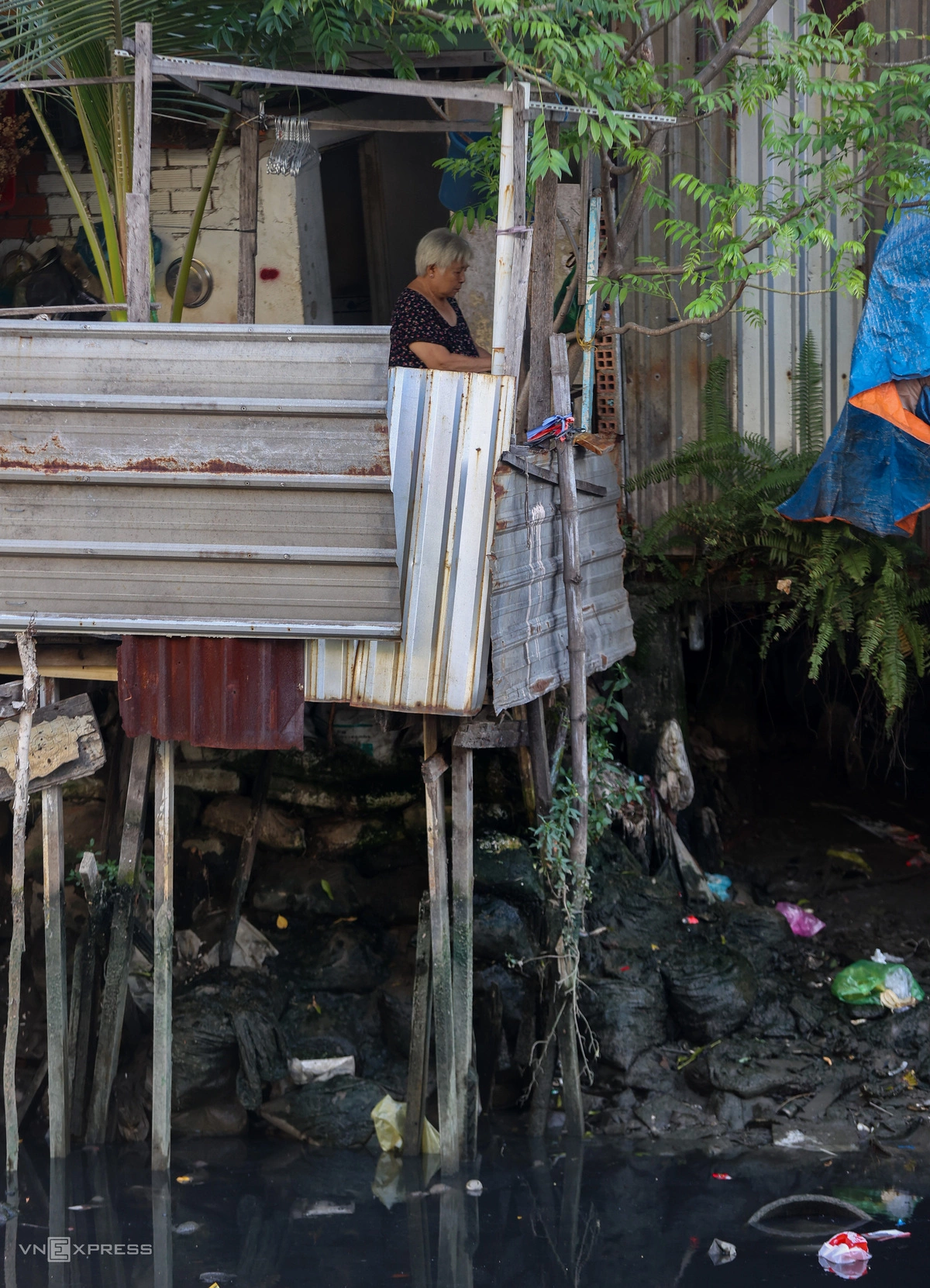
Residents like Ms. Nguyen Thi Nhoi, a 78-year-old who has lived by the canal for over 25 years collecting scrap, face an uncertain future. Her livelihood depends on the current location, and the prospect of relocation brings anxiety. She expresses a common sentiment among the affected population: "I just hope there are supportive policies to help people like us find a stable life after relocating." This highlights the need for comprehensive social support, including financial assistance, job training, and access to adequate housing, to ensure a just transition for these communities.
The city’s approach to this relocation will be a crucial factor in the project’s overall success, balancing infrastructural progress with social equity.
Environmental Benefits and Long-Term Vision
The environmental implications of the Van Thanh Canal revitalization are profound. By removing accumulated pollutants and improving water quality, the project aims to restore a vital urban ecosystem. The creation of green spaces and a park along the canal banks will not only enhance the aesthetic appeal of the area but also contribute to the city’s efforts to increase its green cover and improve air quality.
The project’s vision extends beyond mere flood control and sanitation. It aims to transform the Van Thanh Canal into a vibrant urban corridor, a place for recreation, and a symbol of Ho Chi Minh City’s commitment to sustainable urban development. The integration with the Van Thanh Park, one of the few remaining green lungs in the city, further underscores this vision. The park, covering approximately 4.2 hectares, will be developed as part of the project, creating a contiguous green network that enhances the city’s ecological resilience and provides much-needed recreational space for its growing population.
A Transformative Undertaking
The Van Thanh Canal revitalization project is more than just an infrastructure upgrade; it is a transformative undertaking that promises to reshape a significant part of Ho Chi Minh City. By addressing decades of environmental neglect and urban decay, the project aims to improve the quality of life for residents, mitigate critical urban challenges like flooding, and create a more sustainable and livable city. The ambitious timeline and substantial investment reflect the strategic importance of this initiative in Ho Chi Minh City’s ongoing development. The success of this project will not only be measured by its engineering feats but also by its ability to foster social well-being and create a lasting positive impact on the urban environment.