The Nutritional Profile and Medicinal Potential of Annona Reticulata Exploring the Benefits and Toxicity of Vietnam Wild Sweetsop

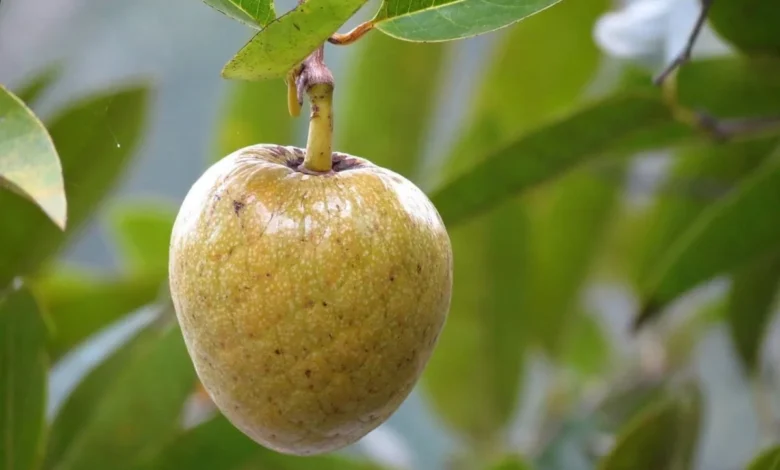
The Annona reticulata, commonly known as the wild sweetsop or custard apple, and referred to as "bình bát" in Vietnam, occupies a unique position in the botanical and cultural landscape of Southeast Asia. According to Dr. Ngô Đức Phương, Director of the Institute of Herbal Science, this species belongs to the Annonaceae family and finds its evolutionary roots in the tropical regions of Central America and the Caribbean. Since its introduction to the tropical belt centuries ago, the plant has naturalized across various continents, finding a particularly hospitable environment in the fertile, water-rich landscapes of Vietnam.
In the Vietnamese context, the bình bát is not merely a botanical specimen but a resilient fixture of the southern ecosystem. It thrives in the wild, particularly throughout the Mekong Delta (Nam Bộ), where it is frequently found lining the banks of rivers, irrigation canals, and in low-lying areas subject to seasonal flooding. Its ability to tolerate brackish water and fluctuating water levels has made it a pioneer species in the riparian zones of Southern Vietnam. For generations, the sight of the bình bát’s heart-shaped fruit hanging over the water has been a hallmark of the rural landscape, signaling a deep connection between the geography of the region and its local flora.
Historical Context and Cultural Significance in Southern Vietnam
The journey of Annona reticulata from the Caribbean to the shores of Vietnam is a testament to the historical exchange of botanical resources during the colonial and pre-colonial eras. While the exact date of its arrival is not recorded in a single historical chronicle, it followed the broader movement of New World crops—such as the chili pepper, corn, and the soursop—into Asia. Over time, the plant transitioned from an exotic introduction to a localized staple of the rural diet and traditional pharmacopeia.
For the people of the Mekong Delta, the bình bát is deeply intertwined with childhood nostalgia. In decades past, before the widespread availability of commercial snacks and imported fruits, the ripening of the wild sweetsop was a celebrated event for local children. These fruits were often harvested directly from trees growing along the edges of rice fields or canals. The ritual of eating the fruit often involved a simple preparation: the soft, ripe flesh would be scooped out, mixed with sugar and crushed ice, and stirred into a refreshing pulp known as "bình bát dầm." This traditional treat served as a vital cooling agent during the sweltering heat of the tropical afternoon.
Beyond its role as a snack, the tree served practical purposes in the agrarian lifestyle. Its wood, though not prized for high-end furniture, was often used for simple tools or as fuel, while the tree’s expansive root system helped stabilize the muddy banks of the region’s complex canal network.
Botanical Characteristics and Identification
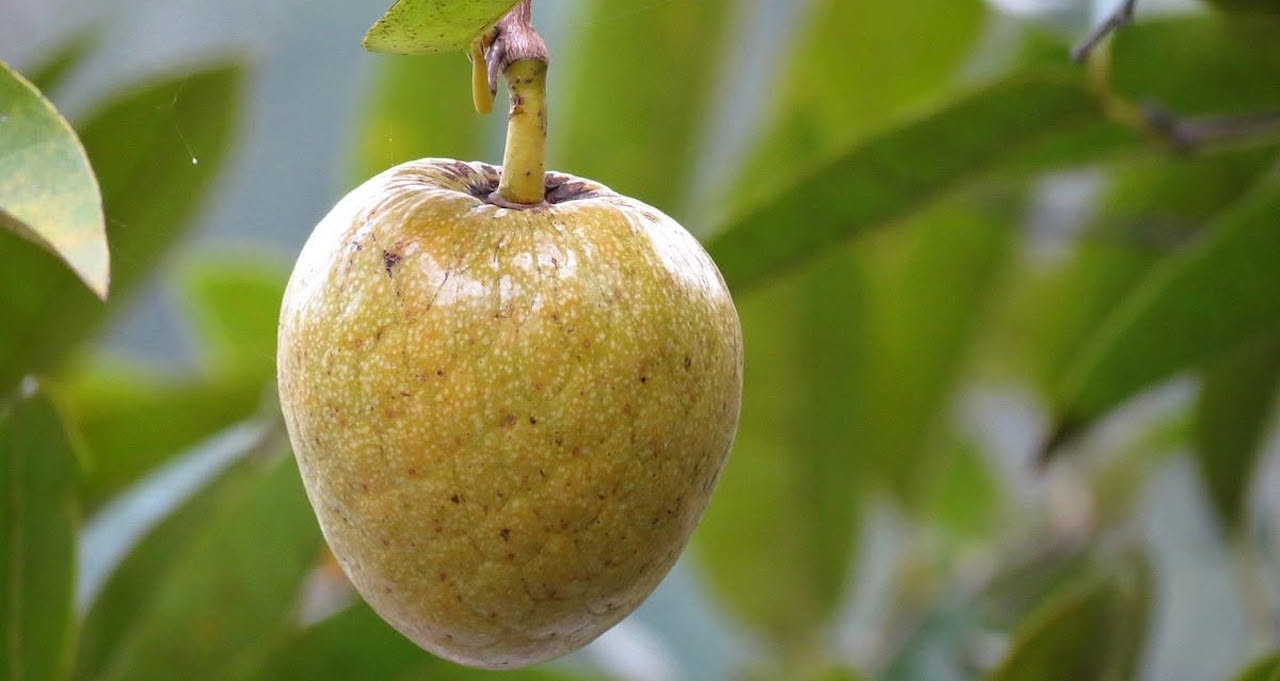
Identifying the bình bát requires a keen eye, as it shares several morphological traits with its cousins, the sugar apple (Annona squamosa) and the soursop (Annona muricata). However, Dr. Phương notes distinct characteristics that set it apart. The fruit of the Annona reticulata is typically heart-shaped or nearly spherical, possessing a skin that is significantly smoother than the "knobby" exterior of the sugar apple. As it matures, the skin transitions from a dull green to a vibrant yellow or brownish-yellow hue.
Internally, the flesh of the bình bát is creamy, dense, and fragrant. While it lacks the intense acidity of the soursop, it offers a subtle, mellow sweetness that is often described as having a "buttery" or "earthy" undertone. The texture is somewhat grainier than the sugar apple, containing numerous dark, hard seeds embedded within the pulp. Understanding these physical nuances is essential for both culinary use and medicinal identification, as the different species within the Annona genus possess varying concentrations of bioactive compounds.
Nutritional Composition and Health Benefits
From a nutritional standpoint, the bình bát is far more than a simple wild fruit; it is a dense source of essential micronutrients and dietary fiber. Like many members of the Annonaceae family, it provides a significant amount of carbohydrates, which offer immediate energy, alongside a robust profile of vitamins and minerals.
- Dietary Fiber: The fruit is exceptionally high in fiber, which plays a crucial role in gastrointestinal health. Dr. Phương emphasizes that the abundance of fiber promotes a feeling of satiety, aiding in weight management, and helps regulate bowel movements, preventing constipation and supporting a healthy gut microbiome.
- Vitamin C and Antioxidants: A single serving of the fruit contains a notable concentration of Vitamin C, a powerful antioxidant that bolsters the immune system, promotes collagen synthesis, and protects cells from oxidative stress.
- B-Complex Vitamins: The presence of B-group vitamins, including thiamine (B1) and riboflavin (B2), supports metabolic processes and neurological function.
- Mineral Content: The fruit is a source of potassium and magnesium, minerals vital for maintaining electrolyte balance, regulating blood pressure, and supporting muscle function.
Beyond basic nutrition, modern biochemical analysis has revealed that the bình bát is rich in secondary metabolites, specifically polyphenols and flavonoids. These compounds are celebrated in the scientific community for their ability to neutralize free radicals, thereby reducing systemic inflammation and potentially lowering the risk of chronic diseases such as cardiovascular ailments and certain metabolic disorders.
Traditional Medicinal Applications in Folk Medicine
The use of Annona reticulata in traditional medicine is documented not only in Vietnam but across various tropical cultures in India, Africa, and the Americas. In Vietnamese folk medicine, different parts of the tree—including the leaves, bark, fruit, and seeds—are utilized to treat a diverse array of conditions.
- Dermatological Treatments: In many rural localities, the leaves and bark of the bình bát are crushed or decocted to treat skin infections, rashes, and eczema. The anti-inflammatory properties of the plant help soothe irritation and accelerate the healing of minor wounds.
- Gastrointestinal Health: The unripe fruit and the bark have historically been used as a remedy for dysentery and diarrhea. The tannins found in the bark act as an astringent, helping to "tighten" the digestive tract and reduce fluid loss.
- Anti-parasitic Uses: The leaves have long been recognized as an effective anthelmintic (a substance used to expel intestinal worms). In traditional settings, a decoction of the leaves might be administered to children to treat parasitic infections.
- Respiratory Support: Some traditional practitioners use preparations of the leaves to alleviate symptoms of respiratory distress, including coughs and congestion, leveraging the plant’s mild expectorant properties.
Modern Scientific Research and Pharmacological Potential
In recent years, the scientific community has turned its attention to the Annona genus to validate traditional claims through rigorous laboratory study. Research into the leaves and bark of the bình bát has confirmed the presence of high levels of flavonoids, tannins, and phenolic compounds.
One of the most intriguing areas of modern research involves the plant’s potential anti-cancer properties. Laboratory studies have shown that certain extracts from Annona reticulata exhibit cytotoxicity against specific cancer cell lines. These extracts appear to interfere with the energy production of cancer cells, specifically targeting the mitochondria. While these findings are preliminary and conducted in vitro (in a laboratory environment rather than in humans), they suggest that the plant may contain precursors for future oncological treatments.
Furthermore, the antibacterial and antifungal activities of the plant have been confirmed in several studies. Extracts from the leaves have shown effectiveness against common pathogens, suggesting that the traditional use of the plant for skin infections has a sound empirical basis.
Critical Safety Warning: The Toxicity of Seeds
Despite the numerous benefits of the fruit and the medicinal potential of the leaves, Dr. Ngô Đức Phương issues a stern warning regarding the seeds of the bình bát. The seeds, along with other parts of the plant to a lesser extent, contain high concentrations of acetogenins and certain alkaloids. These are bioactive compounds that possess potent biological activity but are also highly toxic if ingested.
In traditional practices, the seeds were often crushed and used topically to kill lice, ticks, or other parasites. This "insecticidal" property is a direct result of the toxic acetogenins, which act as mitochondrial inhibitors. Dr. Phương emphasizes that under no circumstances should the seeds be consumed. Ingestion of the seeds can lead to severe poisoning, characterized by gastrointestinal distress, neurological symptoms, and in extreme cases, more permanent damage.
"Because of their high toxicity, the seeds are not for eating. People should also refrain from self-administering seed-based remedies for internal use to avoid the risk of dangerous poisoning," Dr. Phương warned. This serves as a vital reminder that while traditional medicine offers a wealth of knowledge, it must be approached with caution and scientific oversight.
Broader Ecological and Economic Implications
The bình bát is often categorized as a "forgotten fruit" or a "wild weed" in the context of modern industrial agriculture. However, its resilience and low maintenance requirements suggest it could have a role in sustainable land management. In areas of the Mekong Delta facing increased saltwater intrusion due to climate change, the salt-tolerant nature of the Annona reticulata makes it a candidate for riparian restoration projects.
Economically, while it does not currently command the high prices of exported durian or dragon fruit, there is a niche market for "nostalgic" or "heritage" fruits. Small-scale processing of the fruit into pulps, jams, or dried snacks could provide supplemental income for rural households. Furthermore, as the global demand for natural antioxidants and plant-based medicines grows, the controlled cultivation of bình bát for the extraction of bioactive compounds represents an untapped pharmaceutical opportunity.
Comparative Analysis with Other Annona Species
To fully appreciate the bình bát, it is helpful to compare it to its more commercially successful relatives. The sugar apple (Annona squamosa) is prized for its high sugar content and ease of eating, making it a favorite in local markets. The soursop (Annona muricata) is widely used in the beverage industry for its unique tart flavor and is also the subject of significant anti-cancer research.
The bình bát (Annona reticulata) sits in the middle of this spectrum. It is hardier than the sugar apple and more adaptable to wet conditions than the soursop. While its flavor may be more subtle, its nutritional density and the concentration of medicinal compounds in its bark and leaves are comparable, if not superior, in certain respects. The wild nature of the bình bát also means it is less likely to be treated with synthetic pesticides compared to commercially grown sugar apples, making it a "cleaner" option for those who harvest it from the wild.
Conclusion and Future Outlook
The Annona reticulata stands as a symbol of the intersection between nature, tradition, and science in Vietnam. From its origins in the Caribbean to its current status as a nostalgic staple of the Mekong Delta, the plant has proven its worth as a source of nutrition and healing. The insights provided by Dr. Ngô Đức Phương highlight the dual nature of the plant: a powerhouse of health-promoting antioxidants and fiber, but also a source of potent toxins that must be handled with care.
As Vietnam continues to modernize its agricultural and healthcare sectors, the challenge will be to preserve the traditional knowledge associated with plants like the bình bát while integrating them into a modern scientific framework. Future research should focus on isolating the beneficial compounds for standardized medical use while educating the public on safe consumption practices. By respecting both the benefits and the dangers of this wild fruit, Vietnam can ensure that the "bình bát" remains a valuable part of its natural heritage for generations to come.