Chinese Man Sentenced After Elaborate Fake Death Scheme to Evade Drunk Driving Charges in Henan Province

In a case that has captivated legal experts and the public alike across China, a man from Anyang, Henan province, has been sentenced to five months in prison following a bizarre and failed attempt to fake his own death to escape prosecution for drunk driving. The Anyang City People’s Procuratorate recently announced the sentencing of the man, identified by his surname Si, while confirming that his mother and grandmother remain under criminal investigation for their roles in orchestrating the elaborate deception. The case highlights the extreme lengths to which some individuals will go to avoid the country’s increasingly stringent traffic laws and the sophisticated investigative techniques employed by Chinese authorities to maintain the integrity of the judicial system.
The saga began on January 21, 2025, when Si was intercepted by traffic police in Anyang during a routine checkpoint. A breathalyzer and subsequent blood test revealed that Si was operating his vehicle while heavily intoxicated. Further investigation into his records showed a troubling history of recidivism; Si had multiple prior convictions for driving under the influence (DUI) and, at the time of his arrest, was operating the vehicle without a valid driver’s license. Due to the severity of the offense and his status as a repeat offender, Si was initially detained. However, on January 27, 2025, he was granted bail pending trial, a standard procedure for non-violent offenses provided the suspect does not pose a flight risk.
For several months, Si remained at liberty, awaiting the formal transfer of his case to the procuratorate for prosecution. However, as the legal deadline for his trial approached, a startling development occurred. On June 18, 2025, Si’s mother and grandmother contacted local authorities with a grim report: they claimed that Si, despondent over his legal troubles and mounting financial debts, had committed suicide by consuming poison at the family home.
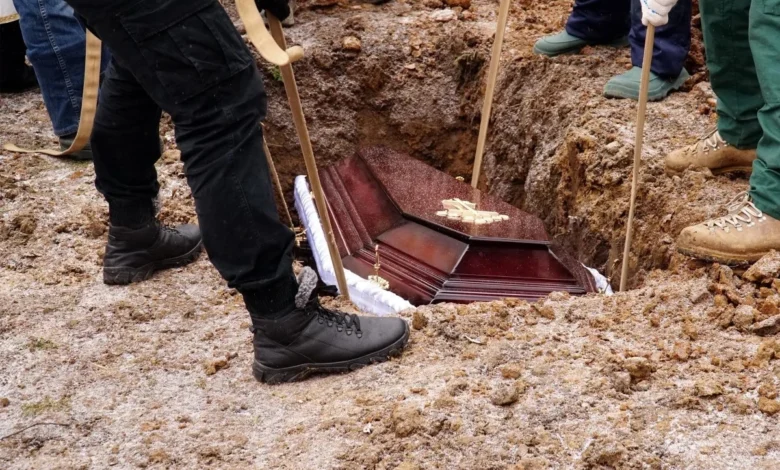
The family’s account was designed to discourage close inspection. They claimed that the poison had caused severe facial disfigurement, necessitating that Si’s face be covered with a thick sheet. In a move that would later raise significant suspicion, the family insisted on an immediate burial. They claimed that traditional customs and the traumatic nature of the death required the body to be interred before sunset on the very same day. By the time law enforcement and forensic investigators arrived at the residence, the body had already been placed in a coffin and buried in a plot of land owned by the family, effectively preventing an immediate post-mortem examination.
Despite the family’s attempts to present a closed case, investigators from the Anyang City People’s Procuratorate and the local police department noted several glaring inconsistencies. Under Chinese law, the death of a citizen, particularly one under criminal investigation, requires a specific set of administrative procedures. The family was unable to produce a death certificate from a hospital, nor could they provide documentation from a crematorium—a requirement in many regions of China where burial is strictly regulated. Furthermore, there was no record of the family applying to cancel Si’s household registration (hukou), a mandatory step following a death.
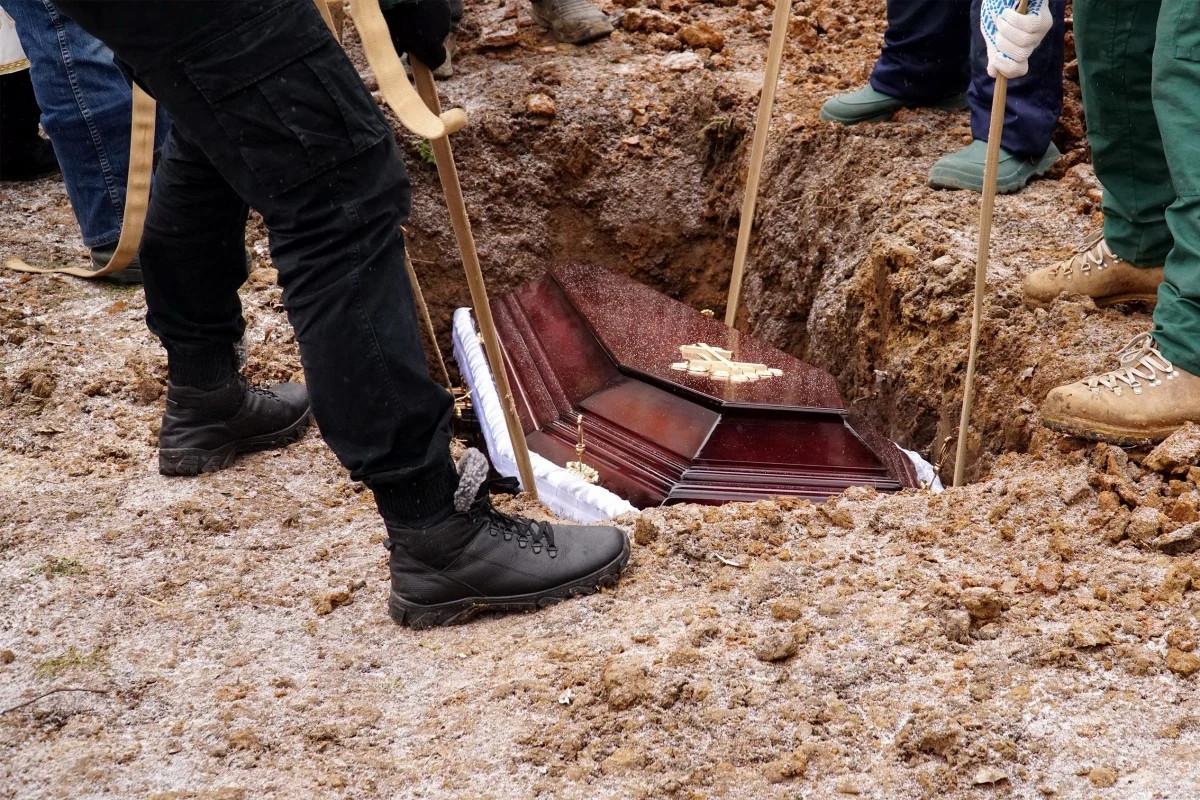
The investigative team also found the family’s behavior on the day of the alleged suicide to be highly irregular. It was noted that the family had not called for emergency medical services when they supposedly discovered Si in a critical state. Instead, they had focused entirely on the burial. Most tellingly, a search of the property and interviews with neighbors revealed that the coffin had been purchased and delivered to the house several days before Si’s alleged suicide, suggesting a pre-planned event rather than a spontaneous tragedy.
Suspicions were further fueled by Si’s psychological profile. During his period of bail, he had shown no signs of suicidal ideation or clinical depression. Instead, the timing of his "death" coincided perfectly with the scheduled transfer of his case file to the procuratorate, the final step before a formal court hearing. Recognizing these red flags, the procuratorate urged the police to expand their investigation, focusing on the possibility that Si was still alive and being harbored by his relatives.
The subsequent investigation utilized China’s vast digital and physical surveillance infrastructure. Detectives meticulously analyzed hundreds of hours of CCTV footage from the Anyang area and surrounding provinces. They also monitored Si’s financial accounts and mobile data. Although Si had stopped using his primary phone and bank cards, forensic digital analysis identified patterns of communication and small cash withdrawals in other regions that suggested his continued existence.
On July 18, 2025, exactly one month after his supposed burial, the police officially placed Si on a national wanted list. The manhunt lasted for nearly a year, spanning multiple provinces as Si moved frequently to avoid detection. The breakthrough finally came on April 27, 2026, when authorities tracked Si to a remote location in Yunnan province, thousands of kilometers away from his home in Henan. He was arrested without incident and transported back to Anyang to face justice.
Under interrogation, Si confessed to the entire plot. He admitted that the fear of a prison sentence and the heavy fines associated with his repeat DUI offense had driven him to desperation. "I had violated the drunk driving regulations many times before," Si told investigators. "I knew that this time, a prison sentence was inevitable. I was already drowning in debt, and I felt that if I went to prison, my life would effectively be over. I thought if I could just disappear, I could start over somewhere else."
Si detailed the mechanics of the deception, revealing a high level of premeditation. He had purchased the coffin in advance and emptied various poison bottles to leave at the "scene" for investigators to find. Most remarkably, he admitted to using specialized cooling equipment to artificially lower his body temperature, allowing him to play the role of a corpse for the brief period when he was viewed by distant relatives and neighbors. During the funeral, while covered by the sheet, he remained perfectly still. Once the "burial" was complete—which in this case involved a shallow covering of earth in a private garden rather than a deep, permanent grave—he waited until nightfall to dig himself out and flee the province under the cover of darkness.

The Anyang City People’s Procuratorate argued that Si’s actions constituted a grave obstruction of justice. By faking his death, he had not only attempted to evade his legal responsibilities but had also wasted significant state resources during the year-long manhunt. The prosecution emphasized that while the original charge was "dangerous driving," the subsequent flight and deception served as aggravating factors that warranted a firm sentence.
In China, the legal framework for drunk driving is exceptionally strict. According to Article 133 of the Criminal Law, "dangerous driving"—which includes operating a vehicle with a blood alcohol concentration (BAC) of 80mg/100ml or higher—is punishable by one to six months of criminal detention, along with a mandatory fine. Additionally, offenders face the revocation of their driver’s license and a five-year ban on reapplying. For repeat offenders like Si, the courts rarely show leniency.
While Si has now begun serving his five-month sentence for the initial dangerous driving charge, the legal troubles for his family are far from over. His mother and grandmother are currently facing charges related to harboring a criminal and providing false testimony. Under Article 310 of the Chinese Criminal Code, anyone who provides a hiding place, money, or materials to a criminal, or helps them hide or give false evidence to protect them, can be sentenced to up to three years in prison. In serious cases, the sentence can range from three to ten years.
The case has sparked a broader discussion in Chinese media regarding the integrity of rural death reporting and the pressures of the legal system. Legal analysts suggest that this incident may lead to stricter oversight of private burials and more rigorous verification processes when a suspect in a criminal case is reported deceased.
"This case serves as a stern warning that the law cannot be outrun through deception," said a legal commentator for a regional news outlet. "The coordination between the procuratorate and the police, utilizing both traditional investigative work and high-tech surveillance, demonstrates that the state has the tools to uncover even the most elaborate schemes."
As Si serves his time in a Henan detention center, the story of the man who tried to bury his past—quite literally—remains a cautionary tale about the consequences of drunk driving and the futility of attempting to circumvent the rule of law. The Anyang authorities have reiterated their commitment to "zero tolerance" for both traffic violations and acts that undermine the judicial process, ensuring that justice, though delayed by a year of flight, was ultimately served.