Vietnam’s Strategic Infrastructure Master Plan: Revolutionizing Postal and Digital Connectivity for the Digital Era

Vietnam has officially unveiled its comprehensive master plan for Information and Communications Technology (ICT) infrastructure, marking a historic shift in how the nation coordinates its digital development. This strategic framework serves as a foundational blueprint to harmonize regional growth, bridge the digital divide, and create a synchronized ecosystem that supports the country’s broader socio-economic ambitions. By aligning infrastructure development with the demands of the digital economy, the government aims to position Vietnam as a competitive force in the global digital landscape.
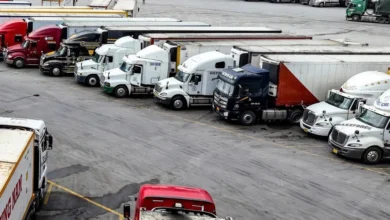
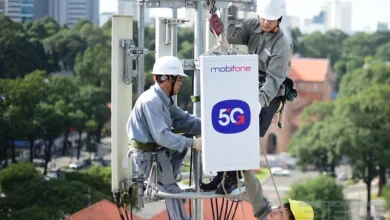
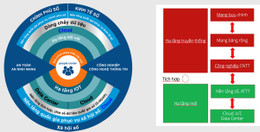
The master plan, which covers the period through 2030 with a vision extending to 2050, identifies five core components of national ICT infrastructure. Among these, the postal and logistics network is positioned as a critical pillar, tasked with ensuring the seamless flow of physical goods alongside the digital flow of information.
Historical Context and Strategic Evolution
For decades, the Vietnamese postal sector functioned as a fragmented system, often characterized by localized service models and a lack of interoperability between private and public providers. As of 2020, the nation boasted over 21,600 service points. While this provided a commendable reach, the sector struggled to adapt to the explosive growth of e-commerce and the high-speed demands of modern logistics.
Historically, individual logistics firms operated isolated, proprietary networks designed to solve internal business challenges rather than national connectivity issues. This lack of a unified, systemic approach meant that while the sector grew in volume, it remained inefficient, hindered by high operational costs and limited data integration. The current master plan represents a radical departure from this legacy, shifting toward a highly integrated model that treats postal networks as a vital utility for the nation’s digital economic health.
The Integration of Logistics and E-Commerce
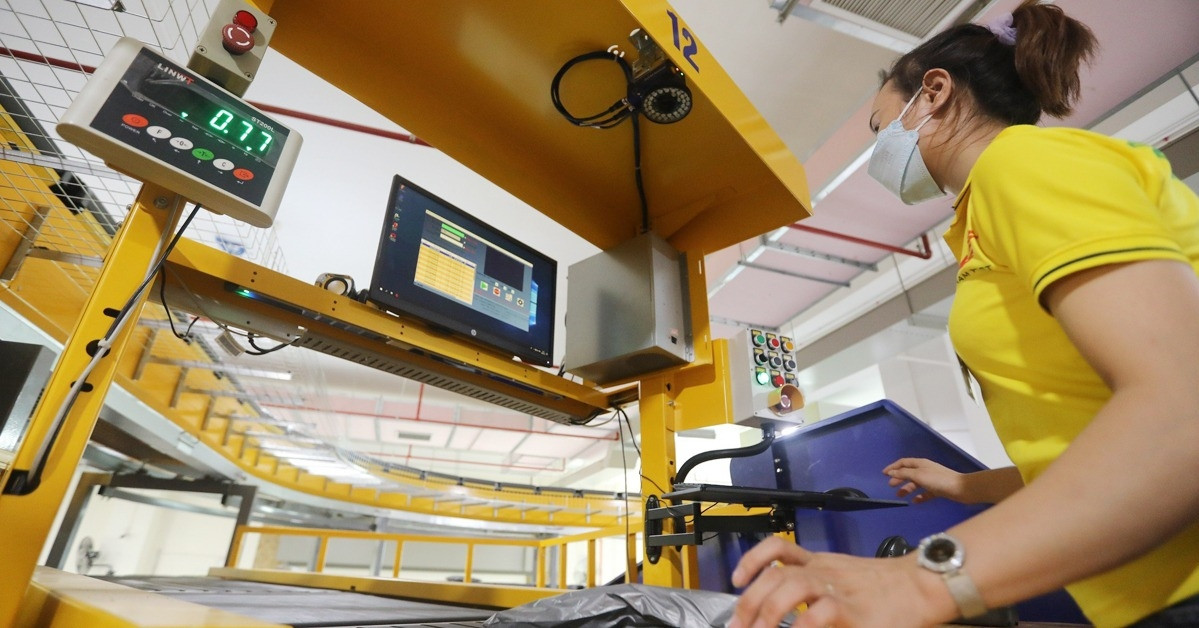
The primary challenge identified by the Ministry of Information and Communications (MIC) is the need to pivot postal infrastructure toward the service requirements of the e-commerce sector. Modern consumer expectations—driven by rapid delivery demands—require a robust, technology-enabled infrastructure that can handle complex sorting and last-mile delivery at scale.
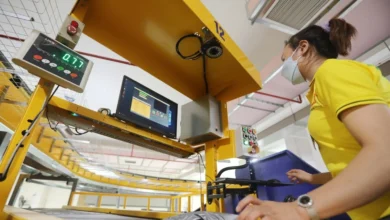
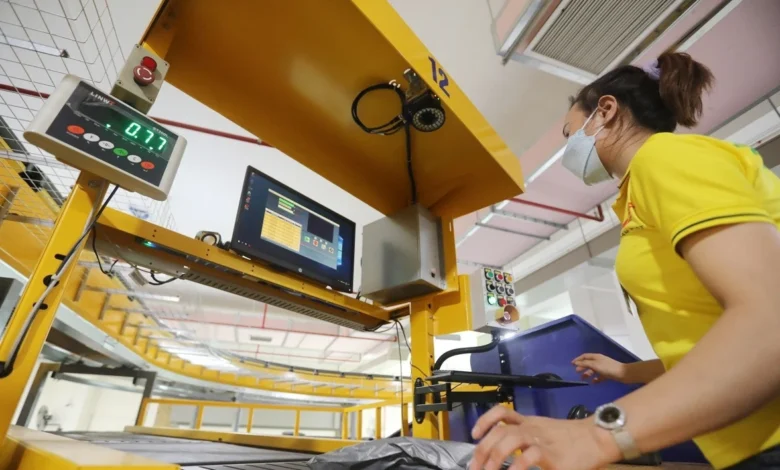
Under the new regulatory framework, the postal network is being re-engineered to act as a resilient backbone for the digital economy. This involves the transition from traditional, manual-heavy sorting centers to highly automated, IoT-enabled facilities. By incorporating automated sorting, conveyor systems, and real-time data tracking, the government aims to reduce logistics costs—a perennial bottleneck for Vietnamese exports and domestic commerce—by significant margins.
Chronology of Planning and Implementation
The development of this infrastructure plan followed a rigorous multi-year consultation process:
- 2021-2022: The Ministry of Information and Communications initiated comprehensive surveys and data analysis of existing postal facilities, benchmarking them against international standards in Southeast Asia and beyond.
- February 23, 2024: During an official public announcement, Deputy Minister of Information and Communications Phan Tam emphasized the government’s commitment to centralized, high-tech investment in the postal sector.
- March 2024: The formal launch of the implementation phase, focusing on the development of regional postal hubs and the integration of "Make in Vietnam" digital technologies.
- 2025 Milestone: The government has set specific targets for network capacity, aiming for a daily handling volume of 93,000 tons of mail.
- 2030 Vision: The target for full implementation of the regional hub model, with 3–5 national-level logistics centers and 14 regional hubs fully operational.
Supporting Data and Performance Targets
The master plan establishes ambitious, quantitative KPIs to measure the success of this infrastructure overhaul. By 2025, the government intends to optimize delivery times to ensure that inter-provincial and international shipments (between major hubs) do not exceed five days, while intra-provincial delivery should be completed within two days.
The regional distribution strategy includes:
- Three Major Regional Hubs: Each with an average daily capacity exceeding 11,000 tons of mail, serving a radius of approximately 350 kilometers.
- Fourteen Secondary Regional Hubs: Each with a capacity of over 4,500 tons per day, covering a 115-kilometer service radius.
These targets are not merely logistical goals; they are designed to facilitate "level playing field" access, ensuring that rural citizens and businesses enjoy the same quality of postal and logistics service as those in major metropolitan centers like Hanoi and Ho Chi Minh City.
Official Perspectives and Industry Reaction
Representatives from Vietnam Post and other key logistics players have lauded the plan as a necessary step toward modernization. According to industry experts involved in the drafting process, the plan was developed through close collaboration between the government, the Central Post Office, and private sector leaders such as Viettel Post.

"From the initial draft to the final set of goals and development scenarios, every aspect has been reviewed to ensure feasibility," an official from the Institute of ICT Strategy noted. "The goal is to move away from isolated business models and toward a shared-use infrastructure where costs are minimized through the collective use of technology and logistics assets."
The emphasis on "Make in Vietnam" technology is particularly notable. By encouraging local firms to develop and deploy proprietary sorting, tracking, and IoT hardware, the government is fostering a domestic tech ecosystem while simultaneously securing the supply chain against foreign hardware dependency.
Broader Socio-Economic Implications
The implications of this master plan extend far beyond the postal sector. In the era of the digital economy, the reliability of physical delivery is the final, essential link in the chain of trust. For small and medium-sized enterprises (SMEs) operating in remote provinces, the ability to rely on a high-efficiency national postal network is a prerequisite for accessing both national and international markets.
Furthermore, the plan includes provisions for crisis resilience. By creating a "redundant" and synchronized network, the government intends to maintain supply chain continuity even during emergency situations—such as the supply chain disruptions witnessed during global health crises.
Future Outlook and Challenges
While the goals are clear, the transition to a high-tech logistics network faces significant hurdles, including the need for massive capital investment, the requirement for a highly skilled workforce capable of operating advanced automation systems, and the challenge of integrating legacy infrastructure into a modern, centralized digital management platform.
The Ministry of Information and Communications has signaled that the next five years will focus on regulatory support for private sector investment. By creating a standardized, open-access infrastructure, the government hopes to attract private capital to participate in the construction of regional hubs, thereby accelerating the timeline for full network saturation.
In conclusion, the new national ICT master plan represents a definitive shift in Vietnam’s developmental philosophy. By treating postal and logistics networks as the "physical capillaries" of the digital brain, Vietnam is laying the groundwork for a more inclusive, efficient, and competitive economy. As the nation marches toward 2030, the success of this plan will likely serve as a litmus test for the country’s ability to transition into a high-value, digitally-integrated global player. The focus remains clear: providing every citizen, regardless of their location, with reliable, affordable, and high-quality access to the services that power the modern world.