Mass Suspected Food Poisoning Incident at Scavi Hue Company Hospitalizes 95 Workers in Phong Dien Industrial Park

The tranquil industrial landscape of Hue City, Vietnam, was disrupted by a significant public health concern as dozens of garment factory workers fell violently ill with symptoms consistent with acute food poisoning. The mass illness event, which rapidly escalated throughout the day on September 11, centered around employees of Scavi Hue Company, operating within the Phong Dien Industrial Park in the newly designated centrally run city. What began as scattered reports of mild discomfort during morning shifts quickly snowballed into a major medical mobilization, prompting urgent intervention from municipal leaders, health authorities, and emergency response teams.
By the evening of September 11, official tallies confirmed that at least 95 workers from the facility had sought medical attention at regional healthcare institutions. The scale of the outbreak overwhelmed local clinics, requiring a coordinated inter-agency response to triage, transport, and monitor the affected workforce. As epidemiologists race against time to pinpoint the exact vehicle of contamination, the incident has reignited nationwide scrutiny over industrial catering safety, supply chain accountability, and the welfare of factory employees in Vietnam’s bustling manufacturing sector.
Chronology of the Outbreak: From Morning Shift to Emergency Rooms
The crisis unfolded in distinct phases, beginning quietly on the factory floor before culminating in an evening surge of hospitalizations. According to preliminary incident reports gathered by labor inspectors and health officials, the first signs of trouble emerged during the morning shift on September 11. Several workers began experiencing sudden gastrointestinal distress, characterized by acute abdominal cramps, nausea, dizziness, and persistent vomiting.
Initially, management and floor supervisors treated the complaints as isolated incidents of fatigue or minor ailments. However, as the morning progressed, the frequency and concentration of workers reporting identical symptoms increased exponentially. By midday, supervisors recognized that a common denominator was at play. The rapid proliferation of identical symptoms across multiple production lines forced the company to halt operations in affected sections and activate emergency protocols.
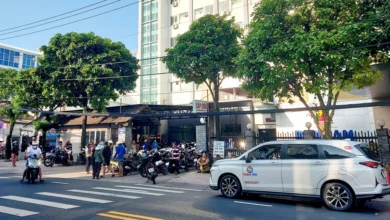
Recognizing that local on-site medical resources were insufficient to handle the mounting casualties, Scavi Hue Company leadership collaborated closely with local authorities and emergency medical services. Fleets of ambulances and emergency transport vehicles were mobilized to transfer the deteriorating workers to medical facilities. By late afternoon and continuing into the evening, the Central Hue Hospital Facility No. 2 (located in Phong Thai Ward) had become the primary hub for emergency admissions, receiving the vast majority of the symptomatic patients. Simultaneously, the Phong Dien District Medical Center recorded a significant influx of company employees presenting with matching clinical manifestations.
Emergency Medical Response and Patient Condition
The sheer volume of patients arriving within a compressed timeframe tested the preparedness of regional medical infrastructure. Central Hue Hospital Facility No. 2 immediately mobilized its emergency department, recalling off-duty medical personnel and establishing a dedicated triage protocol to handle the influx.
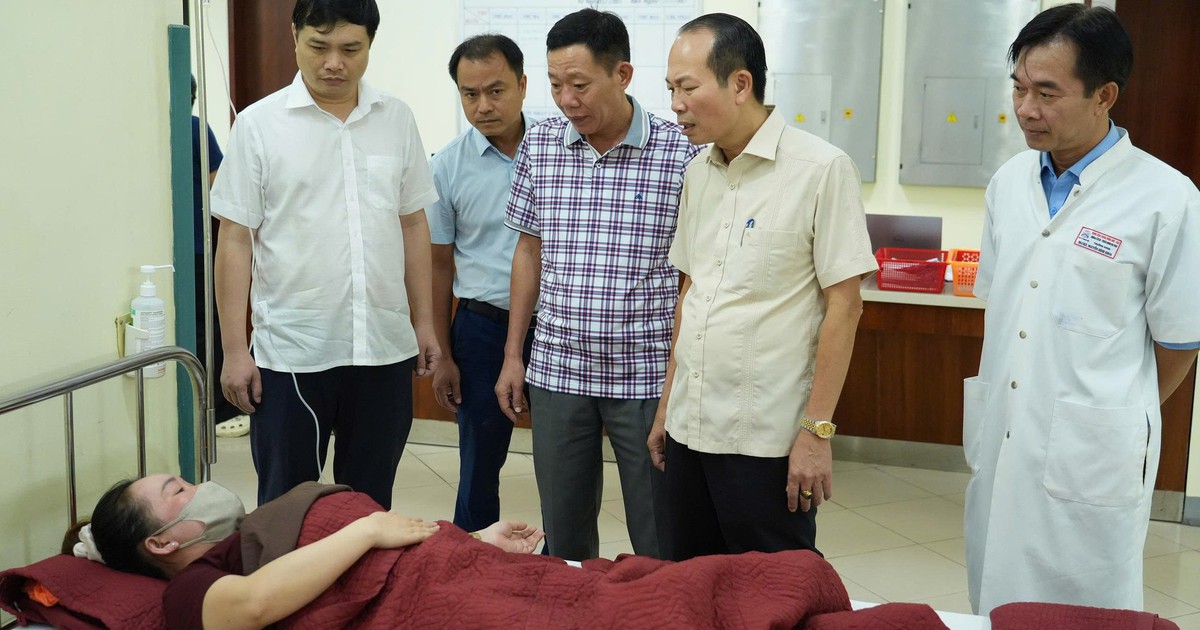
Upon arrival, patients were rapidly evaluated, categorized by symptom severity, and distributed across specialized departments, including the emergency ward and internal medicine divisions. Medical teams administered intravenous rehydration, antiemetic medications, and symptomatic relief treatments designed to stabilize acute dehydration and electrolyte imbalances resulting from severe vomiting and diarrhea.
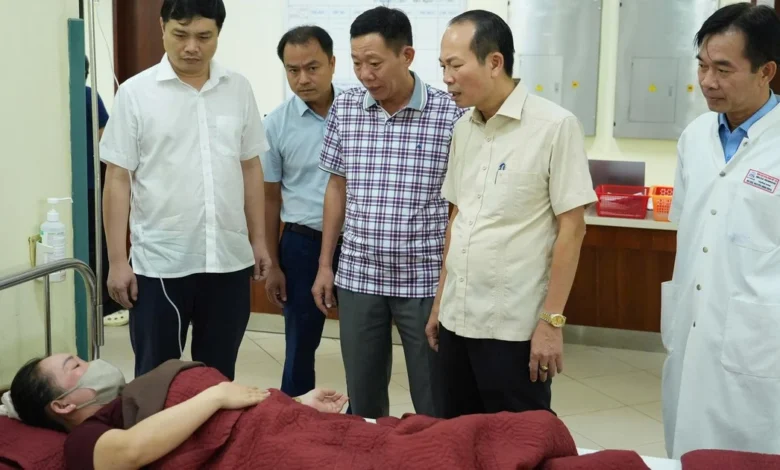
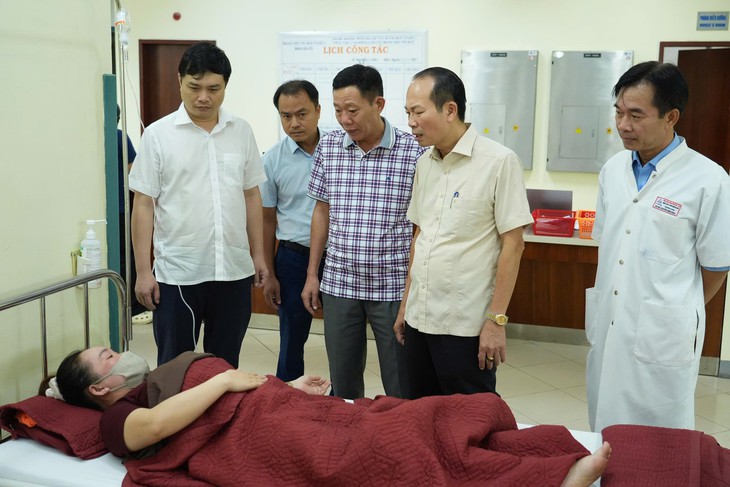
High-ranking municipal officials rushed to the hospital to oversee the emergency response and offer reassurance to the affected workforce. At approximately 11:00 p.m. on September 11, Mr. Ha Van Tuan, Vice Chairman of the Hue City People’s Committee, alongside Mr. Phan Quy Phuong, Head of the Hue City Economic and Industrial Zone Management Board, arrived at Central Hue Hospital Facility No. 2. Walking through the wards, the officials checked in on the recovering workers, reviewed treatment logs with attending physicians, and stressed the administration’s commitment to ensuring comprehensive medical care.
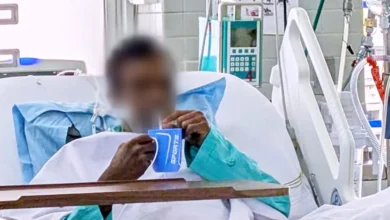
According to clinical assessments released by the hospital administration late Thursday night, the condition of the 95 hospitalized workers is currently stable. Attending physicians noted that while the initial presentation of symptoms was severe and alarming, timely intervention prevented rapid clinical deterioration. As of the latest medical bulletins, no critical cases or life-threatening developments have been recorded, and the majority of patients are responding positively to supportive therapy. However, medical staff continue to maintain rigorous 24-hour monitoring to intercept any potential secondary complications or delayed toxic reactions.
Investigating the Source: The Industrial Catering Supply Chain
As frontline medical personnel focus on patient recovery, epidemiological investigators from the Hue City Department of Health have launched a comprehensive traceback investigation to identify the definitive source of the pathogen or toxin. Public health inspectors are examining the intersection of food handling, storage, and preparation practices utilized by the facility’s contracted food service providers.
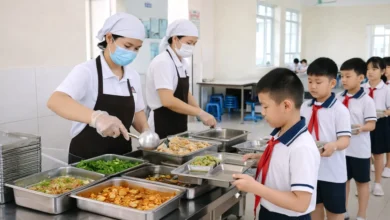
Interviews with plant management and industrial zone regulators revealed crucial operational details regarding the facility’s dining schedule. According to Mr. Phan Quy Phuong, Scavi Hue Company does not organize or provide centralized meals for its workforce during the morning or evening shifts. Instead, the company exclusively coordinates and sponsors communal lunch services for employees on a daily basis.
Consequently, epidemiological teams have trained their investigative focus squarely on the meals consumed during the lunch service on September 10. Food safety inspectors immediately impounded and collected leftover food samples, ingredient batches, and kitchen surfaces from the industrial canteen. These samples have been dispatched to state-certified laboratories for microbiological and toxicological analysis to isolate potential bacterial strains such as Salmonella, Escherichia coli, Staphylococcus aureus, or chemical contaminants.
Preliminary reports filed by the Hue City Department of Health identified the catering vendor responsible for supplying the midday meals to Scavi Hue Company as Hue Thanh Co., Ltd. (One Member Limited Liability Company). Investigators are currently auditing Hue Thanh Co., Ltd.’s supply chain, examining raw material sourcing, cold-chain storage integrity, kitchen hygiene standards, and the health certifications of food handlers on duty. Authorities have refused to speculate on whether the contamination stems from compromised ingredients, improper food preservation temperatures, or cross-contamination during preparation until laboratory assays are finalized.
Directive from Municipal Leadership: Accountability and Prevention
The scale of the incident prompted swift administrative directives from the municipal government of Hue City. Recognizing the profound socio-economic and public health implications of industrial food safety failures, city leaders issued strict mandates to all involved agencies.
During an emergency briefing following their hospital visits, Vice Chairman Ha Van Tuan instructed the Department of Health and affiliated regulatory bodies to maintain maximum mobilization. The leadership explicitly ordered Central Hue Hospital and the Phong Dien District Medical Center to prioritize patient care above all else, mandating continuous, rigorous observation of every admitted worker. The directive explicitly warned against premature discharges and demanded immediate escalation of care at the faintest sign of clinical regression.
Simultaneously, the Hue City Department of Health was tasked with spearheading a multi-agency task force—incorporating local police, economic zone managers, and municipal inspectors—to accelerate the epidemiological investigation. Authorities have been instructed to finalize laboratory analyses of food samples without delay, synthesize findings, and publicly disclose the root cause once verified. Furthermore, the health department has been directed to establish active epidemiological surveillance among the broader workforce at Scavi Hue Company. By screening non-hospitalized workers who may have consumed the same meals, health officials hope to capture subclinical cases, prevent secondary transmission, and ensure that no mildly affected employee goes unnoticed.
Broader Implications for Industrial Safety in Vietnam
The incident at Scavi Hue Company highlights the persistent vulnerabilities inherent in industrial mass-catering systems across Vietnam’s rapidly expanding manufacturing hubs. As industrial zones like Phong Dien continue to attract massive foreign and domestic investment—employing tens of thousands of workers daily—the logistics of safe food delivery remain a critical operational challenge.
Mass food poisoning events in industrial parks not only pose immediate humanitarian and healthcare crises but also disrupt regional supply chains, depress worker morale, and damage corporate reputations. Economists and labor rights advocates frequently emphasize that outsourced catering kitchens must be held to the highest regulatory standards, requiring unannounced inspections, stringent temperature controls, and mandatory traceability of all raw agricultural and livestock inputs.
The swift intervention by Hue City authorities reflects a growing zero-tolerance policy toward corporate negligence in food safety management. As the laboratory results from the September 10 lunch samples are awaited in the coming days, the findings are expected to set a legal and administrative precedent for accountability. Whether the outbreak is traced to a local supplier failure, refrigeration malfunction, or human error in food preparation, the incident serves as a stark reminder of the vital intersection between occupational health, food safety, and industrial productivity in modern Vietnam.