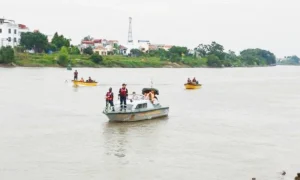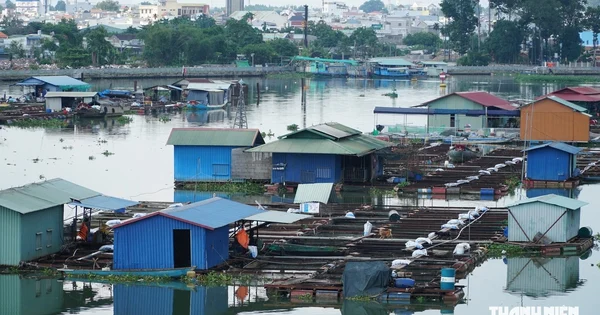
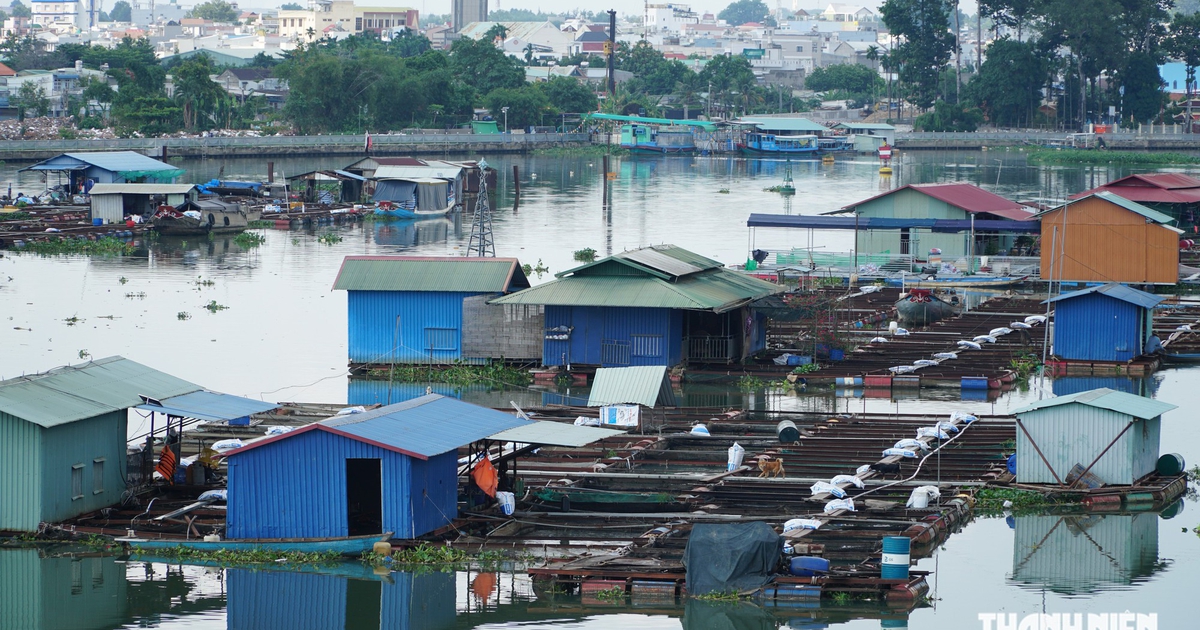
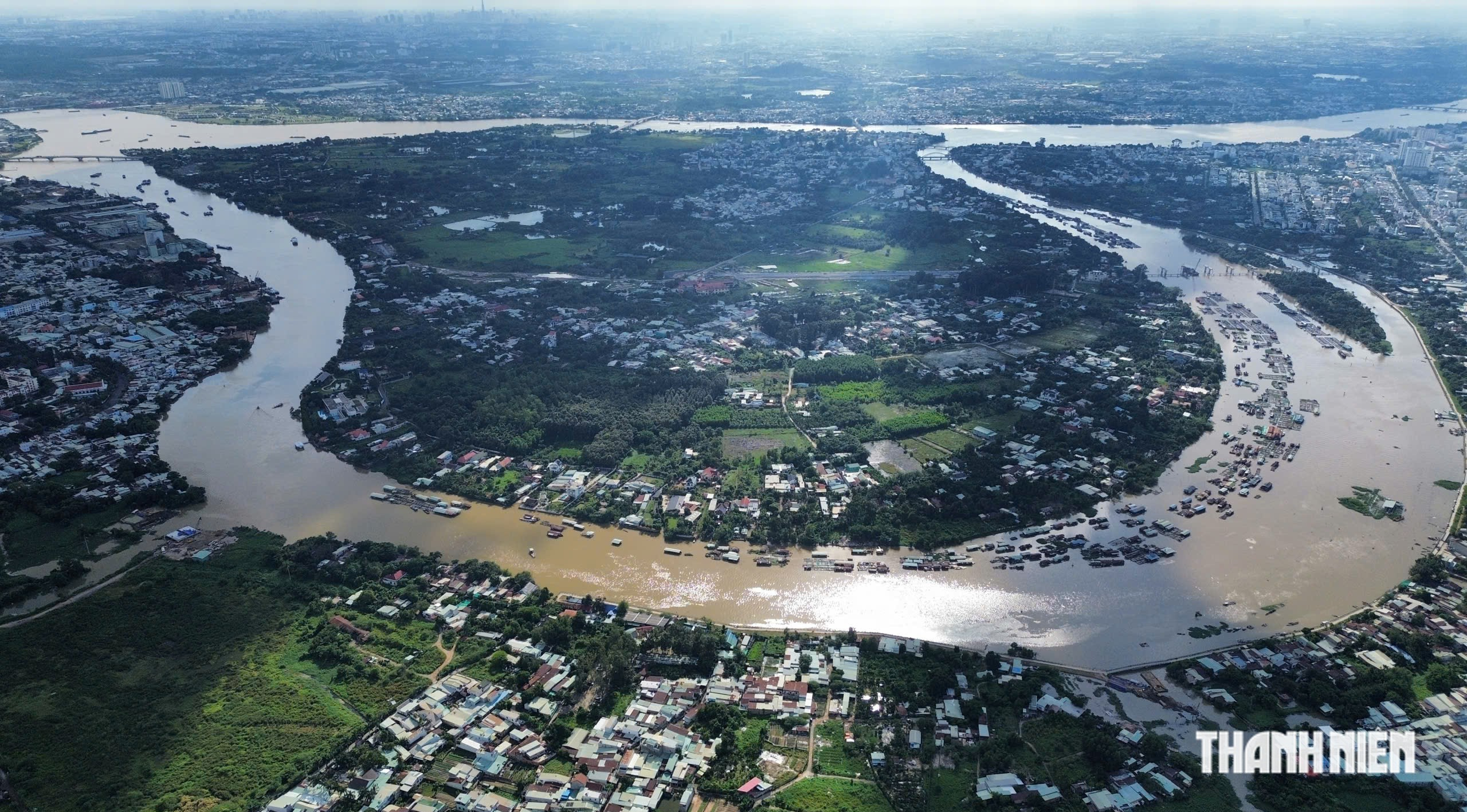
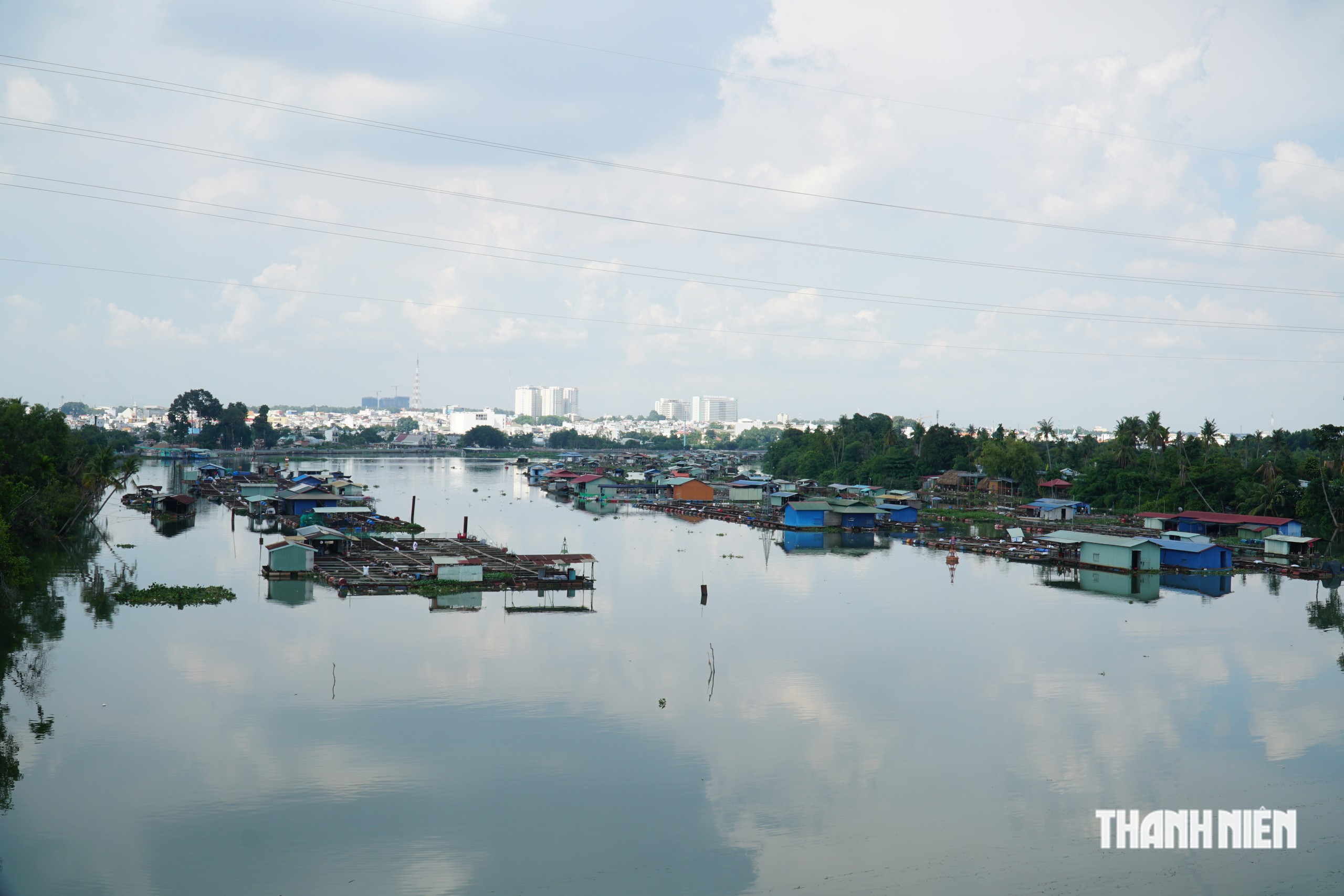
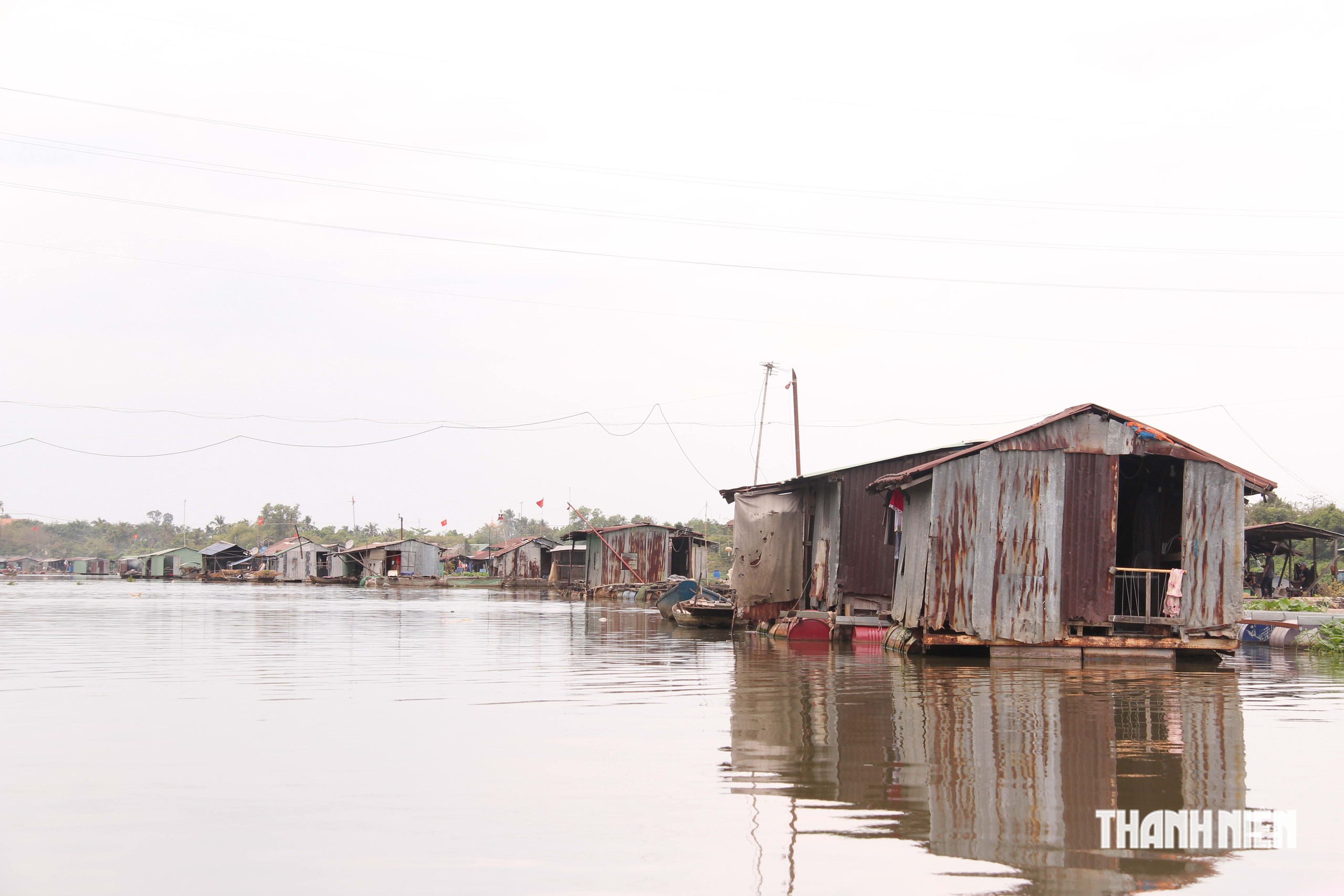
The urban landscape of Dong Nai is currently facing a significant environmental and logistical challenge as local authorities prepare for the systematic relocation of nearly 2,000 fish cages and rafts situated along critical river arteries. Spanning the heart of the city, these aquatic farming operations, maintained by 290 households, have long been a fixture of the local economy. However, as the city pushes for modernization, ecological preservation, and enhanced water safety, the presence of these structures has become a point of urgent policy intervention.
The Evolution of Riverine Aquaculture in Dong Nai
The aquaculture industry in Dong Nai, particularly in the wards of Tran Bien and Long Hung, was not a sudden development but rather a long-standing practice that evolved over decades. Historically, the rivers—specifically the Dong Nai and Cai rivers—provided a natural, nutrient-rich environment for small-scale subsistence farming. As demand for fresh aquatic products grew in the surrounding metropolitan areas, these small operations expanded into the dense, industrial-scale cage and raft networks observed today.
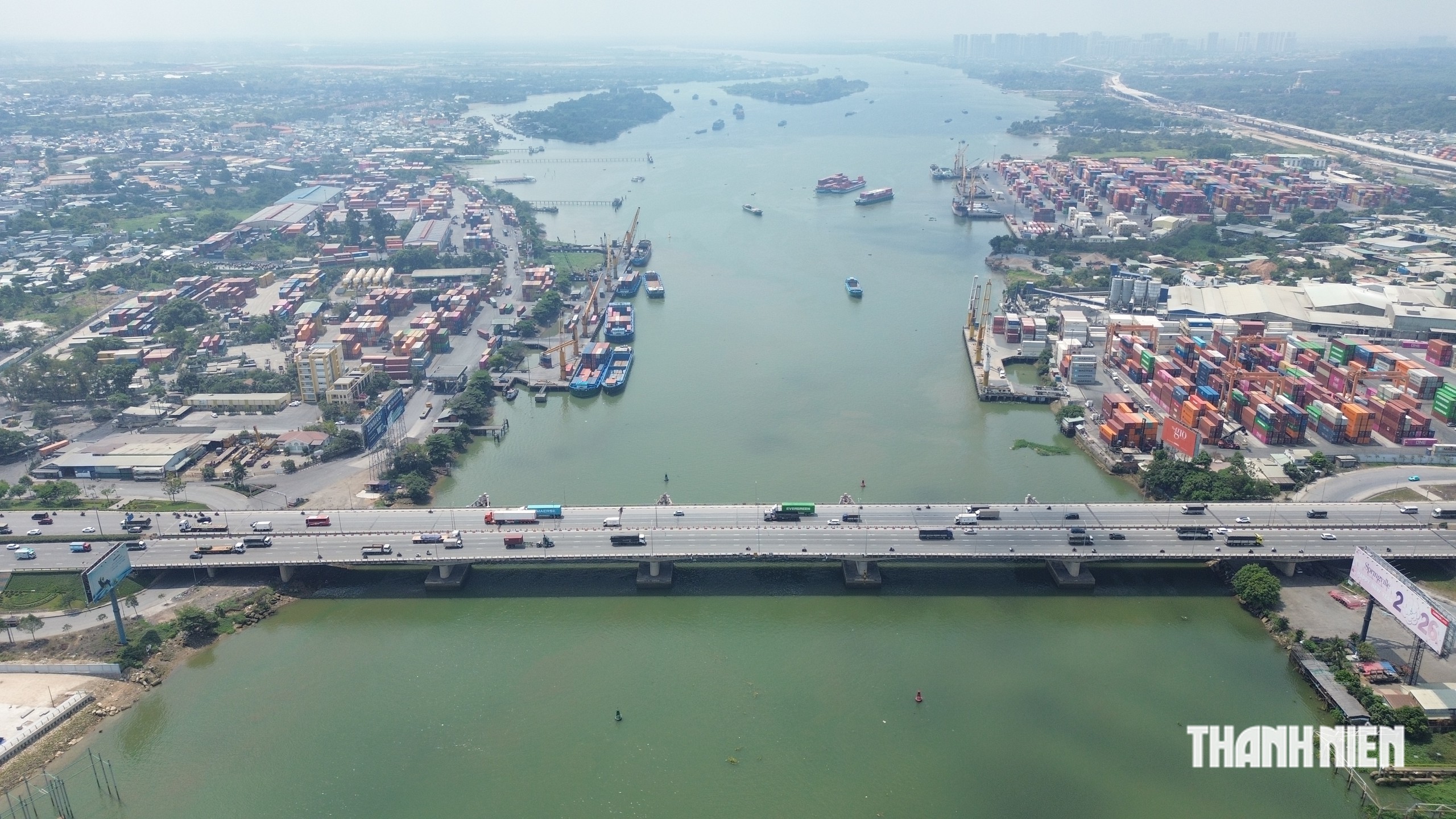
These rivers serve a dual purpose: they are essential transportation corridors and, more critically, the primary sources of raw water for millions of residents. The water drawn from these sections of the river is processed by the Dong Nai Water Supply Joint Stock Company and the Thu Duc Water Plant in Ho Chi Minh City. Consequently, the quality of the water is a matter of regional public health, necessitating a delicate balance between the livelihoods of the fish farmers and the safety of the municipal water supply.

Environmental and Urban Planning Concerns
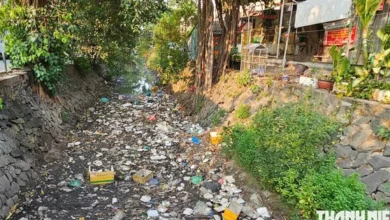
The Department of Agriculture and Rural Development of Dong Nai has identified the high density of these farming structures as a primary source of environmental degradation. The challenges are twofold: organic waste accumulation and the obstruction of natural water flow.
According to agricultural experts, the fish farming operations contribute significantly to the nitrogen and phosphorus loads in the river. Residual fish feed, which often sinks to the riverbed, and the metabolic waste generated by thousands of fish, create a high-risk environment for eutrophication. Recent reports have linked similar aquaculture conditions elsewhere to massive, unexplained fish die-offs, often caused by surges in ammonia (NH4) and nitrite (NO2) concentrations that far exceed safe regulatory limits.
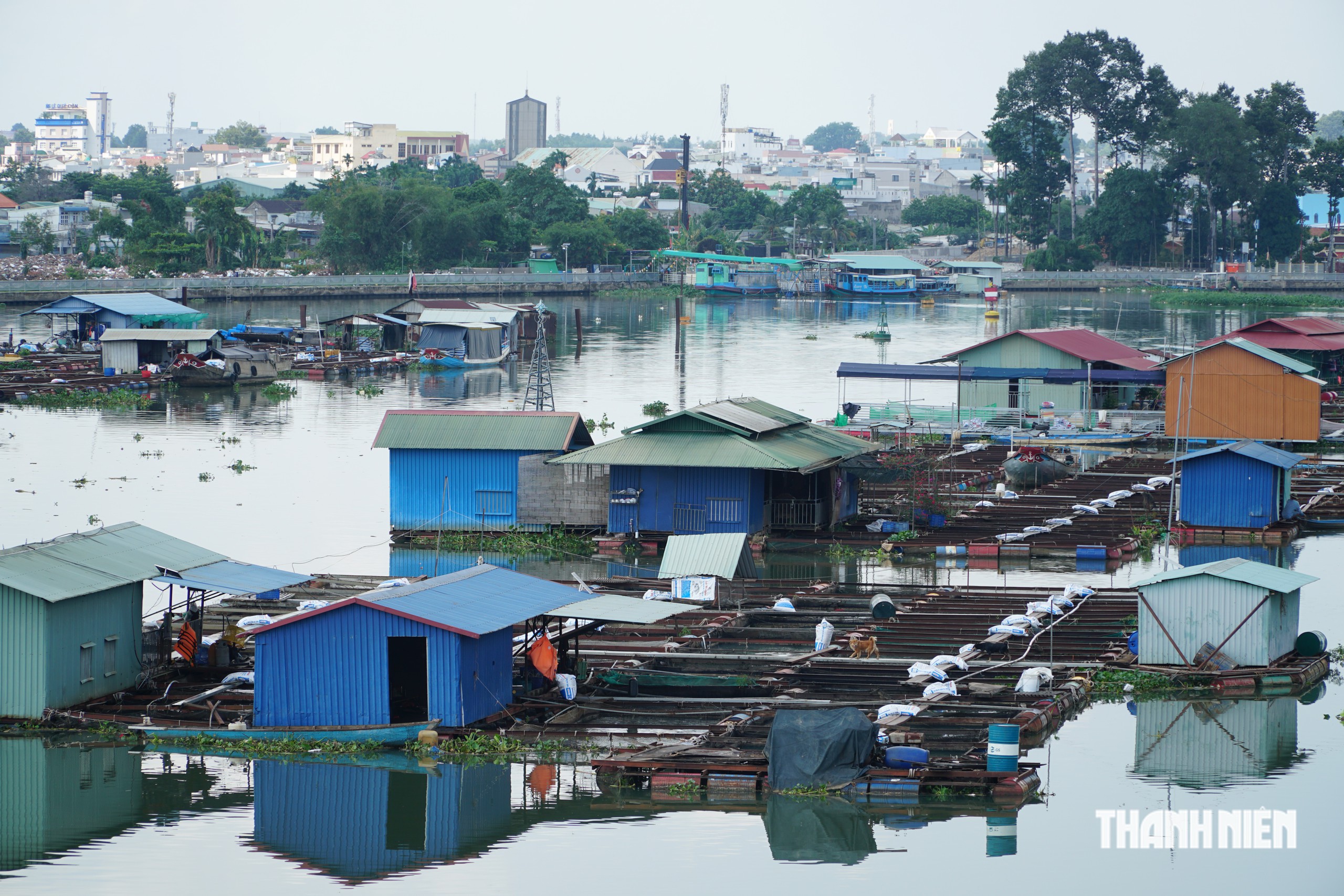
Beyond the immediate water quality issues, the physical presence of 2,000 cages and rafts presents a challenge to urban planning. The structures occupy space that is increasingly required for modern, orderly urban development. They interfere with the aesthetic of the riverfront, potentially hindering the development of tourism and recreational infrastructure. Furthermore, these clusters of rafts often impede navigation, posing risks to smaller vessels and complicating efforts to maintain clean, free-flowing waterways.
Chronology of Regulatory Action
The movement toward the current relocation plan follows a series of incremental policy shifts over the last several years.
- Early 2020s: Growing concerns regarding water quality led to preliminary studies on the impact of riverine aquaculture. Initial calls were made for improved waste management techniques, which saw limited compliance among smaller operators.
- 2023: A notable rise in water pollution incidents triggered more frequent inspections by provincial authorities. The environmental risks were formally documented as the population density of the fish farms reached its peak.
- Mid-2026: The Department of Agriculture and Rural Development, in coordination with city planning committees, formalized the plan to phase out the cages and rafts. This decision followed a comprehensive assessment of the environmental capacity of the river segments.
- September 2026: The current phase involves the development of a structured compensation and transition policy, marking the beginning of the end for the existing riverine cage network.
Official Response and Compensation Framework
The provincial government is currently in the process of drafting a comprehensive policy aimed at providing a soft landing for the 290 affected households. This process is complex, as it involves balancing strict environmental mandates with the socioeconomic realities of those whose livelihoods depend on the river.
The proposed policy framework focuses on three pillars:
- Financial Compensation: Fair market assessments of the value of the infrastructure being removed to ensure that farmers are not left in financial distress.
- Occupational Transition: Government-sponsored training programs to help families pivot to other forms of income, such as land-based agricultural ventures or service-sector jobs within the city’s expanding urban economy.
- Legal and Relocation Support: Providing assistance in identifying alternative, less sensitive locations for sustainable aquaculture or helping families transition into different sectors entirely.
The Department of Agriculture and Rural Development has emphasized that this is not merely a demolition project, but an urban renewal initiative. The goal is to build public consensus by demonstrating that the long-term benefits—a cleaner, safer water source and a modernized, attractive riverfront—outweigh the short-term disruption to traditional farming practices.
Broader Impact and Implications
The decision to relocate these fish farms carries significant implications for regional development. By reclaiming these sections of the river, Dong Nai is positioning itself for a new era of urban infrastructure.
From an ecological perspective, the reduction in organic waste is expected to lead to a measurable improvement in water quality, which will reduce the operational costs for water treatment plants serving the city and neighboring Ho Chi Minh City. This is a vital step toward ensuring long-term water security in a region facing the dual pressures of population growth and climate change.
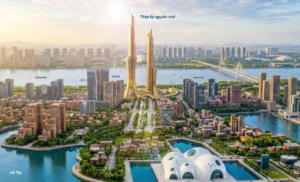
From an economic perspective, the clearing of the river is a prerequisite for broader development goals. Modernizing the waterfront allows for the expansion of public green spaces, improved river transport systems, and the potential for commercial development that can better serve the urban population.
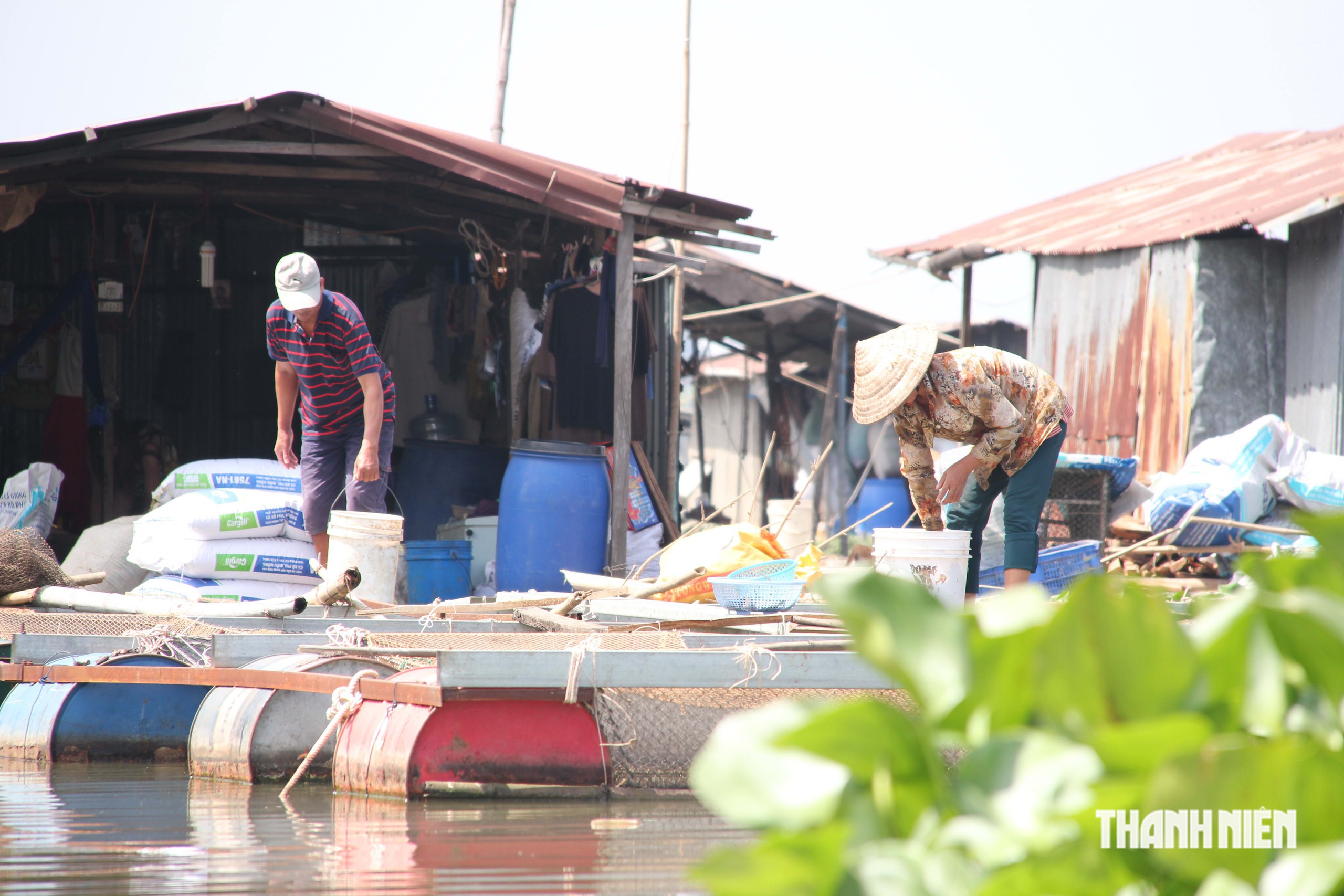
However, the human dimension remains the most critical aspect of this transition. The success of the government’s plan will ultimately depend on the effectiveness of the support mechanisms provided to the 290 households. If the transition is managed with transparency and empathy, it could serve as a model for how other cities in Vietnam can navigate the tension between traditional livelihoods and the requirements of a modern, sustainable urban environment.
The Path Forward
As the city moves toward the implementation phase, the focus will shift to monitoring the compliance of the farmers and the effectiveness of the transition programs. The government has signaled that it will prioritize a "civilized and modern" approach, avoiding forced evictions in favor of negotiated exits.
The successful clearance of the river segments in Tran Bien and Long Hung will be a bellwether for similar projects across the country. As the urban landscape of Dong Nai continues to evolve, the transition from an aquatic-dependent economy to a sustainable, service-and-technology-driven city represents the complex challenges faced by many rapidly developing urban centers in Southeast Asia. The coming months will be a critical test of whether the administration can successfully manage the shift while maintaining the social fabric of the affected communities.