The hazard of unintended pedal acceleration has emerged as one of the most critical vehicular safety concerns in contemporary transportation. Recent comprehensive data compiled by the Korea Transportation Safety Authority (TS) reveals a deeply alarming trend regarding driver error incidents, specifically focusing on the catastrophic confusion between the accelerator and brake pedals. According to the authority’s annual traffic safety review, out of 149 investigated accidents involving sudden, unexplained acceleration suspected to be driver-induced, a staggering 109 cases—accounting for 73.2% of the total—were officially confirmed to have originated directly from improper pedal manipulation.
This pressing issue is further illuminated by an exhaustive survey conducted by the Traffic Safety Research Institute, operating under the umbrella of Samsung Fire & Marine Insurance. The institute’s findings indicate that the frequency of traffic accidents linked directly to pedal misapplication has surged dramatically over a four-year window. Specifically, these incidents escalated from 66 cases recorded in 2021 to 153 cases by 2025, representing a formidable 2.3-fold increase. Even more harrowing is the catastrophic human toll associated with these mechanical errors. Fatalities resulting from pedal misapplication skyrocketed from 15 deaths to 51 deaths over the exact same period, marking a devastating 3.4-fold spike in mortality rates. Demographic breakdowns of the affected driver pools indicate that elderly motorists aged 60 and above account for 70.5% of all surveyed accidents, pointing toward an urgent need for targeted interventions aimed at aging populations.
Understanding Pedal Misapplication and the Rise of PMAPS
To combat this escalating crisis, regulatory bodies and automotive innovators in South Korea have aggressively championed the adoption of specialized technological safeguards designed to override human error. At the forefront of this technological defense is the Pedal Misapplication Prevention System (PMAPS). According to evaluations by the General Insurance Association (GCA) of Korea, PMAPS represents an advanced vehicle safety control framework engineered to autonomously mitigate the risks associated with accidental throttle actuation.
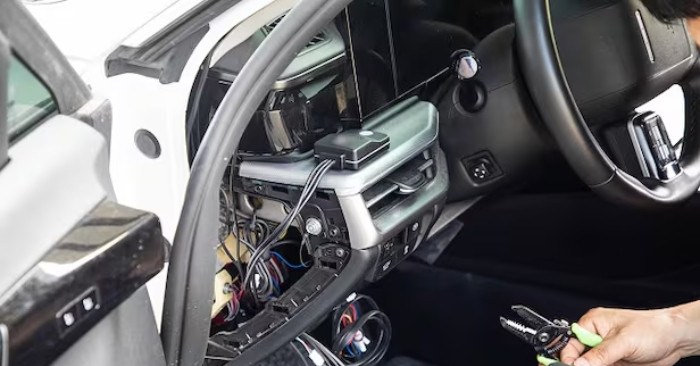
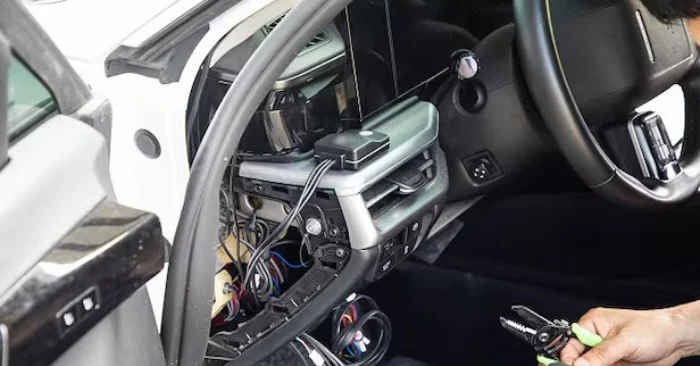
The architecture of a standard PMAPS installation typically incorporates a sophisticated array of components, including forward and rear-facing obstacle detection sensors, an electronic control unit (ECU), and an immediate multi-modal warning interface. In mat-type installations, highly sensitive sensors are strategically positioned along the front and rear bumpers or embedded within the footwell floor mats. When a vehicle is either stationary or operating at very low speeds, these sensors continuously scan the immediate vicinity for unexpected barriers, pedestrians, or stationary structures.
If the vehicle’s control sensors detect an obstruction in the direct path of travel and the driver inadvertently stomps down heavily on the accelerator pedal instead of the brake, the system initiates an immediate response. Within milliseconds, PMAPS issues a sharp audible warning chime accompanied by visual alerts on the dashboard instrument cluster. Simultaneously, the system overrides the driver’s input by forcefully cutting down engine power output and applying targeted braking pressure, effectively preventing the vehicle from surging forward or backward into obstacles, pedestrians, or other cars.
Chronology of Regulatory Action and Government Intervention
The South Korean government, alongside municipal authorities across the nation, has progressively shifted its strategy from passive safety education to mandatory technological enforcement. Recognizing that mere warnings are insufficient to curb the rising tide of pedal-error fatalities, state agencies have implemented a structured roadmap to integrate anti-misapplication technology across both commercial and private fleets.
Initial steps involved voluntary trial programs targeting vulnerable driver segments. The Ministry of Land, Infrastructure and Transport (MOLIT), in close collaboration with the Korea Transportation Safety Authority, launched targeted initiatives to subsidize and install PMAPS technology on thousands of commercial vehicles. Specifically, municipal programs prioritized the retrofitting of 3,260 taxis and small commercial trucks operated by drivers aged 65 and older.
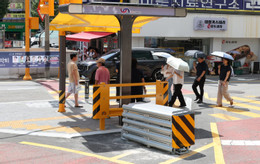
Building upon the success of these preliminary trials, the South Korean government announced a decisive long-term regulatory framework. Beginning in 2029, South Korea plans to make the installation of pedal misapplication prevention systems a mandatory requirement for all newly manufactured passenger cars and small commercial vehicles entering the domestic market. This landmark policy shift underscores a decisive institutional transition from post-accident fault attribution to proactive technological prevention, establishing a new global benchmark for automotive safety legislation.
Financial Incentives: Insurance Industry Alignment
In tandem with government mandates, South Korea’s major property and casualty insurance companies have mobilized to accelerate the adoption of anti-misapplication devices through innovative financial structures and premium reduction schemes. Recognizing that preventing accidents directly correlates with reduced claim payouts, insurers have introduced specialized policy discounts for vehicles equipped with advanced safety technologies.
Pioneering this financial incentive model, Hanwha General Insurance introduced the industry’s first special discount clause in April of the previous year. Under this program, vehicle owners receive a 5% reduction on their annual auto insurance premiums if their automobiles are equipped with approved pedal misapplication prevention technology—such as the "Dr. Safe" system officially approved by MOLIT—either as standard factory equipment or through authorized option packages at the time of purchase.
The momentum gathered further pace when Hyundai Marine & Fire Insurance significantly expanded its safety discount portfolio. Effective August 21, the insurer broadened its "Special Discount for Advanced Safety Equipment" framework from seven to eight distinct categories by formally incorporating pedal misapplication support systems into its eligibility criteria. Depending on the precise combination of safety equipment, vehicle classification, and manufacturing year, policyholders can secure insurance premium reductions of up to 24.1%.
While these substantial discounts apply broadly to systems encompassing lane departure warnings, forward collision alerts, intelligent cruise control, and anti-misapplication devices, insurers enforce strict criteria. Premium reductions are strictly limited to technologies installed as standard factory equipment or selectable options at the initial point of vehicle delivery. Retrofitted devices installed after the vehicle has been purchased and registered do not currently qualify for these specific financial incentives.
Broader Implications and Future Outlook
The convergence of strict government regulation, technological innovation, and proactive insurance discounting signals a transformative era for road safety in South Korea. Industry analysts point out that by leveraging financial mechanisms to encourage the widespread adoption of crash-mitigation technology, stakeholders can effectively drive down accident rates while simultaneously improving the loss ratios of auto insurers.
Furthermore, these financial incentives enhance market competitiveness for insurance providers while providing tangible economic relief to motorists who invest in advanced safety features. As policy frameworks continue to evolve and technological integration deepens, the collective effort to eliminate pedal misapplication accidents serves as a vital model for international transportation safety regulators worldwide. By addressing the root mechanical vulnerabilities amplified by human error and cognitive fatigue among aging demographics, South Korea is systematically redefining the future of urban and highway safety.