Navigating the Four Regulatory Filters: Why Mekong Delta Agricultural Exports Face Heightened Standards in China

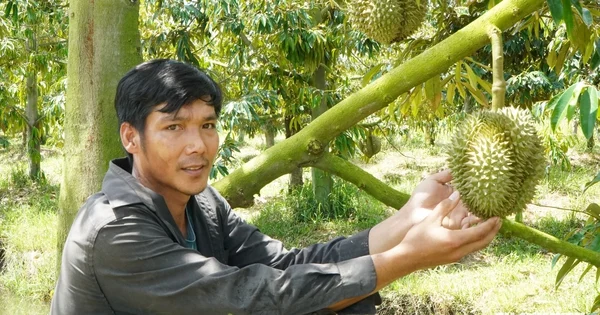
The Mekong Delta, historically recognized as the vibrant agricultural powerhouse of Vietnam, is currently confronting a pivotal structural transformation in its export landscape. On September 18, the Vietnam-China Trade, Investment, and Tourism Promotion Forum 2026 convened in Can Tho City under the theme "Promoting the Role of the Mekong Delta in Smart Supply Chain Linkages – Driving Green Trade – Creating New Growth Drivers." Amidst gathering business leaders, agricultural economists, and government officials from both nations, a stark reality emerged: the era of informal border trade and lenient quality thresholds has officially come to a close.
According to industry leaders attending the forum, exporting agricultural goods from the Mekong Delta to China—historically Vietnam’s largest consumer market—requires navigating four stringent regulatory filters. As Chinese consumer preferences shift toward high-end, sustainable, and safe products, regional producers and exporters must profoundly restructure their supply chains to maintain international competitiveness.
The Shifting Landscape of the China-Vietnam Agricultural Trade
For decades, China has served as the primary destination for Vietnamese fruits and vegetables, consistently absorbing between 60% and 70% of the sector’s total export turnover. However, the traditional cross-border trade model, frequently characterized by informal transactions and minimal traceability, is no longer viable.
During the Can Tho forum, Dang Phuc Nguyen, General Secretary of the Vietnam Fruit and Vegetable Association (Vinafruit), emphasized that the Chinese market has evolved past the era of casual trade. The neighboring superpower has established a comprehensive apparatus of rigorous technical barriers that Vietnamese agricultural goods must successfully clear. This shift reflects broader domestic policy changes within China, which is systematically upgrading its food safety infrastructure and enforcing stringent import compliance measures.
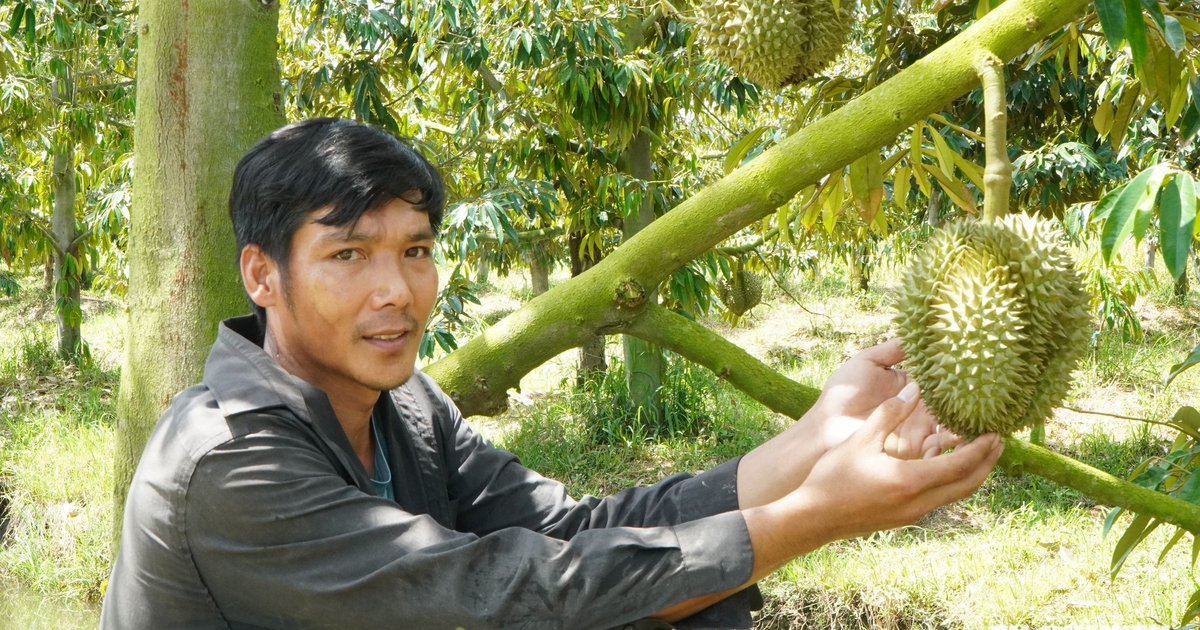
To adapt to this dynamic, stakeholders across the Mekong Delta are being urged to treat these regulatory hurdles not merely as obstacles, but as strategic catalysts for long-term modernization. The transition requires a synchronized effort spanning cultivation, harvesting, processing, and green logistics.
The Four Regulatory Filters Transforming Agricultural Exports
The structural challenges facing Mekong Delta exporters are formally categorized by industry experts into four distinct regulatory and market filters imposed by Chinese authorities.
1. Legal Standardization and Customs Clearance via GACC
The first and most fundamental filter involves rigorous legal compliance and clearance procedures managed by the General Administration of Customs of China (GACC). Exporters are required to register production and processing facility codes, as well as growing area codes, with absolute precision.
Any infraction involving quarantine pests or biological contaminants immediately triggers severe administrative penalties. These range from temporary suspensions of import privileges to the permanent blacklisting of entire facility or regional codes. Consequently, local authorities and cooperatives must tighten oversight at the farm level to ensure zero tolerance for quarantine breaches.
2. Strict Control of Maximum Residue Limits and Food Safety
Beyond administrative registration, Chinese authorities have intensified oversight regarding chemical residues and general food safety. Regulatory frameworks governing maximum residue limits (MRLs) for plant protection products, heavy metals, and chemical preservatives have grown increasingly stringent.

In many product categories, Chinese standards now closely mirror or match those enforced in the European Union, the United States, and Japan. Exporters failing to adopt advanced integrated pest management (IPM) practices find their shipments routinely rejected at major ports of entry.
3. The Pivot Toward Green Consumption and Total Traceability
Parallel to official customs regulations, consumer demand within China’s tier-one and tier-two cities is undergoing a profound transformation. Modern Chinese consumers increasingly demand organic produce, ecologically cultivated goods, and absolute transparency regarding product origins.
Market acceptance is now heavily dictated by internationally recognized certifications such as GlobalGAP and VietGAP, alongside dynamic QR codes that allow buyers to trace supply chains from the farm gate all the way to harvesting and packaging stages. Produce lacking robust traceability data is increasingly marginalized in major urban distribution networks.
4. Integration of Net Zero and Green Logistics Strategies
The final regulatory and market filter stems from China’s accelerating commitment to carbon neutrality and sustainable development. As part of its broader green transition policies, major Chinese importers are beginning to prioritize supply chains that utilize green logistics, demonstrate minimized carbon footprints, and implement environmentally friendly packaging solutions.
This macro-level environmental strategy means that agricultural exporters from the Mekong Delta must eventually factor carbon accounting and sustainable transport infrastructure into their export models to remain competitive against rival suppliers in Southeast Asia.
Strategic Imperatives for the Mekong Delta Agricultural Sector
In response to these tightening requirements, agricultural economists and industry associations have outlined a comprehensive blueprint for restructuring the Mekong Delta’s agricultural production framework. The proposed strategy revolves around three core pillars designed to establish a formalized "green production map":
- Restructuring and Zoning: Reorganizing specialized cultivation zones based on real-time international market signals to prevent oversupply and ensure uniform quality standards.
- Low-Emission and Ecological Cultivation: Transitioning farming practices toward low-emission, climate-resilient, and ecologically safe agricultural methods that minimize chemical inputs.
- Standardized Harvesting and Packaging: Standardizing post-harvest handling, cold-chain preservation, and resource-efficient packaging to preserve freshness and meet international sanitary benchmarks.
Furthermore, industry leaders stress the urgent need to accelerate the official diplomatic and technical negotiations required to open official export channels for high-potential specialty fruits and vegetables from the Mekong Delta—such as custard apples, wax apples, plums, and specific citrus varieties. Simultaneously, rigorous domestic post-market surveillance and stricter enforcement mechanisms against code violations are essential to protect the overarching reputation of Vietnamese agricultural brands abroad.
Broader Economic Implications and Future Outlook
The tightening of China’s import standards carries profound implications for Vietnam’s macroeconomic stability and agricultural labor force. Agriculture remains a cornerstone of the Mekong Delta’s economy, employing millions of farmers and rural workers. While the immediate compliance costs associated with upgrading to GACC standards, securing GlobalGAP certifications, and implementing traceability systems may pose financial burdens for smallholder farmers, the long-term benefits are substantial.
By moving away from informal, high-risk trade channels toward fully standardized, official export pathways, the region insulates itself against sudden border closures and logistical bottlenecks. This institutional maturation encourages greater foreign and domestic investment in agricultural processing technology, cold-chain logistics, and rural infrastructure.
Ultimately, the transformation of the Chinese market should not be viewed solely as a contraction of export opportunities, but as an indispensable turning point. By systematically clearing these four regulatory filters, the Mekong Delta is forced to shed outdated practices, elevate the intrinsic value of its commodities, and secure a resilient, sustainable foothold in the global agricultural economy of the future.