United States and Denmark reach landmark security agreement over Greenland to solidify Arctic presence

In a significant realignment of Arctic security architecture, United States President Donald Trump announced on September 18, 2026, that Washington has successfully finalized a strategic security agreement with the governments of Denmark and Greenland. The deal, which President Trump described as a historic milestone, effectively grants the United States broad operational control over airspace and defense infrastructure on the island, marking a definitive victory for American influence in the High North. This agreement serves as a major diplomatic achievement, securing a permanent military footprint in a region of increasing geopolitical competition.
The Framework of the Agreement
The core of the accord represents a comprehensive update to the 1951 Defense of Greenland Agreement, which has long served as the legal foundation for U.S. operations in the region. According to senior administration officials, the new framework provides the United States with expanded access to critical infrastructure, the ability to establish new military installations, and indefinite rights to manage regional air defense systems.
Crucially, the agreement is structured to be cost-effective for the American taxpayer, leveraging existing infrastructure while allowing for the rapid expansion of facilities. President Trump noted that the deal effectively addresses long-standing American security anxieties regarding the vulnerability of the Arctic, ensuring that the U.S. has the necessary oversight to counter the interests of rival powers.
Analysts familiar with the document suggest the agreement is designed to be "future-proof." Even in scenarios where Greenland might seek greater autonomy or statehood, the security clauses remain binding, ensuring that U.S. military interests are protected regardless of the island’s domestic political evolution. Furthermore, the agreement empowers Washington with veto-like authority regarding third-party military developments or high-stakes foreign investments on the island, creating a robust barrier against external encroachment.
A Chronology of Diplomatic Efforts
The road to this agreement was neither short nor simple. It was the culmination of months of intensive, high-level diplomatic maneuvering that began in early 2026. The shift in momentum can be traced back to January, when a high-level delegation—including Vice President JD Vance and Secretary of State Marco Rubio—conducted a series of private meetings with Danish officials and Greenlandic leadership.
The objective was to move beyond the friction that characterized U.S.-Greenland relations in 2019, when the initial proposal to purchase the island sparked a diplomatic firestorm within NATO. Following the January summit, a "High-Level Working Group" was established to reconcile the competing interests of all three parties.
By February, during the World Economic Forum in Switzerland, President Trump hinted at a forthcoming "framework for future cooperation," signaling that the diplomatic impasse was beginning to break. Throughout the spring and summer, multiple rounds of technical discussions and security dialogues took place, culminating in the formal agreement signed on the sidelines of the United Nations General Assembly in September.
Strategic Significance of the High North
Greenland’s geography is its most significant asset. With a population of approximately 57,000, the island sits at a critical intersection between North America and Europe, acting as a natural corridor for trans-Arctic transit. As the Arctic ice cap continues to retreat due to changing climatic conditions, new, shorter maritime shipping routes are emerging, linking Asia and Europe in record time.
Beyond the shipping lanes, Greenland is a repository of vast, untapped mineral wealth, including rare earth elements essential for modern technology and defense manufacturing. For Washington, the presence on the island is not merely about conventional defense; it is about securing the supply chains of the future.
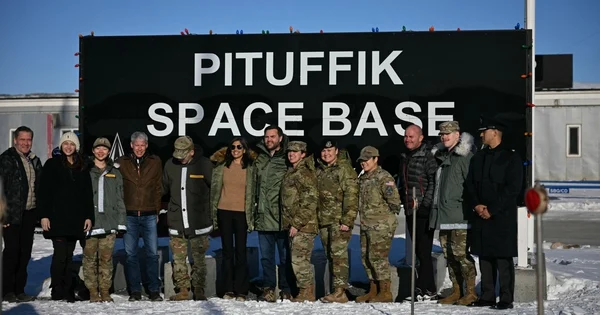
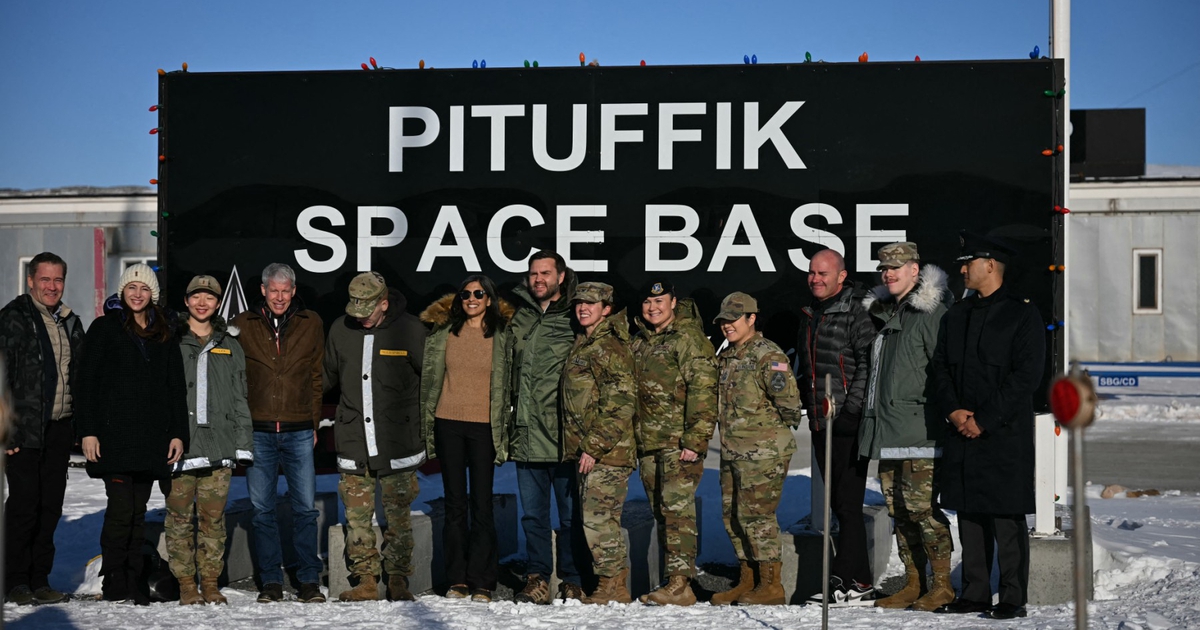
The U.S. has maintained a presence at the Pituffik Space Base (formerly Thule Air Base) since the Cold War era. However, the new agreement upgrades this facility into a central node for the U.S. early-warning network and missile defense architecture. By anchoring its presence in Greenland, the U.S. effectively creates a "shield" against long-range missile threats, which are increasingly using polar trajectories to bypass traditional defense systems.
Official Responses and Regional Perspectives
The response from Copenhagen and Nuuk has been one of cautious pragmatism. Danish Prime Minister Mette Frederiksen emphasized that the agreement serves to reinforce the collective security of the Western alliance.
"This agreement recognizes the sovereignty and territorial integrity of Denmark and Greenland, while simultaneously acknowledging the democratic rights of the people of Greenland," Prime Minister Frederiksen stated in a press briefing following the announcement. She underscored that the deal was crafted to be mutually beneficial, balancing Greenland’s desire for international cooperation with Denmark’s commitments to NATO.
Jens-Frederik Nielsen, a prominent leader in the Greenlandic government, noted that the deal represents a positive step toward integrating Greenland into the international security architecture. "We have secured a seat at the table," Nielsen said. "The agreement acknowledges Greenland’s role as a vital player in the High North, ensuring that our interests are protected within a stable, international framework."
Geopolitical Implications and Analysis
The finalization of this security deal has far-reaching implications for the Arctic region. For the United States, it provides a much-needed strategic win, signaling that the U.S. remains the primary security guarantor in the North Atlantic.
However, the agreement also highlights the changing nature of 21st-century diplomacy. Rather than relying on the blunt instrument of land acquisition, as was proposed in 2019, the current administration utilized a more nuanced approach, focusing on long-term infrastructure rights and military access. By securing these rights, the U.S. has effectively neutralized the possibility of hostile foreign military bases being established on the island, a concern that has been a point of contention for years.
The timing of the announcement—coming just weeks before the November elections—is also of note. For the administration, the deal serves as a tangible demonstration of "peace through strength," providing a clear, long-term strategic vision for the Arctic that is expected to resonate with voters concerned about national security.
Challenges and Future Outlook
Despite the celebratory tone, the implementation of the agreement faces significant logistical and political hurdles. The agreement requires formal ratification by the legislative bodies in both Denmark and Greenland. While the central governments are in alignment, regional political factions may still raise concerns regarding the impact of increased military activity on the island’s delicate environment and its indigenous population.
Furthermore, the environmental cost of expanding military infrastructure in the Arctic is a subject of ongoing debate. Ensuring that new construction adheres to strict sustainability standards will be a priority for the Greenlandic government, which has been vocal about protecting its unique natural heritage.
Ultimately, the agreement signals that the Arctic is no longer a peripheral theater of operations but a central stage for global power dynamics. As competition for resources and transit routes intensifies, the U.S. move to solidify its position in Greenland marks the beginning of a new era of Arctic engagement. By successfully navigating the complex web of transatlantic diplomacy, the United States has ensured that it will remain the dominant security actor in the region for the foreseeable future.
The success of this deal will likely serve as a blueprint for how the U.S. approaches other strategic partnerships in the coming decade, prioritizing long-term security access over territorial control, and emphasizing diplomatic consensus to achieve hard-power objectives. As the world watches the shifting ice of the North, the U.S. has firmly planted its flag, ensuring that its strategic interests remain as permanent as the landscape itself.