Six individuals including four in-laws prosecuted for disruptive livestream at Lac Viet Friendship Hospital

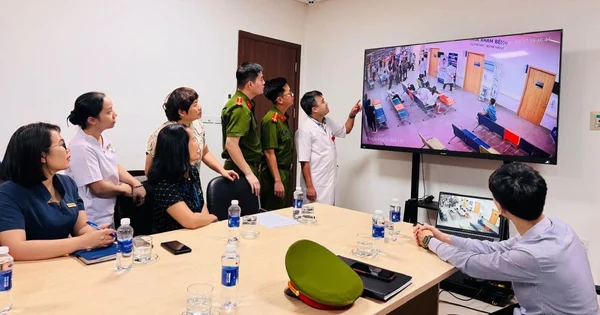
In a case that has sent shockwaves through the Vietnamese legal and social media landscape, the Phu Tho Provincial Police have officially initiated criminal proceedings against six individuals linked to a disruptive livestream at the Lac Viet Friendship Hospital. The incident, which took place in Vinh Phu Ward, Phu Tho Province, serves as a stark warning regarding the legal repercussions of spreading misinformation and inciting public disorder via digital platforms.
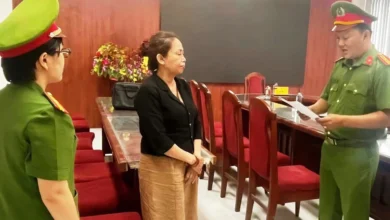
Among the six defendants charged with "disturbing public order" are Nguyen Khac Hung (50), Nguyen Thi Minh Nguyet (47), Tran Thi Oanh (43), Dang Van Hinh (51), Tran Xuan Chien (52), and Tran Thi Thao (48). Perhaps most notably, this group includes the parents and in-laws of a 27-year-old woman identified as N.T.N.A., whose initial false claims triggered the entire sequence of events.
The Genesis of the Conflict
The crisis began when N.T.N.A. was taken by her family to the Central Obstetrics and Gynecology Hospital in Hanoi for a medical examination. Following a series of clinical tests and diagnostic evaluations, medical professionals at the facility confirmed that she was not pregnant. Despite this clear medical assessment, N.T.N.A. later claimed to her family members that she had visited the Lac Viet Friendship Hospital, where she alleged that a doctor told her, "the fetus has died and must be removed."
Acting upon these unverified and false claims, the family—led by her father, Nguyen Khac Hung—descended upon the Lac Viet Friendship Hospital. What began as an emotional family confrontation quickly devolved into a public disturbance. Using a personal Facebook account, members of the family initiated a livestream broadcast. During the broadcast, they used profane language, leveled unsubstantiated accusations against the medical staff, and openly disrupted the hospital’s daily operations.
Chronology of the Disruption
The situation escalated rapidly on the day of the incident. The livestream, which remained active for a significant duration, attracted massive online engagement, recording approximately 17,000 interactions, comments, and shares. The broadcast effectively paralyzed the hospital’s reception area, as onlookers and hospital staff were forced to contend with the aggressive behavior of the group.
The disruption was not merely a physical confrontation; it was a digital assault on the hospital’s reputation. As the livestream gained traction, thousands of viewers participated in the comment sections, many of whom joined in with vitriolic and defamatory remarks. The hospital, which was attempting to maintain its standard medical services, found its environment compromised, leading to a significant loss of operational efficiency and a severe blow to its professional image.
Official Police Response and Legal Charges
Major General Nguyen Minh Tuan, Director of the Phu Tho Provincial Police, emphasized the gravity of the situation during a press briefing. He described the case as an unprecedented legal development in Vietnam, noting that it provides a cautionary lesson for the public regarding the dangers of reckless social media usage.
"This is a case of significant societal concern," Tuan stated. "When two sets of in-laws and multiple family members face criminal charges simply because of a single, unchecked, and impulsive livestream, it highlights the severe consequences of failing to verify information before sharing it with a public audience."
The police have officially filed charges under Article 318 of the Penal Code, which pertains to the disruption of public order. The investigation is currently in an advanced stage, with authorities systematically reviewing digital evidence. Investigators are analyzing approximately 700 social media accounts that actively shared or commented on the original livestream. Many of these accounts engaged in behaviors that constituted defamation and contributed to the harassment of hospital staff, which may lead to further legal actions.
The Broader Impact of Digital Misinformation
The incident at Lac Viet Friendship Hospital serves as a microcosm of a larger, systemic problem in the digital age: the rapid spread of "infodemics" and the weaponization of social media to resolve private disputes. By broadcasting their grievances in a public, digital forum without verifying the medical facts, the defendants transformed a personal, albeit misguided, family issue into a public crime.
The implications of this case extend beyond the individuals involved. It underscores a shift in how law enforcement in Vietnam views online behavior. The authorities are increasingly viewing social media platforms as extensions of the public square, where the same standards of conduct and legal accountability apply as they do in physical locations.
Furthermore, the case has ignited a national conversation regarding the protection of medical professionals. Hospitals are places of high stress and sensitive operations; when external parties use digital platforms to incite hatred against medical staff, the consequences can be life-threatening for patients who require an environment of calm and precision.
Regulatory and Ethical Considerations
Legal experts point out that the defendants’ actions may also fall under the scope of Decree 174/2013/ND-CP, which regulates the handling of administrative violations in the fields of post, telecommunications, information technology, and radio frequencies. However, the decision to elevate the case to criminal proceedings indicates that the police are focusing on the tangible harm caused to public order and the defamation of the medical institution.
The ongoing investigation is also looking into the role of the online community. With hundreds of accounts having participated in the harassment, the police have indicated that all individuals involved in the dissemination of defamatory content will be summoned for questioning. The objective is to identify the instigators and those who knowingly propagated false information, ensuring that they are held accountable under the law.
Future Implications for Social Media Users
As the legal process unfolds, the case of the six defendants in Phu Tho will likely serve as a benchmark for future digital conduct. The incident serves as a stern reminder that:
- Verification is Mandatory: Information, especially claims regarding medical or legal matters, should never be broadcast without professional verification.
- Digital Consequences are Real: Posting on social media does not grant immunity from legal repercussions. Words spoken during a livestream have the same weight as words spoken in a public street.
- Institutional Reputation: Defaming an organization, particularly a medical facility, carries both civil and criminal risks, as the damage to the institution’s ability to serve the public is considered a direct harm to the community.
As of the latest reports, the Phu Tho Provincial Police are continuing to consolidate the case file, gathering evidence from digital footprints to ensure a robust prosecution. For the six defendants, the realization of the legal gravity of their actions—motivated by a lack of emotional regulation and a failure to verify the truth—is a bitter lesson that will likely influence how information is handled in the public domain for years to come.
This case stands as a landmark example of how the intersection of misinformation, social media connectivity, and the traditional justice system is evolving. The courts will now have the final say in determining the appropriate sentencing, but the message from the authorities is clear: the digital age is not a lawless frontier, and the sanctity of public institutions remains a priority that the state will defend with the full weight of the law.