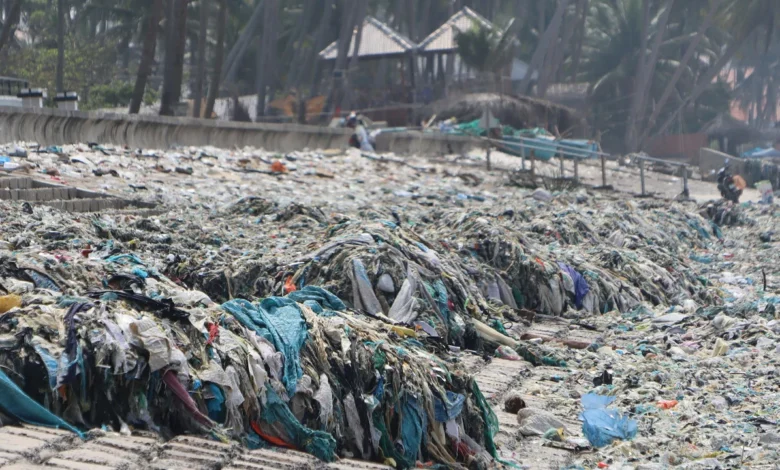
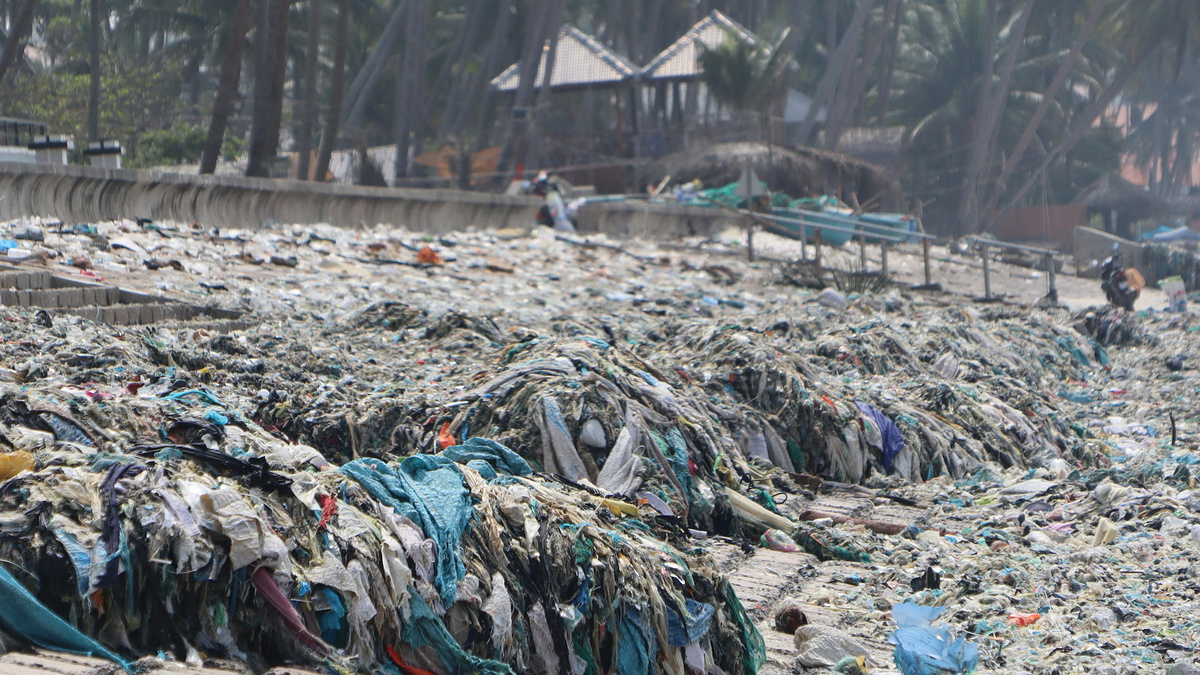
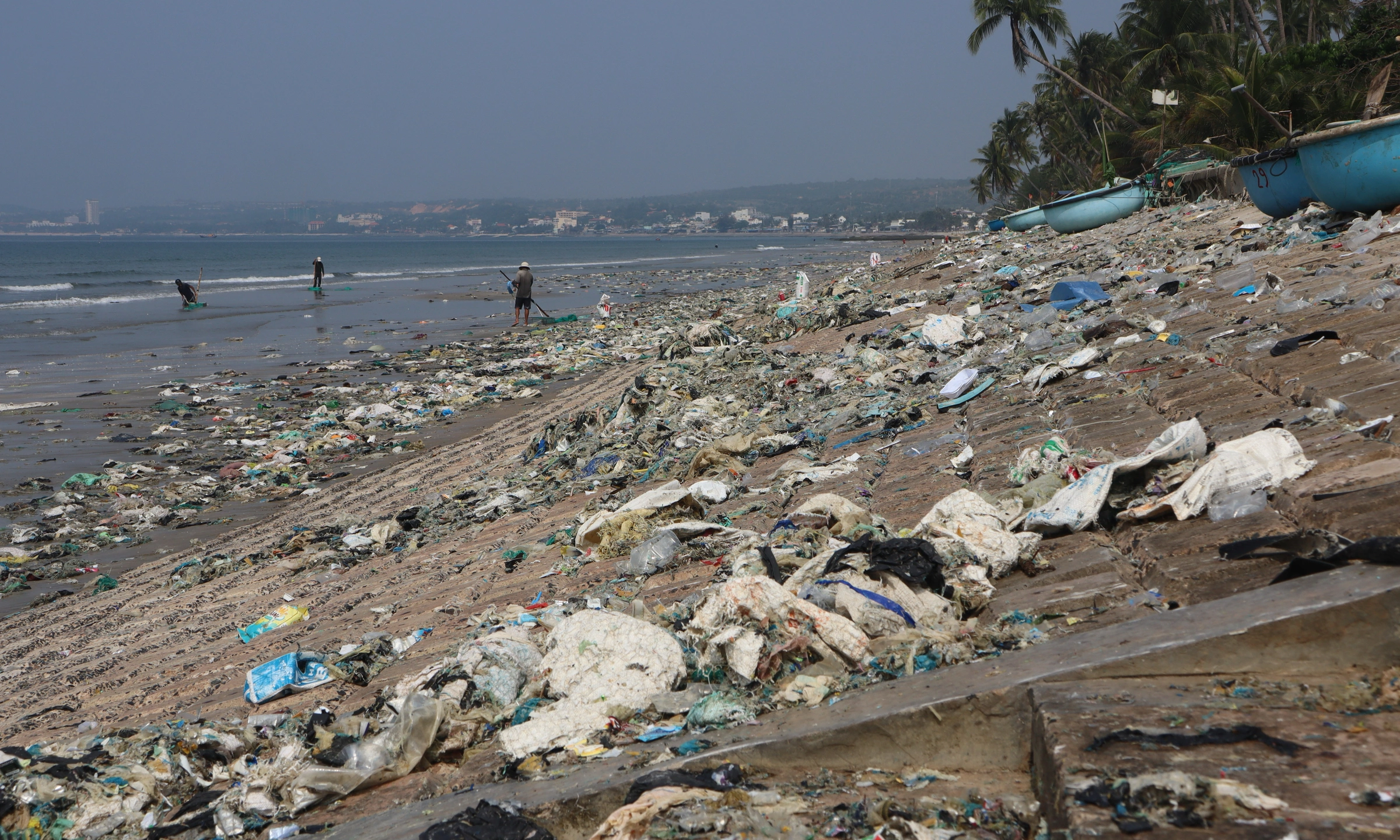
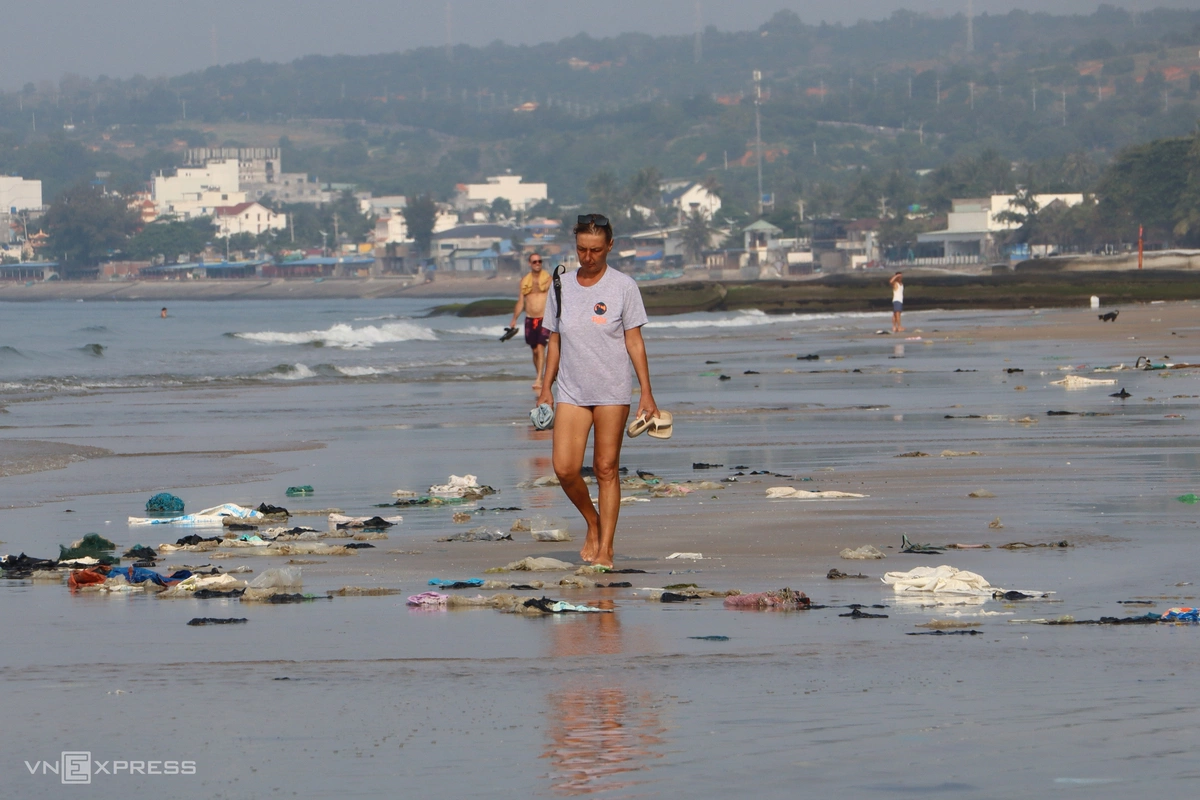
The iconic coastline of Mui Ne, a premier tourism destination in Binh Thuan province, is currently grappling with a severe environmental crisis. For the past two months, Rang Beach, located in Ward 8, has been blanketed by an overwhelming accumulation of waste, transforming a once-pristine stretch of sand into a hazardous landscape. The refuse, which spans over a kilometer, includes a dense mixture of household plastic, discarded fishing gear, footwear, and various non-biodegradable debris, posing significant health risks to the local community and threatening the viability of the regional tourism industry.
Chronology of the Environmental Degradation
The current crisis began to escalate in late July 2026, coinciding with the onset of the southwest monsoon season. According to local residents, the phenomenon is seasonal but has reached unprecedented levels this year. Between the months of June and October, prevailing wind patterns and ocean currents typically transport waste from upstream river estuaries and offshore fishing vessels toward the Mui Ne bay.
By late August, the volume of waste had surpassed the capacity of local sanitation crews. The situation peaked on September 19, 2026, when the accumulation reached such a density that the beach became virtually inaccessible. The waste, which in some areas is nearly half a meter deep, has emitted a foul odor that has deterred both tourists and locals from utilizing the area for recreational purposes.
The Impact on Local Tourism and Economy
Mui Ne is internationally recognized for its resorts and coastal beauty. However, the current state of Rang Beach has had an immediate, detrimental impact on local hospitality businesses. Managers of various homestays and boutique resorts along the Nguyen Dinh Chieu thoroughfare report a sharp decline in guest satisfaction.
"Visitors arrive expecting a serene beach experience, but they are met with a wall of garbage," said Bao Thu, a local homestay manager. "Many guests check out prematurely or decide not to stay at all. The visual and olfactory impact is simply too great for a hospitality business to overcome without immediate intervention."
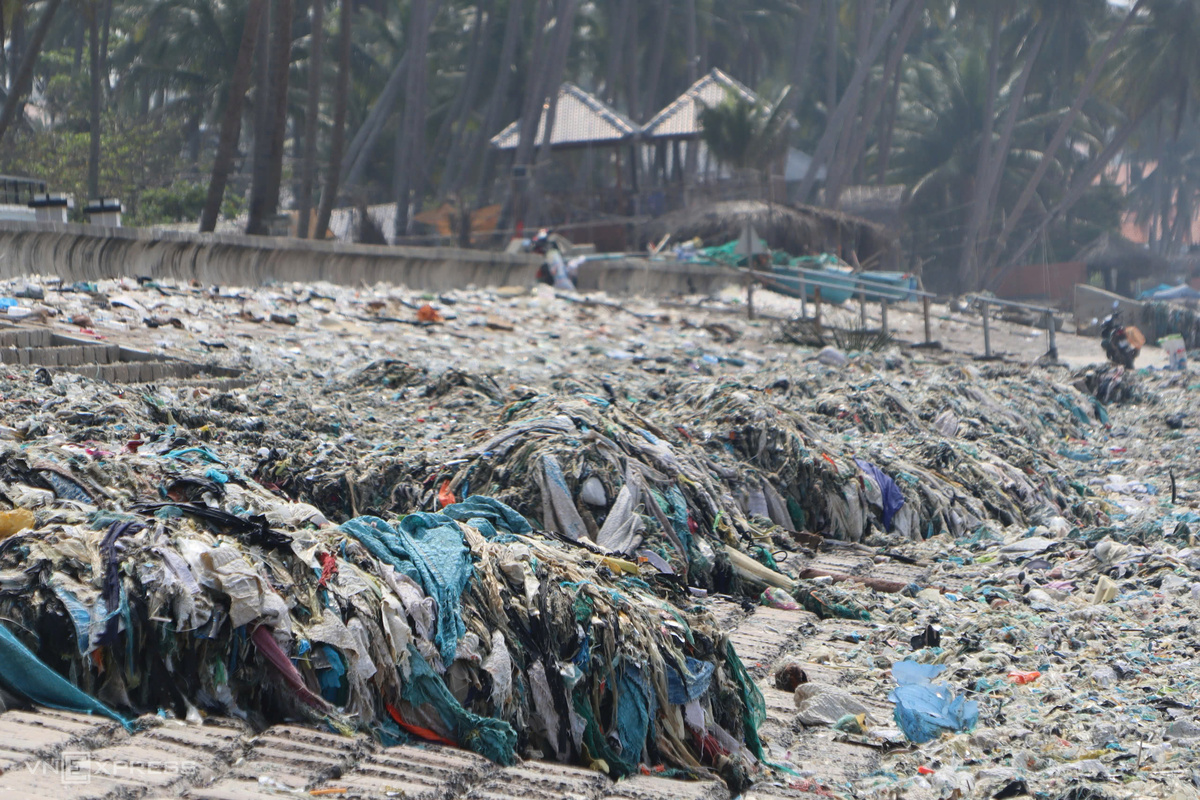
The economic ripple effect is significant. With the peak season nearing, the inability to provide a clean environment threatens to result in widespread booking cancellations, negatively impacting small-scale business owners who rely on tourism as their primary source of income.
Community-Led Remediation Efforts
In response to the inaction, a grassroots effort emerged on September 19, 2026. A group of local residents, alongside a community of expatriates residing in Mui Ne, mobilized to address the crisis. Armed with gloves and collection bags, these volunteers began the arduous process of manual cleanup.
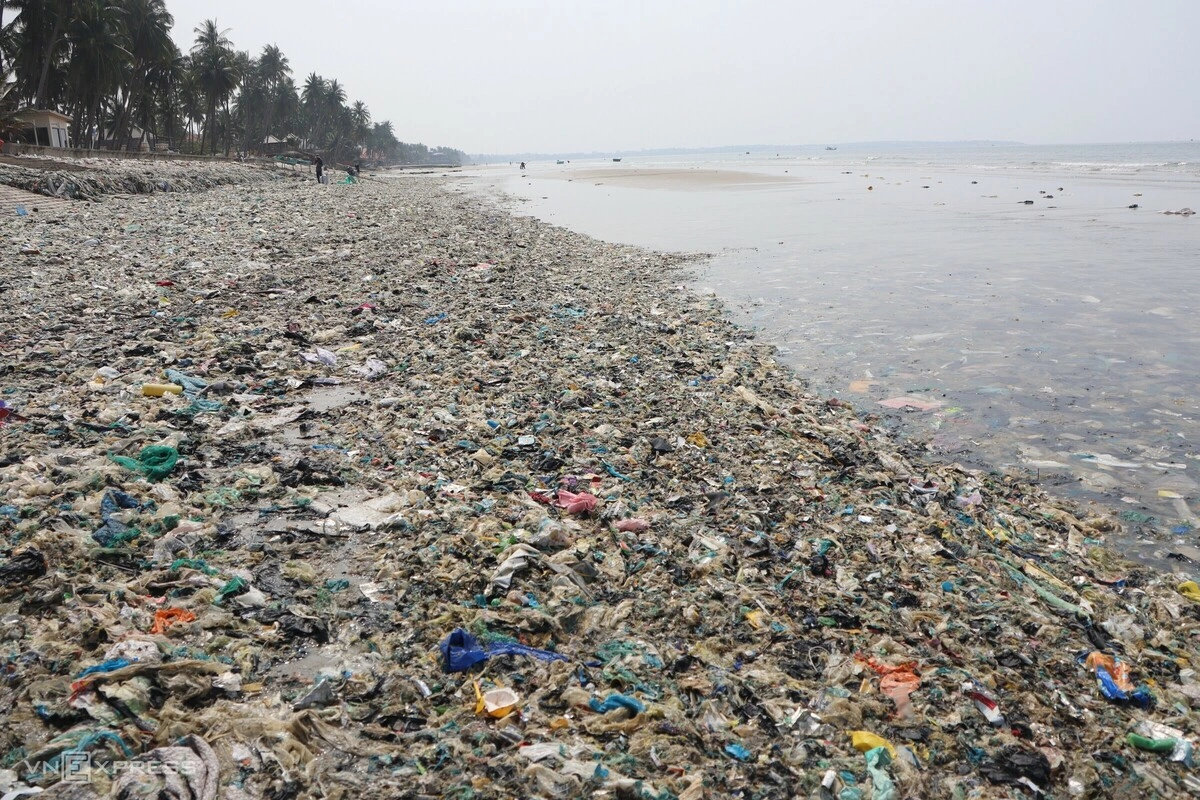
"It is heartbreaking to see such a beautiful place treated this way," said Alex, a foreign resident who participated in the cleanup efforts. "We decided that waiting for official intervention was no longer an option. The scale of the pollution is shocking, and it requires an immediate, coordinated response to protect the local ecosystem."
Despite the dedication of the volunteers, the sheer volume of debris—much of which is embedded deep within the sand—makes the task difficult for individuals working without industrial equipment.
Official Response and Administrative Challenges
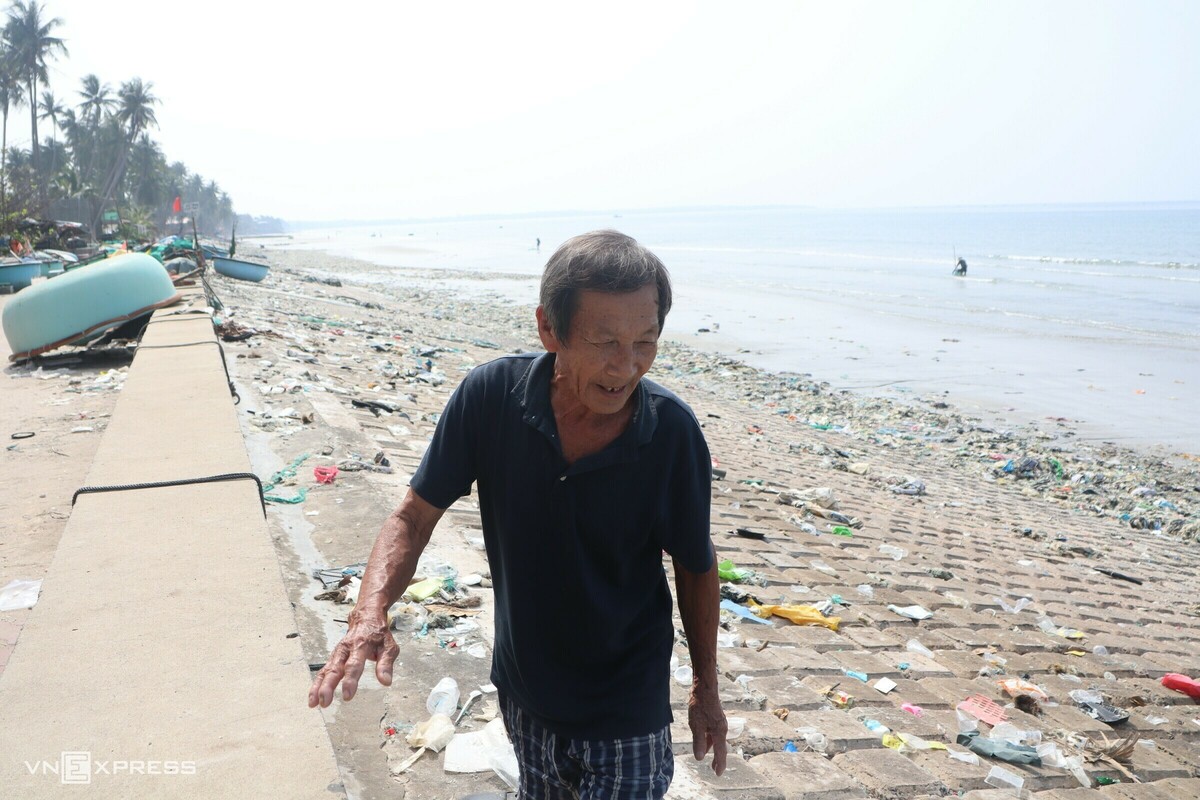
Le Thanh Son, Chairman of the Mui Ne Ward People’s Committee, acknowledged the severity of the situation and the limitations of local resources. In a statement provided on September 20, 2026, he noted that the local government is mobilizing additional resources to combat the waste accumulation.
"We are currently deploying heavy machinery, including trucks and waste-removal vehicles, to expedite the cleanup process," Son stated. "The scale of this year’s waste inflow is unprecedented, which has hindered our standard sanitation response. We are committed to restoring the beach to a clean state over the next 48 hours."
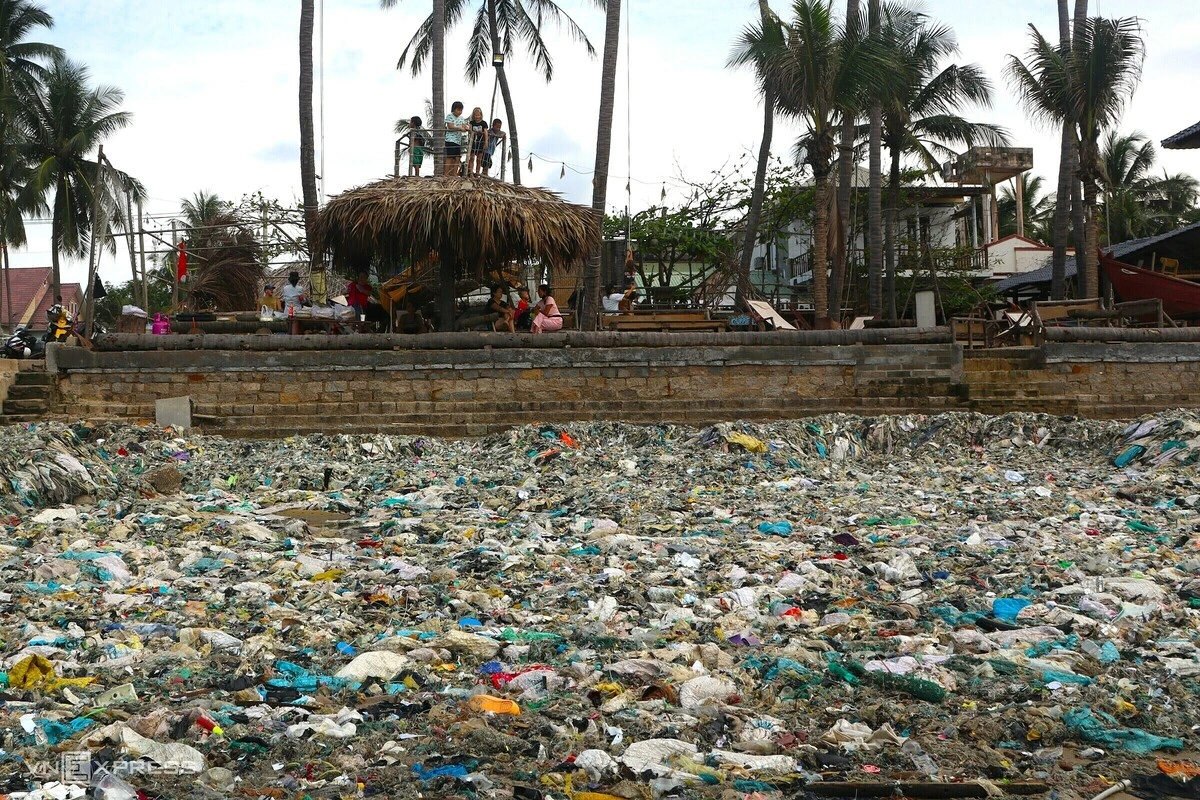
The local administration has announced a two-day intensive cleanup campaign running from September 19 to 20, involving hundreds of personnel. However, officials also noted that the root cause—the improper disposal of waste into rivers and the ocean—remains a systemic issue that extends beyond the borders of Mui Ne.
Broader Implications and Environmental Context
The crisis at Rang Beach is a microcosm of a larger, global challenge: marine plastic pollution. According to environmental data, approximately 80% of marine debris originates from land-based sources. In the case of Mui Ne, the convergence of urban waste carried by rivers and the maritime waste discarded by fishing fleets highlights a breakdown in waste management infrastructure.
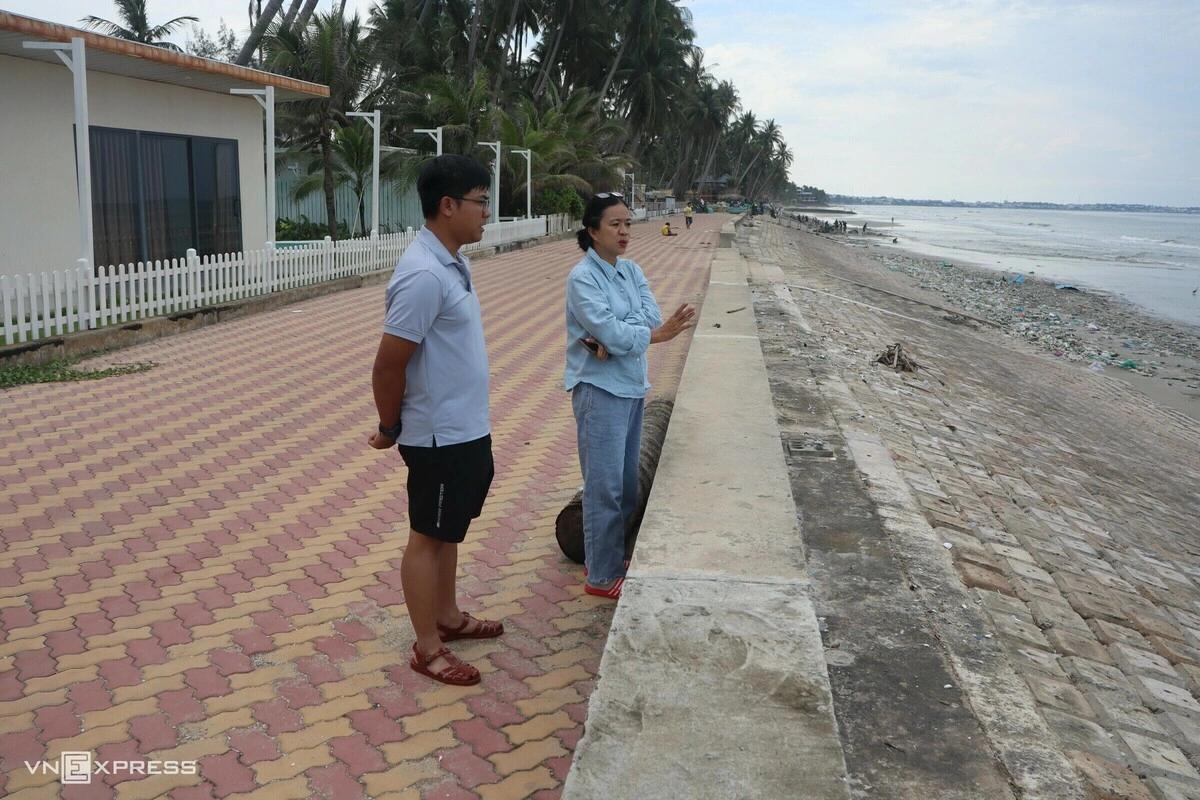
Environmental analysts point out that the reliance on beach cleanups alone is a reactive measure. To prevent recurrence, regional authorities must implement more stringent enforcement of waste disposal regulations for fishing vessels and improve municipal waste collection in upstream riverine communities.
The economic implications are equally grave. Vietnam’s tourism sector, which contributes significantly to the national GDP, relies heavily on the "Blue Economy." When iconic destinations lose their appeal due to environmental degradation, the cost of recovery—both in terms of lost revenue and the resources required for remediation—is substantial.
Looking Forward
As the local government initiates its cleanup efforts, the focus remains on immediate restoration. However, local stakeholders are calling for a sustainable, long-term strategy. This includes:
- Enhanced Waste Collection: Increasing the frequency and coverage of municipal waste removal services during monsoon seasons.
- Infrastructure Investment: Installing waste traps or barriers at river mouths to prevent debris from entering the ocean.
- Regulatory Enforcement: Implementing stricter penalties for vessels that discharge waste at sea and improving monitoring of coastal dumping.
- Public Awareness: Launching educational campaigns for both residents and tourists regarding the impact of single-use plastics.
The situation in Mui Ne serves as a poignant reminder that the health of coastal tourism is inextricably linked to environmental stewardship. While the immediate cleanup offers a temporary reprieve for the residents and businesses of Rang Beach, the long-term viability of the region depends on a shift toward integrated, proactive environmental management. As of the morning of September 20, 2026, the cleanup efforts were ongoing, with authorities promising a return to normalcy in the coming days, though the environmental scars of this event will likely linger in the minds of the community and its visitors for some time to come.
Related posts: