Sprouted Potatoes: Comprehensive Analysis of Glycoalkaloid Toxicity Risks and Safety Protocols for Consumer Health

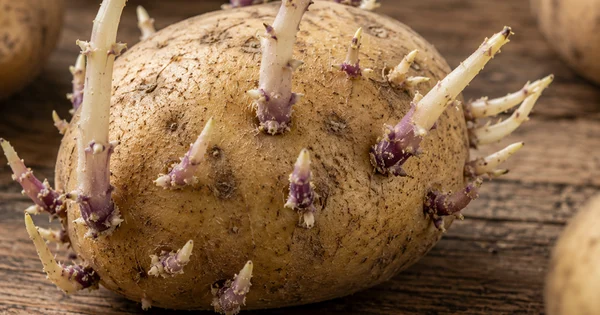
Potatoes, a staple of the global diet and a primary source of complex carbohydrates, contain a naturally occurring defense mechanism in the form of chemical compounds known as glycoalkaloids. While these compounds are present in trace amounts in fresh, healthy tubers and generally pose no threat to human health, their concentration undergoes a dramatic and potentially hazardous shift when the potato begins to sprout. The physiological changes that occur during the sprouting process are not merely cosmetic; they signal a significant increase in toxicity that can lead to severe gastrointestinal and neurological distress if ingested. Understanding the threshold between a safe vegetable and a toxic one is critical for food safety and public health, particularly as consumers balance the desire to minimize food waste with the necessity of avoiding foodborne illness.
The Chemical Profile of Glycoalkaloids: Solanine and Chaconine
To understand the risks associated with sprouted potatoes, one must first examine the chemical nature of glycoalkaloids. The two primary glycoalkaloids found in potatoes are solanine and chaconine. These are nitrogen-containing steroidal glycosides that serve as a natural pesticide, protecting the plant from predators, fungi, and pests. Under normal conditions, these toxins are concentrated primarily in the skin and the "eyes" (the small indentations where sprouts emerge) of the potato, with the internal flesh containing very little.
However, the concentration of these substances is highly sensitive to environmental stressors. According to toxicological data, when a potato is exposed to light, physical damage, or fluctuating temperatures, it initiates a stress response. This response triggers the synthesis of glycoalkaloids as a protective measure for the developing sprouts. While the legal and safety limit for glycoalkaloids in commercial potatoes is generally cited at 200 milligrams per kilogram (mg/kg) of fresh potato weight, sprouted or "greened" potatoes can far exceed this limit, reaching levels that are toxic to humans.
The Biological Mechanism of Sprouting and Toxin Accumulation
The transition from a dormant tuber to a sprouting plant involves a complex series of biological events. When a potato is stored in an environment with high humidity, warmth, or excessive light exposure, its metabolic rate increases. The starch stored within the tuber begins to convert into sugars to provide energy for the emerging sprouts. This metabolic surge is accompanied by the rapid accumulation of glycoalkaloids.
A common visual indicator of this process is "greening." This green hue is caused by the formation of chlorophyll, a pigment produced when the tuber is exposed to light. It is a frequent misconception that the green color itself is the toxin; chlorophyll is harmless and essential for photosynthesis. However, the environmental conditions that stimulate chlorophyll production—namely light exposure—simultaneously stimulate the production of solanine and chaconine. Therefore, greening serves as a reliable proxy indicator for the presence of high glycoalkaloid concentrations. The highest concentrations are consistently found in the sprouts themselves, followed by the area directly beneath the skin and the "eyes."
Clinical Manifestations of Glycoalkaloid Poisoning
Ingesting high levels of glycoalkaloids can lead to a condition known as solanine poisoning. The severity of the symptoms is typically dose-dependent, meaning they vary based on the concentration of the toxin and the amount of potato consumed relative to the individual’s body weight.
Gastrointestinal Distress
The most immediate effects of glycoalkaloid ingestion are usually gastrointestinal. Because these compounds are irritants to the digestive lining, they can cause:
- Nausea and violent vomiting.
- Abdominal cramping and sharp pain.
- Severe diarrhea.
- A distinct burning sensation in the mouth and throat, often described as a bitter or acrid aftertaste.
Neurological Impact
In more severe cases, glycoalkaloids act as acetylcholinesterase inhibitors. By interfering with this enzyme, the toxins disrupt the transmission of nerve impulses, leading to neurological symptoms such as:
- Headaches and dizziness.
- Confusion and mental "fog."
- Fever and rapid pulse.
- In extreme instances, low blood pressure, respiratory distress, or cardiac arrhythmia.
While modern medical intervention has made fatal cases of potato poisoning exceedingly rare, the discomfort and potential for long-term complications, particularly in children, the elderly, and those with compromised immune systems, remain significant. Experts such as food safety researcher Bryan Silness have noted that the risk profile increases exponentially when the potato exhibits deep greening or when the sprouts have reached several inches in length.
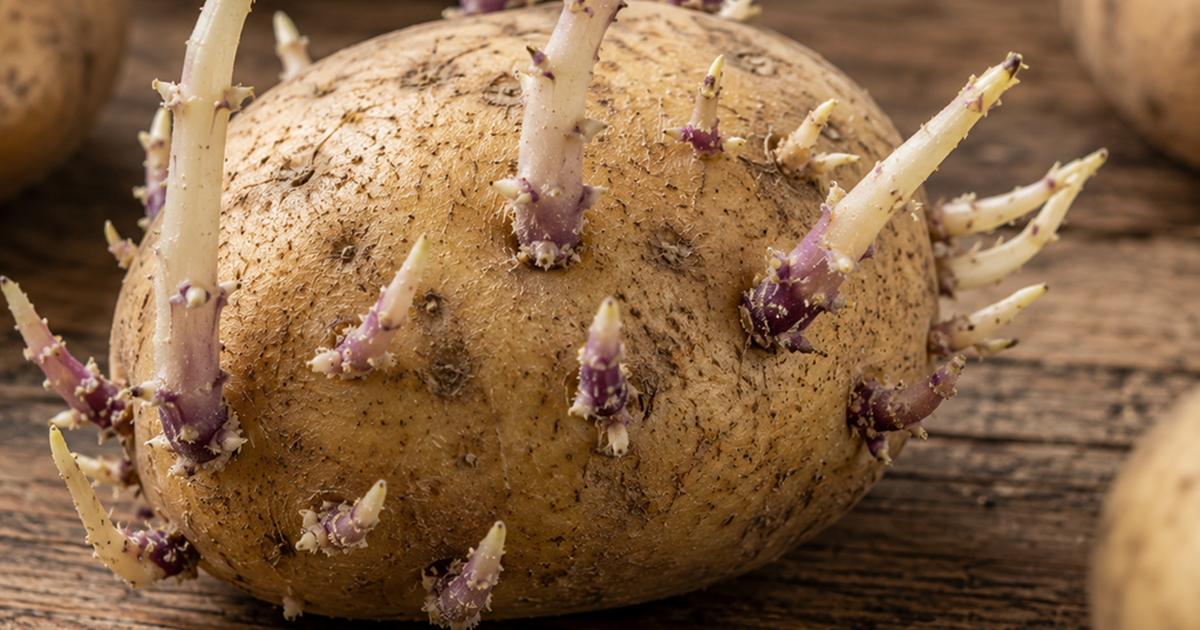
Evaluating the Salvageability of Sprouted Tubers
A frequent point of confusion for consumers is whether a sprouted potato can be "saved" by simply removing the sprouts. The answer depends entirely on the physical state of the tuber and the extent of the sprouting.
When to Salvage
If a potato remains firm to the touch and has only produced a few small, localized sprouts, it is generally considered safe for consumption provided proper precautions are taken. In this scenario, the glycoalkaloids are still largely concentrated in the sprouts and the eyes. To minimize risk, consumers should:
- Remove the sprouts entirely using a knife or a specialized peeler.
- Dig out the "eye" area deeply to ensure no sprout base remains.
- Peel the potato more deeply than usual to remove any green-tinted flesh or areas near the surface where toxins may have begun to accumulate.
When to Discard
If the potato exhibits any of the following characteristics, the risk of toxicity is too high to justify consumption, and the entire tuber should be discarded:
- Softness and Shriveling: When a potato becomes soft or wrinkled, it indicates that much of its internal starch has been converted to sugar and energy for the sprouts. This systemic change suggests that glycoalkaloids have likely migrated from the surface into the deeper tissues of the tuber.
- Extensive Greening: If the green color has penetrated beyond the skin and into the flesh, the toxin levels are likely hazardous.
- Abundant Sprouting: Large, long, or numerous sprouts indicate a high metabolic state and high toxin production.
- Bitter Taste: Glycoalkaloids have a naturally bitter, unpleasant flavor. If a cooked potato tastes bitter or causes a burning sensation on the tongue, it should be spat out immediately, and the dish should not be consumed.
The Heat Stability Myth: Why Cooking Cannot Neutralize Solanine
One of the most dangerous misconceptions regarding sprouted potatoes is the belief that high-temperature cooking methods, such as boiling, baking, or frying, will neutralize the toxins. Unlike many bacterial pathogens that are destroyed by heat, glycoalkaloids are remarkably heat-stable.
Research published in various food science journals and echoed by health organizations like Healthline confirms that solanine does not begin to break down until it reaches temperatures between 200°C and 280°C (392°F to 536°F). Standard domestic cooking processes rarely reach these temperatures throughout the entire food item. Boiling water only reaches 100°C, and while deep-frying may reach 170°C, it is insufficient to fully degrade the chemical structure of the glycoalkaloids. Consequently, if a potato is toxic when raw, it will remain toxic after it is cooked.
Timeline of Toxin Development and Storage Prevention
The journey from a safe potato to a toxic one is a timeline governed by storage conditions. Understanding this chronology can help consumers prevent sprouting before it begins.
- Harvest and Dormancy: Immediately after harvest, potatoes enter a natural dormancy period where they will not sprout regardless of conditions. This period lasts between one and three months depending on the variety.
- End of Dormancy: Once the dormancy period ends, the "eyes" become metabolically active. At this stage, the potato is still safe, but it is highly sensitive to its environment.
- Light and Heat Exposure: If exposed to light (even indoor fluorescent light) and temperatures above 10°C (50°F), the potato begins to produce chlorophyll and glycoalkaloids. This is the "warning phase."
- Sprout Emergence: Within days of exposure, visible sprouts appear. Toxin levels begin to climb.
- Tuber Exhaustion: If left unchecked, the sprouts grow long, and the tuber becomes soft. At this stage, the potato is no longer a viable food source.
To prevent this progression, food safety experts recommend storing potatoes in a "cool, dark, and dry" environment. Ideal storage temperatures are between 7°C and 10°C (45°F to 50°F). Potatoes should never be stored in the refrigerator, as the cold temperatures can cause "cold-induced sweetening," where starch converts to sugar, potentially leading to higher levels of acrylamide (a different chemical concern) when fried. Furthermore, potatoes should be kept away from onions, as onions release ethylene gas which can accelerate the sprouting process in potatoes.
Broader Impact and Implications for Food Safety
The issue of sprouted potatoes sits at the intersection of public health and global food waste. According to various agricultural reports, millions of tons of potatoes are discarded annually due to sprouting and greening. While safety must remain the priority, the ability of consumers to accurately identify "salvageable" potatoes can contribute to a reduction in household food waste.
However, the medical community maintains a cautious stance. Because there is no simple way for a consumer to measure the exact milligram count of solanine in a kitchen setting, the "err on the side of caution" approach is the standard recommendation. For vulnerable populations—particularly pregnant women, as some studies suggest high glycoalkaloid intake may be linked to birth defects—the recommendation is to avoid sprouted or green potatoes entirely, regardless of firmness.
In conclusion, while the potato is a resilient and nutritious vegetable, it is not inert. The presence of sprouts is a biological signal that the plant’s internal chemistry has shifted toward a defensive, toxic state. By recognizing the visual cues of greening and softening, understanding the limitations of cooking in neutralizing toxins, and employing proper storage techniques, consumers can safely enjoy this dietary staple while protecting themselves from the hidden dangers of glycoalkaloid poisoning. The rule of thumb remains: when in doubt, throw it out. Protecting neurological and gastrointestinal health is far more valuable than the cost of a few discarded tubers.