Ho Chi Minh City seeks to slash logistics costs to 11-14 percent of GRDP by 2030 through infrastructure integration and digital transformation

The logistics sector in Ho Chi Minh City (HCMC), the economic engine of Vietnam, is currently facing a critical juncture. Despite its pivotal role as a primary gateway for international trade, the city is grappling with disproportionately high logistics costs, which currently account for 16-17 percent of its Gross Regional Domestic Product (GRDP). Industry experts and government officials are now spearheading a comprehensive strategy to modernize infrastructure and streamline supply chains to enhance the nation’s competitive edge in an increasingly volatile global market.
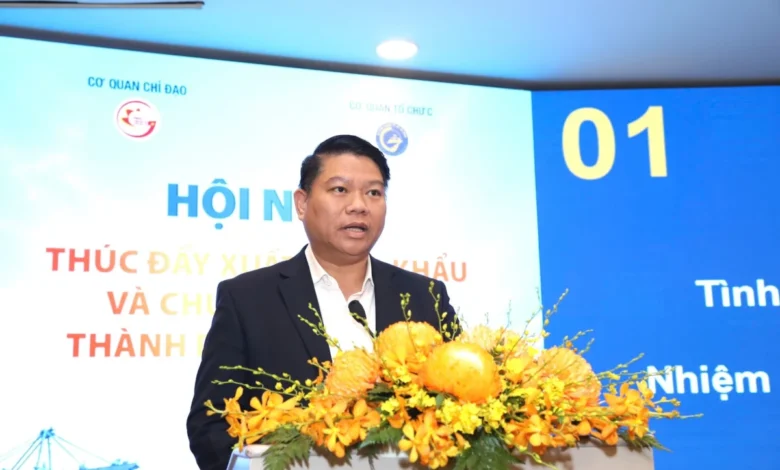
The urgency of this transformation was highlighted during a high-level conference on import-export and supply chain optimization held in Ho Chi Minh City on September 21, 2026. Organized by the HCMC Department of Industry and Trade, the forum brought together policymakers, industry leaders, and logistics experts to address the "bottlenecks" that have long hampered the city’s export-import efficiency.
The Current Logistics Landscape: Challenges and Obstacles
According to data presented at the conference by Dr. Bui Ba Nghiem, a senior expert from the Ministry of Industry and Trade’s Agency of Foreign Trade, Ho Chi Minh City remains the country’s primary commercial hub. It accounts for approximately 17.6 percent of Vietnam’s total export turnover, 18.4 percent of import turnover, and 18 percent of the national total import-export volume.
However, this volume does not equate to maximum efficiency. Dr. Nghiem pointed out that the city’s export value is often not reflective of the true value-added potential of local enterprises. Several systemic hurdles persist:
- Infrastructure Deficits: The most significant bottleneck is the lack of synchronized transportation infrastructure. Road networks connecting industrial zones to airports and major seaports suffer from chronic congestion, leading to increased transport time and fuel costs.
- Regulatory Hurdles: Many companies struggle to convert trade opportunities into realized gains due to complex and time-consuming processes related to Certificates of Origin (C/O).
- Data Fragmentation: There is a notable lack of inter-agency data sharing, which prevents seamless coordination between logistics providers, customs authorities, and manufacturers.
- Value Chain Gaps: The reliance on imported raw materials—specifically plastics, technical components, and electronic parts—creates vulnerability. Without a localized, robust supply chain, manufacturers remain at the mercy of global supply fluctuations.
Ms. Vu Thi Phuong Lan, Deputy Standing Chairwoman of the HCMC Logistics and Port Association (HLA) and Chairwoman of the Board at ASL Logistics, emphasized that the city’s logistics costs significantly exceed those of regional peers. "While government support is vital, we need a concerted effort from the entire business community to enhance competitiveness," she stated.
A Chronology of Strategic Reform
The city’s roadmap for logistics reform is not a new initiative but rather an intensification of efforts that began in the early 2020s.
- 2020–2024: The initial phase focused on digitizing customs procedures. The introduction of the "Green Lane" system allowed a large percentage of goods to pass through customs without physical documentation, significantly reducing dwell times.
- 2025: The shift from paper-based delivery orders (D/O) to Electronic Delivery Orders (e-D/O) marked a turning point. This allowed businesses and logistics agents to submit documents, make payments, and receive clearance online, eliminating the need for physical visits to shipping lines.
- Late 2026 (The Current Strategy): The focus has shifted toward inter-modal transportation. The city is now prioritizing the integration of rail and inland waterway networks to complement the existing road-heavy system.
Official Responses and Future Projections
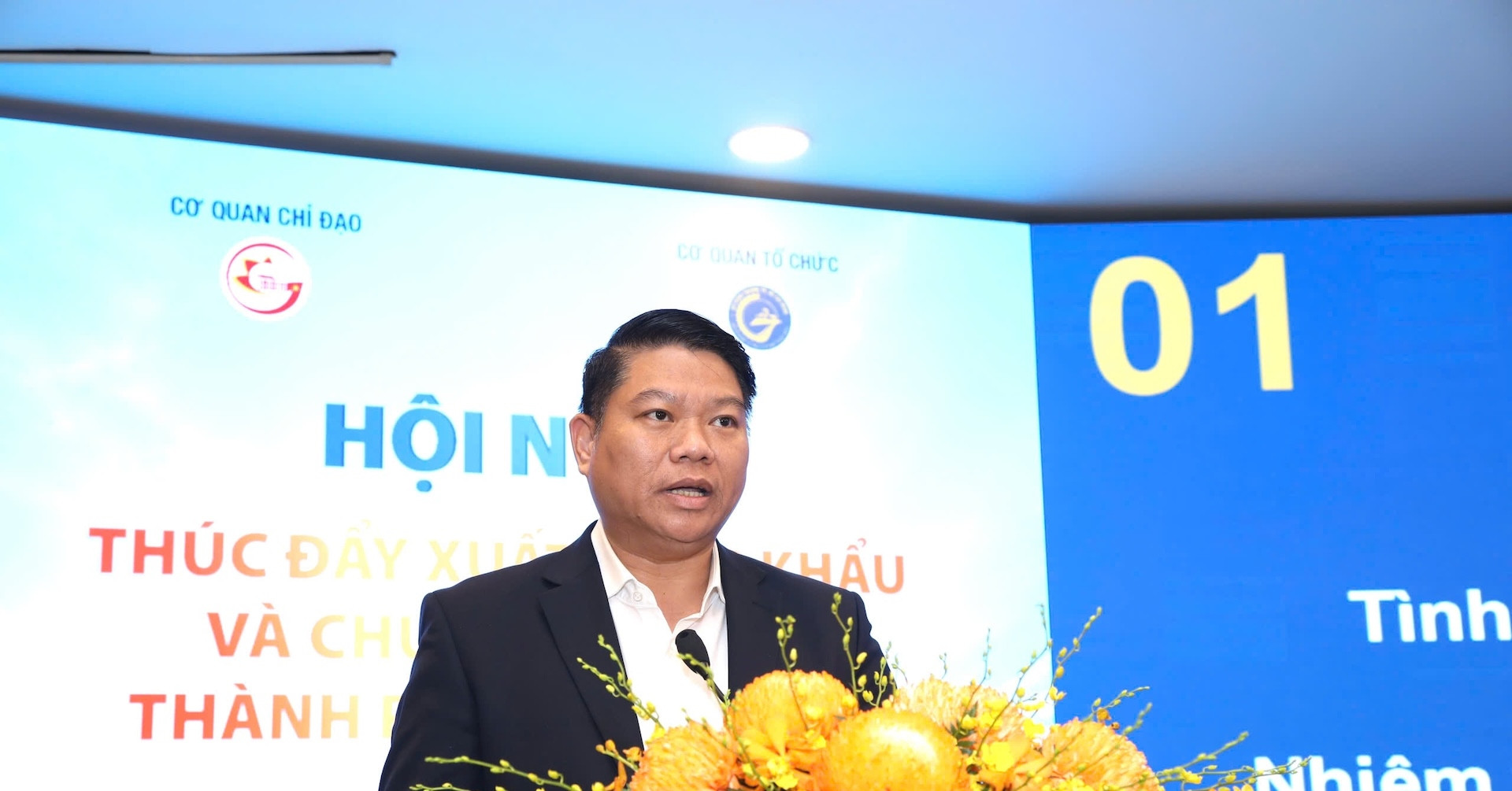
Mr. Le Van Danh, Deputy Director of the HCMC Department of Industry and Trade, articulated the city’s ambitious goal: to reduce logistics costs to 11-14 percent of the city’s GRDP by the 2025-2030 period.
"The heart of our strategy is the development of a multi-modal transportation system," Mr. Danh noted. "We are prioritizing the completion of major ring roads—specifically Ring Road 3 and Ring Road 4—to better connect HCMC with neighboring industrial hubs like Binh Duong, Dong Nai, and the Cai Mep-Thi Vai port cluster."
The government is also moving away from a road-only dependency. By promoting rail connections between industrial zones in Binh Duong and the deep-water ports of Cai Mep-Thi Vai, the city aims to drastically reduce both the transit time and the carbon footprint of container movement.
The Role of Digital Transformation
Digital infrastructure is being heralded as the "great equalizer" for small and medium-sized enterprises (SMEs) in the logistics space. Ms. Lan highlighted that modern digital platforms now allow businesses to plan and evaluate their entire supply chain in roughly two minutes—a task that previously required at least two days of manual paperwork.
"Transparency in data is key," Ms. Lan said. "By centralizing customs clearance at key points, we reduce the burden on businesses that previously had to deal with multiple sub-departments, thereby reducing the opportunities for delays and hidden costs."
Recommendations for the Business Community
To thrive in this evolving landscape, the Ministry of Industry and Trade has advised businesses to adopt a more proactive management style:
- Diversification of Supply Sources: Companies are encouraged to reduce their dependence on single-source suppliers for critical materials. Developing a local network of suppliers for plastic, electronic components, and other raw materials is essential for long-term resilience.
- Mastering Core Technologies: Firms must invest in core logistics and supply chain management software. Relying on outdated manual processes will soon become a significant competitive disadvantage.
- Inter-country Partnerships: Strengthening relationships with international agents who can assume end-to-end responsibility for cargo will allow local firms to focus on their primary production goals.
Broader Impact and Economic Implications
The success of these reforms carries significant implications for Vietnam’s broader economy. As a primary gateway, HCMC’s efficiency directly impacts the cost of goods for the entire nation. A reduction in logistics costs by even 2-3 percent could inject billions of dollars back into the manufacturing sector, fueling further innovation and expansion.
Furthermore, as global trade patterns shift in response to geopolitical instability, Vietnam’s ability to offer a seamless, efficient, and reliable logistics network will determine its attractiveness as a destination for "China Plus One" manufacturing strategies.
"With a more synchronized infrastructure and the ongoing digital wave, we are confident that Ho Chi Minh City can pull logistics costs below 15 percent by the 2027-2028 period," Ms. Lan concluded.
The path forward, however, requires more than just capital investment. It demands a fundamental shift in how the public and private sectors collaborate. The success of the current 2026 strategy will depend on the city’s ability to maintain momentum in infrastructure development while simultaneously fostering a digital-first regulatory environment. As the city looks toward 2030, the integration of road, rail, and waterway systems will be the ultimate test of its ambition to become a world-class logistics hub.