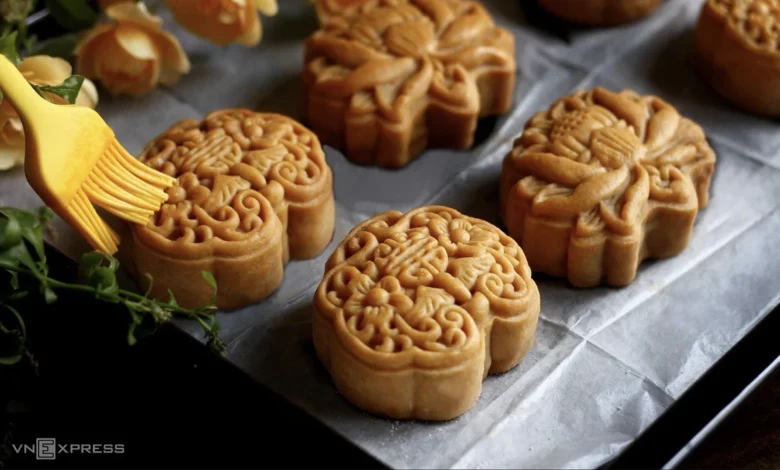
The Mid-Autumn Festival, a traditional celebration deeply rooted in the lunar calendar of many East and Southeast Asian cultures, is synonymous with family reunions, lantern processions, and the consumption of mooncakes. While these decorative pastries serve as an essential cultural symbol, nutritionists are increasingly raising concerns regarding their nutritional profile. Modern commercial mooncakes, often densely packed with sugar, saturated fats, and high-calorie ingredients, can present significant health risks to vulnerable populations if consumption is not carefully managed.
According to Shi Shumei, a senior nutritionist at the Far Eastern Memorial Hospital in Taiwan, the festive nature of the holiday often leads to a "subjective bias" where individuals underestimate the caloric impact of a single serving. "Many people dismiss the health implications by telling themselves that eating just one piece will not cause harm," she noted. However, clinical data suggests that for those managing chronic conditions, even a small, uncontrolled portion can disrupt metabolic stability, leading to acute health complications.
The Nutritional Profile: Why Mooncakes Require Caution
The typical mooncake is a caloric bomb. A single standard-sized mooncake—often weighing between 150 and 200 grams—can contain anywhere from 500 to 800 calories, depending on the filling. This is roughly equivalent to an entire main meal for an average adult. The primary concern lies in the composition: refined flour, high amounts of lard or vegetable shortening, and dense sugar-based fillings like lotus seed paste, red bean, or salted egg yolks.
When metabolized, these ingredients cause rapid spikes in blood glucose levels. For individuals with underlying metabolic disorders, the body’s inability to process such an intense influx of carbohydrates and fats in one sitting can result in hyperglycemia, elevated blood pressure, and strain on the cardiovascular system.
Vulnerable Groups: Who Should Limit Consumption?
Medical professionals have identified five distinct groups who face the highest risk during the Mid-Autumn Festival season:
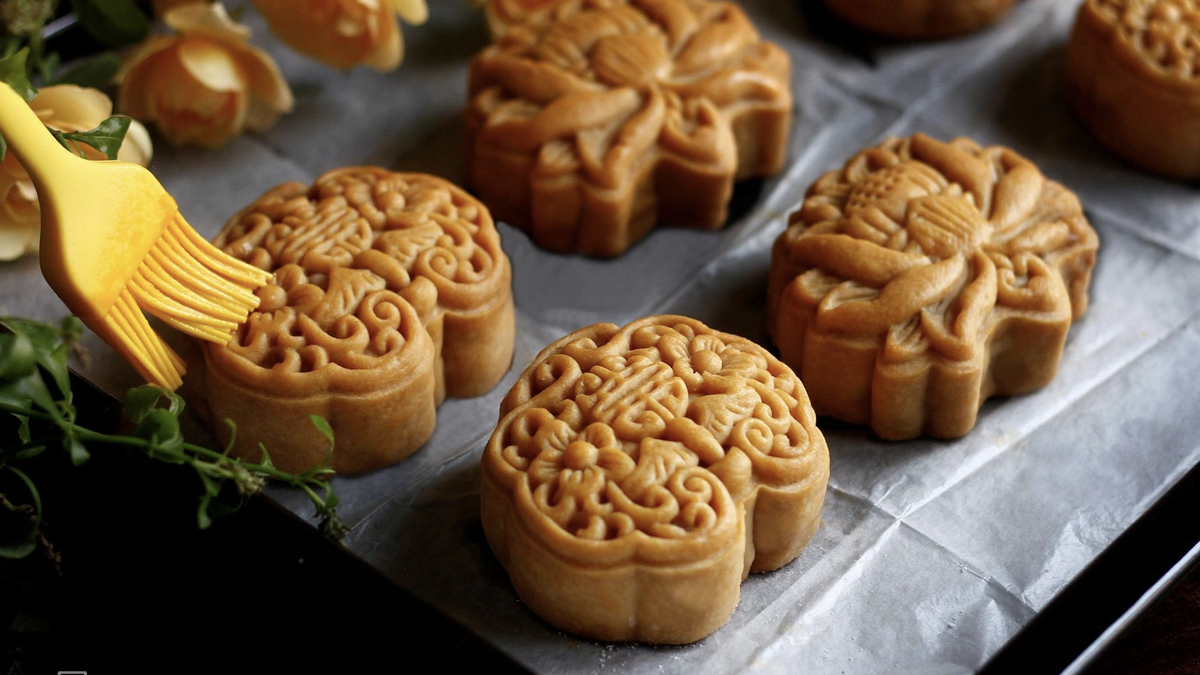
- Individuals with Diabetes: The high glycemic index of traditional mooncakes is a direct threat to blood sugar control. Rapid glucose absorption can lead to dangerous spikes that are difficult to manage with standard medication or insulin protocols, potentially leading to long-term complications.
- Patients with Dyslipidemia (High Blood Cholesterol): Many mooncakes, particularly those with savory fillings or flaky, layered crusts, rely on high quantities of saturated fats and occasionally trans fats. These fats contribute directly to elevated LDL (bad) cholesterol levels, exacerbating existing heart disease risks.
- Individuals with Hypertension: The hidden salt content in savory fillings—such as salted duck egg yolks, dried meat, or soy-sauce-marinated components—can lead to fluid retention and acute blood pressure spikes, which are particularly dangerous for those with pre-existing cardiovascular conditions.
- Patients with Chronic Kidney Disease (CKD): Those with impaired renal function must be cautious of the mineral content in certain ingredients. Fillings like red bean or lotus seed paste are naturally high in potassium and phosphorus. If the kidneys cannot effectively filter these minerals, it can lead to hyperkalemia or other electrolyte imbalances.
- Individuals Managing Weight: For those on a calorie-restricted diet, a single mooncake can easily exceed daily caloric limits. When treated as an "extra" snack rather than a meal replacement, it triggers rapid weight gain and complicates long-term metabolic health goals.
A Chronology of the Festive Dietary Challenge
The risks associated with mooncakes follow a distinct seasonal pattern. In the weeks leading up to the Mid-Autumn Festival, retail markets are flooded with high-sugar, high-fat gift boxes. Data from regional health authorities shows a noticeable uptick in outpatient visits for metabolic-related issues in the two weeks following the festival.
- Pre-Festival (1-2 weeks prior): Consumers begin purchasing mooncakes as gifts, leading to "early snacking" and an increase in daily caloric intake.
- The Festival Day: The peak of consumption, characterized by family gatherings and the traditional practice of sharing mooncakes. This is the period of highest risk for acute spikes in blood glucose and blood pressure.
- Post-Festival (1-2 weeks after): A period often marked by the consumption of "leftover" mooncakes, which prolongs the period of unhealthy eating and creates a sustained strain on the digestive and metabolic systems.
Expert Recommendations: The "Cut, Share, Replace" Protocol
Nutritionist Shi Shumei emphasizes that total abstinence is not necessarily the goal, as the holiday is a vital time for social and family connection. Instead, she advocates for a strategic approach to consumption, encapsulated in the "Cut, Share, Replace" (Nhắt – Chia – Thay) principle:
- Cut (Nhắt): Reduce the portion size significantly. A single mooncake should be divided into four or eight small segments. Eating a full mooncake in one sitting is strongly discouraged.
- Share (Chia): Treat the mooncake as a communal food rather than an individual snack. Sharing a single cake among multiple family members ensures that each person consumes only a minimal amount, reducing the overall caloric load per individual.
- Replace (Thay): Replace high-sugar accompaniments. Many people traditionally pair mooncakes with sugary sodas, sweetened teas, or fruit juices, which only compounds the glycemic impact. Instead, pair small portions of mooncake with unsweetened tea (such as green or oolong tea) or plain water. This helps with digestion and prevents an unnecessary surge in total daily calories.
Broader Impact and Public Health Implications
The challenge of mooncake consumption reflects a broader global issue regarding the impact of seasonal food traditions on public health. As the prevalence of diabetes and metabolic syndrome continues to rise globally, public health officials are calling for clearer nutritional labeling on traditional, locally produced baked goods. Currently, many artisanal or traditional mooncakes sold in local markets lack detailed nutritional information, leaving consumers unaware of the precise amount of sugar and sodium they are ingesting.
Furthermore, geriatric care experts have added a warning for the elderly. Because traditional mooncakes are dense, sticky, and often contain ingredients that are difficult to chew (such as nuts or certain seeds), they pose a choking hazard. Elderly individuals with compromised digestive systems or dental issues should be particularly mindful of the texture and quantity of the food they consume.
In conclusion, while the Mid-Autumn Festival remains a cherished tradition, it is essential to balance cultural participation with physiological realities. By exercising moderation, choosing smaller portions, and being mindful of the ingredients, individuals—especially those with chronic health conditions—can enjoy the festivities without compromising their long-term well-being. For those with specific medical requirements, consulting a primary care physician or a clinical nutritionist remains the most prudent step before indulging in holiday treats.