HCMC 115 Emergency Center Calls Surge Sharply: Analysis of Dispatch Trends, Regional Expansion, and National Healthcare Reforms

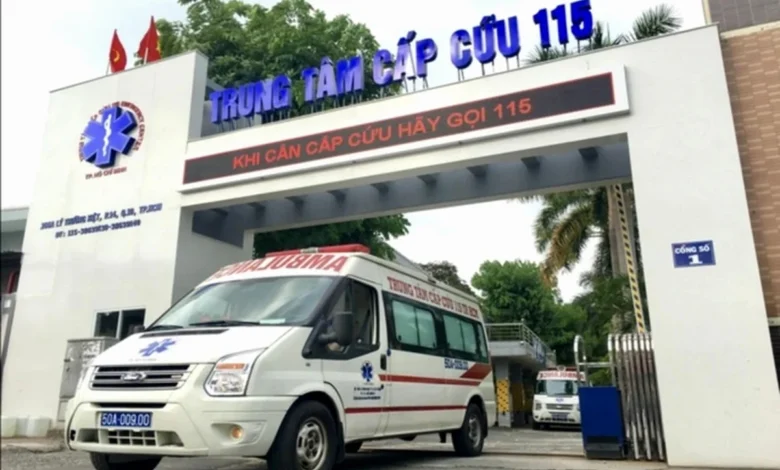
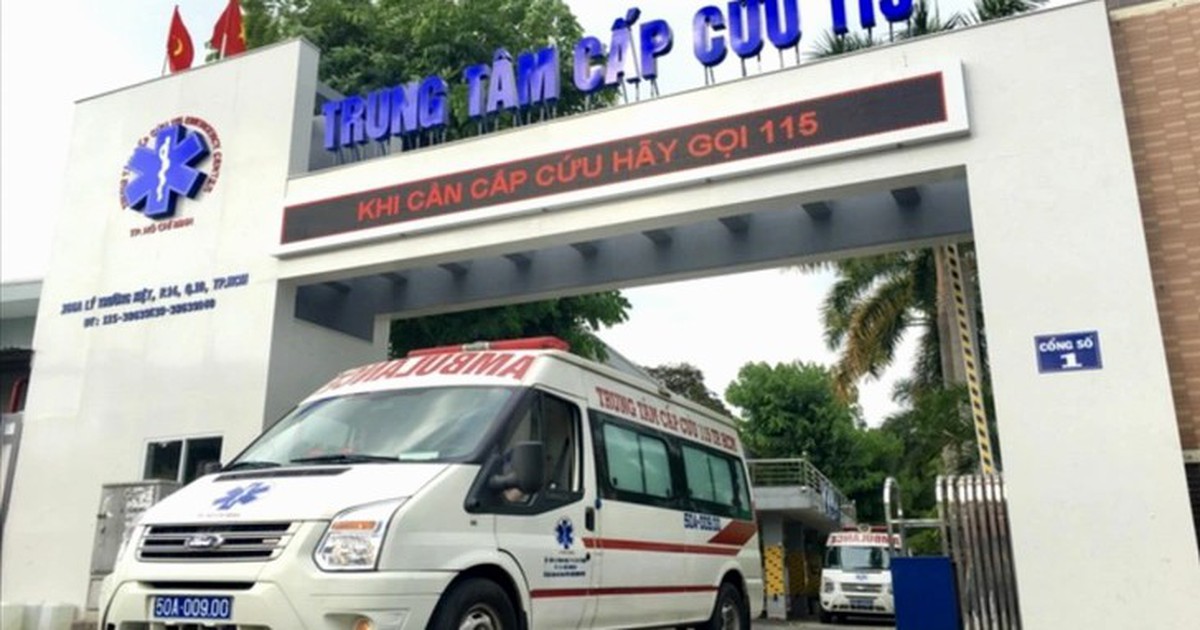
Ho Chi Minh City’s pre-hospital emergency medical system has experienced an unprecedented surge in demand over the past decade, transforming from a modest dispatch operation into a vast, multi-layered healthcare network. According to Dr. Nguyen Duy Long, Director of the Ho Chi Minh City 115 Emergency Center, the expansion of the city’s administrative boundaries following its integration with neighboring Binh Duong and Ba Ria-Vung Tau provinces has necessitated a comprehensive restructuring of emergency dispatch services. Today, the city boasts 73 satellite emergency stations strategically positioned to ensure maximum geographic coverage across the newly enlarged metropolitan area.
This structural evolution occurs against a backdrop of skyrocketing call volumes. In 2015, the 115 emergency switchboard handled approximately 8,700 calls annually. By the close of 2025, that figure had surpassed 400,000 calls per year, representing a staggering multi-fold increase in public reliance on pre-hospital care. The tipping point for daily operational capacity occurred on September 19, 2025, when the central dispatch recorded an all-time high of 2,003 calls in a single 24-hour period. This historic milestone marked the first time daily emergency inquiries crossed the 2,000 threshold, driven largely by acute medical crises such as respiratory distress, cardiovascular events, strokes, cardiac arrests, chest pain, psychological distress, and domestic accidents.
Decoding the Spectrum of Pre-Hospital Medical Emergencies
An analysis of annual statistics reveals distinct patterns regarding the types of medical incidents requiring immediate ambulance dispatch. In 2025, the 115 Emergency Center logged 25,384 out-of-hospital emergency cases. Categorically, general medical pathologies—encompassing severe conditions such as acute breathing difficulties, acute abdominal pain, and sudden neurological episodes—formed the largest category, accounting for 15,449 cases. Traumatic injuries resulting from traffic collisions and accidental falls constituted the second-largest group with 5,006 cases, followed closely by acute strokes (1,736 cases), cardiac arrests (1,631 cases), and cases resulting in mortality prior to hospital arrival (1,562 cases).
This epidemiological trend persisted into the first half of 2026. Between January and June 2026, the center responded to 15,239 emergency cases. General internal medicine and other medical pathologies again dominated the dataset with 9,387 cases, while trauma cases totaled 2,172. Stroke-related emergencies accounted for 1,344 cases, cardiac arrests reached 1,169, and pre-hospital fatalities stood at 1,167.
Operational Efficiency and Response Times
The efficacy of an emergency medical services (EMS) system is measured crucially by its response time, commonly divided into call intake, dispatch processing, vehicle mobilization, and transit duration. Data from the first five months of 2025 demonstrates that the average duration from the moment an emergency call was received until an ambulance reached the scene was 6.9 minutes. This interval breaks down into 1.9 minutes for call intake and triage, 2.1 minutes for dispatch coordination, and 2.9 minutes for vehicle mobilization and departure. Furthermore, the average duration from arriving at the scene to successfully transferring the patient to a designated medical facility was recorded at 13.6 minutes.
Maintaining these rapid response metrics is vital for preserving the "golden hour" in trauma and critical care. With expanded regional territories, the 115 Emergency Center has structured its deployment strategy into distinct geographic zones for the 2026–2030 period. Region 2, covering Binh Duong, has integrated 12 satellite stations and incorporated 60 ambulances stationed across the Binh Duong General Hospital, Thuan An Health Center, and Di An Health Center. Similarly, Region 3, encompassing Ba Ria-Vung Tau, has incorporated 6 sub-stations along with 27 ambulances distributed among the Ba Ria General Hospital, Vung Tau General Hospital, and the Con Dao Health Center.
Strategic Goals for 2030: Reaching the "Golden Hour"
Building upon these regional integrations, Ho Chi Minh City has established rigorous performance targets for the 2026–2030 strategic framework. The overarching objective is to ensure that at least 90 percent of the city’s population can access pre-hospital emergency care within the critical "golden time." Under this roadmap, response times are targeted to not exceed 15 minutes in urban areas and 30 minutes in rural districts.
To achieve this, municipal health authorities plan to ensure that 100 percent of community health stations maintain basic emergency and first-aid capabilities in compliance with national standards. Investment policies dictate a minimum provision of one standardized ambulance per 100,000 residents. The 115 Emergency Center will serve as the primary nerve center responsible for intake, clinical triage, and the centralized coordination of all network operations. These satellite stations will maintain direct communication channels with public hospitals, specialized medical centers, and district health clinics, integrating all grassroots health stations into the initial triage framework.
Public Access Defibrillation and Diversified Transport Fleets
Beyond vehicular deployment, the municipal strategy emphasizes community resilience and public education. The city aims to expand the installation of Automated External Defibrillators (AEDs) across high-traffic transit hubs, including railway stations, airports, and densely populated residential zones. Public health campaigns will focus on imparting foundational cardiopulmonary resuscitation (CPR) and first-aid skills to everyday citizens.
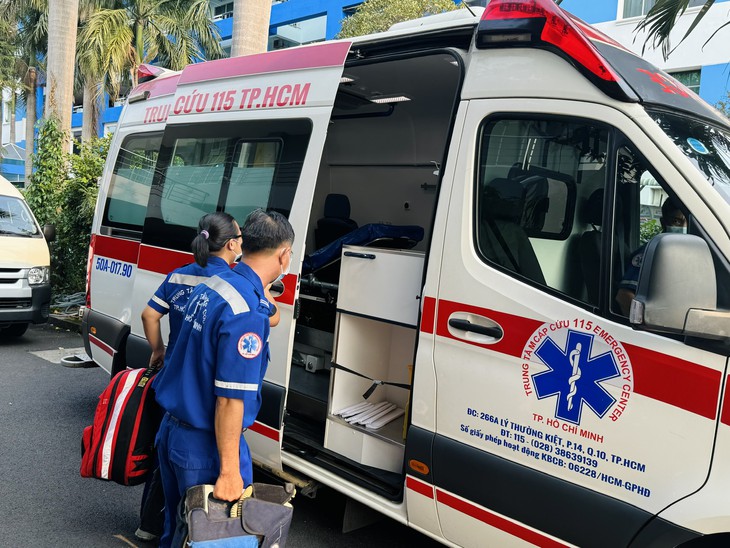
Recognizing the complex topography of the southern metropolis—which includes dense urban alleyways, river networks, and expanding peri-urban zones—the 115 fleet diversification initiative introduces alternative rapid response vehicles. Alongside traditional ambulances, the fleet incorporates emergency motorcycles, riverboats, and air medical transport capabilities to bypass urban traffic congestion and geographic barriers.
By 2030, the municipal health sector projects that at least 3 percent of the total population will undergo formal community first-aid training, while 100 percent of medical personnel stationed at primary health clinics will receive specialized emergency refresher courses.
National Overhaul of Out-of-Hospital Emergency Care
The expansion of Ho Chi Minh City’s EMS network aligns with broader nationwide legislative reforms enacted by the central government. According to Dr. Ha Anh Duc, Director of the Department of Medical Examination and Treatment under the Ministry of Health, the Prime Minister approved Decision 1515 in August 2026, officially greenlighting the national master plan titled "Development of the Out-of-Hospital Emergency Care System for the 2026–2030 Period."
This national directive establishes a standardized, cohesive out-of-hospital emergency network across all provinces and municipalities. A critical departure from previous operational models is the mandate requiring all eligible healthcare facilities—rather than relying solely on dedicated 115 municipal centers—to actively participate in pre-hospital rescue operations. Under the new framework, qualified hospitals must maintain dedicated ambulance units staffed by qualified physicians, critical care nurses, and professional drivers.
The Ministry of Health’s nationwide rollout is designed to eliminate regional disparities in emergency response capabilities, ensuring that advanced clinical interventions begin the moment an ambulance is dispatched. By transforming out-of-hospital care into an interconnected, multi-facility ecosystem, health authorities anticipate a significant reduction in preventable mortality rates associated with trauma, cardiovascular events, and acute neurological emergencies nationwide.